INDIA Bloc to oppose Women’s Quota Bill over delimitation, says Congress president Mallikarjun Kharge

&imwidth=600&imheight=450&format=webp&quality=medium "INDIA Bloc to oppose Women’s Quota Bill over delimitation, says Congress president Mallikarjun Kharge")
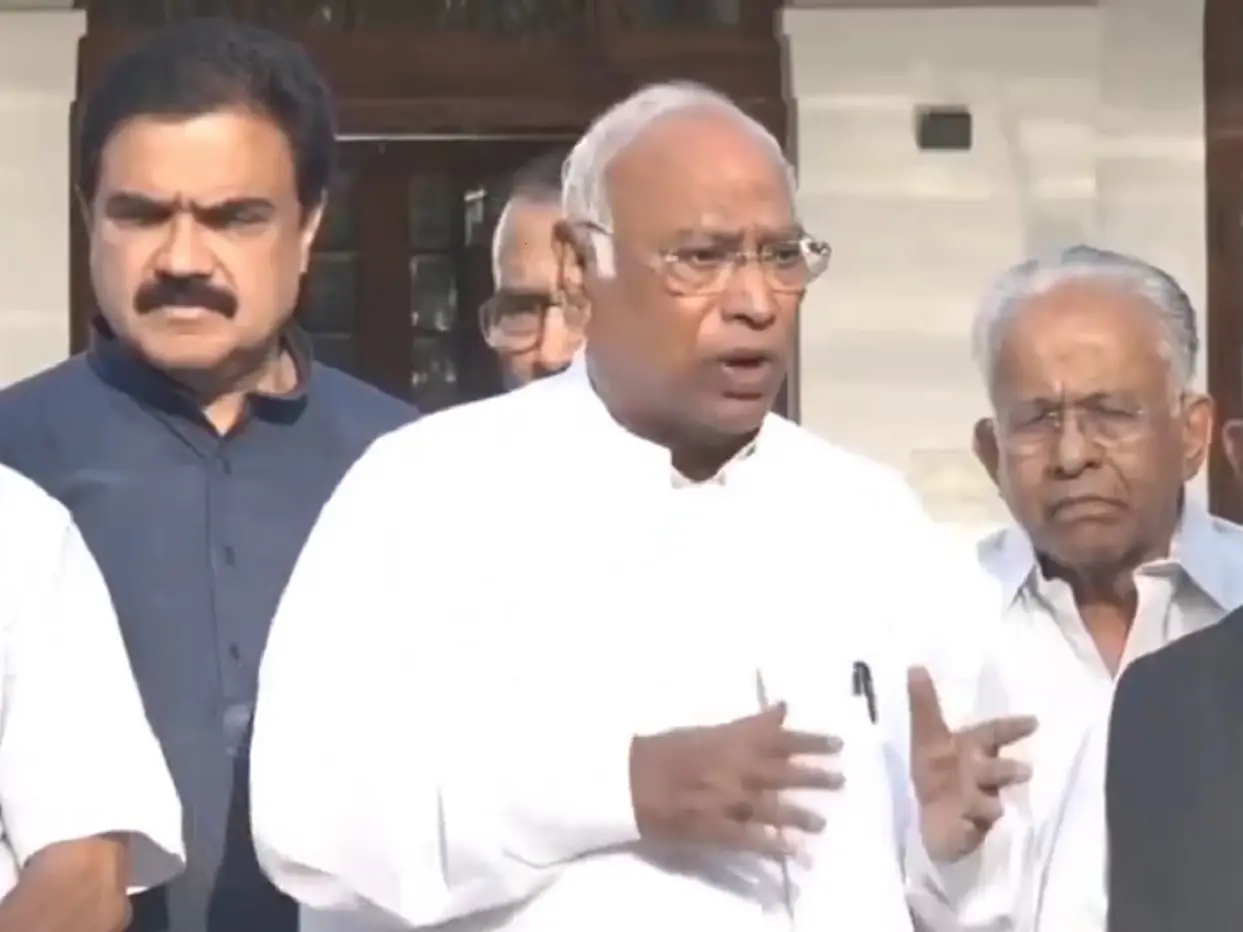
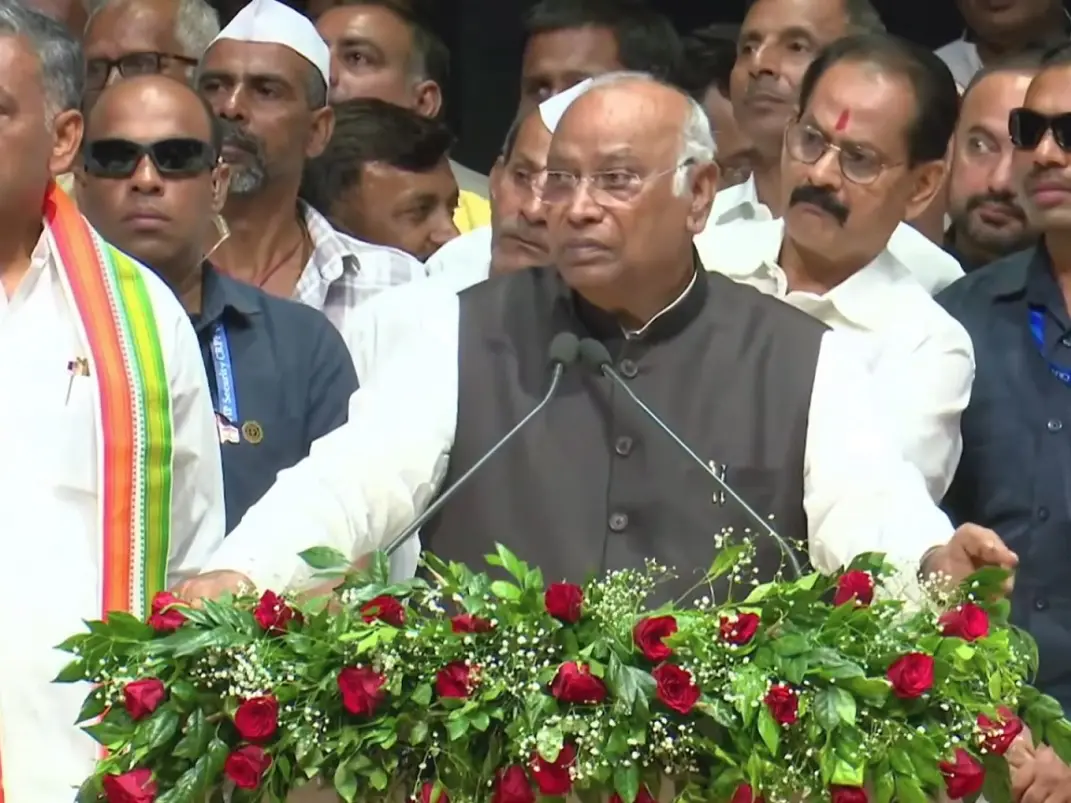
Congress chief Mallikarjun Kharge said the parties have reservations about the manner in which the bill was introduced.Congress chief Mallikarjun Kharge said the parties have reservations about the manner in which the bill was introduced. Photograph: (X)
As per the draft bill, Lok Sabha seats will be increased to up to 850 from the current 543 to “operationalise” the women’s reservation law in 2029, after a delimitation exercise to be carried out based on the 2011 Census. Seats would also be increased in state and UT assemblies.
Congress chief Mallikarjun Kharge said on Wednesday, the eve of the special three-day session to push for implementation of the women’s reservation bill, that the opposition's INDIA bloc has decided to vote against the legislation, citing opposition to the delimitation exercise and calling it ‘politically motivated’.
“We all are in favour of the Women’s Reservation Bill. But the way in which they have brought it, we have reservations about that. It is politically motivated,” Kharge said at a press conference after a meeting of opposition parties at his residence.
During the special three-day sitting of Parliament from April 16 to 18, amendments to the ‘Nari Shakti Vandan Adhiniyam’, commonly known as the Women’s Reservation Act, mandating 33 per cent reservation for women in Lok Sabha and state Assemblies, will be brought for implementation in 2029.
The Congress said that the extent of damage to parliamentary democracy is “enormous” when the intent behind a bill is “mischievous” and its content “devious”.
Also Read: Iran threatens shipping in Persian Gulf, Red Sea, and Gulf of Oman if US naval blockade continues
Lok Sabha seats to go up from 543 to 850
As per the draft bill, Lok Sabha seats will be increased to up to 850 from the current 543 to “operationalise” the women’s reservation law in 2029, after a delimitation exercise to be carried out based on the 2011 Census.
Seats would also be increased in state and UT assemblies to accommodate a 33 per cent reservation for women.
The government proposes to delink the reservation from the requirement of a fresh census and subsequent delimitation. It plans to introduce a Delimitation Bill, 2026, to redraw constituency boundaries based on 2011 census data instead of waiting for new population figures.
‘Playing tricks over delimitation,’ alleges Kharge
Trending Stories
&im=FitAndFill=(700,400)&imwidth=280&imheight=210&format=webp&quality=medium)
&imwidth=280&imheight=210&format=webp&quality=medium)
&imwidth=280&imheight=210&format=webp&quality=medium)
&imwidth=280&imheight=210&format=webp&quality=medium)
&imwidth=280&imheight=210&format=webp&quality=medium)
&imwidth=280&imheight=210&format=webp&quality=medium)
&imwidth=280&imheight=210&format=webp&quality=medium)
&imwidth=280&imheight=210&format=webp&quality=medium)
&imwidth=280&imheight=210&format=webp&quality=medium)
&imwidth=280&imheight=210&format=webp&quality=medium)
&im=FitAndFill=(700,400)&imwidth=280&imheight=210&format=webp&quality=medium)
&imwidth=280&imheight=210&format=webp&quality=medium)
&imwidth=280&imheight=210&format=webp&quality=medium)
&imwidth=280&imheight=210&format=webp&quality=medium)
&imwidth=280&imheight=210&format=webp&quality=medium)
&imwidth=280&imheight=210&format=webp&quality=medium)
&imwidth=280&imheight=210&format=webp&quality=medium)
&imwidth=280&imheight=210&format=webp&quality=medium)
&imwidth=280&imheight=210&format=webp&quality=medium)
&imwidth=280&imheight=210&format=webp&quality=medium)
&imwidth=280&imheight=210&format=webp&quality=medium)
&im=FitAndFill=(700,400)&imwidth=280&imheight=210&format=webp&quality=medium)
&im=FitAndFill=(700,400)&imwidth=280&imheight=210&format=webp&quality=medium)
&imwidth=280&imheight=210&format=webp&quality=medium)
&imwidth=280&imheight=210&format=webp&quality=medium)
&imwidth=280&imheight=210&format=webp&quality=medium)
&imwidth=280&imheight=210&format=webp&quality=medium)
&imwidth=280&imheight=210&format=webp&quality=medium)
&imwidth=280&imheight=210&format=webp&quality=medium)
&imwidth=280&imheight=210&format=webp&quality=medium)
&imwidth=280&imheight=210&format=webp&quality=medium)
&imwidth=280&imheight=210&format=webp&quality=medium)
&imwidth=280&imheight=210&format=webp&quality=medium)
&imwidth=280&imheight=210&format=webp&quality=medium)
Kharge said the parties have “reservations” about the manner in which the bill was introduced. “They are playing some tricks over delimitation. All parties should unite and fight in Parliament. We will oppose this bill, but we are not against reservation (for women),” he said.
Under Article 368, the amendment requires a majority of the total membership of the House and a two-thirds majority of members present and voting.
To pass a constitutional amendment, the government needs a special majority—two-thirds of those present and voting, plus at least 50% of the total house strength.
NDA Govt lacks needed numbers to pass bill
While the government can pass ordinary bills, it is roughly 70 seats short in the Lok Sabha and 23 seats short in the Rajya Sabha of the two-thirds majority (approx. 364 in LS and 164 in RS) needed for the proposed Constitution (131st Amendment) Bill, 2026.
The INDIA bloc accounts for roughly 185 MPs in the Lok Sabha. If they vote together, they can easily prevent the government from reaching the 364-mark.
The government could still pass the bills if opposition members abstain or walk out, which would lower the total number of members “present and voting,” thereby reducing the absolute number of votes needed for a two-thirds majority.
On Wednesday, the government unveiled three bills, including the Constitution Amendment Bill and the Delimitation Bill, through which the process to carve out new seats and redefine the borders of the existing ones would be carried out.
One point of conflict on the issue is the North vs South divide, as North India benefits more with significant population growth while South India gets seats due to lower population growth rate.