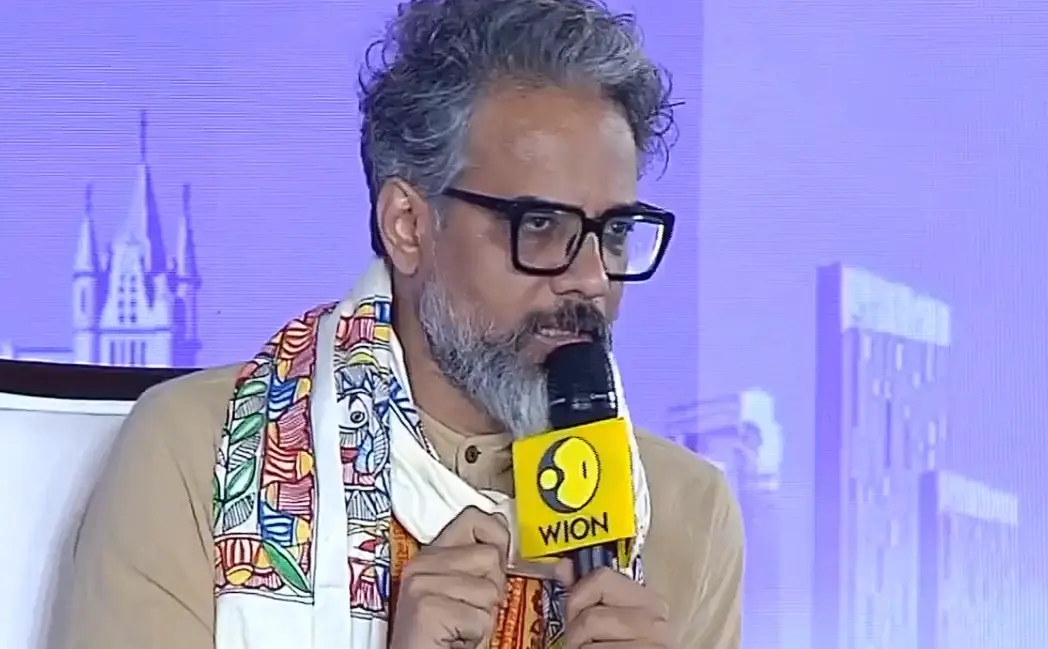
India at UN: Pakistan trained the terrorists who forced Kashmiri Pandits to leave the valley

&imwidth=600&imheight=450&format=webp&quality=medium "India at UN: Pakistan trained the terrorists who forced Kashmiri Pandits to leave the valley")
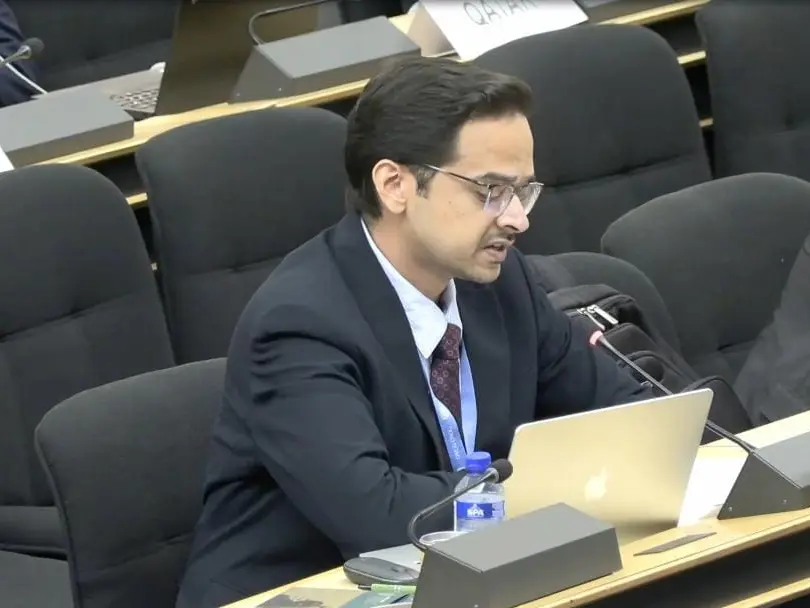
Kshitij Tyagi, Indian diplomat at India’s Permanent Mission in Geneva. Photograph: (WION)
India’s Kshitij Tyagi hit back at Pakistan over arming and training terrorists who drove Kashmiri Pandits from their homes in 1990, while calling on Islamabad to vacate PoK.
India has highlighted how Pakistan armed and trained the terrorists who forced Kashmiri Pandits to leave their homes in 1990 and later killed Kashmiris of every faith, in a sharp right of reply at the UN Human Rights Council.
Kshitij Tyagi, Indian diplomat at India’s Permanent Mission in Geneva, said Pakistan was in no position to raise Jammu and Kashmir after decades of sponsoring cross-border terrorism.
“This Council does not need Pakistan to explain it. It happened in 1990, to the Kashmiri Pandits, driven from their homes by terrorists Pakistan armed, trained, and sent across the border,” he said. “Those same terrorists have since killed Kashmiris of every faith, many of them Muslim. The State that sponsored them is now asking this Council for an inquiry. The irony will not be lost on this Council.”
The remarks came as Pakistan again raised Kashmir at the council’s 60th session. India restated its core position: “Jammu and Kashmir was, is and will always remain an integral and inalienable part of India. The only part of Jammu and Kashmir under foreign occupation is the part Pakistan holds, which we again call upon it to vacate.”
The 1990 exodus remains one of the biggest crises that the Kashmir Valley faced. Pakistan-backed Hizbul Mujahideen targeted killings of prominent Hindus began in 1989. Tens of thousands of Pandits, a small Hindu minority that had lived in the Valley for centuries, fled within months. Community estimates put those killed in the hundreds; most of the community has not returned. Terrorism in the valley subsequently claimed thousands of Muslim lives as well.
Trending Stories
)
)
)
)
)
)
)
)
&im=FitAndFill=(700,400))
)
)
)
)
)
)
)
)
)
)
)
)
&im=FitAndFill=(700,400))
)
)
)
)
)
)
)
)
)
)
)
)
)
)
)
Tyagi also pointed to a deteriorating situation in Pakistan-occupied Kashmir, citing reports of civilian deaths since June, student arrests in Islamabad and Rawalpindi, and restrictions on food and medicine. “If any delegation in this room meets every objective criterion for this Council’s scrutiny, it is Pakistan,” he said.
On minorities, he drew a contrast. India, he noted, has one of the world’s largest Muslim populations, with minorities voting, legislating, sitting on the Supreme Court and leading institutions. In Pakistan, he said, Hindu, Sikh and Christian communities have shrunk since 1947; daughters are abducted and forcibly converted; blasphemy laws hang over minority households; and Shias, Ahmadis, Ismailis and Hazaras face systemic attack. “A State with that record is in no position to lecture anyone on minorities.”
Pakistan, he added, would “better serve its people by focusing on development, rather than by coveting territory of others or exporting terror,” because neither that nor “theatrics in the Council” would repay the loans on which its economy depends.