Gyanvapi mosque dispute: Hindu temple 'existed' at site, pillars reused, says Archaeological survey report


Gyanvapi mosque
A conclusive finding of the Archaeological Survey of India (ASI) indicated thata large Hindu temple existed at the site of Gyanvapi mosque complex in Varanasi, in the Indian state of Uttar Pradesh, media reports said quoting advocate Vishnu Shankar Jain, representing the Hindu side. As per the ASI findings, modifications were made to the mosque using pillars and plaster from the Hindu temple, with attempts to erase carvings on the pillars, as per Jain.
"Based on scientific studies/survey carried out study of architectural remains, exposed features and artefacts inscriptions, art and sculptures, it can be said that there existed a Hindu temple prior to the construction of the existing structure," a portion of the ASI report said, according to news agency ANI.
"The ASI findings suggest that modifications were made to the mosque, reusing pillars and plaster with minor alterations. Some pillars from the Hindu temple were slightly modified for use in the new structure. Attempts were made to remove the carvings on the pillars," Jain said while pointing to the ASI report.

Also Read |Lok Sabha Election 2024: BJP launches campaign song, evokes PM Modi's popularity
The dispute revolves around a structure found during a court-mandated survey, with the Hindu side claiming it to be a 'Shivling,' while the Muslim side contends it is a fountain. The Varanasi court had ordered the ASI report to be made public, and lawyers for the Hindu side expressed confidence in their victory.
Also Read |Padma Awards 2024 declared on Indian Republic Day Eve: Full list of awardees
&imwidth=180&imheight=135&format=webp&quality=medium)
'Baseless and misconceived': India issues statement after Elon Musk's 'oligarchs' claim over Starlink delay
&imwidth=180&imheight=135&format=webp&quality=medium)
‘You earned that love’: Messi’s wife shares heartfelt message as football icon bids farewell to international stage
&imwidth=180&imheight=135&format=webp&quality=medium)
BJP chief Nitin Nabin calls Rahul Gandhi ‘anarchist’, says Oppn ‘spreading poison’ in society
&imwidth=180&imheight=135&format=webp&quality=medium)
‘Team first and team ahead’: India coach Gambhir pens heartfelt wish for chief selector Ajit Agarkar
&imwidth=180&imheight=135&format=webp&quality=medium)
Trump's naked 23-karat gold statue unveiled near European Parliament
&imwidth=180&imheight=135&format=webp&quality=medium)
Nana Patekar: Remembering a legend of the Indian cinema
&imwidth=180&imheight=135&format=webp&quality=medium)
Thai Actors Fourth Nattawat, Gemini Norawit face racism accusations from Indian fans over viral Bollywood act
&imwidth=180&imheight=135&format=webp&quality=medium)
Captain Smit Machchhar on feet again, walks 10 steps as recovery continues after Flydubai flight attack
&imwidth=180&imheight=135&format=webp&quality=medium)
Ronaldo sends 'a hug' after Messi says he misses 'wearing the blue and white'
&imwidth=180&imheight=135&format=webp&quality=medium)
Trump distances himself from senior political advisers over work for pro-Russian government
&imwidth=180&imheight=135&format=webp&quality=medium)
A Love Other Than Yours: The temptation to cheat and what pushes people over the edge
&imwidth=180&imheight=135&format=webp&quality=medium)
Narendra Modi Stadium bomb threat declared hoax; India & Australia U19 squads safe
&imwidth=180&imheight=135&format=webp&quality=medium)
BTS agency HYBE announces first-ever Weverse Con Festival in India
&imwidth=180&imheight=135&format=webp&quality=medium)
US Midterms 2026: Barack Obama hits campaign trail to boost Democratic candidates
&imwidth=180&imheight=135&format=webp&quality=medium)
Shia LaBeouf and Mia Goth head for divorce after nearly 10 years
&imwidth=180&imheight=135&format=webp&quality=medium)
Who is DogeDesigner? All we know about the X account that sparked India-Musk-Starlink ‘oligarchs’ controversy
&imwidth=180&imheight=135&format=webp&quality=medium)
India at UN: Pak allows terror groups to operate from its soil
&imwidth=180&imheight=135&format=webp&quality=medium)
Christa Pike wakes after failed execution, asks 'Where am I and who are you?'
&imwidth=180&imheight=135&format=webp&quality=medium)
Christa Pike 'angry' and 'confused' after failed execution; judge orders to preserve evidence
&imwidth=180&imheight=135&format=webp&quality=medium)
Nigerian President Bola Ahmed Tinubu hails Modi’s 25-year leadership milestone, calls for deeper Nigeria-India strategic ties
&im=FitAndFill=(700,400)&imwidth=180&imheight=135&format=webp&quality=medium)
US midterms 2026: 10 leaders and candidates to watch in the battle for Congress
&imwidth=180&imheight=135&format=webp&quality=medium)
Nana Patekar's #MeToo controversy: From Tanushree Dutta’s allegations to court ruling
&imwidth=180&imheight=135&format=webp&quality=medium)
Atlantic hurricane Isaias could make landfall as a strong Category 2 storm, tornado warnings issued
&imwidth=180&imheight=135&format=webp&quality=medium)
Veteran actor Nana Patekar dies at 75 after suffering cardiac arrest
&imwidth=180&imheight=135&format=webp&quality=medium)
Musk alleges ‘oligarchs’ blocking Starlink in India, here is what we know so far
&imwidth=180&imheight=135&format=webp&quality=medium)
Lightning strikes IndiGo Patna-Lucknow flight at 17,000 feet, damages nose; all 110 safe
&imwidth=180&imheight=135&format=webp&quality=medium)
Who is Nana Patekar's wife Neelakanti? The bank officer who earned Rs 2,500 when he earned Rs 50
&imwidth=180&imheight=135&format=webp&quality=medium)
France holds talks with Taliban government amid diplomatic outreach
&imwidth=180&imheight=135&format=webp&quality=medium)
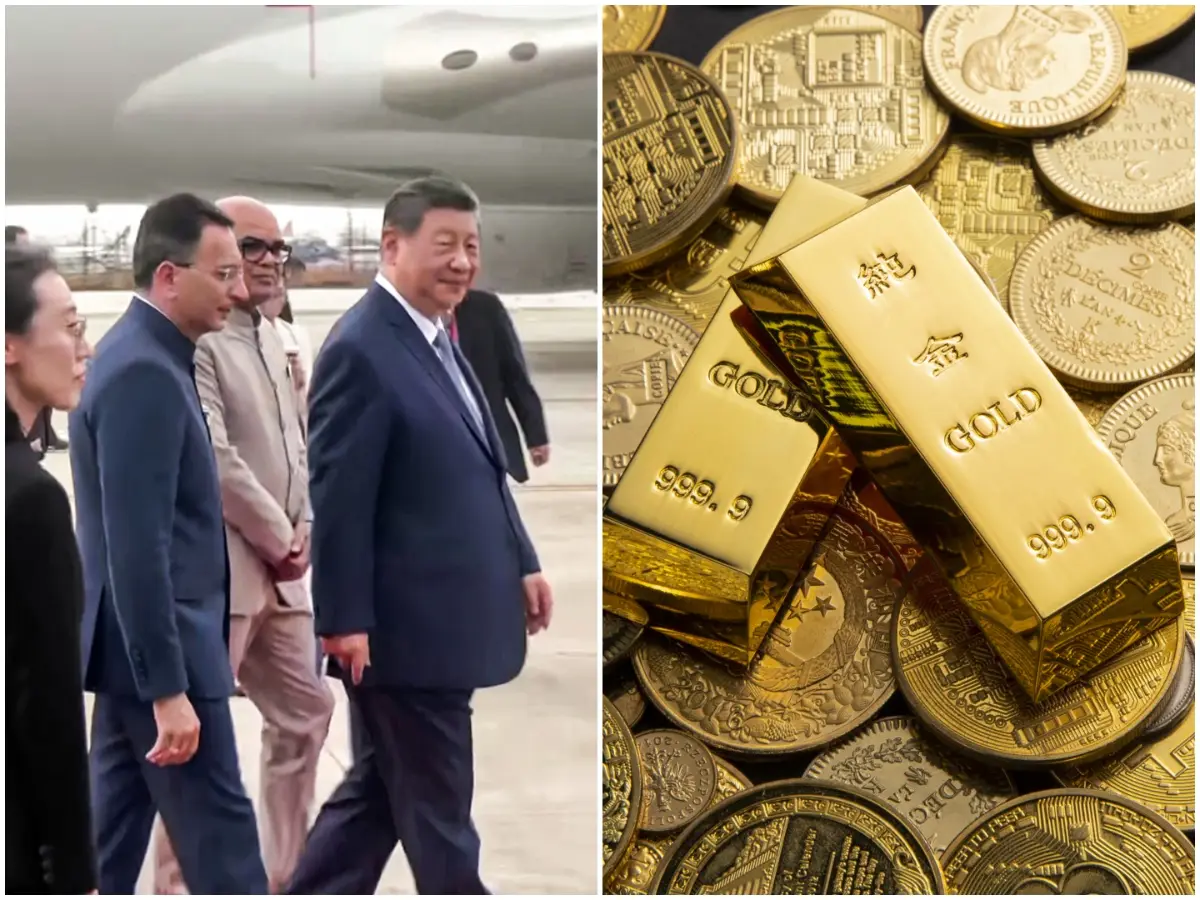
New Cold War: Why is China buying more gold? Explained
&imwidth=180&imheight=135&format=webp&quality=medium)
Nadella to be honoured with national medal of technology & innovation
&imwidth=180&imheight=135&format=webp&quality=medium)
IndiGo flight struck by lightning at 17,000 feet, nose of Patna-Lucknow flight damaged
&imwidth=180&imheight=135&format=webp&quality=medium)
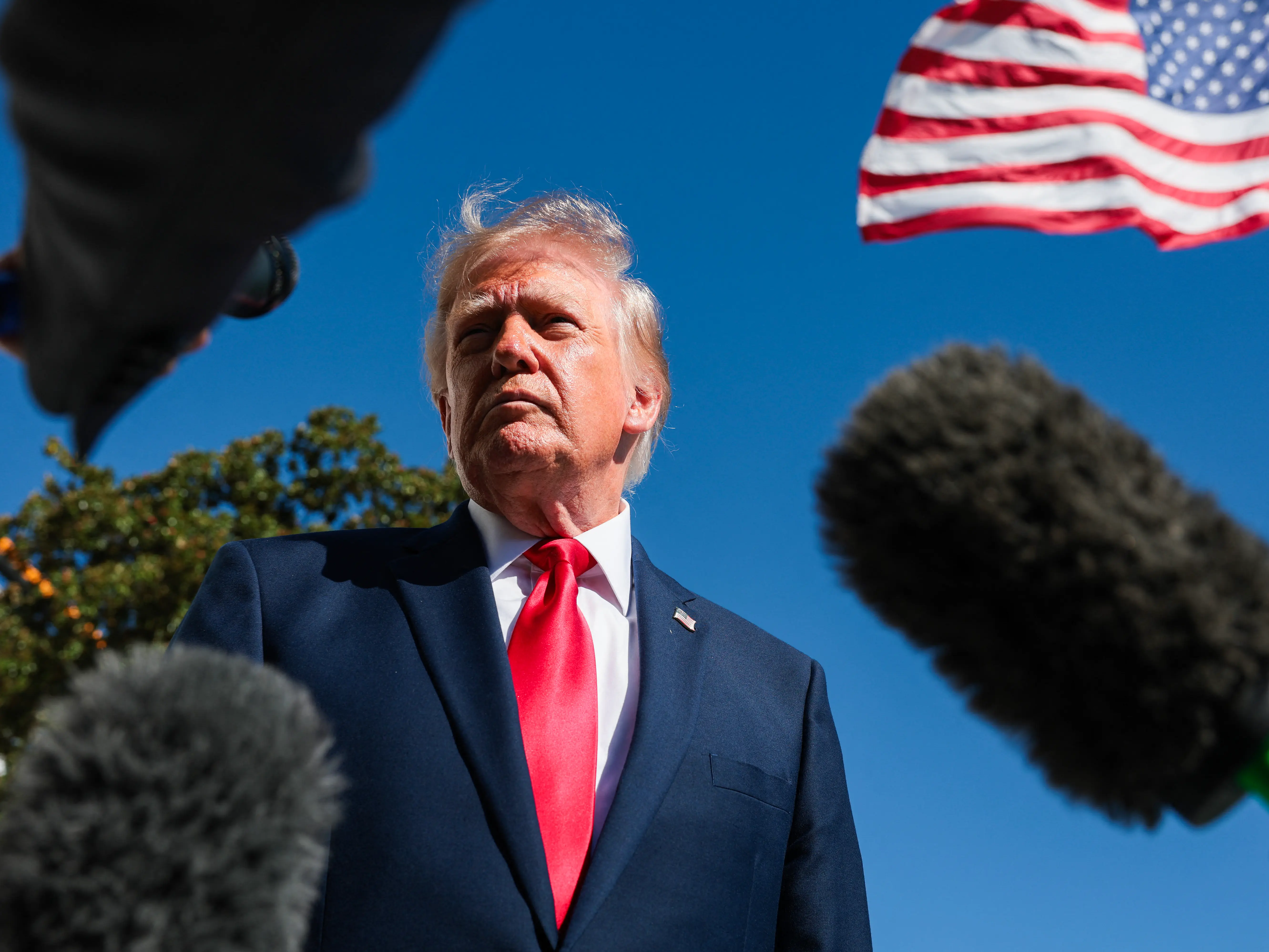
US readying to strike Iran? Report suggests Trump preparing to put on show of strength ahead of US midterms
&imwidth=180&imheight=135&format=webp&quality=medium)
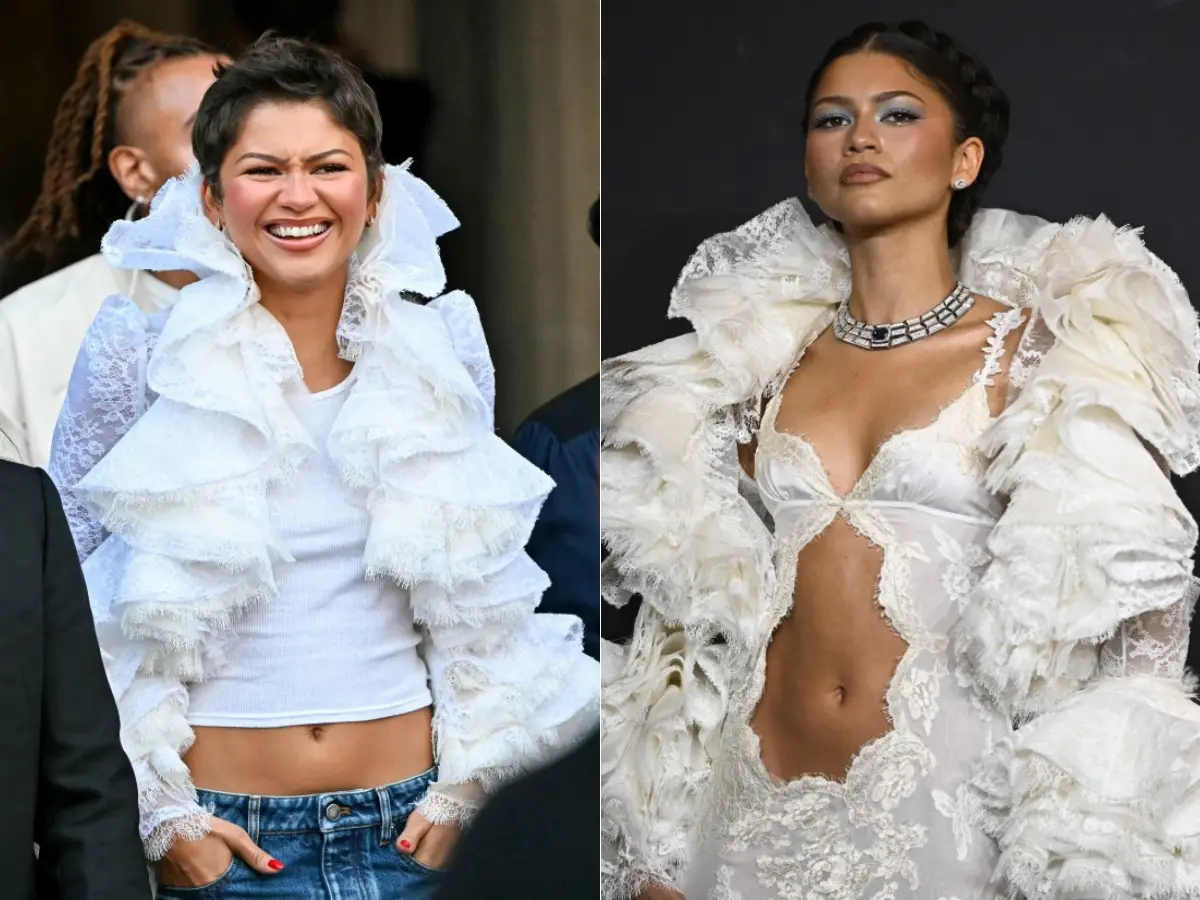
Zendaya gives The Odyssey white lace jacket a stylish twist at Paris Fashion Week 2026
&im=FitAndFill=(700,400)&imwidth=180&imheight=135&format=webp&quality=medium)
World’s top vehicle producers: Top 10 countries making the most cars. Check where India stands
&imwidth=180&imheight=135&format=webp&quality=medium)
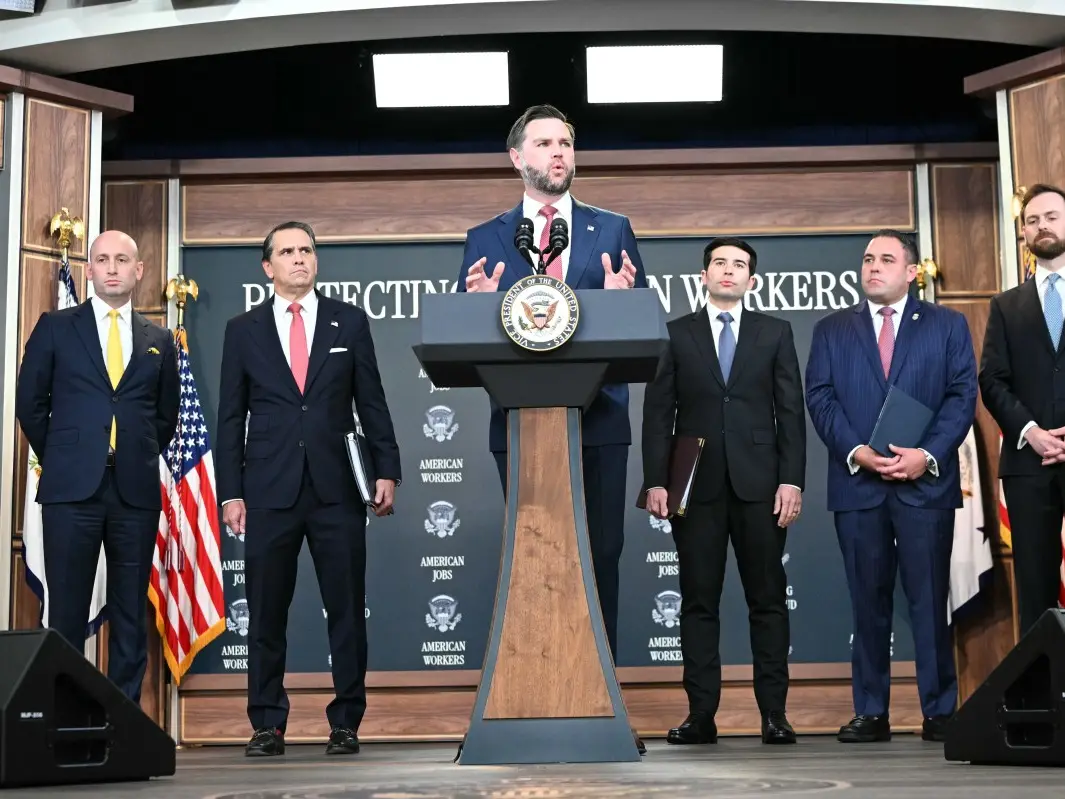
US suspends Microsoft, Infosys, Tata, Wipro from green card programme over alleged H-1B abuse
&imwidth=180&imheight=135&format=webp&quality=medium)
'We don't think so': Trump says Russian plague lab worker's death not linked to bio-weapon
&imwidth=180&imheight=135&format=webp&quality=medium)
Sri Lankan Tamil worker gets death sentence in Saudi Arabia over blasphemy, calls for pardon intensify
&imwidth=180&imheight=135&format=webp&quality=medium)
France protests: How a Gen Z school movement turned into a political war | The Verdict
Notably, after a Supreme Court order, the fountain area was sealed in 2022.
Speaking further Jain said, "The ASI has said that based on the scientific studies survey carried out study of architectural remains, exposed features and artefacts inscriptions, art and sculptures, it can be said that there existed a Hindu temple prior to the construction of the existing structure. A report of a total of 839 pages has been filed by ASI..."
The 839-page length report was filed by ASI.
Providing further details about the survey report, Jain said, "The ASI has said that Sculptures of Hindu deities and carved architectural members were found buried under the dumped soil... Existing architectural remains, decorated mouldings on the walls, a large decorated entrance gate, a small entrance with a mutilated image, and birds and animals carved for decoration in and outside suggest that the western wall are remaining part of a Hindu temple."
"The Arabic Persian inscription found inside a room mentions that the mosque was built in the 20th regnal year of Aurangzeb. Hence the preexisting structure appears to have been destroyed in the 17th century... Based on the scientific studies survey carried outstudy of architectural remains, exposed features and artefacts inscriptions, art and sculptures, it can be said that there existed a Hindu temple prior to the construction of the existing structure," he added.
He also said that an intricate study of pillars and plasters in corridors indicated that "Vyala figures carved on either side of the lotus medallion were mutilated and after removing the stone mass from the corners, that space was decorated with floral design."
"This observation is supported by two similar plasters still existing on the north and southern walls of the western chamber in their original place..."
Watch |Gravitas: Where are Ayodhya's treasures being kept?
The ASI conducted a scientific survey in response to a district court order from July 2023 to determine if the mosque was built over a pre-existing Hindu temple.
(With inputs from agencies)