GRAP Stage II implemented in Delhi-NCR to combat pollution. What does it mean?

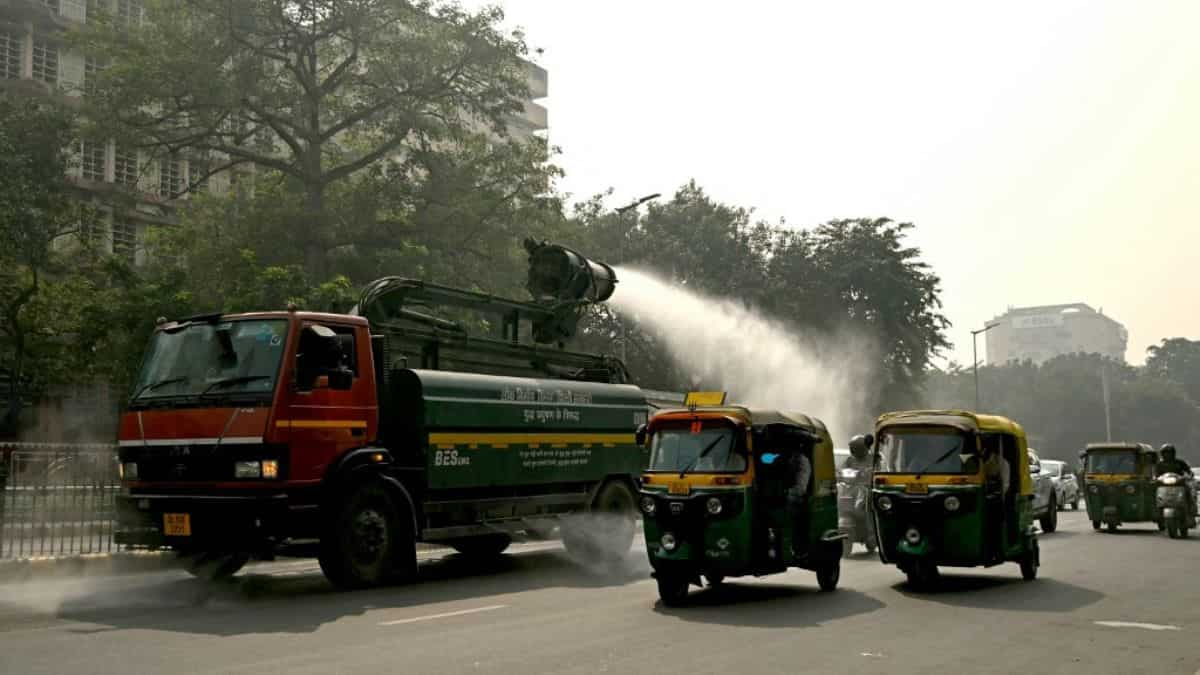
GRAP Stage II implemented in Delhi
The Commission for Air Quality Management (CAQM) has ordered the implementation of GRAP-II in Delhi-NCR as the air quality in the national capital deteriorates to the “very poor” category. The Air Quality Index was recorded in the city reached 349 at 8 am on Monday, October 21.
“In an effort to prevent further deterioration of the air quality, the Sub-Committee decided that all actions as envisaged under Stage II of the GRAP-Very Poor Air Quality be implemented by all the agencies concerned in the NCR, in addition to the Stage-I actions already in force, from 8:00 A.M. of 22.10.2024 in the National Capital Region (NCR),” the order dated October 21, 2024 read.

What does GRAP Stage II mean for the citizens of Delhi?
Delhi-NCR citizens are urged to follow and adhere to Graded Response Action Plan (GRAP) measures to curb pollution in the city. People are advised to minimise the use of personal vehicles and instead use public transport. The vehicle parking fees will be increased to discourage people from using private transport.
People are also advised to take less congested routes even if slightly longer and replace air filters in automobiles at regular intervals.
)
Sikh driver attacked in Wyoming in US, suffers 17 stab wounds
)
‘I have a big decision coming up’: Trump says he’s approaching major ‘crossroad’ in Iran war
)
US intel warns China can steal F-35 jets secret from Saudis
)
Former India player Diana Edulji wants Smriti Mandhana to replace Harman as skipper at the earliest
)
Pak defence minister says 'time has come to implement pact'
&im=FitAndFill=(700,400))
Meet top 5 batters in the latest ICC T20I Rankings
)
Formula One reveals the 2027 race calendar; Monaco to host sprint race for the first time
)
All Indian goods to get duty-free access to New Zealand
)
AI already defying, denying humans, is it beyond human control already?
)
US F-16 fighter jet crashes in Michigan during training mission, pilot ejects safely
)
240-million-year-old bizarre 'pig with a tusk' creature creates new dilemma over origin of dinosaurs
)
US to sell 48 F-35 Lightning fighter jets to Saudi Arabia, help it deter threats
)
Hong Kong unveils 11 new measures to boost birth rates, offers higher cash bonuses and housing perks
)
Former OpenAI researcher warns of growing risks from Artificial Intelligence
)
Australian athlete, who soiled herself during Hyrox race, apologises for continuing
)
Tata Trusts chairman Noel Tata calls Chandrasekaran’s reappointment ‘illegal’, rejects Tata Sons listing
)
Dolly Parton dies at 80: Country legend’s team reveals cause of death
)
Fed raises rates for first time in 3 years, Kevin Warsh defies Trump as inflation mounts
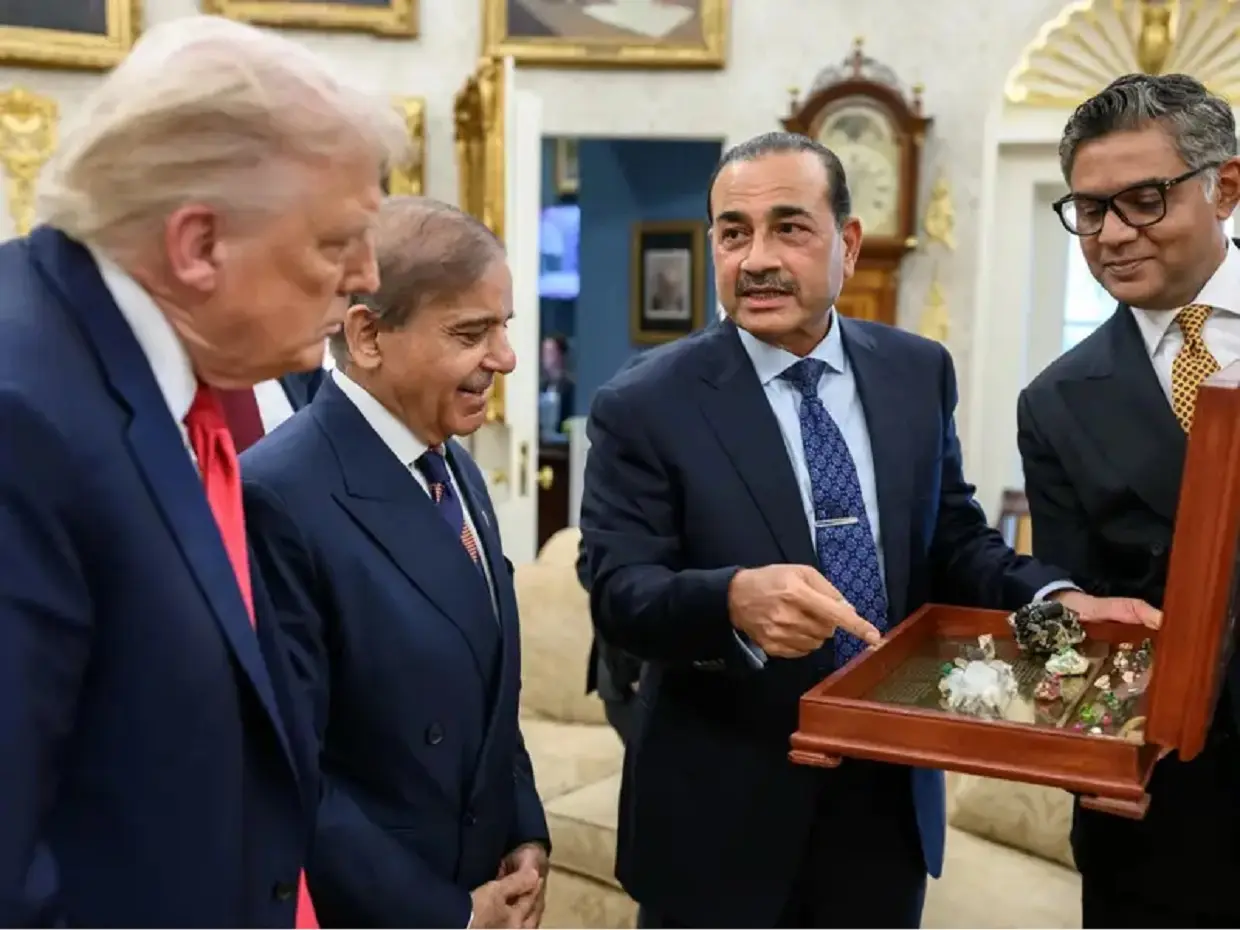)
US drone firm linked to Trump’s sons signs MoU with Pakistan army, gets initial order
)
Pak batter Rizwan's petition against being questioned by cyber crime agency rejected by court
)
Daayra movie review: Kareena Kapoor, Prithviraj Sukumaran shine in Meghna Gulzar’s cop-versus-cop crime thriller
)
Epstein files: Judge warns Trump Attorney General Todd Blanche of contempt over DOJ delays
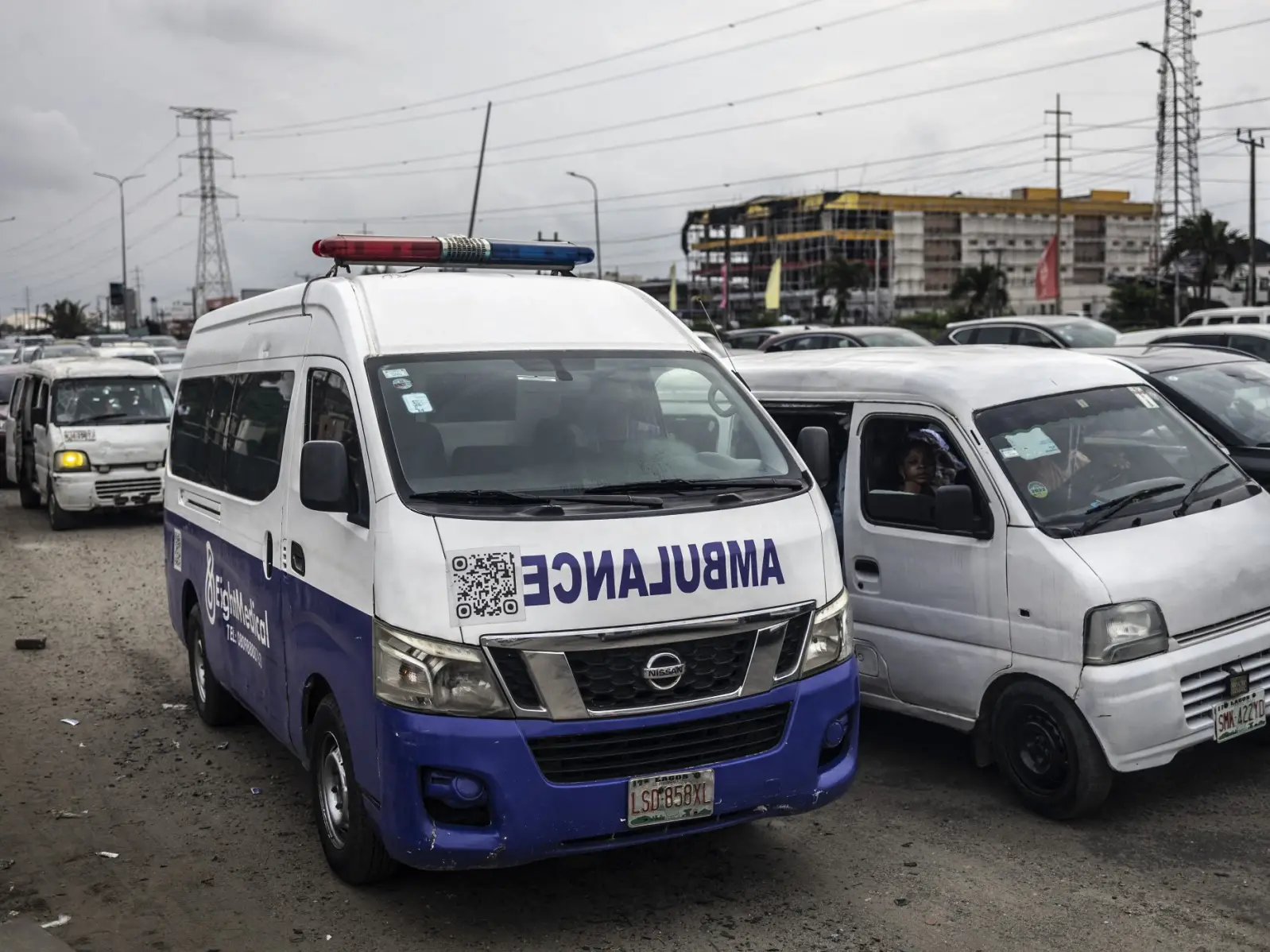)
At least 48 dead, 100 hospitalised in Nigeria after drinking suspected methanol-laced alcohol
)
US-Iran War: Trump says ‘big decision’ on Iran ahead, weighs possible fresh military action
)
Trump could impose tariffs of up to 100%
)
US new military base in Poland: US President Donald Trump eyes military base in Poland
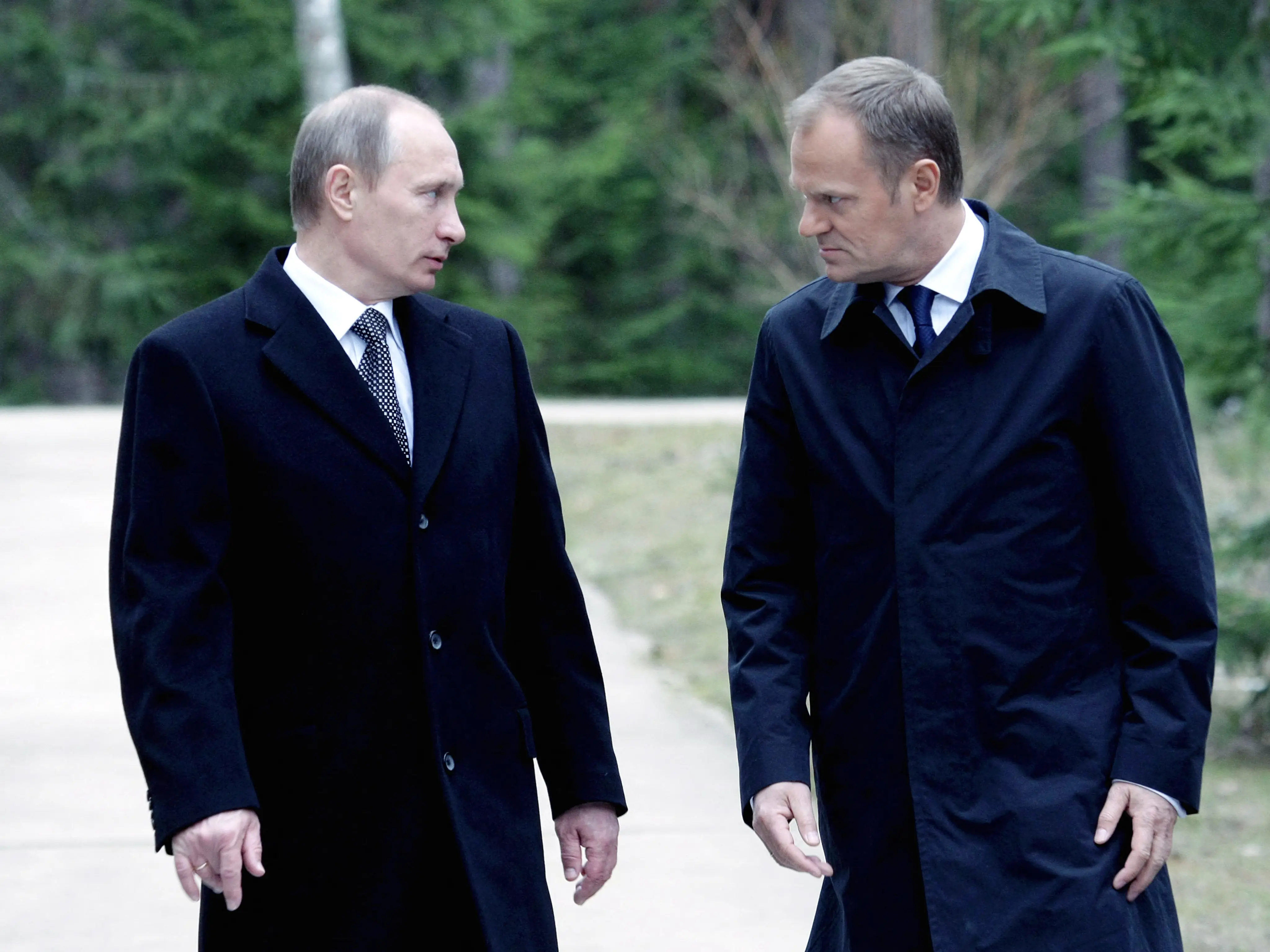)
Putin 'is plotting something bad': Russia may launch 'accidental' strikes on NATO countries supporting Ukraine, Poland PM warns
&im=FitAndFill=(700,400))
Suriya and Jyothika say ‘I do’ again after 20 years! See their dreamy wedding pics
)
Laura Wolvaardt sets new world record for most WT20I runs in a year
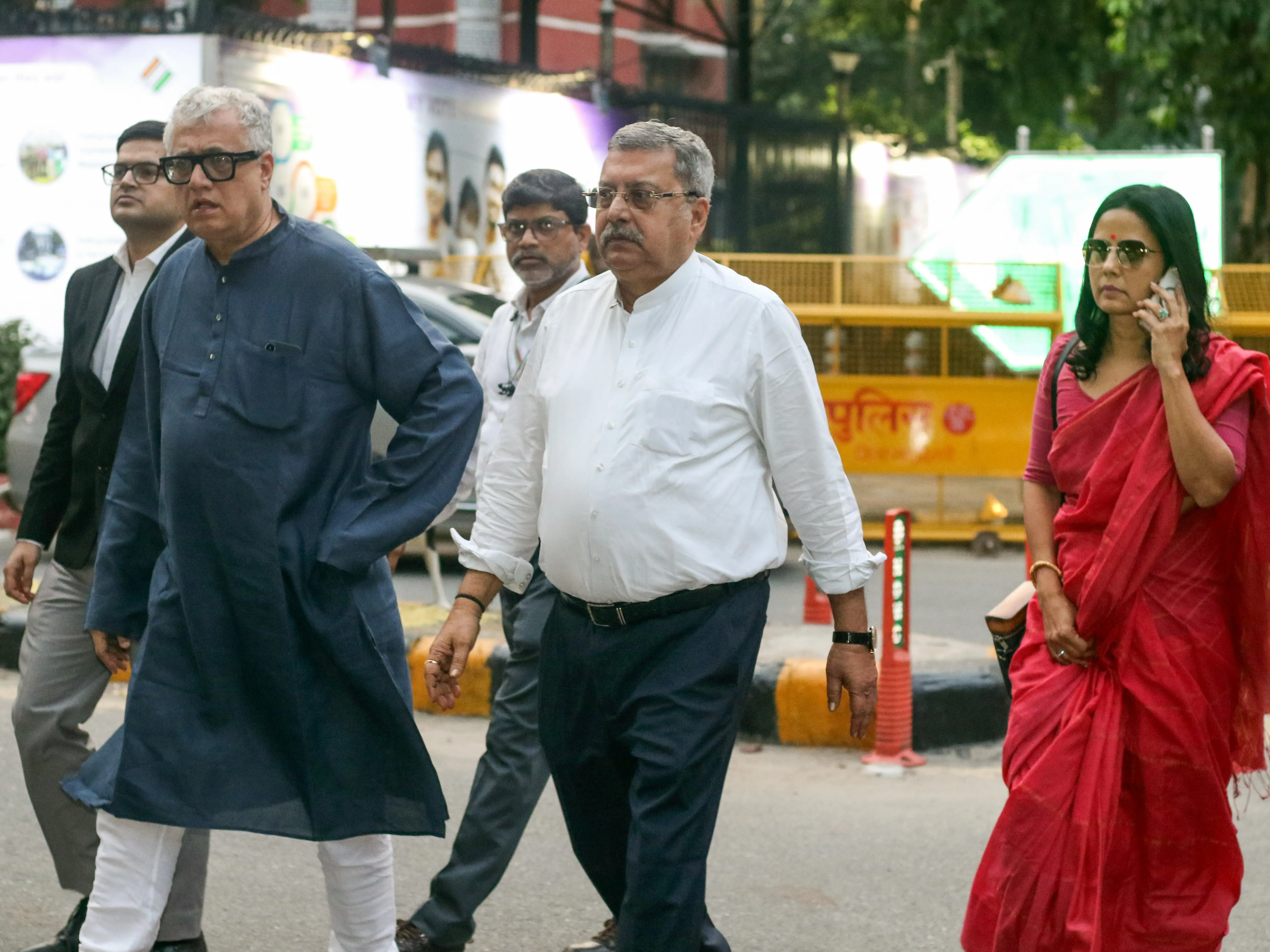)
Mahua Moitra moves UN over alleged exclusion of Muslim officers from Amit Shah events
)
Pezeshkian, Araghchi set to attend UNGA 2026 in New York amid ongoing conflict as US-imposed travel curbs remain
Residents are recommended to avoid any construction activities that may generate dust from October to January. Open burning of solid waste and biomass is also advised to be avoided.
Also read |E-challans for expired pollution certificates: India's ‘e-detection’ system to combat pollution
What instructions are given to authorities under GRAP Stage II?
Authorities are to carry out mechanical or vacuum sweeping and water sprinkling on identified roads every day. Water sprinkling and dust suppressants are to be sprayed on roads at least every alternate day during non-peak hours to control the dust, especially in heavy traffic areas and hotspots.
Proper disposal of the collected dust at designated sites or landfills is to be ensured. Regular inspections are to be done at construction sites to ensure strict enforcement of dust control measures.
Authorities are to ensure focused actions to control air pollution in identified hotspots and take measures to address the causes of each hotspot.
Adequate personnel are to be deployed at intersections and traffic congestion points to ensure a smooth flow of traffic. The frequency of bus and metro services is to be increased. Uninterrupted power supply is to be maintained to avoid the use of generators.
(With inputs from agencies)

