GES 2017: Paucity of women directors in Indian cinema, notes Rajya Sabha MP Dr Subhash Chandra

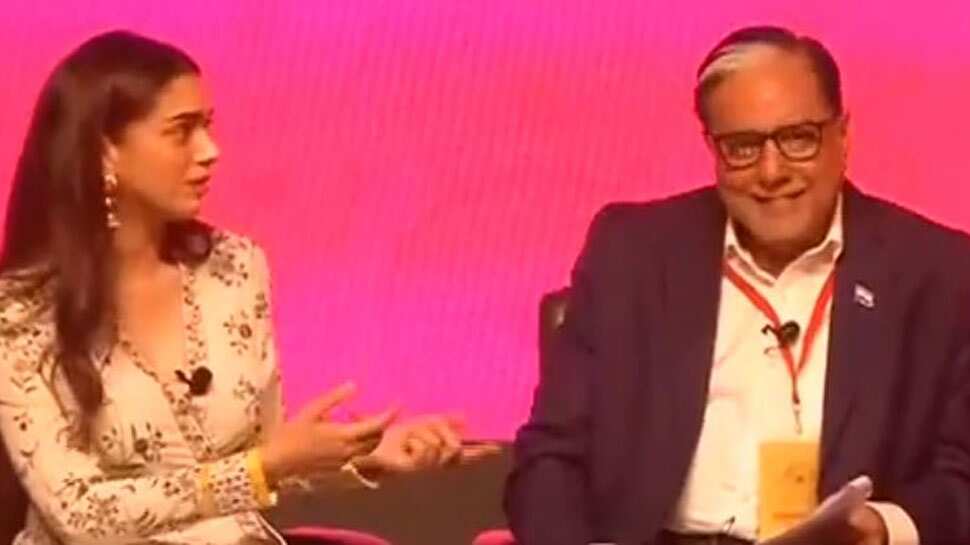
Rajya Sabha Member Dr Subhash Chandra
Dr Chandra conducted a session on the 'Future of Cinema'
Day two at the Global Entrepreneurship Summit continued to be replete with thought-provoking sessions in which women entrepreneurs, world leaders, and a number of eminent personalities discussed various aspects of global entrepreneurship and how women can attaingreater and more active participation in it.
In an attempt to understand the business behind the world of cinema and entertainment, Rajya Sabha Member Dr Subhash Chandra moderated an engrossing session on the 'Future of Cinema'. The panellists included Bollywood actress Aditi Rao Hydari, Bollywood producer and director Ronnie Screwvala, and Onyekachi Stephanie Linus Idahosa, CEO, Next Page Productions.
While many understand cinema as a world of glitz and glamour, not many understand the science behind running the industry as a business, noted Dr Chandra.

Under Dr Chandra's moderation, the panellists were met with a series of questions about the role of women in Indian and global cinema and the hurdles in their careers faced by them.
"I think the position of hierarchy in Indian cinema has changed. Gender-centric distinctions must go. There is no creative control in Indian cinema," Aditi Rao Hydari said.
&im=FitAndFill=(700,400))
National Handloom Day 2026: From Alia Bhatt to Samantha Ruth Prabhu; Actresses who celebrated India's textile heritage as brides
)
The Royals enter the Doctor Who universe: King Charles and Queen Camilla beam into Commonwealth Games in TARDIS
)
Unitree Robotics targets $9 billion valuation in landmark IPO backed by DeepSeek and Tencent
)
India names 27 sites in Arunachal Pradesh
)
Bharat Bhhagya Viddhaata OTT: When will Kangana Ranaut's film stream online?
&im=FitAndFill=(700,400))
How many soldiers operate one S-400 battery?
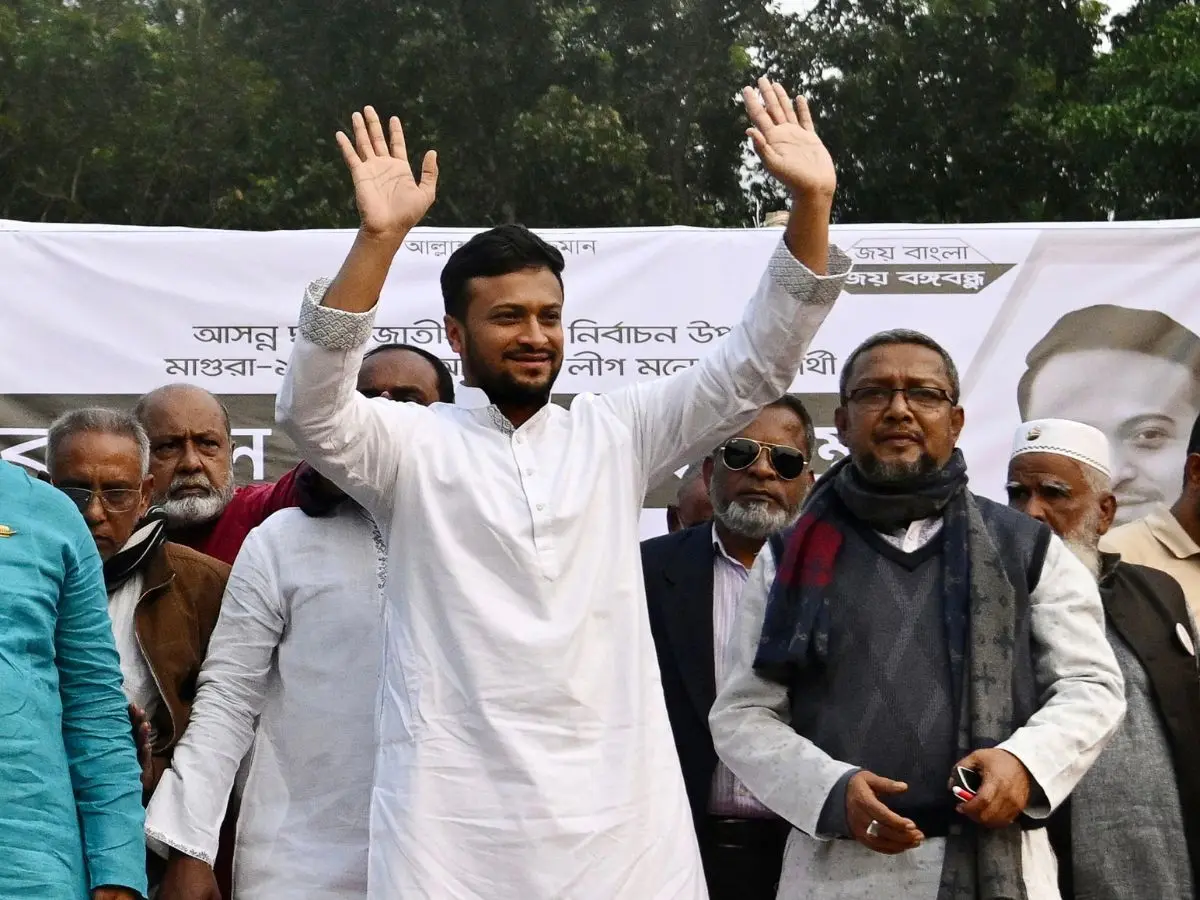)
Shakib Al Hasan ready to return to Bangladesh—under one condition
)
‘Fake news’: MEA rejects report claiming India sought defence pact with Israel after Pakistan, Saudi Arabia, Turkey deal
)
Rockstar to unveil GTA 6 extended look ahead of November launch
)
Russia forms Ukrainian Volunteer Spetsnaz Brigade to fight Ukraine
)
Drug-resistant fungus that hides in hair and enters bloodstream reported in 23 US states
)
Technology transfer deal boosts India's defence manufacturing ambitions
)
Border row erupts in Europe after Ceuta crossings, Spain imposes border controls on Italy
)
Morale plummets on USS Abraham Lincoln: Are US sailors reaching a breaking point? | GRAVITAS
)
'Security can't be bought with Pakistan, Turkey deal': Iran tells Saudi Arabia
)
Baba Vanga's 2026 prophecy: 2 predictions 'already came true', 3 terrifying ones remain. Details inside
)
Colombia’s new president Abelardo de la Espriella vows to ‘defeat narco-terrorists’, signals hardline shift
&im=FitAndFill=(700,400))
New Friday OTT releases (August 7, 2026): Operation Safed Sagar, Vadhandhi, Main Vaapis Aaunga- 6 movies and TV shows on Netflix, Prime Video and more
)
Squadron Leader Bhawana Kanth scripts history as Indian Air Force gets its first woman ‘Top Gun’ pilot
)
RSS says Gen Z protests reflect genuine distress
)
Trump says Iranian school bombing photos could be AI-generated - 'I don’t think...'
)
IAF officer held for sharing sensitive information in 'honey trap' case, booked under Official Secrets Act
)
Stray Kids under scrutiny? Fans react to Grammy submission silence after BTS boycott
&im=FitAndFill=(700,400))
Why the Su-30MKI doesn't need external fuel tanks to fly vast distances
)
Jugal Hansraj reunites with Shekhar Kapur after 40 years for Masoom: The Next Generation
)
New speed limits, automatic challans: Big traffic change coming to Delhi-Meerut Expressway. All you need to know
)
India officially names 27 places in Arunachal to counter China's renaming claims
)
Trump calls White House ballroom ruling a 'national disgrace' as court says Congress approval needed
)
US sanctions Iran’s crypto network after Strait of Hormuz attacks, offers $15m bounty for intel on IRGC finance
&im=FitAndFill=(700,400))
Why the Su-30MKI is one of the heaviest fighters ever built
)
Uttarakhand young innovator builds India's own flying vehicle, conducts first test flight: WATCH
)
Chilling video shows students take cover as teen opens fire at Thai school
)
Reese Witherspoon's father hospitalised after poolside incident in Nashville: Report
Dr Chandra also reflected on the need for trained talent in the media and film industries. He noted the paucity of women directors in Indian cinema.
Rajya Sabha Member Dr Subhash Chandra on the paucity of women directors in the industry. (WION Web Team)
Screwvala talked at length about the necessity of trained personnel and how a piece of art, like a movie, needs to be both a good product and be able to generate revenue. "I think passion alone will not work, you will need to have talent, skilled knowledge of the craft. A good script is a must, otherwise the movie will bomb, aiming to generate revenue is also a necessity."
Dr Chandra also stressed the role of technology in the world of cinema. "It is the power of the digital platform that will enable a marriage between the digital entities -- YouTube et cetera -- and traditional cinema. Every product has a shelf life, once the movie is off theatres, it will cross over to television or to the internet," Dr Chandra noted.
"Technology has made film-making cheaper. Technology has made the vision of movie-making bigger," said Ronnie Screwvala.
"Technology is changing every aspect of cinema. Earlier we used to watch only the national channel, now there is Netflix, YouTube and so much more for our entertainment," said Onyekachi Stephanie.
Availability of easy funding for creative projects was one of the topics discussed. Panellists spoke of hurdles faced by the creative industry in getting funding and where women tend to face greater challenges.
"Our government never funded our movies, it was difficult," Stephanie said.
"Even I have faced struggles when I wanted to get funding for my television ventures," said Dr Chandra.
The panellists pushed for the greater participation of women, with skill-based training, in the creative industry. They also noted the need to end gender bias and sexism and to make the industry's environment conducive to women.
"Sexism does exist, but you can still do things your way. It will take longer and will require more conviction, there will be people who will recognise your talent and appreciate what you bring to the table," reasoned Aditi Rao Hydari.