
&imwidth=800&imheight=600&format=webp&quality=medium "FCRA Amendment Bill: Centre seeks consensus on JPC as opposition, Church groups raise concerns")
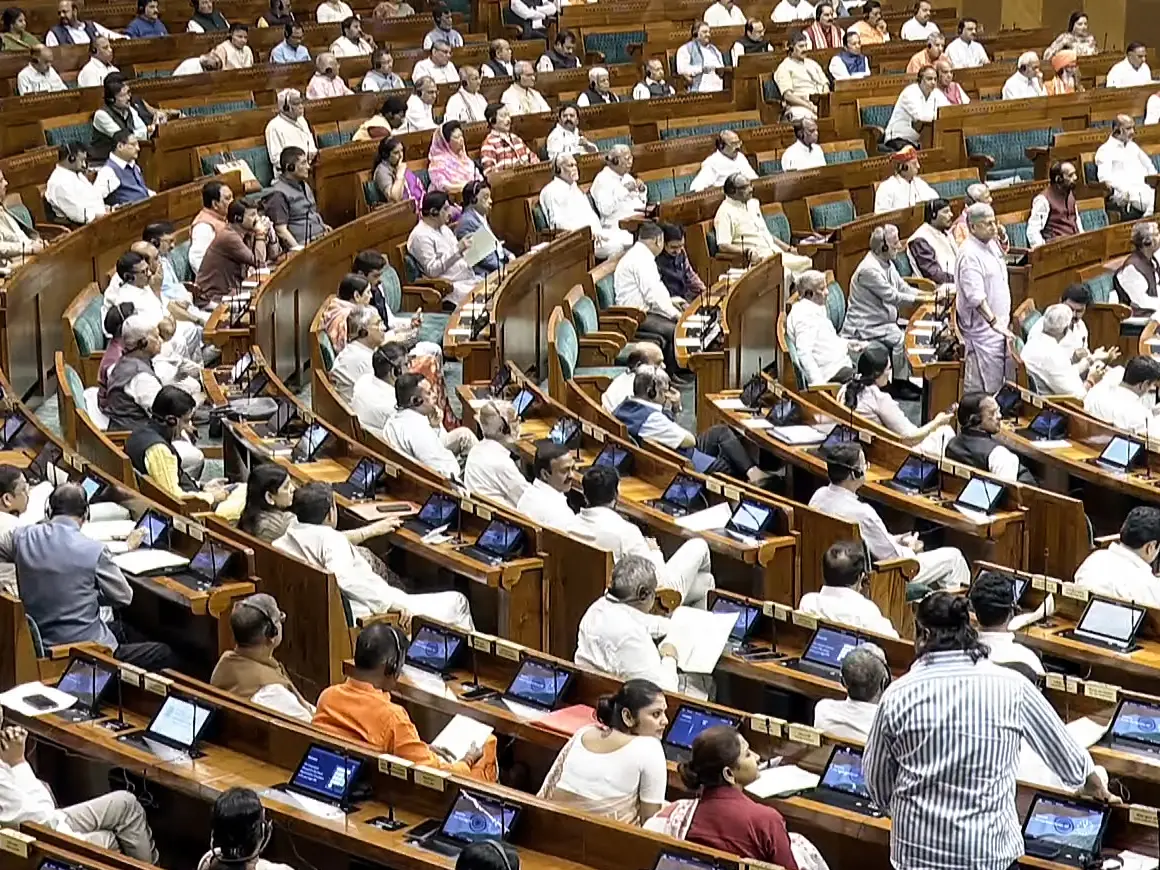
The Centre is making efforts to build political consensus on referring the contentious Foreign Contribution (Regulation) Amendment Bill, 2026 to a Joint Parliamentary Committee (JPC), amid continued opposition to the proposed legislation, people familiar with the matter said on Tuesday. The government has been reaching out to political parties as well as stakeholders, including Church representatives and non-government organisations, to address concerns over provisions of the bill, which was introduced in the Lok Sabha in March.
A BJP lawmaker said the government has taken note of concerns raised by several political parties and civil society groups. Union Home Minister Amit Shah has also assured Mizoram Chief Minister Lalduhoma that the amended FCRA provisions will not be applied retrospectively. “…We are in touch with parties and what we have gathered is that some are in favour of sending the bill to a JPC. The Congress and the TMC [Trinamool Congress] are against it…but discussions with other parties are ongoing,” said the BJP lawmaker and added the government is also reaching out to the Dravida Munnetra Kazhagam (DMK) to agree to a JPC.
The lawmaker said Parliamentary Affairs Minister Kiren Rijiju is leading the government's outreach to Opposition parties in an attempt to secure agreement on referring the bill to a JPC. “There are several parties that have demanded scrapping the bill entirely. While some have concerns about specific provisions…now these can be examined and discussed in detail. The government has refuted the perception that the bill will adversely impact minorities or social organisations,” the BJP lawmaker said.

The government's move comes amid growing political pressure over the proposed changes. Opposition parties and several organisations have raised concerns about the potential impact of the legislation on NGOs, charitable institutions, religious organisations and other entities that receive foreign contributions. The bill seeks to amend the existing Foreign Contribution (Regulation) Act, 2010, including provisions dealing with foreign-funded assets, registration, penalties and investigations. The proposed legislation would create a framework under which foreign contributions and assets could be placed under the control of a designated authority in certain circumstances.
Also Read: PM Modi, Amit Shah, and Gandhis: Top leaders attend wedding reception of Supriya Sule’s daughter
FCRA Bill unlikely to be taken up this session
Trending Stories
)
Mushtaq Khan dies at 56: When Welcome actor opened up about his salary for iconic role Ballu
)
US Supreme Court backs Trump administration's use of SAVE database to check voter citizenship
)
Heart of the Beast review: Brad Pitt leads a gripping tale of survival and loyalty
)
Outrage erupts after 3-year-old is married to 60-year-old man in Pakistan, link to her sister's murder being probed
)
Pakistan deploys over 20,000 security personnel as PTI vows march for Imran Khan's release
)
Asian Games: Shooting spree continues as India win silver in women’s 50m rifle 3P team event
)
‘Not just a local tragedy’: Nepal PM Shah warns UN of growing climate threat, says Nepal floods were 'a warning to the world'
)
OpenAI AI Agents hacked 4 websites before Hugging Face, researchers reveal
)
Pentagon quietly adds 37 wounded troops to Iran war tally without explaining when or how
)
Asian Games 2026: India women’s kabaddi team edge Iran 37-34 to clinch 3rd gold medal
)
Saudi Arabia still harbours intent to develop nuclear weapons, reveals US intelligence: Report
&im=FitAndFill=(700,400))
New Friday OTT releases (September 25, 2026): Don’t Be Shy, Hunkkaar: The Roar, Mango Pachcha- 6 movies and TV shows on Netflix, Prime Video and more
)
Yemen's war escalates: Saudi-backed leader calls for general mobilisation against the Houthis
)
‘Attack on Mecca a red line for Pakistan’: Shehbaz Sharif warns Houthis at UN
)
Tesla is preparing something big for Optimus: new Gen 3 models surface in app
)
Bias or safety concerns? Bengaluru CEO says firm will not hire men from UP, Bihar, Rajasthan, MP. Here's why
)
Did Hitler kill his niece Geli Raubal? Newly found records reopen a 95-year-old mystery
)
Indian diplomat Petal Gahlot raises deteriorating situation in Pakistan-occupied Kashmir in right of reply at UN
)
Nigeria Navy moves to boost oil security, tackle crude theft and infrastructure threats
)
Scientists detect first radio signals directly from faraway planet
)
‘It is all possible’: Putin weighs next steps on Ukraine talks, rules out Europe conflict
)
10,000 gather in support of 87-year-old forcefully evicted from home of 71 years
)
Trump rejects Iran's 7-day ceasefire proposal as US weighs renewed bombing after midterms: Report
)
Red Sea crisis: Houthis promise not to target European ships; UNSC condemns Saudi attacks
)
Gaza's war turned environmental damage into second crisis
)
Saudi oil exports surge despite Iran war
)
Trump-Xi summit wrap: Big pageantry, Iran talks, few major developments and more meetings planned
)
'Making history': Xi Jinping praises Trump as US-China leaders dine at White House
)
India's UN Envoy slams Pakistan: 'They claim security by day, terrorism by night'
)
Jay-Z rape case: Accuser says allegations were false, never met rapper
)
Myanmar training camp case: US national, 6 Ukrainians allowed to meet their families abroad
)
'FIRST LOOK from inside Noah’s Ark': Researchers share video from inside mysterious mound in Turkey
)
Cindy Crawford’s son Presley Gerber cremated as death probe continues
)
India's insurance regulator overhauls policies
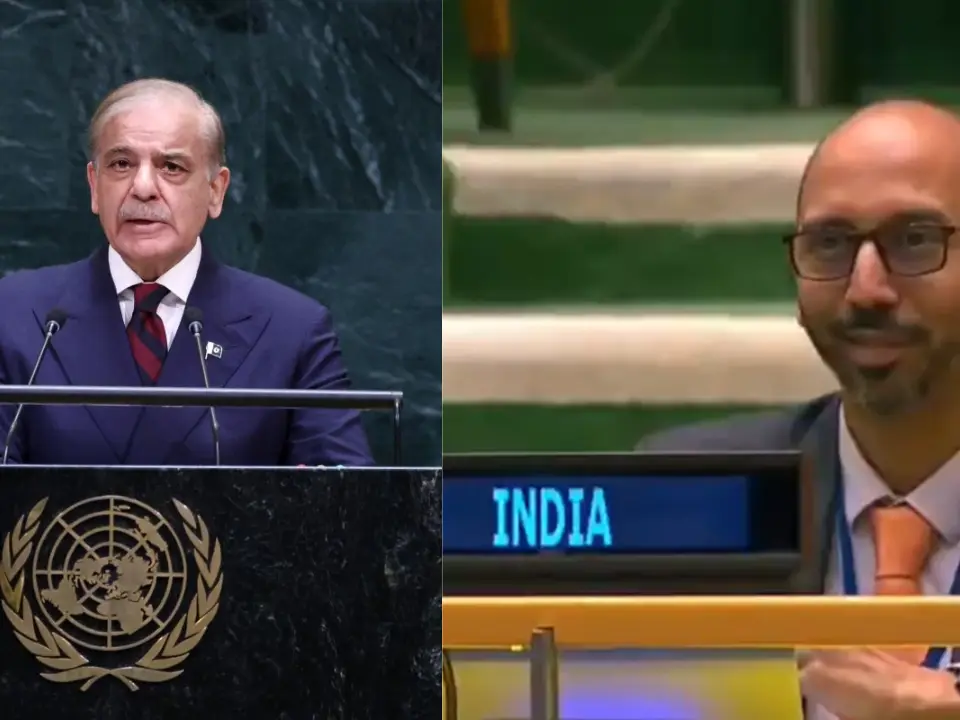)
WATCH | As Shehbaz Sharif claims Pakistan’s ‘victory’ during 2025 conflict, Indian diplomat R Srinivas laughs at UN
)
‘Goal is to win it’: Virat Kohli confirms 2027 ODI World Cup will be his final tournament for India
)
'A terrorist country is asking me that question?': Jaishankar hits back at Pakistani journalist at UN; flags attacks on commercial shipping
)
US court backs Pentagon's decision to exclude Anthropic over Claude AI restrictions
With the Monsoon Session of Parliament scheduled to conclude on Friday, the chances of the FCRA Amendment Bill being taken up for detailed discussion and passage appear limited. A second BJP leader said the bill is unlikely to be taken up during the remaining days of the session. However, if the government manages to reach a consensus on the JPC proposal, it could make a statement in Parliament announcing the decision to refer the legislation for further scrutiny. The bill's absence from the final days of the Lok Sabha agenda has already fuelled speculation that the government may be considering a more cautious approach to the contentious legislation. A JPC would allow lawmakers from both Houses of Parliament to examine the provisions in greater detail and hear representations from stakeholders before submitting recommendations.
BJD open to JPC scrutiny
The Biju Janata Dal (BJD) has indicated that it is not opposed to the bill being examined by a JPC. A BJD lawmaker said several provisions require closer examination, particularly those relating to administrative procedures and the functioning of organisations involved in education and healthcare. “There are some issues that need to be addressed, such as administrative procedures and processes that should not create problems for organisations that work in the sectors of education or health care,” said the BJD lawmaker.
The party also raised concerns about organisations that may have opaque foreign funding or divert funds from their stated purpose. “There should be scrutiny of international organisations that have opaque funding; those which divert funds meant for one particular purpose to another and those organisations that are involved in proselytisation… But if any organisation gets caught in administrative lapses and loses their licence, there has to be recourse for that.” The BJD's position could be significant as the government seeks support beyond its immediate allies for a JPC referral.
Church representatives meet Amit Shah
Concerns over the FCRA Bill have also come from Christian organisations and Church representatives. A delegation led by DMK lawmaker P Wilson met Amit Shah and submitted a memorandum outlining its objections to the proposed legislation. The delegation argued that the bill, which changes the framework governing charitable, educational, medical and religious property linked to foreign contributions, should not be passed without extensive pre-legislative scrutiny. The memorandum called for the bill to be referred to a JPC.
The delegation also argued that a JPC would be more appropriate than a Department-Related Parliamentary Standing Committee because the proposed changes cut across the jurisdiction and concerns of multiple ministries.
It said no single departmental committee would be adequately placed to examine the issues in their entirety.
What does the FCRA Amendment Bill seek to change?
The Foreign Contribution (Regulation) Amendment Bill, 2026, proposes several changes to the existing framework governing foreign contributions received by eligible organisations in India. Among its key provisions are changes relating to the receipt and utilisation of foreign contributions, treatment of assets when an organisation's registration is suspended or ceases, cancellation and non-renewal of registration, penalties and investigation procedures.
The bill also proposes a designated authority to oversee foreign contributions and assets in specified circumstances.
The government has argued that the amendments are intended to address administrative and legal gaps in the existing law, strengthen oversight and prevent misuse of foreign funds. Opponents, however, have questioned whether the proposed powers could create difficulties for NGOs, charitable institutions, healthcare and educational organisations and religious bodies that depend on foreign contributions.
Why is the government considering a JPC?
A JPC could provide the government with a way to move the legislation forward while allowing Opposition parties and affected stakeholders greater opportunity to examine its provisions. For the government, securing consensus on a JPC could also help break the current political deadlock without immediately withdrawing the bill.
For the Opposition and stakeholder groups, however, the key demand remains broader scrutiny, and some parties have called for the legislation to be withdrawn altogether. Mizoram has emerged as an important voice in the debate because of concerns among Christian organisations and institutions in the northeastern state. Following his meeting with Amit Shah, Lalduhoma said he had received an assurance that the proposed changes would not have retrospective effect.

