Delhi lifts GRAP-3 restrictions as schools and government offices resume regular operations

&imwidth=600&imheight=450&format=webp&quality=medium "Delhi lifts GRAP-3 restrictions as schools and government offices resume regular operations")
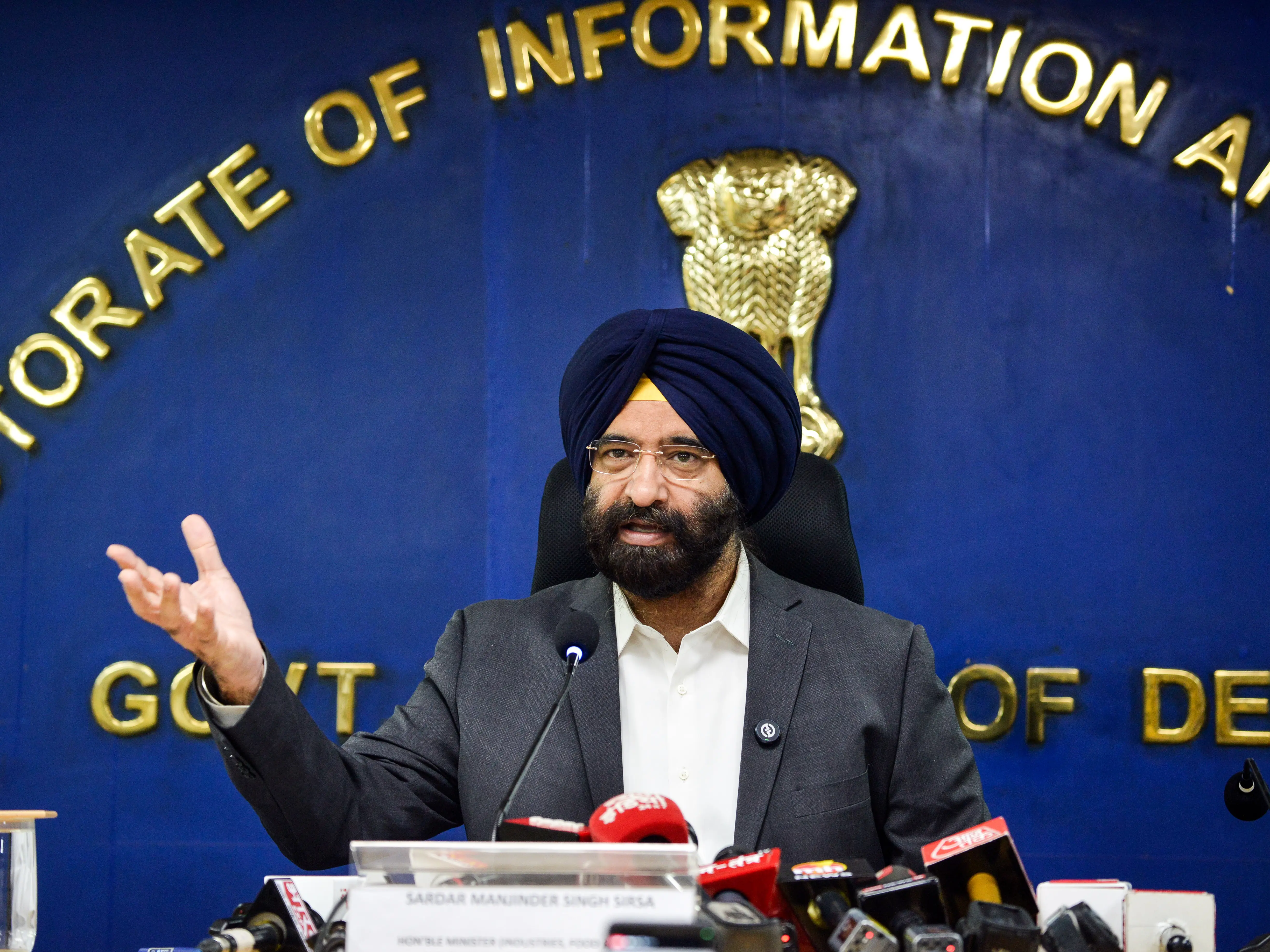
Manjinder Singh Sirsa Photograph: (ANI)
Delhi lifts GRAP-3 restrictions, resuming physical work and school attendance. However, Stage 1 and 2 guidelines remain enforced
On Wednesday (November 26), Delhi's Environment Minister, Manjinder Singh Sirsa, announced the removal of GRAP-3 restrictions in the capital. In a video statement, Sirsa clarified that while the stringent Stage 3 guidelines had been lifted, Delhi will continue to follow GRAP-2 measures. He explained that this development means the 50% work-from-home policy for government offices has been rescinded, and schools will return to in-person classes, ending the hybrid model that had been in place.
The announcement followed the Commission for Air Quality Management (CAQM) decision to revoke the Stage 3 curbs, citing an improvement in air quality. However, Stage 1 and Stage 2 guidelines, which are less restrictive, will remain in force, with stricter enforcement. The air quality index (AQI) in Delhi was recorded at 327, which is categorised as 'very poor.' Although the situation has improved in recent days, the IMD and IITM forecasts suggest that the air quality may continue to stay in this range for the coming days.
Also Read: Delhi emerges as India’s most polluted region: Here's what CREA study finds more on major AQI breach
The CAQM also made it clear that construction and demolition sites that had previously been closed for violations will not be allowed to reopen unless granted specific permission from the Commission. Authorities have been instructed to closely monitor and enforce compliance with Stage 1 and 2 measures to prevent a worsening of air quality. Officials highlighted that while Stage III restrictions have been lifted, the winter season still poses challenges due to adverse weather conditions.
Also Read: ‘Like cancer’: Kangana Ranaut slams Mamata over SIR, says nation wants removal of infiltrators
The sub-committee mentioned that it will monitor Delhi's air quality closely and reassess the situation regularly. Any further actions will be based on real-time AQI data and forecasts from the IMD and IITM.
Trending Stories
)
)
)
)
)
)
)
&im=FitAndFill=(700,400))
)
)
)
)
)
)
)
)
)
)
)
)
)
)
)
)
)
)
)
)
)
)
&im=FitAndFill=(700,400))
)
)
&im=FitAndFill=(700,400))
)
)
)
)
)
)
)
)

