

&imwidth=800&imheight=600&format=webp&quality=medium "Delhi blast suspects used ‘dead drop’ emails to plan attacks, reveals probe")
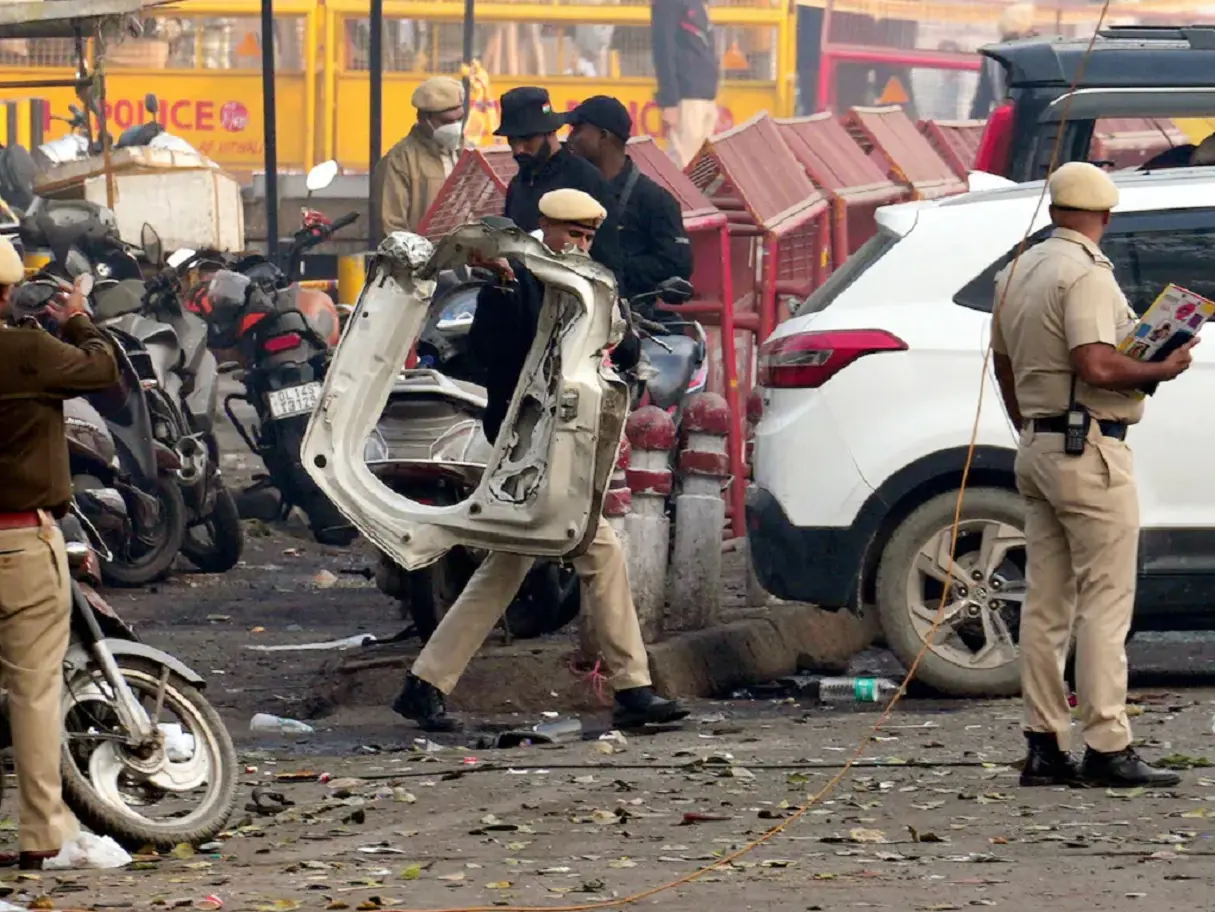
The investigation into the car explosion near Red Fort in Delhi has revealed that the suspects used the covert ‘dead drop’ email method to communicate to plan terror activities in order to evade getting caught by internet surveillance, sources said. The probe into the 10 November terror attack has disclosed that the three arrested doctors linked to Al Falah University used the ‘dead drop’ email technique to communicate. This method, often used by terror groups, ensures safe exchange of information with minimal digital traces.
What is ‘dead drop’?
The dead drop, a term used in espionage terminology, was used to secretly pass information or items in a clandestine fashion without face-to-face interaction at a common location. It was a covert method that was used quite extensively during the Cold War to pass information, instructions, or objects between agents.
The physical dead drop method was used digitally, and terror groups like the Islamic State, al Qaeda, and al Shabaab used online dead drops to store and disseminate information.
Trending Stories
&imwidth=180&imheight=135&format=webp&quality=medium)
Other Mommy leads North American box Office as Verity, Resident Evil round out top four
&im=FitAndFill=(700,400)&imwidth=180&imheight=135&format=webp&quality=medium)
Navratri 2026: 9 days, 9 forms of Goddess Durga and 9 colours- Check the complete list
&imwidth=180&imheight=135&format=webp&quality=medium)
Diljit Dosanjh’s Delhi concert gets a new date: When and where to catch the singer
&im=FitAndFill=(700,400)&imwidth=180&imheight=135&format=webp&quality=medium)
Is sending robots to Mars easier than sending humans?
&imwidth=180&imheight=135&format=webp&quality=medium)
A watchdog rated 'ChatGPT for Teens' an unacceptable risk and says keep under-18s off it
&imwidth=180&imheight=135&format=webp&quality=medium)
1,500 drones illuminate Mumbai sky as Cordelia Cruises unveils second ship, Cordelia Sky
&imwidth=180&imheight=135&format=webp&quality=medium)
'Just coincidence': Police mistakes protester as AISA chief Neha Bora, arrests her from site
&imwidth=180&imheight=135&format=webp&quality=medium)
Anthropic's AI invented a murder witness and sent the fake tip to Philadelphia police
&imwidth=180&imheight=135&format=webp&quality=medium)
Congress demands action against chief election commissioner
&imwidth=180&imheight=135&format=webp&quality=medium)
CJI Surya Kant declines INDIA bloc leaders’ request for meeting ahead of march to SC, asks them to file petition
&imwidth=180&imheight=135&format=webp&quality=medium)
Saif Ali Khan is finally on Instagram! Here's what he shared in his first post
&imwidth=180&imheight=135&format=webp&quality=medium)
'Turn approver, resign, we'll forgive you': Rahul Gandhi claims receiving messages from CEC Gyanesh Kumar
&imwidth=180&imheight=135&format=webp&quality=medium)
One Indian killed in Riyadh airport attack; 11 others injured : MEA
&imwidth=180&imheight=135&format=webp&quality=medium)
Top AI models flunked a test of inventing new AI research, so much for self-improving AI
&imwidth=180&imheight=135&format=webp&quality=medium)
Wasim Jaffer blames Ajit Agarkar-led selection panel for Virat Kohli’s Test retirement
&imwidth=180&imheight=135&format=webp&quality=medium)
'Ouch!!! That must hurt': Kangana Ranaut hails Kamal Haasan's sharp reply to Elon Musk over Starlink row
&imwidth=180&imheight=135&format=webp&quality=medium)
Sidhu Moose Wala’s younger brother wins hearts by recreating late singer’s signature move at Toronto Hologram Show
&imwidth=180&imheight=135&format=webp&quality=medium)
UK school ditches technology, shifts from screen to pen and paper for learning
&imwidth=180&imheight=135&format=webp&quality=medium)
Telangana ATM heist: Thieves in nighties arrive in ambulance, break into SBI ATM in Kamareddy - VIDEO
&imwidth=180&imheight=135&format=webp&quality=medium)
Houthis claim Riyadh airport attacks, Aramco strikes; issue fresh warning to airlines, travellers and workers
&imwidth=180&imheight=135&format=webp&quality=medium)
Portugal Federation confirms Cristiano Ronaldo’s return to national team despite suspension
&imwidth=180&imheight=135&format=webp&quality=medium)
Delhi protests: 'Court should not be dragged into political activity', says CJI Surya Kant
&im=FitAndFill=(700,400)&imwidth=180&imheight=135&format=webp&quality=medium)
New OTT releases this week (October 12-18, 2026): Sacrifice, Koffee with Karan S9, Roadies Rebirth- 6 titles coming on Netflix, JioHotstar and more
&imwidth=180&imheight=135&format=webp&quality=medium)
Microsoft's Nadella says treat every AI model as already hacked, and build an 'emergency brake'
&imwidth=180&imheight=135&format=webp&quality=medium)
Delhi protest: CJI Surya Kant declines to meet India Bloc leaders
&imwidth=180&imheight=135&format=webp&quality=medium)
Telangana man allegedly recruited into Russian military dies near Ukraine border
&imwidth=180&imheight=135&format=webp&quality=medium)
China imposes first-ever sanctions on ministers from Taiwan allies: What this means
&imwidth=180&imheight=135&format=webp&quality=medium)
McSweeney reveals how studying Virat Kohli’s YouTube clips helped Australia A conquer India
&imwidth=180&imheight=135&format=webp&quality=medium)
Maharashtra appoints FDA commissioner Tukaram Mundhe as secretary of committee for MPSC overhaul amid stir
&imwidth=180&imheight=135&format=webp&quality=medium)
Iran: US accepted some conditions, Clarity needed on others
&imwidth=180&imheight=135&format=webp&quality=medium)
Nana Patekar's cause of death confirmed; here's what his postmortem report says
&imwidth=180&imheight=135&format=webp&quality=medium)
iPhone Duo price index: Tracking Apple’s latest pricing trends
&imwidth=180&imheight=135&format=webp&quality=medium)
'Say no to Muse': Meta has no control over its own moderation AI while it forces a security nightmare on everyone
&imwidth=180&imheight=135&format=webp&quality=medium)
Delhi wakes up to heavy rain, thunderstorms; yellow alert in place; temperature drops
Al Falah doctors used draft folder of common email id
The Faridabad-based module adopted the communication method used by Pakistan-based Jaish-e-Mohammad (JeM), with whom the suspects are suspected to have ties.
The key suspects—Dr Muzammil Shakeel, Dr Umar Mohammad, and Dr Shaheen Saeed—shared a common email account and used to type plans and updates in the email drafts and saved it for others to view and respond without sending the email.
The three would log in, read the draft email, make changes and add their replies, and deleted the content if needed as per directions.
Since no emails were actually sent, conventional surveillance systems struggled to detect the exchange.
Suspects also used encrypted apps
The three doctors had been holding secret meetings in Muzammil’s room at Al Falah University, and investigators believe they were planning coordinated blasts in Delhi before the module was exposed.
Digital forensics experts are analysing the recovered devices, cloud accounts, draft logs, and network patterns to produce a comprehensive sequence of events.
The suspects in the ‘white-collar terror module’ used a mix of encrypted and relatively untraceable digital platforms, including Threema, Telegram, and other secure apps, said sources. Unlike popular messaging platforms, Threema does not require a phone number or email ID for registration, making it extremely difficult to trace the users, and it offers end-to-end encryption.
Earlier instances when terrorists used ‘dead drop’ email method
The September 11 attacks planners Mohammed Atta and Ramzi Binalshibh also used shared Hotmail accounts to communicate and coordinate through messages saved in the draft folders for others to read. They also used coded language and referred to the World Trade Centre as “architecture” and the Pentagon as “arts” to conceal their plans.
The 2004 Madrid train bombings conspirator Hassan el Haski and his confederates also used shared Yahoo and Hotmail accounts to read and post messages in the draft folder.
While doing reconnaissance for the 2008 Mumbai attacks, David Headley also used the “dead drop” method for sensitive communication with his handlers.

