Delhi air pollution not just harming citizens, study says it’s damaging iconic Red Fort too

&imwidth=600&imheight=450&format=webp&quality=medium "Delhi air pollution not just harming citizens, study says it’s damaging iconic Red Fort too")
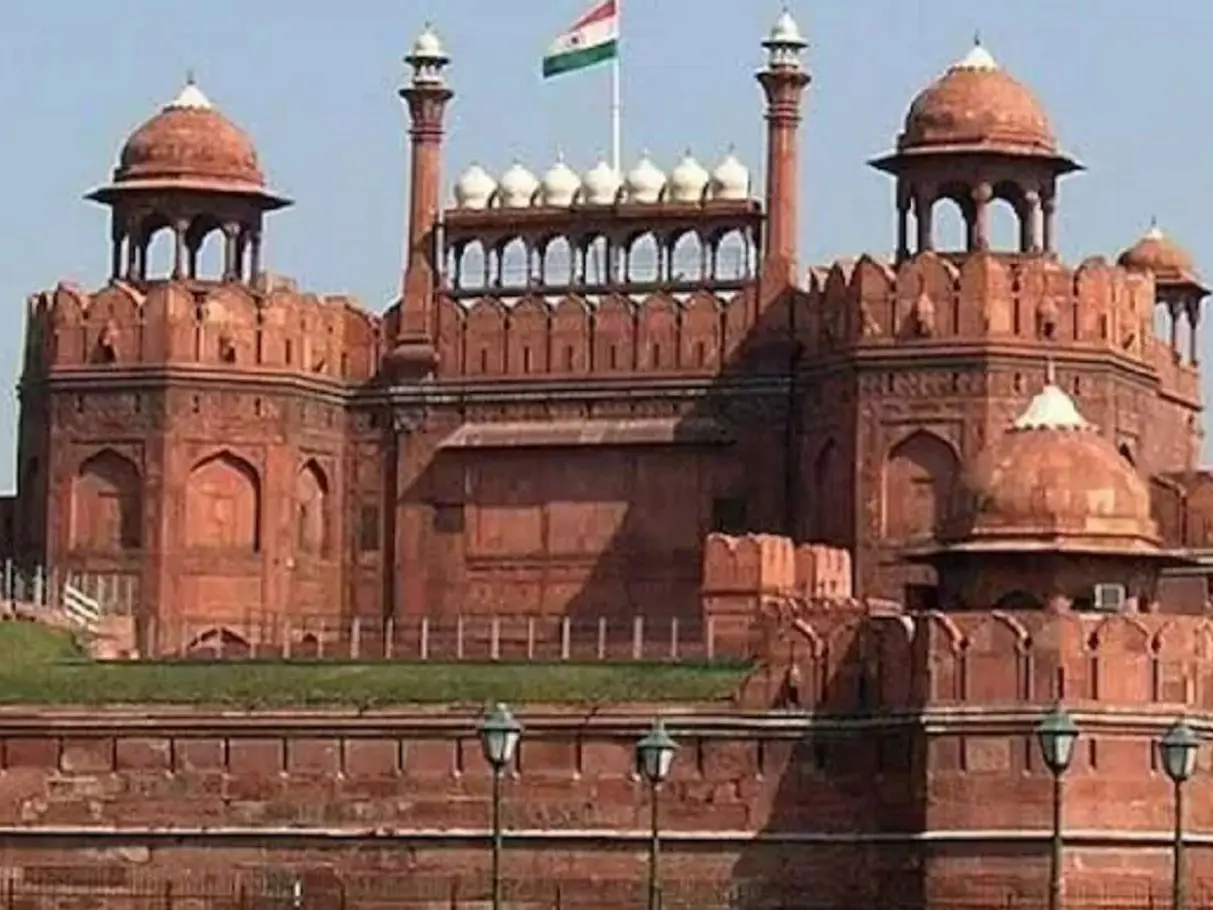
The Red Fort in Delhi Photograph: (PTI)
The black crust formation is a progressive phenomenon that begins with a thin black layer or deposit, which can be removed in the early stages without significantly damaging the stone’s integrity, the researchers said.
Delhi is in the headlines every year for its high levels of air pollution, especially during the winter months, and is counted among the world’s most polluted cities. The negative impact of Delhi’s toxic air is not just on its citizens, especially children and the old, but is also damaging the national capital’s iconic Red Fort, reveals a study published in the peer-reviewed open access scientific journal Heritage. The study found that the Red Fort, a UNESCO World Heritage Site, is facing structural and aesthetic risk due to Delhi’s poor air quality.
During inspection, researchers found thick black crusts forming on parts of the fort’s sandstone walls. The researchers studied Delhi’s air quality data between 2021 and 2023. Then they scraped off the black crust found on various walls of the fort and examined its composition.
Damage due to traffic emissions, industrial pollutants and construction dust
Laboratory tests of the crust showed the presence of gypsum, quartz, and heavy metals like lead, copper, and zinc, all derivatives of traffic emissions, construction dust, and industrial pollutants.
The study, titled ‘Characterisation of Red Sandstone and Black Crust to Analyze Air Pollution Impacts on a Cultural Heritage Building: Red Fort, Delhi, India,’ was conducted by the Indian government’s Department of Science and Technology and Italy’s Ministry of Foreign Affairs (MAECI).
Scientists from IIT Roorkee, IIT Kanpur, Ca’ Foscari University of Venice, and the Archaeological Survey of India (ASI) conducted the research this year.
Trending Stories
)
)
)
)
)
)
)
)
)
)
&im=FitAndFill=(700,400))
)
)
)
&im=FitAndFill=(700,400))
)
&im=FitAndFill=(700,400))
)
)
)
)
)
)
&im=FitAndFill=(700,400))
)
)
)
)
)
)
)
)
)
)
)
)
)
)
)
)
)
Researchers found that the crusts formed due to chemical interactions between pollutants and the red sandstone were between 0.05 mm and 0.5 mm thick and could damage its intricate carvings. The air pollutants had also damaged vaults, arches, and delicate stone carvings.
‘Early action, proper conservation can prevent further damage’
The sandstone from where samples were collected had a thin black deposit. “Over time, this layer thickens and develops into dendritic crusts, which ultimately causes the stone to exfoliate,” said the study. The researchers also observed blistering, salt crystallisation, and dampness in parts of the fort.
The black crust formation is a progressive phenomenon that begins with a thin black layer or deposit, which can be removed in the early stages without significantly damaging the stone’s integrity, the researchers said. Besides, a maintenance cleaning programme for the most affected areas and application of stone protectives could prevent and slow down further crust formation.
The study says that stone protectives or sealants could be applied to highly affected areas to slow down or prevent the formation of black crusts.
‘Above-normal nitrogen dioxide level accelerating stone’s decay’
The researchers analysed air quality data from 2021 to 2023 and said that fine particulate matter concentrations in Delhi were over two and a half times above the limit. It also cited an above-normal level of nitrogen dioxide for accelerating the stone’s decay.
The high concentrations of heavy metals like titanium, chromium, manganese, nickel, copper, zinc, and lead in the black crust may arise from the burning of fossil fuels, wear and tear of vehicles’ mechanical parts, vehicular traffic, particulate matter, and soil/dust, the study said.
The research could help develop an action plan for the restoration and preservation of cultural heritage buildings worldwide.
WATCH: Dubai Real Estate Market Hits Record Home Sales
The Red Fort, built by Mughal Emperor Shah Jahan, is one of Delhi’s most iconic heritage monuments and a popular tourist attraction. It was built after Emperor Shahjahan relocated his capital from Agra to Delhi in 1638. Its construction began in 1639 and was completed in 1648.
Indian prime ministers have been delivering Independence Day speeches every year from the ramparts of the fort.