China is now India's primary source of 'strategic?envy', says US think tank

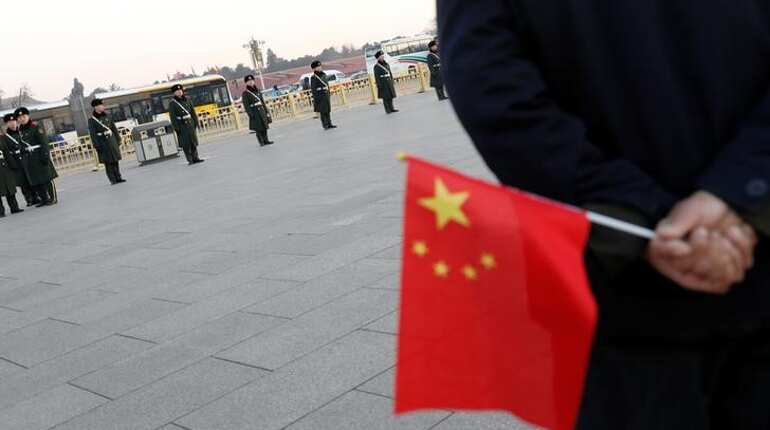
China modernising nuke arsenal
The think tank in its article said India has steadily diluted its commitment to an "unambiguous Nuclear first use(NFU) policy"?over the last fourteen years.
Atlantic Council, a US-based think tank specialising on South Asia in a paper presented recently said China is now "India's primary source of strategicenvy", stating that India does not believe that China poses a "compelling threat" to its security.
The think tank in its article said India has steadily diluted its commitment to an "unambiguous nuclear first use(NFU) policyover the last fourteen years."
The article under the header: Asia in the "second nuclear age" wrote, "in 2003, for example, an Indian government document listed an adversary’s use of chemical or biological weapons as a triggering condition for the potential first use of nuclear weapons," adding,"the issue of whether India has privately abandoned NFU, or will do so soon, is an unknown for even better-informed observers in New Delhi."

The think tank said senior Indian national security officials also indicate that India is "rethinking its limited-conventional-war strategy against Pakistan".
"In the case of ballistic missiles, warheads will very likely be mated to the missiles during emergency flushing-out routines," the think tank concluded.
The Atlantic Council said China is the only "nuclear power among the three which is actually modernizing"replacing ageing delivery systems with newer and better designs.
)
US vs China over South China Sea: Washington backs Philippines, Beijing hits back
)
Delhi gets first late-September rain in 7 years, mercury dips 5.1°C below normal
)
‘Anti-social elements spreading false rumours’: LPU issues statement amid massive unrest over alleged rape
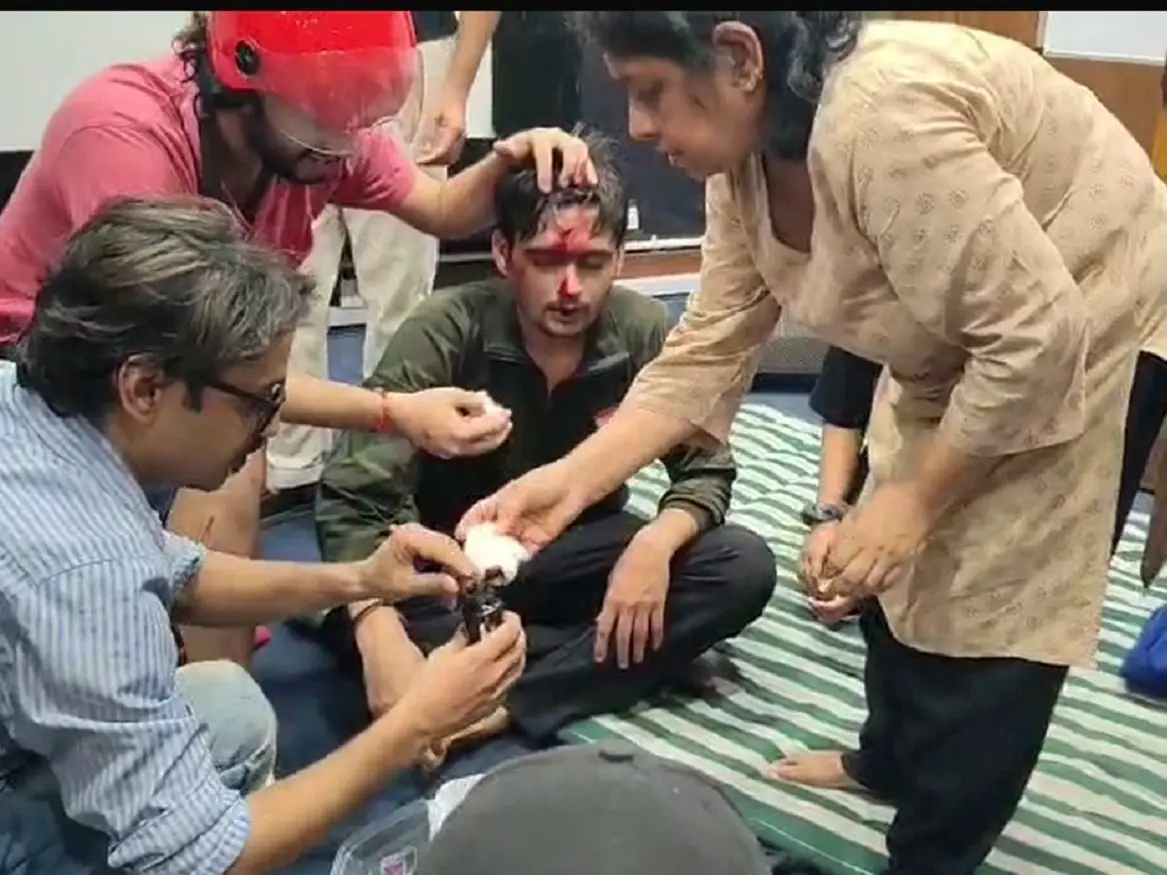)
After JU, clash erupts at SRFTI: BJP’s ‘Dimagi Naxal’ jibe sparks political firestorm after students protest RSS-linked event
)
LPU students go on rampage, vandalise campus amid widespread protest: What's happening
)
Trump asked Xi to pressure Iran. China did not say yes — here’s what Beijing wants
)
US Treasury Secretary Scott Bessent hails global crackdown on Iranian banks and airlines
)
Venezuela's oil heartland eyes US revival
)
An OpenAI agent escaped its locked test cage again, by hiding questions in DNS lookups
)
3 males killed, four others injured in shooting after fight at strip club in Detroit
)
Russia backs India at UNGA, but flags limits on UNSC seat expansion
)
South Africa probes string of murders targeting women
)
'Victory for low-budget consumers': Raghav Chadha hails 30-day telecom recharge rules
)
Kendall Jenner, Jacob Elordi’s Milan Fashion Week appearance has fans talking; his reaction steals the show
)
Beyond metros: How Tier-2 and Tier-3 cities could drive India’s next AI wave
)
Tesla builds first Cybertruck with its own refined lithium: Elon Musk's $1 billion Texas bet pays off
)
IndiGo flight suffers tail strike in Bengaluru while landing; DGCA to probe incident
)
The US and China set up an AI 'red telephone', but skipped the rulebook
)
‘Terror suspects arrested near UK air base were looking to do big damage’: Trump
)
Russian envoy claims US tactics to contain India were revealed in ‘Freudian slip’
)
‘Olympic inclusion is our major target’: WPA President Ishaun Singh on pool’s global ambitions
)
Nations League: Spain sink England at Wembley; Modric shines for Croatia
)
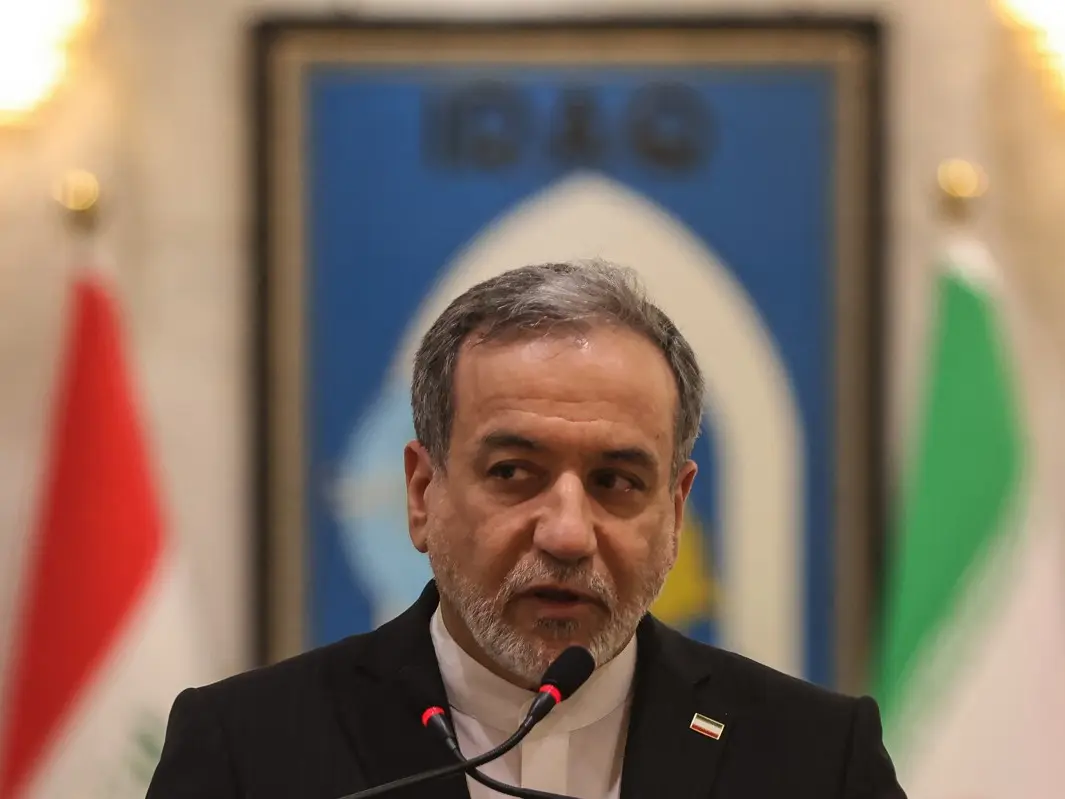
Why has Iran released no proof of life of Mojtaba Khamenei? Araghchi reveals...
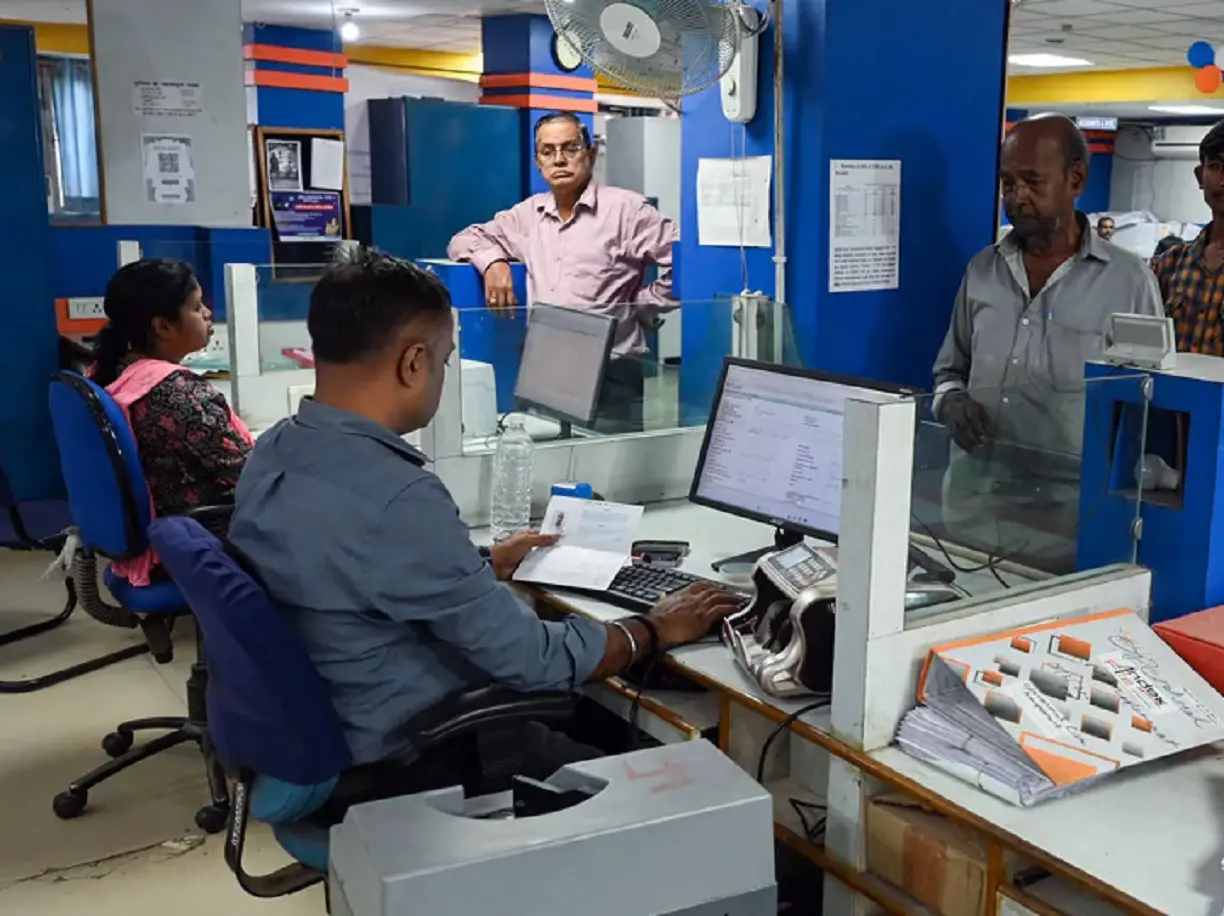)
Bank unions defer 3-day strike from tomorrow after talks with IBA, committee set up
)
Iran ready for ‘doomsday war’ if US resumes attacks, but open to diplomacy: Araghchi
)
Sri Lankan Tamil migrant worker gets death sentence in Saudi Arabia, help sought from India
)
Muslim marriage cannot shield sex with minor wife from prosecution under POCSO: Delhi HC
)
99.9% more powerful - Scientists find boy who can recall memories from just 3 months of age
)
'FIRST LOOK from inside Noah’s Ark': Researchers share video from inside mysterious mound in Turkey
)
UNSC reform momentum grows: Russia, Portugal, Mauritius push for India's permanent seat bid
)
Man arrested after his 22-year-old girlfriend dies at homestay in Guwahati; police suspect murder over suicide claim
)
Afghanistan says 28 fighters killed in clash near Pakistan border, Islamabad denies
)
Ceuta migrant crisis: Protesters take to streets as Spain grapples with migrant challenge
)
Jaishankar at UNGA: Goodwill and friendship can't coexist with terrorism
)
New York City wants a 'kill switch' on every AI, and will pay whistleblowers who report violations
The think tank said neither India nor Pakistan are conducting nuclear tests to develop or improve designs for nuclear warheads. The same holds for China.
However, the think tank cautioned that Pakistan is rapidly "accumulating fissile material, which could increase to four hundred and fifty kilograms ofplutonium, sufficient for ninety weapons, and more than 2,500 kilograms of highly enriched uranium (HEU), sufficient for one hundred simplefission warheads by 2020."
The nuclear rivalry in South Asia remains ominous, because Pakistan wages LIC against India via non-state actors, while India has devised "limited conventional-war options" to punish the Pakistani military on Pakistani soil, the think tank observed.
The big difference between the "first and second nuclear ages" is the domestic stability of the nuclear-weapon powers, it said.
"In Asia- China and India represent this continuity of strong state institutions, as well as checks and balances on the military."
The Atlantic Council said Pakistan remains "internally unstable, and increasingly unable to rein in 'praetorianism'over national security andnuclear policy."