Children’s Day 2025: Celebrating Pandit Jawaharlal Nehru’s birthday - Meaning, history, and significance

&imwidth=600&imheight=450&format=webp&quality=medium "Children’s Day 2025: Celebrating Pandit Jawaharlal Nehru’s birthday - Meaning, history, and significance")
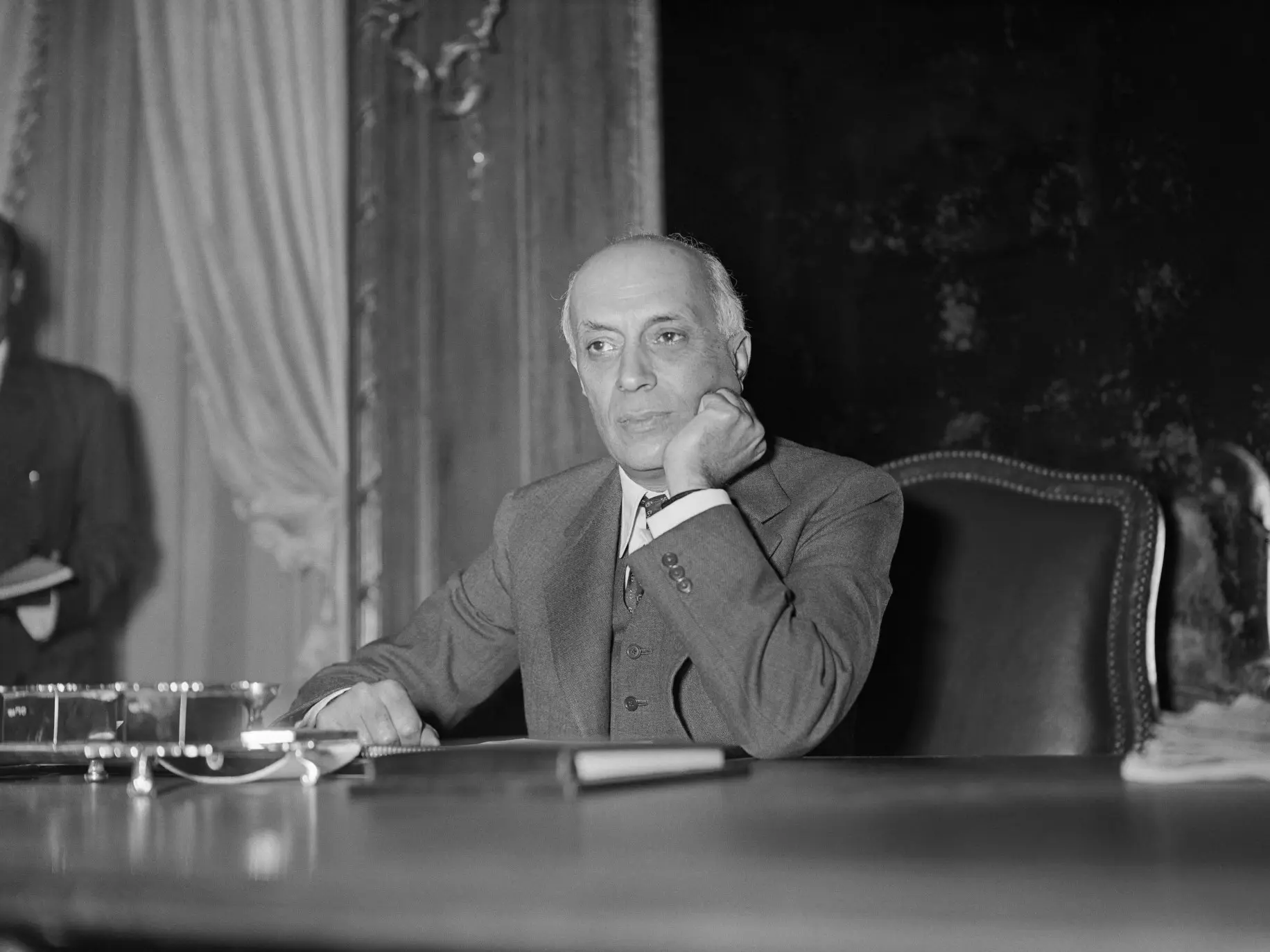
Portrait of Indian first Prime Minister Jawaharlal Nehru taken on January 18th, 1951 during a diplomatic visit in Paris. Photograph: (AFP)
Children’s Day 2025 will be celebrated on November 14 to honour Pandit Jawaharlal Nehru’s birthday. Know the meaning, history, and significance of Bal Diwas in India and why November 14 is celebrated as Children’s Day every year.
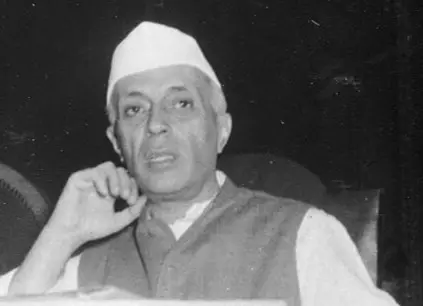
Children's Day is celebrated every year on November 14, on the occasion of the birth anniversary of Pandit Jawaharlal Nehru, the first Prime Minister of India. Fondly referred to as ‘Chacha Nehru’, his love for children and his belief that the nation's progress depends on its younger generation form the caricature of Children's Day. The day is dedicated to celebrating childhood, promoting children's rights and the importance of universal child education.
Why Is Children’s Day Celebrated on November 14?
Jawaharlal Nehru, the first Prime Minister of India and one of the founding fathers of this country, was born on November 14, 1889. Nehru had a soft spot for children within him. He once said, “The children of today will make the India of tomorrow”. He laid the groundwork for higher education in India, and established some of the most prominent educational institutions, like IIT, IIM and AIIMS. Hence, every year in India, the whole country, as a tribute to Nehru, remembers his contributions with enthusiasm and affection as a tribute to his legacy.
History of Children's Day
Until 1964, Children's Day was celebrated on November 20, aligning with the Universal Children's Day declared by the United Nations. Following the demise of Pandit Jawaharlal Nehru, Children's Day or Bal Diwas was moved to November 14 to commemorate the Birth Anniversary of Nehru.
Meaning and Significance of Children's Day
Trending Stories
)
)
)
)
&im=FitAndFill=(700,400))
)
&im=FitAndFill=(700,400))
)
)
)
)
)
&im=FitAndFill=(700,400))
)
)
)
)
)
)
)
)
)
)
)
)
)
&im=FitAndFill=(700,400))
)
)
)
)
)
)
)
)
)
)
)
)
Children's Day, even though not an administrative holiday, is celebrated across the country in schools with competitions, music and dance performances. This day provides a day of reflection and renewed commitment to the rights enshrined by the Constitution of free and compulsory elementary education, early childhood care, equal opportunities, freedom, dignity and protection from economic necessity and abuse.