&imwidth=800&imheight=600&format=webp&quality=medium "BJP reshuffle sees stronger RSS presence in key organisational positions")
The vast majority of the core leaders appointed by the ruling BJP in its latest organisational reshuffle have deep and foundational ties to the Rashtriya Swayamsevak Sangh. Out of the total 65 names of office-bearers announced on Monday, 51 are new. Eleven of the 14 vice presidents and seven of the eight general secretaries have been associated with the RSS in the past. This is significantly higher than the previous national executive setup under JP Nadda, which had a fair share of technocrats and turncoats. An attempt which is being seen by many as cultivating ideological discipline ahead of the upcoming assembly election.
The right-wing Hindu organisation is the foundational, ideological parent of the ruling BJP. The party acts as the mainstream political vehicle that translates its core Hindutva ideology into state policy, electoral manifestos and governance. Ties between the two saw turmoil as the BJP government pushed for free-market reform. RSS advocates "swadeshi" or economic self-reliance and expressed dissatisfaction to those reforms.

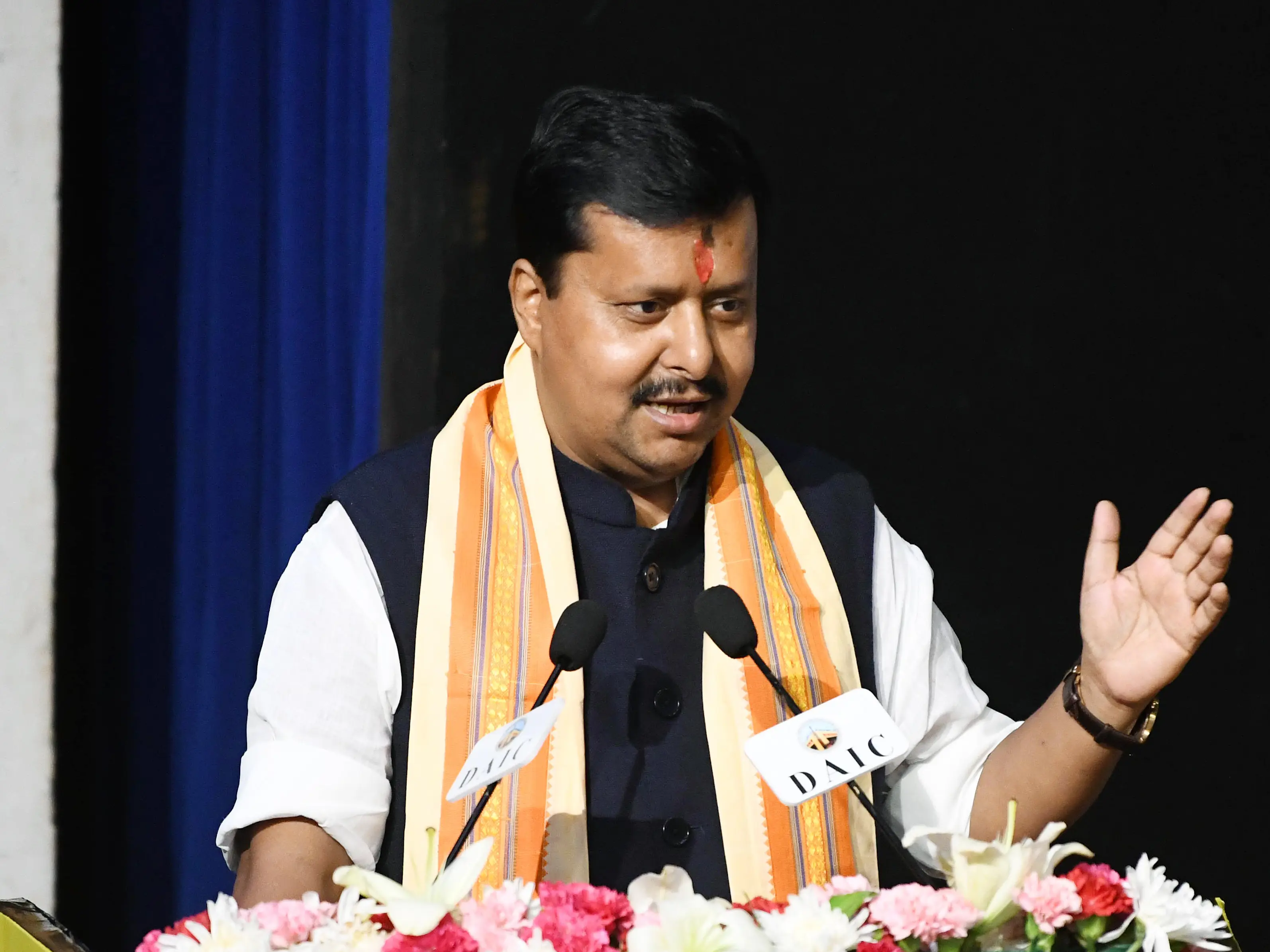
Key inclusions are Ram Madhav as National Vice President, retaining BL Santhosh as National General Secretary (Organisation), Sunil Bansal as National General Secretary, Vinod Tawde as National General Secretary, Satish Poonia as National General Secretary, and Deepak Mhaskey as Social Media Head.
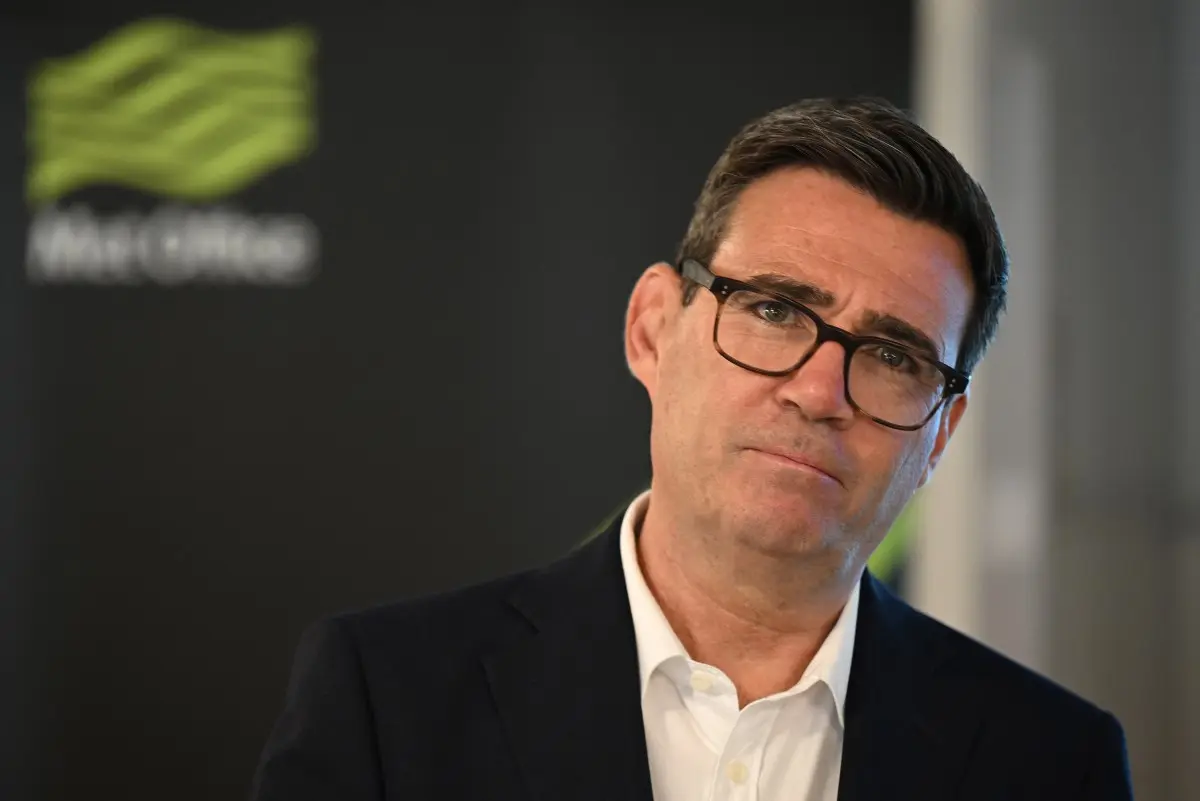
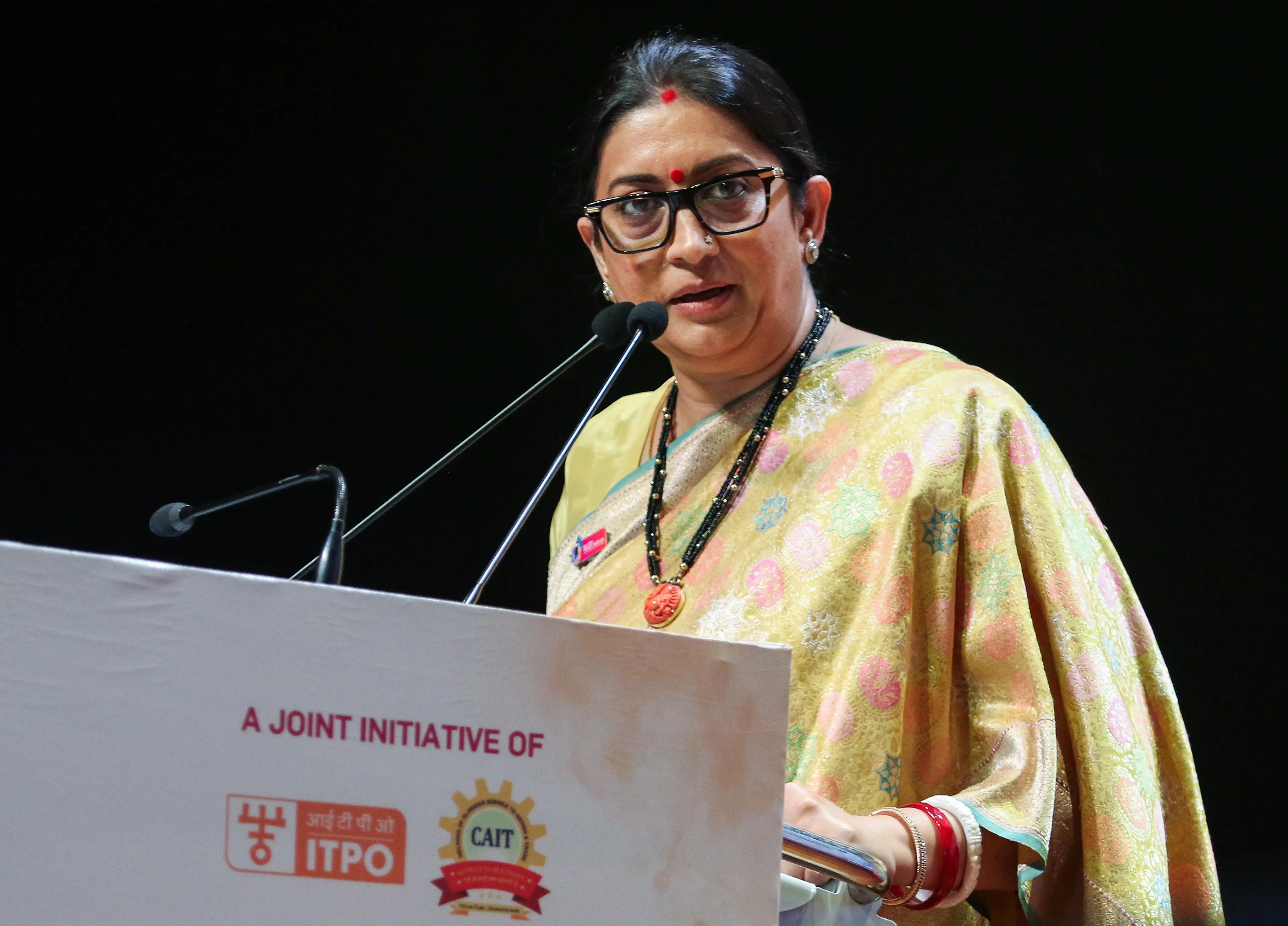
Ram Madhav is a hardcore RSS ideologue who served as a full-time RSS pracharak and later became a spokesperson for the RSS. Now he is deputised in the BJP. Though faces like Piyush Goyal and Smriti Irani represent the pure political and governance wing of the party, the inclusion of Ram Madhav as a National Vice President directly scales the hardline ideological core of RSS in decision-making.
BL Santhosh, a veteran RSS pracharak, is in a powerful structural post; he is the formal link between the political party and the ideological wing. Similarly, the exclusion of Amit Malviya has been another major story. Nitin Nabin is stamping his authority over the party image. The new appointee, Mhaske, himself transitioned into politics from an academic background, but his family had deeply rooted Sangh ties. His brother, Tej Pratap Mhaske, is a known RSS functionary.
Trending Stories
)
Asian Games 2026: India face Afghanistan in quarterfinal on Sep 28; Pakistan clash with Hong Kong
)
Myanmar training camp case: US national, 6 Ukrainians allowed to meet their families abroad
)
Bigg Boss 20: Salman Khan schools Rhiti Tiwari over Qazi Touqeer clash, compares her to Dolly Bindra
)
Mushtaq Khan dies at 56: When Welcome actor opened up about his salary for iconic role Ballu
)
LPU students go on rampage, vandalise campus amid widespread protest: What's happening
)
'FIRST LOOK from inside Noah’s Ark': Researchers share video from inside mysterious mound in Turkey
)
‘Attack on Mecca a red line for Pakistan’: Shehbaz Sharif warns Houthis at UN
)
Pakistan deploys over 20,000 security personnel as PTI vows march for Imran Khan's release
)
OpenAI AI Agents hacked 4 websites before Hugging Face, researchers reveal
)
'A terrorist country is asking me that question?': Jaishankar hits back at Pakistani journalist at UN; flags attacks on commercial shipping
)
Trump-Xi summit wrap: Big pageantry, Iran talks, few major developments and more meetings planned
)
Did Hitler kill his niece Geli Raubal? Newly found records reopen a 95-year-old mystery
)
Hawaii braces for Hurricane Nolo: NOAA warns of flash flooding and mudslides
)
'What kind of confession is this?': Pakistan PM Shehbaz Sharif’s 'terrorists would be roaming New York' remark goes viral, raises alarm online. Watch
)
US-Iran war: Trump rejects Iran's Hormuz proposal, reports suggest talks expected next week
)
Bollywood x K-pop crossover! LE SSERAFIM’s Kazuha charms fans with Shah Rukh Khan’s ‘Chammak Challo’ steps
)
Gaza's war turned environmental damage into second crisis
)
‘Serial practitioner of terrorism’: Jaishankar calls out Pakistan’s ‘state-sponsored’ terror at UNGA
)
‘It is all possible’: Putin weighs next steps on Ukraine talks, rules out Europe conflict
)
Prince Harry offers rare glimpse into Archie and Lilibet’s life after UK move
)
Nigeria Navy moves to boost oil security, tackle crude theft and infrastructure threats
)
Donald Trump shares image of Xi's arrival in Washington, carries signs of AI
)
Pentagon quietly adds 37 wounded troops to Iran war tally without explaining when or how
)
US court backs Pentagon's decision to exclude Anthropic over Claude AI restrictions
)
US Supreme Court backs Trump administration's use of SAVE database to check voter citizenship
)
‘Could kill billions...’: Bill Gates backs calls to slow AI development amid fears of catastrophe
)
'Countries far from conflict are penalised': Jaishankar calls for Gulf peace, seafarer safety at UN
)
WATCH | As Shehbaz Sharif claims Pakistan’s ‘victory’ during 2025 conflict, Indian diplomat R Srinivas laughs at UN
)
Outrage erupts after 3-year-old is married to 60-year-old man in Pakistan, link to her sister's murder being probed
&im=FitAndFill=(700,400))
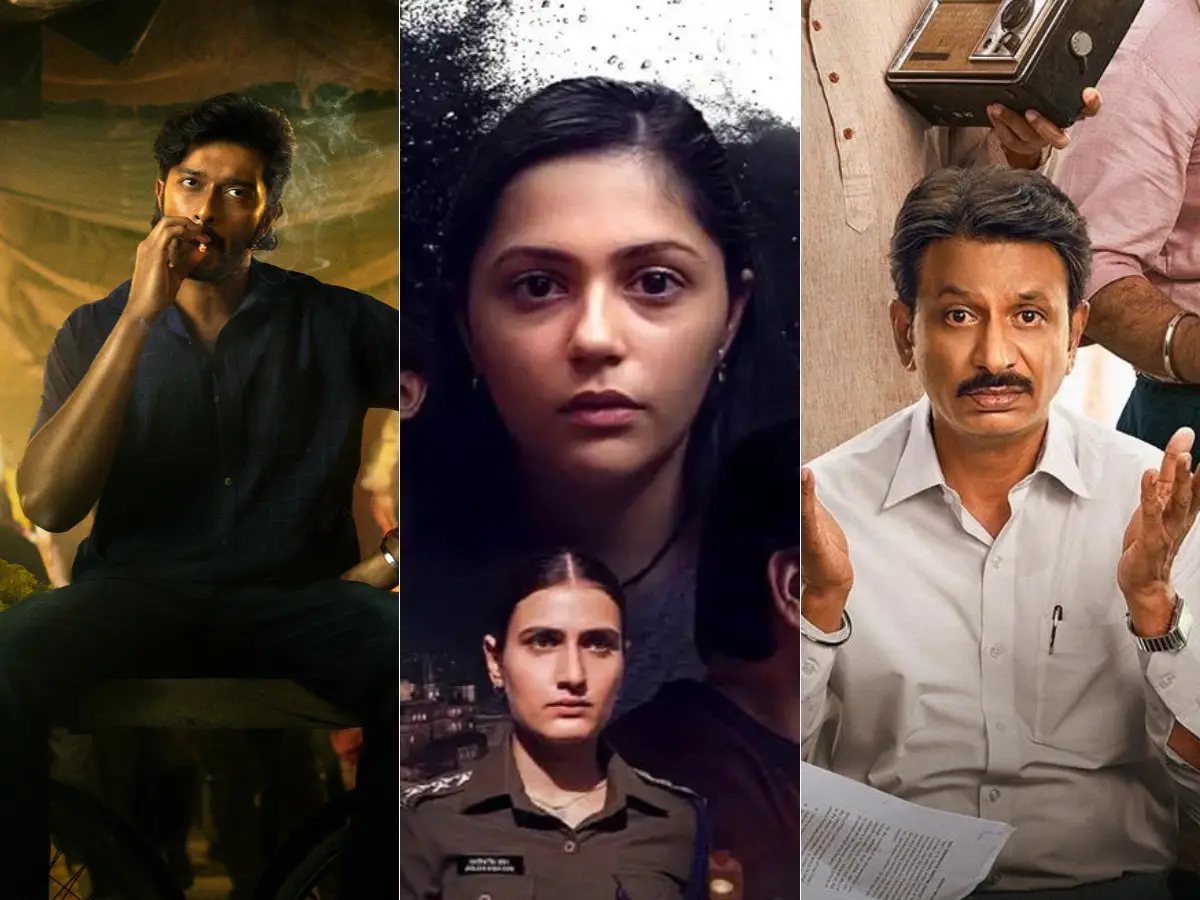
New Friday OTT releases (September 25, 2026): Don’t Be Shy, Hunkkaar: The Roar, Mango Pachcha- 6 movies and TV shows on Netflix, Prime Video and more
)
Global community 'absent' in Gulf crisis: Saudi at UN calls for freedom of navigation, pre war status for Hormuz
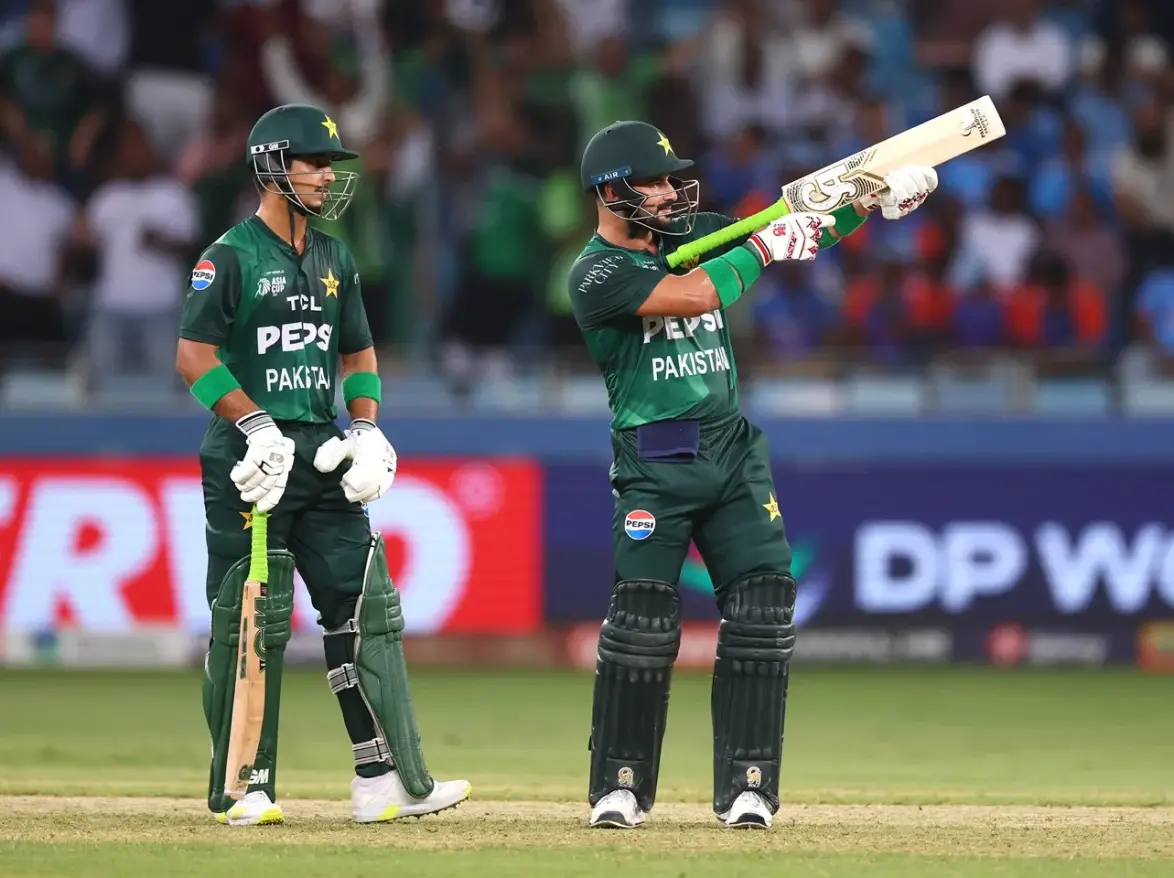)
Farhan, who went viral for AK47 celebration vs India in Asia Cup, hopes to lead Pakistan beyond Asian Games
)
‘I rejected it’: Trump confirms turning down Iran’s proposal to reopen Hormuz, claims Tehran is losing ‘badly’
)
Russia will achieve Ukraine war aims; Europe doing everything to block peace talks: Lavrov at UN
This is significant because, along with media, public rallies, and the political arithmetic of ticket distribution, there is something in the BJP that Congress or other political parties do not possess. It is the Sangh Parivar network, the invisible, highly disciplined army of the BJP's election machinery. They create micro-level cells, where local daily Shakhas transform into "Panna Pramukh" or “page-in-charge” during elections. Each volunteer micro-manages just one page of the voter list, addressing local scepticism and convincing families to vote. It gives granular accountability for silent voter mobilisation in the form of a relentless door-to-door campaign. So inducting more RSS ideologues is a structural replacement, ensuring not just control, but more cohesive communication in executing key policies, schemes and programmes of the party, facilitating that invisible network.