Bihar Election Results 2025 Analysis: Is ‘Jungle Raj’ era of Lalu family rule over, or is it too early to write off RJD?

&imwidth=600&imheight=450&format=webp&quality=medium "Bihar Election Results 2025 Analysis: Is ‘Jungle Raj’ era of Lalu family rule over, or is it too early to write off RJD?")
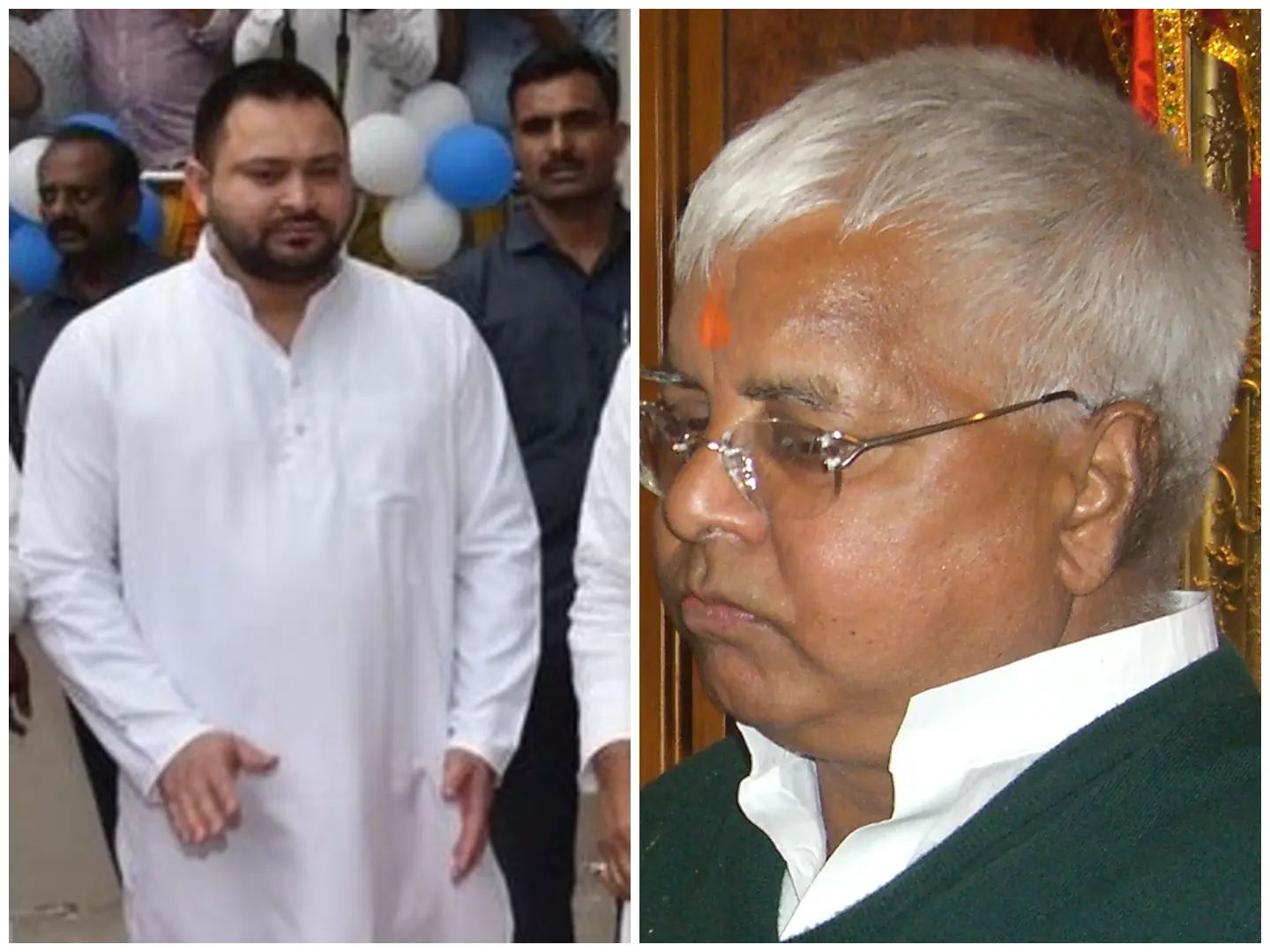
File images of Tejaswi Yadav and his father and RJD supremo Lalu Prasad Yadav Photograph: (Others)
Bihar’s 2025 assembly election verdict has ends the Lalu family’s political dominance, at least for now. NDA has crossed the 200-seat mark. But RJD’s core vote bank appears to be intact, leaving room for a future comebac.
The biggest loser of the Bihar Assembly Elections 2025 appears to be the Rashtriya Janata Dal (RJD), the party long associated with Lalu Prasad Yadav’s “Jungle Raj” legacy — a time of lawlessness and caste‑based mobilisation in the east Indian state. As results consolidate on Friday (Nov 14), one must ask: is this the end of the Lalu family’s political grip — Lalu himself, his wife Rabri Devi, and his sons Tejashwi and Tej Pratap — or simply a setback for now?
How the numbers stack up after the Bihar election 2025 results
The National Democratic Alliance (NDA) — composed of BJP, JD(U), LJP (Ram Vilas), and smaller allies — is leading on over 200 out of 243 seats, comfortably clearing the majority threshold of 122. According to counting trends, BJP is leading on at least 89 seats, a rise of about 32 from 2020. JD(U) is at 81–83 seats, and LJP(RV) has surged from 1 seat in 2020 to around 20–21, a gain of 16.
By contrast, the Mahagathbandhan (Grand Alliance), led by RJD, lags significantly. Its projected seat count is only 37–40, with RJD itself on track for a dire 27–28 seats — down 47 from its 75 in 2020. Congress is likely to win just about five seats, down from 19 in the last election. These are early trends, but they point to a dramatic collapse of the Mahagathbandhan alliance’s electoral influence.
Did Biharis vote the Lalu family out?
Trending Stories
&imwidth=280&imheight=210&format=webp&quality=medium)
&imwidth=280&imheight=210&format=webp&quality=medium)
&imwidth=280&imheight=210&format=webp&quality=medium)
&imwidth=280&imheight=210&format=webp&quality=medium)
&imwidth=280&imheight=210&format=webp&quality=medium)
&imwidth=280&imheight=210&format=webp&quality=medium)
&imwidth=280&imheight=210&format=webp&quality=medium)
&imwidth=280&imheight=210&format=webp&quality=medium)
&imwidth=280&imheight=210&format=webp&quality=medium)
&imwidth=280&imheight=210&format=webp&quality=medium)
&imwidth=280&imheight=210&format=webp&quality=medium)
&imwidth=280&imheight=210&format=webp&quality=medium)
&imwidth=280&imheight=210&format=webp&quality=medium)
&imwidth=280&imheight=210&format=webp&quality=medium)
&imwidth=280&imheight=210&format=webp&quality=medium)
&imwidth=280&imheight=210&format=webp&quality=medium)
&imwidth=280&imheight=210&format=webp&quality=medium)
&imwidth=280&imheight=210&format=webp&quality=medium)
&imwidth=280&imheight=210&format=webp&quality=medium)
&imwidth=280&imheight=210&format=webp&quality=medium)
&im=FitAndFill=(700,400)&imwidth=280&imheight=210&format=webp&quality=medium)
&imwidth=280&imheight=210&format=webp&quality=medium)
&imwidth=280&imheight=210&format=webp&quality=medium)
&imwidth=280&imheight=210&format=webp&quality=medium)
&im=FitAndFill=(700,400)&imwidth=280&imheight=210&format=webp&quality=medium)
&imwidth=280&imheight=210&format=webp&quality=medium)
&imwidth=280&imheight=210&format=webp&quality=medium)
&im=FitAndFill=(700,400)&imwidth=280&imheight=210&format=webp&quality=medium)
&imwidth=280&imheight=210&format=webp&quality=medium)
&imwidth=280&imheight=210&format=webp&quality=medium)
&im=FitAndFill=(700,400)&imwidth=280&imheight=210&format=webp&quality=medium)
&imwidth=280&imheight=210&format=webp&quality=medium)
&imwidth=280&imheight=210&format=webp&quality=medium)
&imwidth=280&imheight=210&format=webp&quality=medium)
&imwidth=280&imheight=210&format=webp&quality=medium)
&imwidth=280&imheight=210&format=webp&quality=medium)
With a record turnout of approximately 67.13 per cent, the highest in Bihar’s history, there was clearly strong voter engagement. But that energy did not translate into meaningful gains for the opposition. The Mahagathbandhan’s collapse suggests deep failure in opposition unity, and even the vigorous turnout could not convert into anti‑incumbency momentum.
RJD’s decline wipes out its former role as kingmaker — or potential king. In 2020, RJD’s strength forced Nitish Kumar to change alliances. In 2025, the NDA is projected to govern independently, effectively nullifying the informal veto power once held by the Lalu family.
But the story is not quite over. Despite its seat rout, RJD appears to have held on to roughly 23 per cent of the vote share, indicating that its core support among Muslim‑Yadav (MY) and backward caste voters remains largely intact. That suggests that while RJD could not match NDA’s superior caste arithmetic, skilful vote consolidation, and the fragmentation of the opposition, its social base has not completely eroded.
Absolute dominance of Jungle Raj might be over
The “Jungle Raj” era, roughly spanning 1990 to 2005, was characterised by Lalu Prasad Yadav’s unchallenged dominance of Bihar politics, along with his family. Even after he stopped being chief minister, he continued to exert influence — first through his wife Rabri Devi (who was CM from 1997 to 2005) and later from behind the scenes while RJD retained veto power in Bihar’s opposition politics.
In 2020, Tejashwi Yadav emerged as a youthful firebrand, leading RJD to 75 seats and becoming the single largest party. He campaigned on jobs and development, rekindling memories of his father’s social-justice politics. But in 2025, that momentum appears to have faltered.
RJD’s fall is tied to both strategic failures and internal strife. Nitish Kumar, boxed in by RJD’s rising influence, broke away to re-ally with the NDA, removing RJD from a position of leverage. Meanwhile, a very public family feud involving Tej Pratap Yadav, Lalu’s other son, did not help the RJD’s image or cohesion.
No hand on the power pie, but RJD might still rise
The 2025 election seems to have ended the Lalu family’s practical hold over Bihar’s machinery of power. Their shadow over government formation is now greatly diminished. But politically, RJD may not be dead yet. With its core vote bank still intact, it can regroup as a vocal opposition rather than a power broker.
If the NDA government stumbles on key fronts — jobs, welfare, caste-based promises — RJD may well regain relevance. And if tensions emerge within the NDA (given Nitish Kumar’s history of shifting alliances), there may still be space for Tejashwi or the RJD to re-emerge.
The ‘Jungle Raj’ may be over in practice, but the RJD itself is not yet extinct.