Bharat Ratna for Chaudhary Charan Singh, a true 'champion of farmers' and staunch advocate of inclusive growth

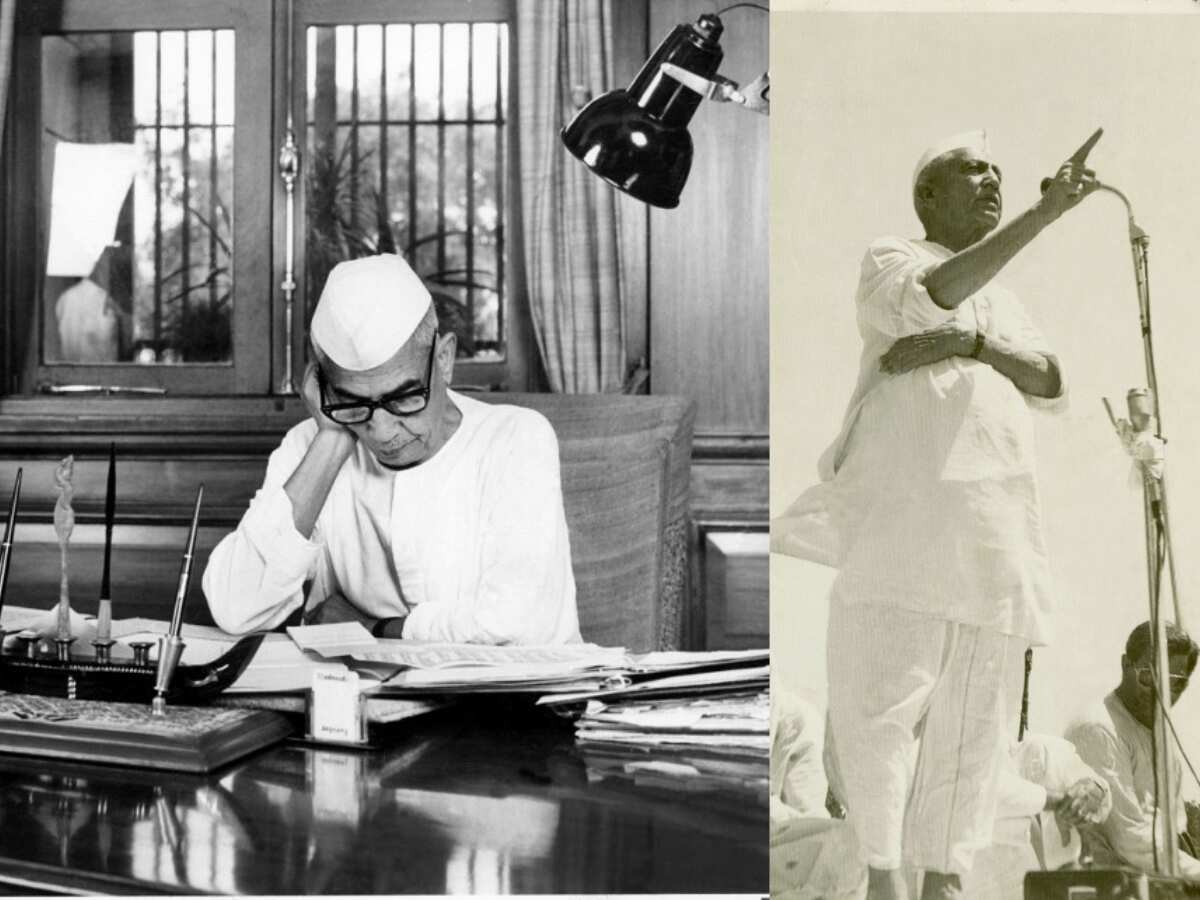
Chaudhary Charan Singh
The Government of India on Friday announcedthe names of people to be bestowed with the prestigious Bharat Ratna, the highest civilian honour in the country. One of the names that featured in the list was of former prime minister Chaudhary Charan Singh, who was best known as the ‘champion of farmers’ as he advocated for their rights and well-being throughout his life.
Born in a small village of Nurpur in the Meerut district of Uttar Pradesh,Chaudhary Charan Singh went on to serve the nation as the fifth PM. He played a pivotal role in uplifting the most important strataof our society- farmers.
Also Read |India: Former Prime Minister PV Narasimha Rao to be awarded Bharat Ratna

Prime Minister Narendra Modi, when sharing the news on his X account, wrote, “Be it the Chief Minister of Uttar Pradesh or the Home Minister of the country and even as an MLA, he [Chaudhary Charan Singh] always gave impetus to nation-building.”
Here’s more about Charan Singh’s life and politics:
Chaudhary Charan Singh: The ‘champion of farmers’
&imwidth=180&imheight=135&format=webp&quality=medium)
The Royals season 2: Ishaan Khatter's series gets new director after two back-to-back exits- Report
&imwidth=180&imheight=135&format=webp&quality=medium)
Viral video shows cross falling on Colombia priest, no official confirmation | WATCH
&im=FitAndFill=(700,400)&imwidth=180&imheight=135&format=webp&quality=medium)
What is the real meaning behind Pete Hegseth's tattoos?
&imwidth=180&imheight=135&format=webp&quality=medium)
Trump’s approval ratings hit a new low, Democrats want US president to campaign more
&imwidth=180&imheight=135&format=webp&quality=medium)
France reports first human case of livestock virus Shamonda, patient dies; what we know so far
&imwidth=180&imheight=135&format=webp&quality=medium)
Two BrahMos missiles on Tejas, triple the range and 100% indigenisation, says former BrahMos CEO
&imwidth=180&imheight=135&format=webp&quality=medium)
Ilhan Omar breaks silence over alleged marriage to her brother; Trump thinks it's 'really good answer'
&imwidth=180&imheight=135&format=webp&quality=medium)
Pakistan signs another defence pact even as Makkah Alliance shows no teeth. This time, it's with Qatar, Indonesia, Turkey
&imwidth=180&imheight=135&format=webp&quality=medium)
Netanyahu dials PM Modi, invites him and Capt Smit Machchhar to light torch on Israel’s Independence Day
&imwidth=180&imheight=135&format=webp&quality=medium)
‘Fake hits, mines’ in Hormuz? Trump accuses Iran of driving up oil prices ahead of US midterms
&imwidth=180&imheight=135&format=webp&quality=medium)
‘Russian humanitarians’ fired missiles at Kyiv: Zelensky takes swipe at Witkoff over Putin praise
&imwidth=180&imheight=135&format=webp&quality=medium)
Putin fires nuclear capable hypersonic missiles, Zelensky ready to surrender 25% territory
&imwidth=180&imheight=135&format=webp&quality=medium)
Trump ordered to answer questions under oath in BBC defamation lawsuit by December 11
&imwidth=180&imheight=135&format=webp&quality=medium)
From Agni-V to Project Kusha: How are India’s indigenous missile systems and defence shield reshaping modern warfare
&imwidth=180&imheight=135&format=webp&quality=medium)
'It's a crime not to see this scene': Tehran puts Trump 'behind bars'
&imwidth=180&imheight=135&format=webp&quality=medium)
What is the ‘heat ray’ weapon? Pete Hegseth reportedly authorises DHS to test it at US-Mexico border
&imwidth=180&imheight=135&format=webp&quality=medium)
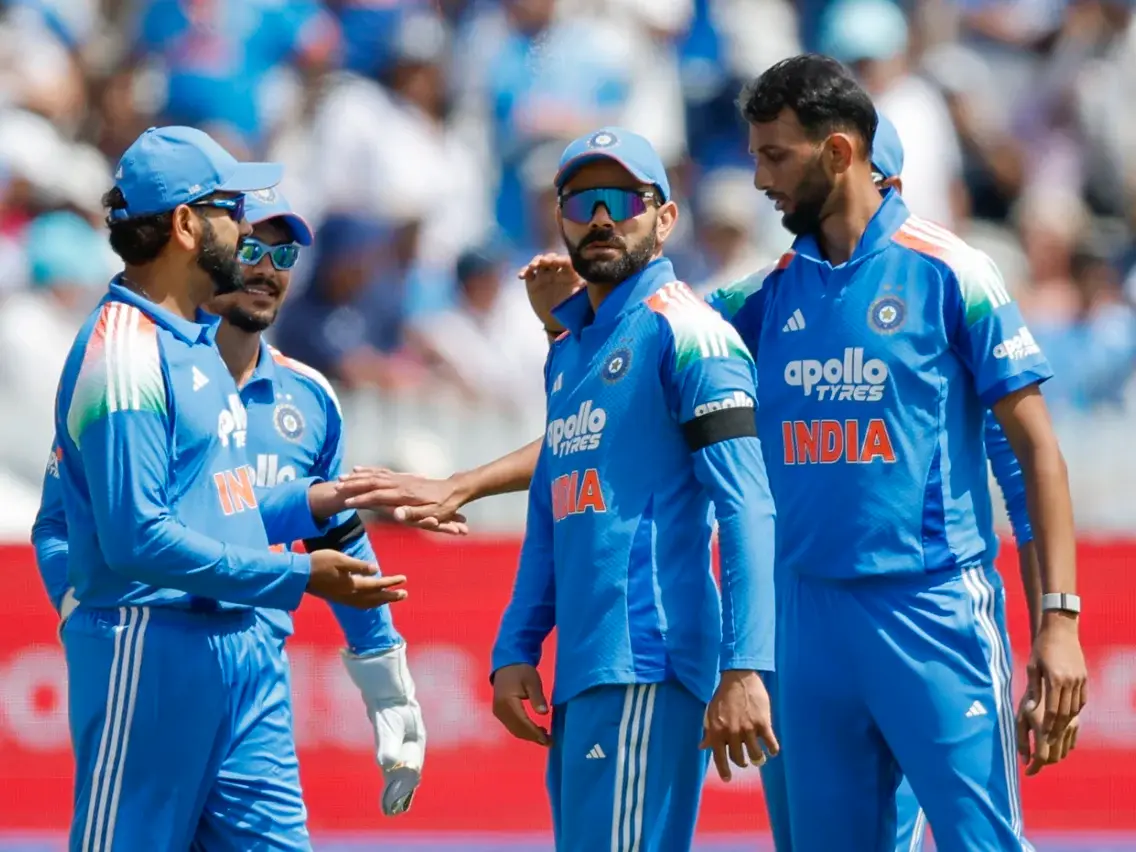
Will Rohit and Kohli play ODI World Cup 2027? BCCI president Manhas says board 'not in a position to comment'
&imwidth=180&imheight=135&format=webp&quality=medium)
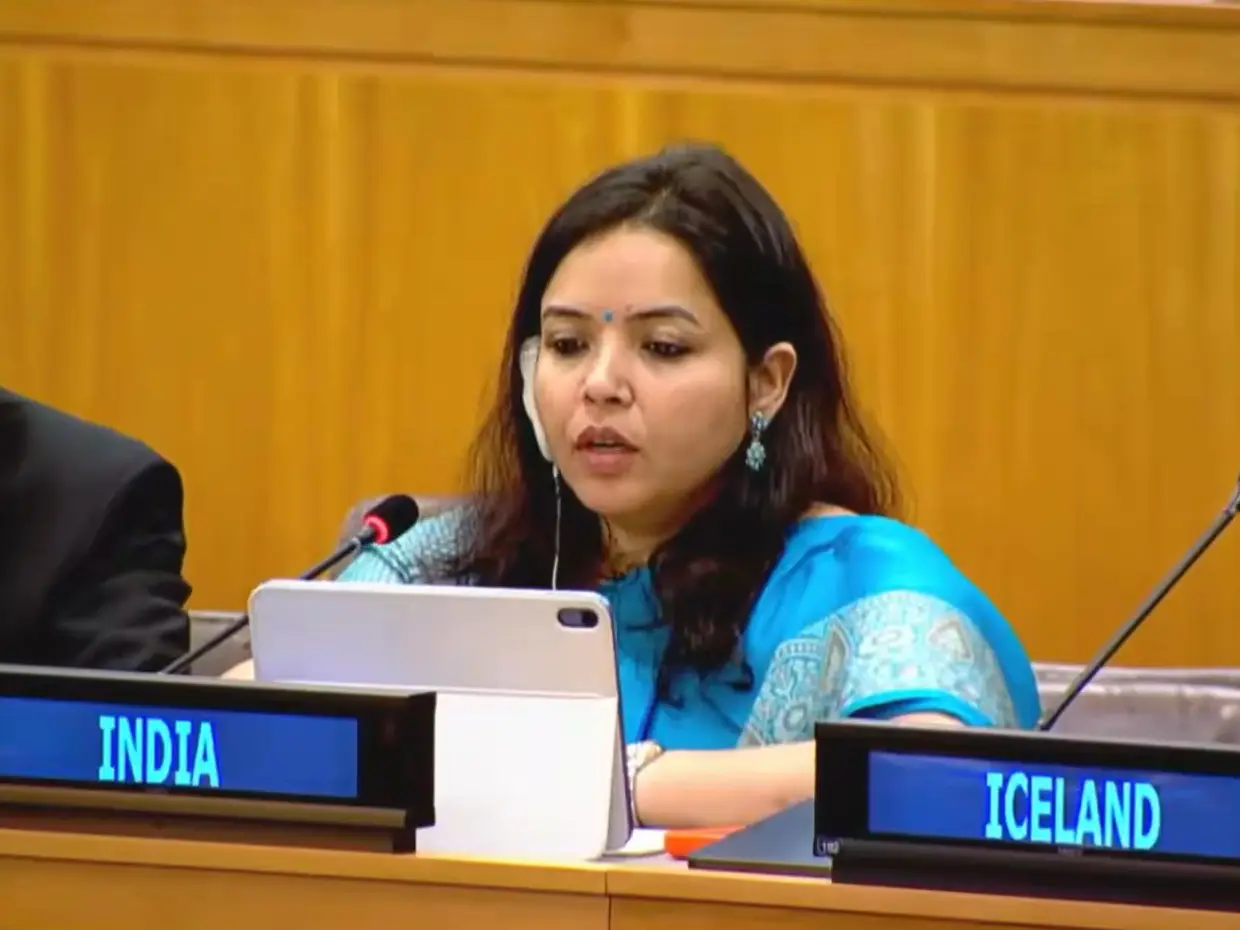
Watch: India rejects ‘imprecise and unsupported’ references in UN migrant rights report
&imwidth=180&imheight=135&format=webp&quality=medium)
US to get 850 F-35 stealth fighter jets under 10-year Pentagon-Lockheed deal
&imwidth=180&imheight=135&format=webp&quality=medium)
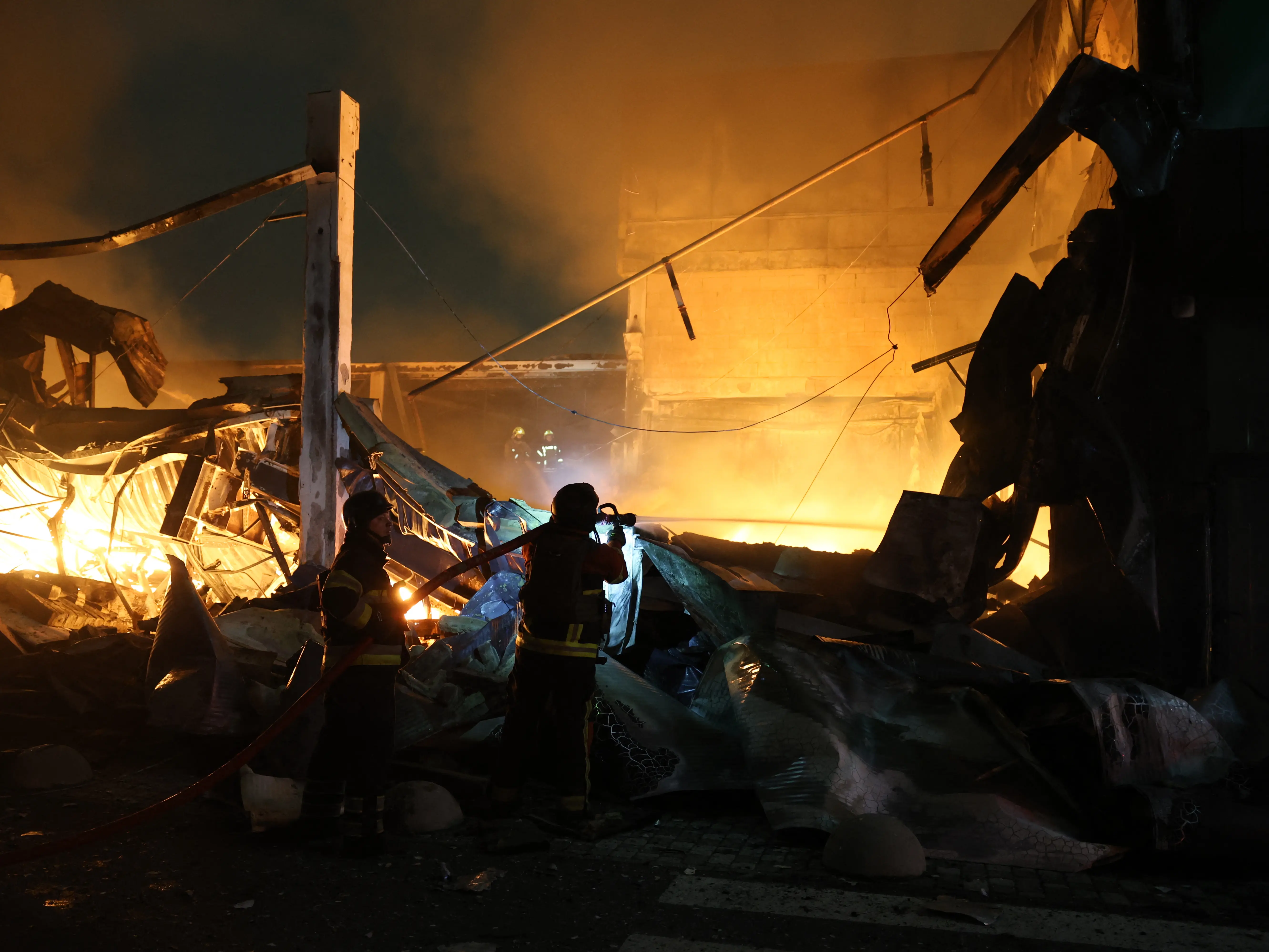
GRAVITAS | Putin fires nuclear-capable hypersonic missiles, Zelensky ready to surrender 25% territory
&imwidth=180&imheight=135&format=webp&quality=medium)
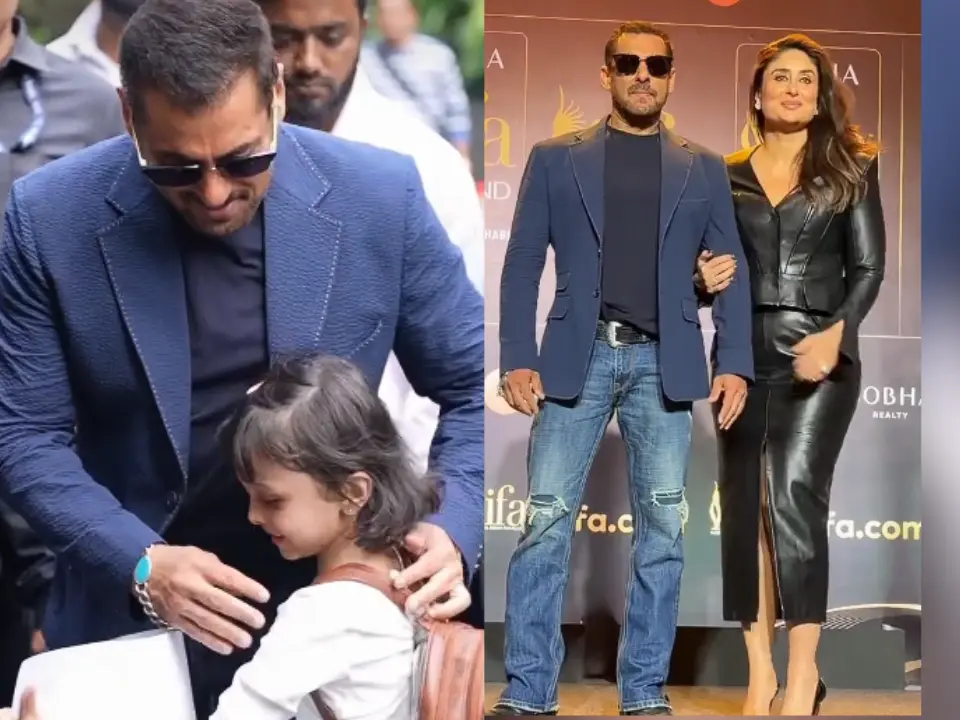
IIFA 2026: Salman Khan warns paps, kisses little fan and hugs Kareena Kapoor at press conference
&im=FitAndFill=(700,400)&imwidth=180&imheight=135&format=webp&quality=medium)
New OTT releases this week (October 19-25, 2026): Gajab Raat to Chaar Yaar-8 titles to watch during Dussehra week on Netflix, Prime Video and more
&imwidth=180&imheight=135&format=webp&quality=medium)
US business activity grows in June, but tariffs and inflation cloud outlook
&imwidth=180&imheight=135&format=webp&quality=medium)
'That was great, who threw that punch?': Trump asks as protester punched at rally
&imwidth=180&imheight=135&format=webp&quality=medium)
Trump’s bid to put his name on everything: This time, it was Atlantic Ocean; a look at past efforts
&imwidth=180&imheight=135&format=webp&quality=medium)
Diljit Dosanjh's Oct 30 Delhi show hits roadblock, Delhi Police denies permission
&imwidth=180&imheight=135&format=webp&quality=medium)
'This is despicable': Amy Acton hits back at Vivek Ramaswamy over Ohio campaign ad featuring her estranged mother
&imwidth=180&imheight=135&format=webp&quality=medium)
'Misunderstanding should be resolved through dialogue': Uttarakhand CM Dhami intervenes in Daler Mehndi controversy, speaks to brother Mika Singh
&imwidth=180&imheight=135&format=webp&quality=medium)
Finance influencer dies by suicide in Chennai; father accuses tech CEO, who denies charge
&imwidth=180&imheight=135&format=webp&quality=medium)
One man, 8 months of work, and a river dirty again: Why Bittu Tabahi may quit
&imwidth=180&imheight=135&format=webp&quality=medium)
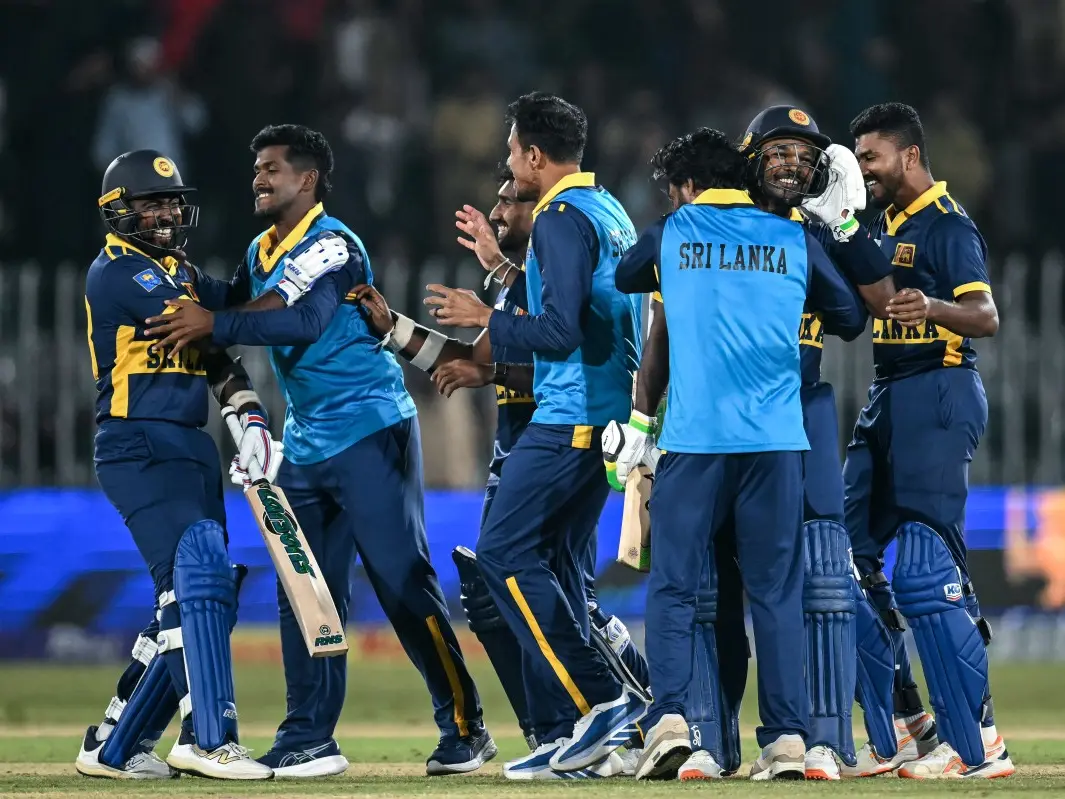
ENG vs SL: Harry Brook’s 202 goes in vain as Sri Lanka pull off second-highest ODI chase
&imwidth=180&imheight=135&format=webp&quality=medium)
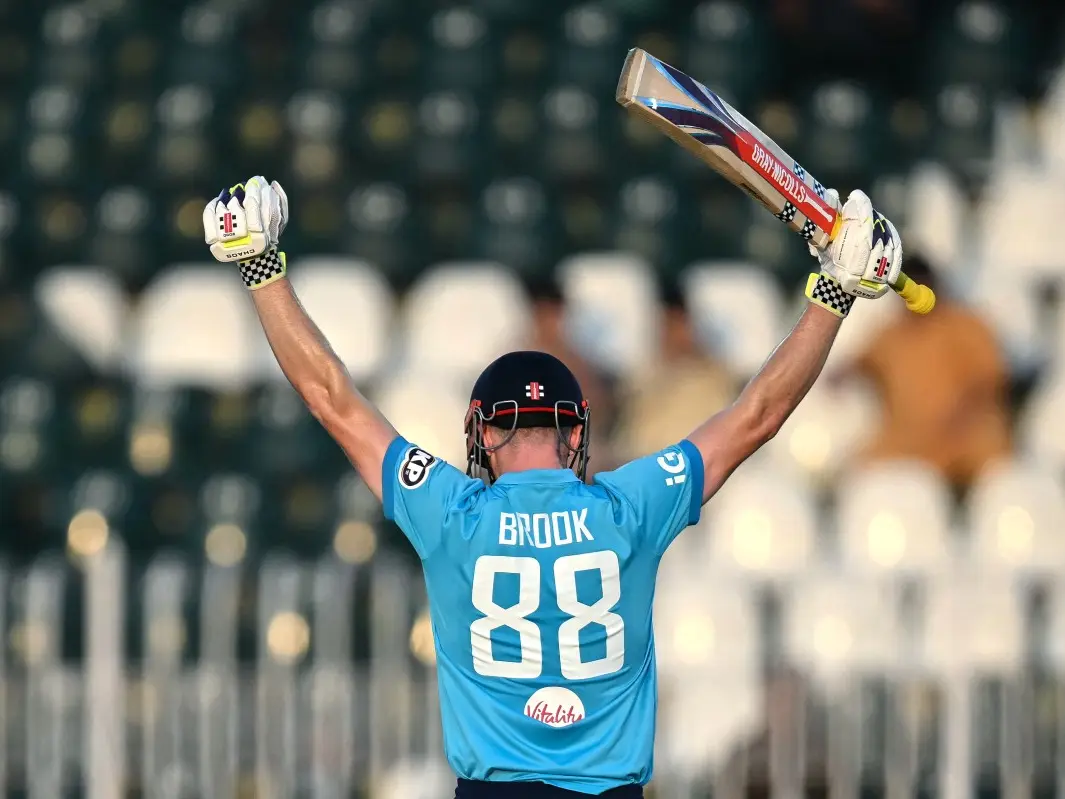
ENG vs SL: Harry Brook breaks Shubman Gill’s record for fastest ODI double century
&imwidth=180&imheight=135&format=webp&quality=medium)
Saudi Arabia targeted yacht carrying 14 Indians in Red Sea, rescue underway, Houthis claim
Chaudhary Charan Singh was a prominent leader of the Indian National Congress before founding his own political party, the Lok Dal in 1979. He served as the prime minister of India for a brief period from July 1979 to January 1980.
Known for his advocacy of peasant rights and agrarian reforms, Charan Singh played a significant role in shaping India's agricultural policies and championing the cause of farmers.
Also Read |Decoding the Modi government's white paper on Indian economy
He was born into a Jat family on 23 December 1902, in a small village called Nurpur in Uttar Pradesh. Charan Singh was alwaysdeeply influenced by his rural upbringing and agricultural background. He pursued law at Agra University before starting his career in politics.

Charan Singh's political career began in the 1930s when he joined the Indian National Congress and actively participated in the freedom struggle against British colonial rule. He was elected to the Uttar Pradesh Legislative Assembly multiple times and held various ministerial positions, including as revenue minister. He also went on to become the chief minister of Uttar Pradesh.
As chief minister of the north Indian state, Singh initiated several reforms aimed at improving agricultural productivity, land distribution, and rural development.
In 1975, following the imposition of the Emergency by Prime Minister Indira Gandhi, Charan Singh resigned from the Congress Party in protest against the authoritarian measures taken by the government. He subsequently founded the Bharatiya Lok Dal, which later merged with other parties to form the Janata Party.

During this period, he emerged as a vocal critic of the government's policies, particularly its handling of agricultural issues and rural distress.
Charan Singh's short tenure as prime minister in 1979 was marked by efforts to address the challenges facing India's agricultural sector, including inflation, food shortages, and farmer grievances.

Despite the brevity of his term, he introduced several measures aimed at alleviating the plight of farmers, such as loan waivers, price support mechanisms, and agricultural subsidies.
Throughout his political career, Charan Singh remained committed to advocating for the rights of farmers and marginalised communities.
Also Read |Military troops in Maldives to be replaced with 'Indian technical personnel': MEA
He was a staunch advocate of land reforms, tenant rights, and equitable distribution of agricultural resources. His dedication to the welfare of farmers earned him the title of 'Kisan Leader' or 'Champion of Farmers.'
He passed away in May 1987, leaving behind a lasting legacy as a champion of farmers' rights and a stalwart defender of agrarian interests.
(With inputs from agencies)