Decoding the Modi government's white paper on Indian economy

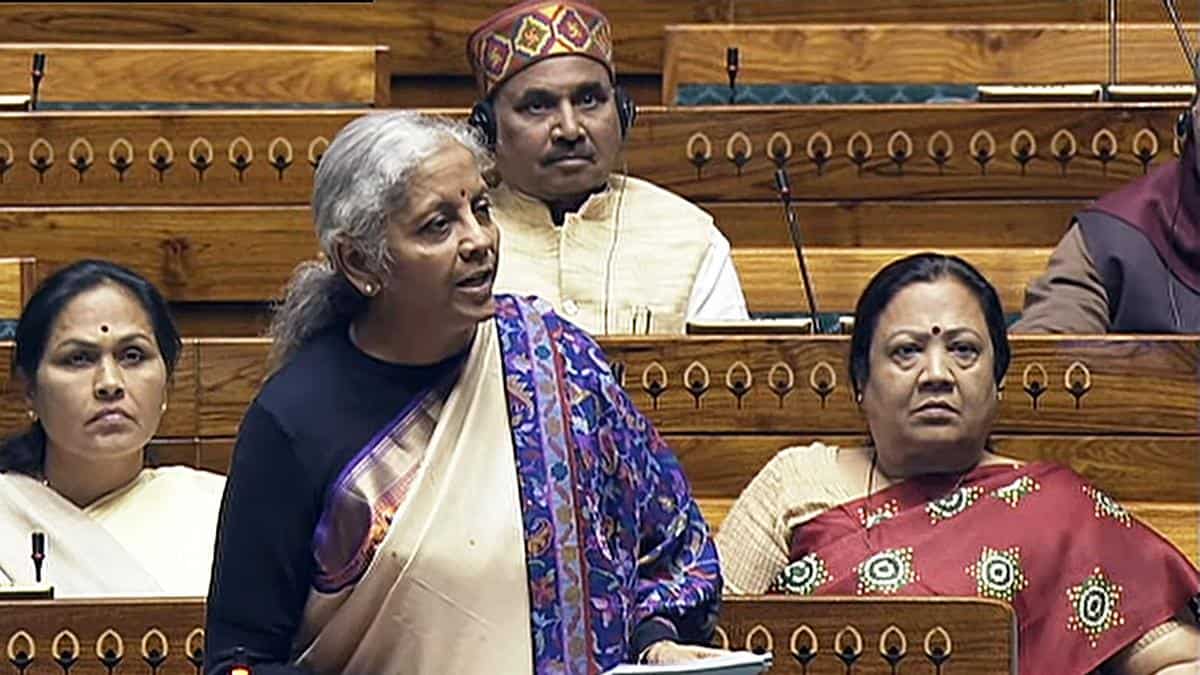
Finance Minister Nirmala Sitharaman tables white paper in the Lok Sabha on February 8, 2024.
The Narendra Modi government released a white paper, claiming their strategic policies, commitment to reforms, and strong leadership led to India's economic transformation over the past decade on Friday.
Shifting gears
The document contrasts the current regime with the previous United Progressive Alliance (UPA) era, blaming "policy paralysis, fiscal irresponsibility, and corruption" for India's earlier struggles.

It credits the BJP-led government with propelling the nation from the "Fragile Five" to the world's fifth-largest economy through sound economic management.
UPA's legacy
The white paper criticises the UPA government for jeopardising macroeconomic stability, citing high inflation and irresponsible fiscal deficits.
)
US vs China over South China Sea: Washington backs Philippines, Beijing hits back
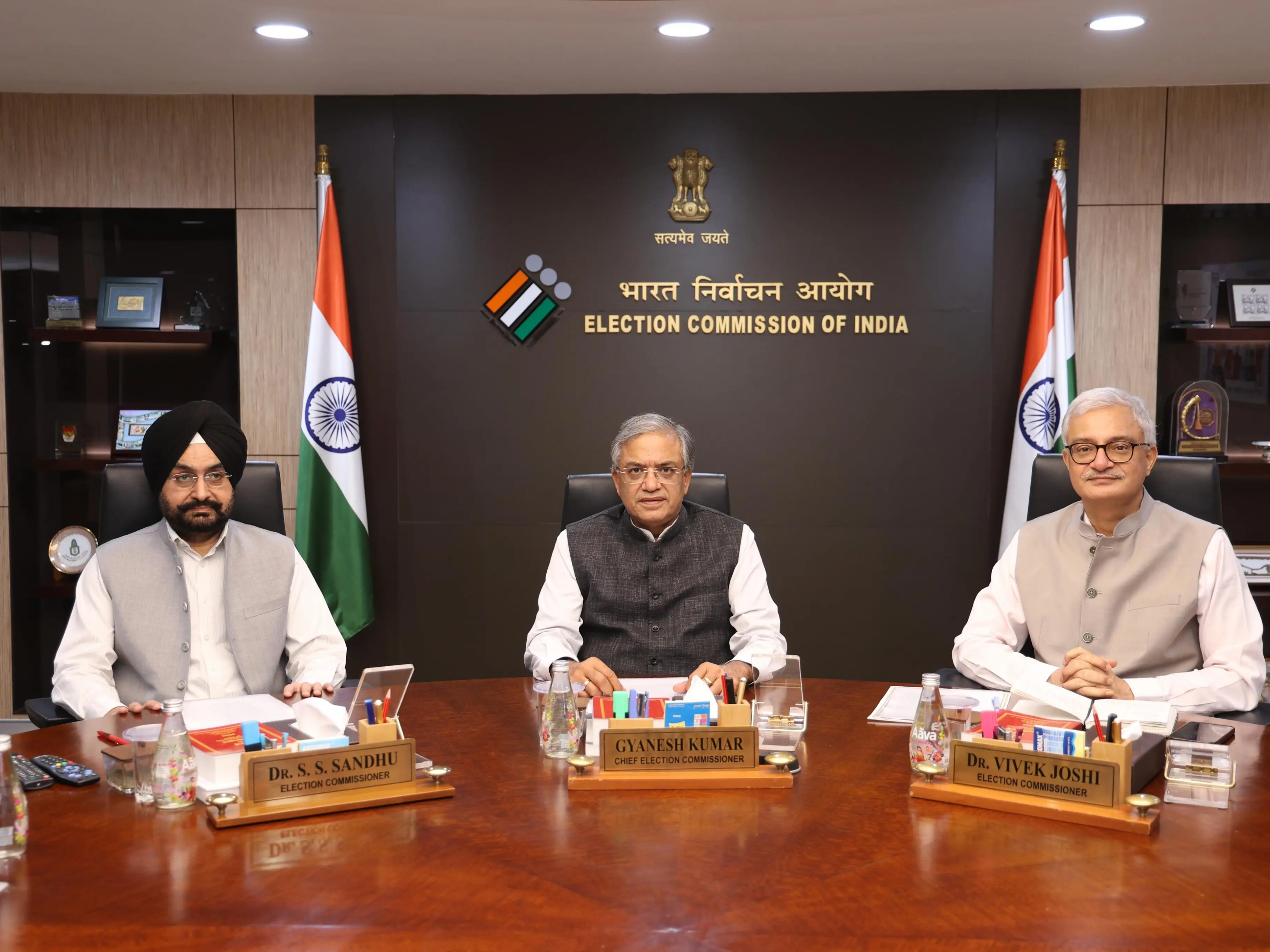)
Election Commission on 'damage control' : What do nine new decisions mean?
)
UK police arrest several under explosives act near air base used by US forces
)
LPU students go on rampage, vandalise campus amid widespread protest: What's happening
)
OpenAI AI Agents hacked 4 websites before Hugging Face, researchers reveal
)
US Treasury Secretary Scott Bessent hails global crackdown on Iranian banks and airlines
&im=FitAndFill=(700,400))
New Friday OTT releases (September 25, 2026): Don’t Be Shy, Hunkkaar: The Roar, Mango Pachcha- 6 movies and TV shows on Netflix, Prime Video and more
)
Asian Games 2026: India face Afghanistan in quarterfinal on Sep 28; Pakistan clash with Hong Kong
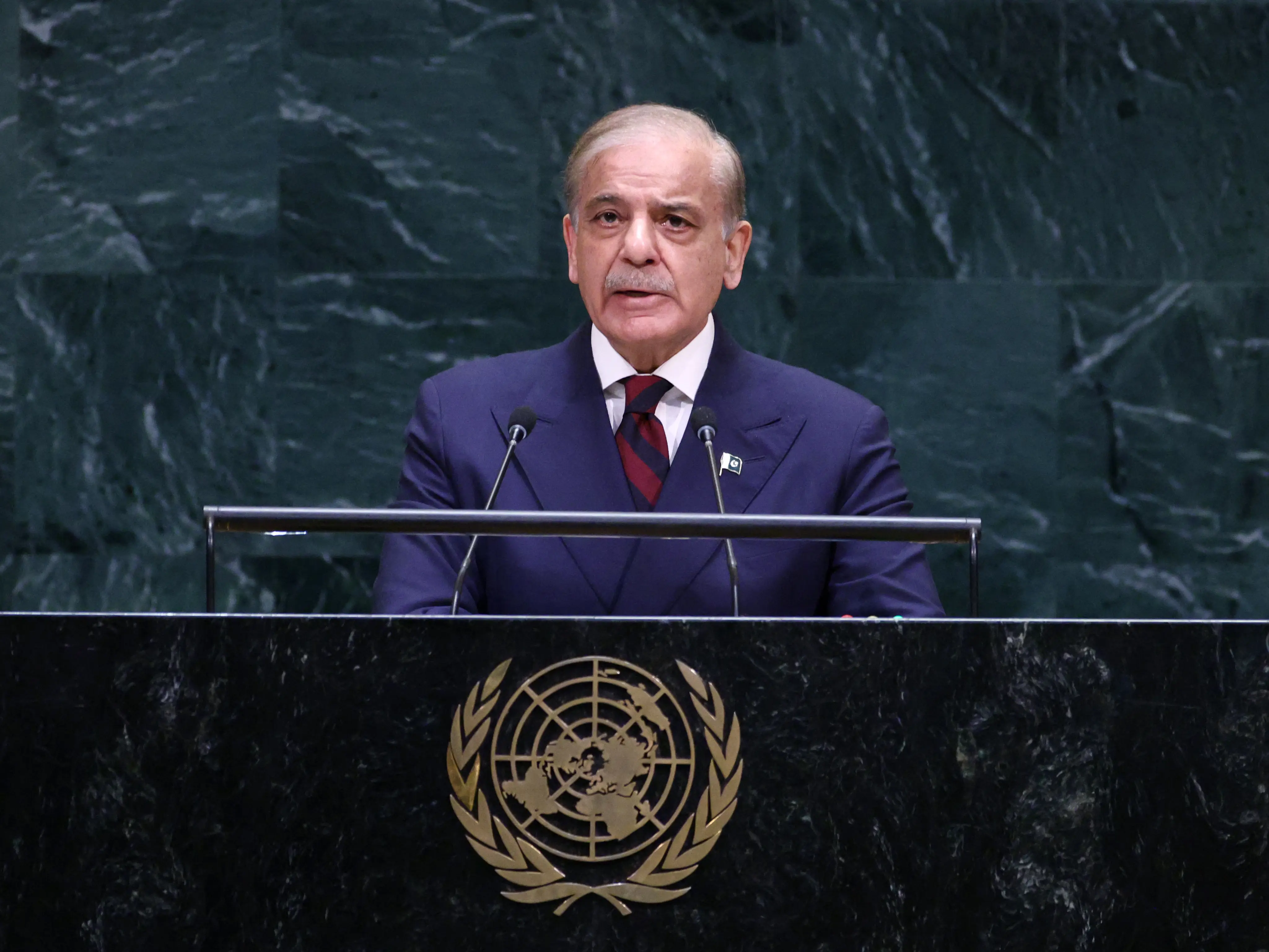)
‘Attack on Mecca a red line for Pakistan’: Shehbaz Sharif warns Houthis at UN
)
WATCH | Delhi minister Parvesh Verma slaps man during road inspection – Here’s what happened
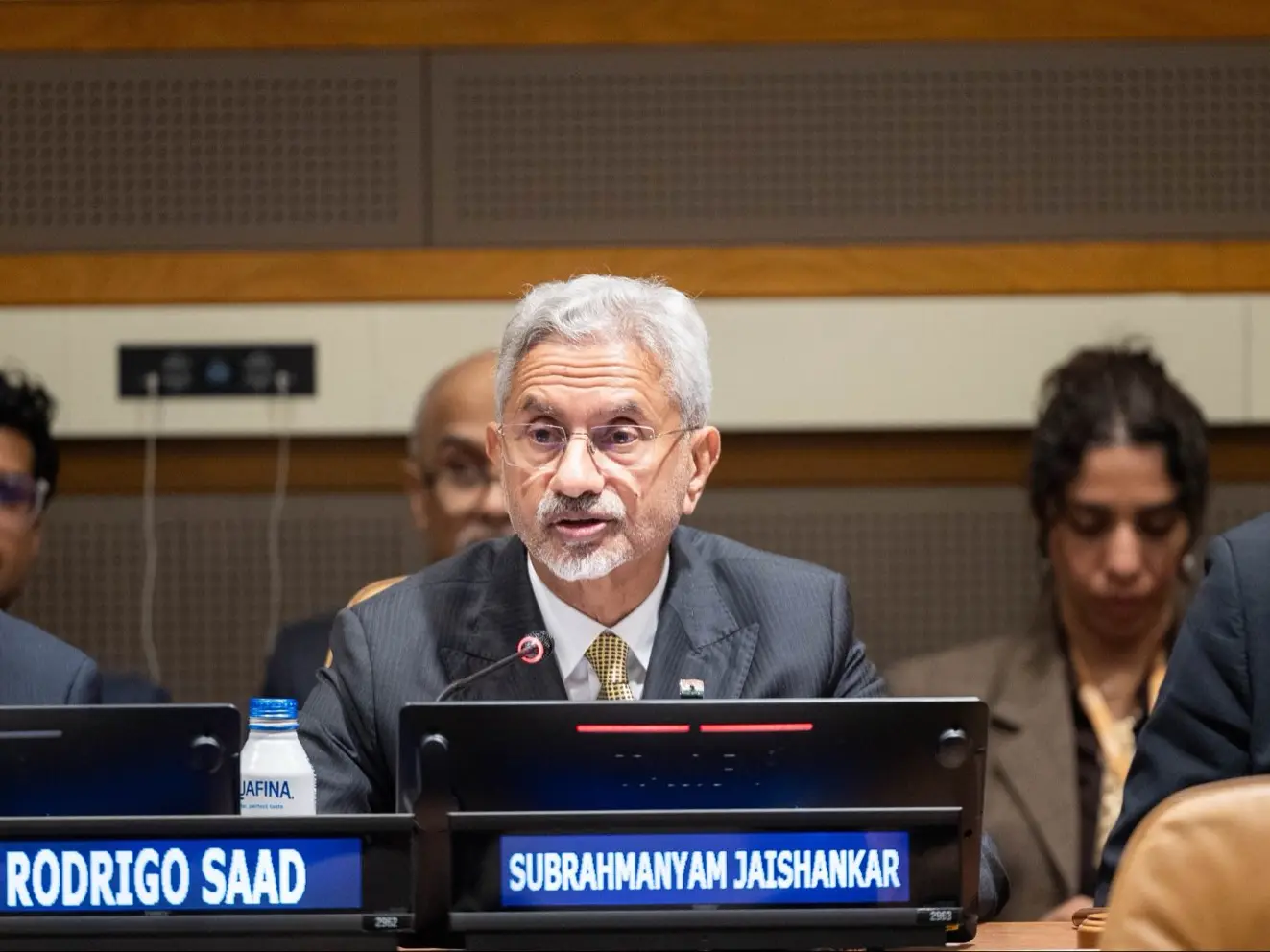)
'Countries far from conflict are penalised': Jaishankar calls for Gulf peace, seafarer safety at UN
)
Bigg Boss 20: Salman Khan schools Rhiti Tiwari over Qazi Touqeer clash, compares her to Dolly Bindra
)
Gunmen kill 27 in two separate mass shootings in South Africa
&im=FitAndFill=(700,400))
Humanoid robots to virtual worlds! Korean sci-fi dramas to watch: Are You Human Too?, Memories of the Alhambra and more
)
IND vs WI 1st ODI: Naman Dhir debuts as India bowl first in Trivandrum; check playing XIs
)
Nations League: Spain sink England at Wembley; Modric shines for Croatia
)
Two men die of suspected chemical exposure inside public toilet in Mumbai
)
Trump-Xi summit wrap: Big pageantry, Iran talks, few major developments and more meetings planned
)
‘Could kill billions...’: Bill Gates backs calls to slow AI development amid fears of catastrophe
)
Bollywood x K-pop crossover! LE SSERAFIM’s Kazuha charms fans with Shah Rukh Khan’s ‘Chammak Challo’ steps
)
US-Iran war: Trump rejects Iran's Hormuz proposal, reports suggest talks expected next week
)
Jaishankar at UNGA: Goodwill and friendship can't coexist with terrorism
)
Sri Lankan Tamil migrant worker gets death sentence in Saudi Arabia, help sought from India
)
'FIRST LOOK from inside Noah’s Ark': Researchers share video from inside mysterious mound in Turkey
)
UNSC reform momentum grows: Russia, Portugal, Mauritius push for India's permanent seat bid
)
Man arrested after his 22-year-old girlfriend dies at homestay in Guwahati; police suspect murder over suicide claim
)
SIR row: RTI response raises questions over EC’s claim of unanimous approval
)
WATCH | As Shehbaz Sharif claims Pakistan’s ‘victory’ during 2025 conflict, Indian diplomat R Srinivas laughs at UN
)
Ceuta migrant crisis: Protesters take to streets as Spain grapples with migrant challenge
)
Ramayana: Yash’s Ravana gets first official poster from Nitesh Tiwari’s epic
)
'A terrorist country is asking me that question?': Jaishankar hits back at Pakistani journalist at UN; flags attacks on commercial shipping
)
Russia will achieve Ukraine war aims; Europe doing everything to block peace talks: Lavrov at UN
The 2014 banking crisis, attributed to undisclosed bad loans, is labelled as a significant UPA legacy.
A Credit Suisse report highlighting "significant undisclosed liabilities" is used to emphasise the crisis's severity.
Modi's reform agenda
The document claims the Modi government tackled the banking crisis head-on, increased capital spending, and achieved fiscal consolidation upon taking office.
These measures, it argues, not only improved India's international standing but also paved the way for sustained high growth.
Investing in the future
The government claims to have addressed challenges inherited from the UPA era while investing in both the foundation and superstructure of the economy.
The white paper underlines that fiscal consolidation and improved government spending quality were achieved without compromising on welfare programs, citing statistics and observations from multilateral institutions as support.
Discipline amid crisis
Acknowledging that some improvements were influenced by external factors, the document criticises the UPA's "reckless lending" and ensuing bad loans crisis.
It commends the Modi government's ability to maintain fiscal discipline even during the pandemic and achieve faster-than-expected fiscal consolidation, attributing this to their "political capital."
Centralised approach
The white paper subtly attributes the success to a centralised approach under the current government, highlighting improved implementation of welfare and infrastructure programs.
It cites a shift from sporadic coverage to "saturation coverage," ensuring basic necessities reach beneficiaries through targeted support.
The share of capital expenditure in total spending has also increased, with efficiency in utilisation boosted by a "Whole of Government" approach leveraging Gati Shakti and Pragati initiatives.