As India awaits message from Moon, memories arrive from Mars

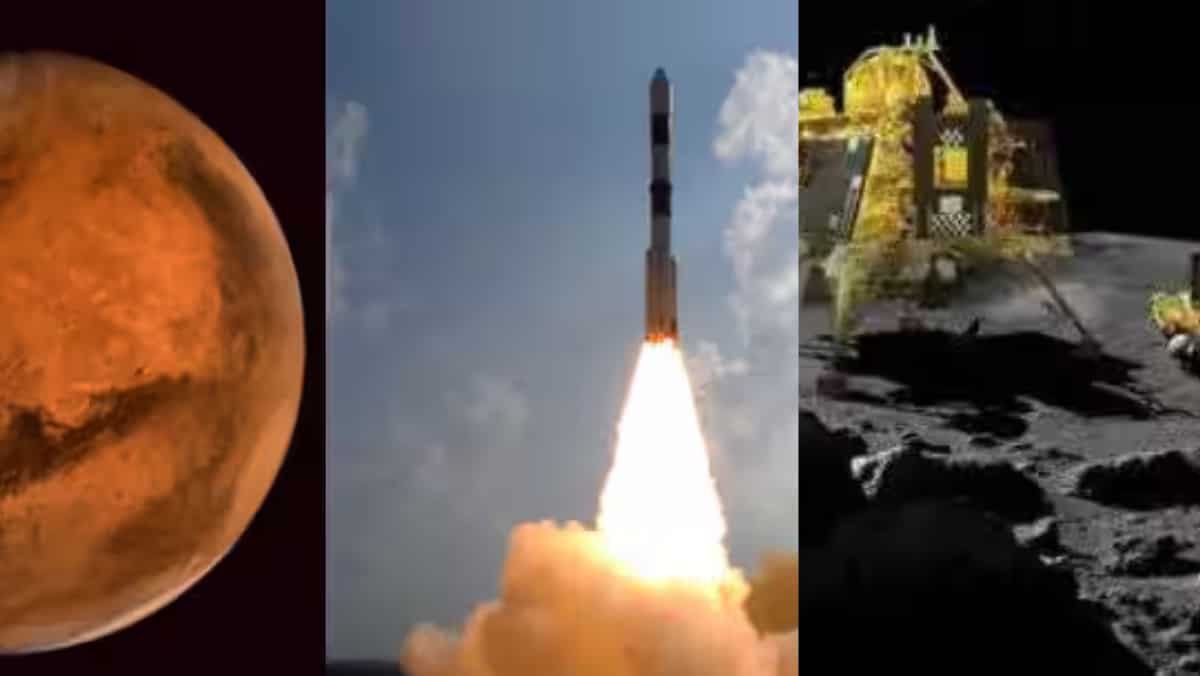
Chandrayaan-3 has been a complete success and mission's 14-day planned life ended on high note
It's been three days since the Indian space agency ISRO kept their metaphorical eyes and ears wide open, awaiting a signal from the re-awakened Chandrayaan-3. However, there has been no telemetry data coming from the Vikram Lander thus far, WION has learned.
Telemetry data is a technical term that refers to the regular status update and health report that a spacecraft sends back to its controllers on Earth. While all is silent on the Moon, memories have arrived from Mars, as September 24th, 2014 is when India's maiden Mars Orbiter Mission Mangalyaan entered Martian orbit and began circling the red planet.

Launched on November 5th, 2013, on board the PSLV rocket, Mangalyaan continues to be India's furthest foray into space as the craft traveled almost 10 months in space to reach its destination which was 401 million kilometres away.
For context, India's moon missions in the Chandrayaan series traveled a distance of 3.84 lakh kilometres. The craft entered Martian orbit on September 24th, 2014 and served its scientific purpose and mission until September 2022. Designed for a mission life of six months, the craft lived for nine years and provided valuable scientific data about the Red planet.
Also Read |'We walk the talk...': Jaishankar on India's unwavering commitment to South-South cooperation
)
Why asking questions could be more important than memorising answers
)
Osama Bin Laden ‘planned’ to target India, CIA reveals dozens of declassified documents
)
'Iran won't surrender': Pezeshkian sends blunt message to US while attending BRICS Summit in India
)
BRICS Summit 2026: Global leaders of BRICS nations attend main open session
)
Celine Dion makes emotional stage comeback after six years: 'I'm so delighted to see you'
)
PM Modi and China's Xi offered to help resolve Russia-Ukraine war: Kremlin
)
Why dehydration is the hidden cause of travel fatigue on long flights
&im=FitAndFill=(700,400))
Meet top 5 batters fastest to 3000 runs in T20Is
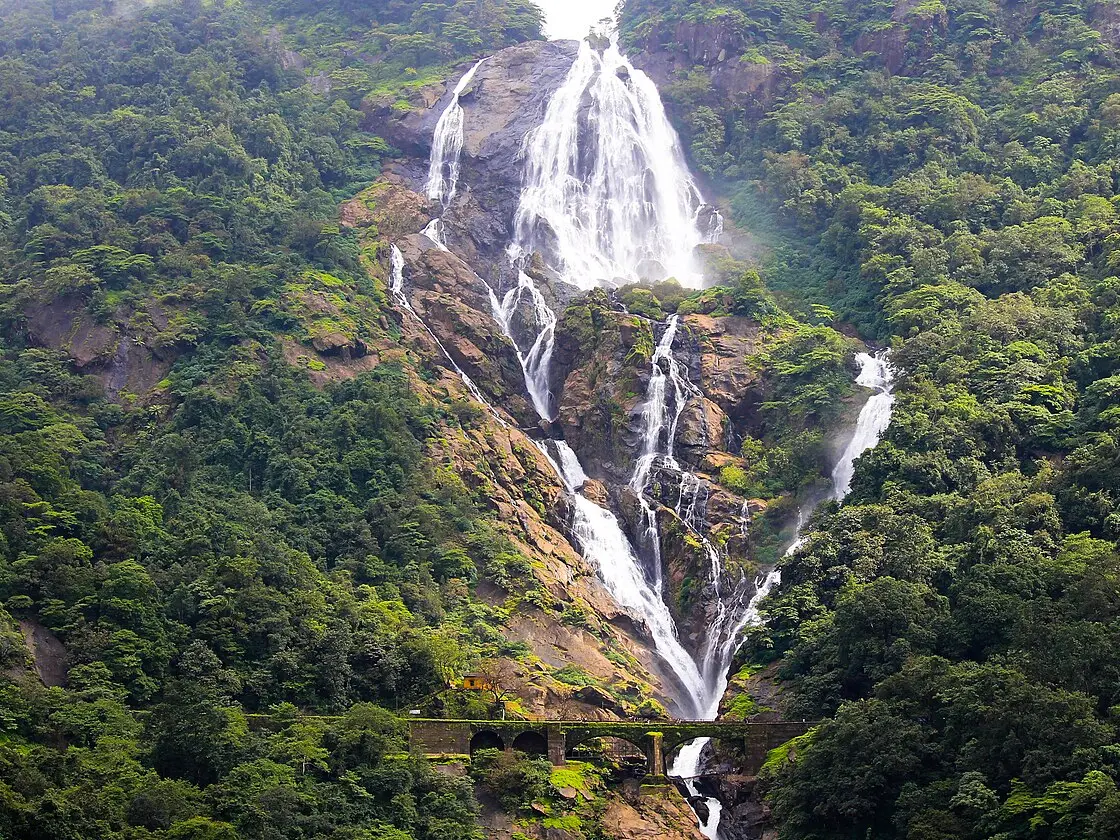)
Top 5 places to visit in Goa beyond its famous beaches
)
'He is popular...': Malaysian PM Anwar Ibrahim's praise for PM Modi during bilateral meeting | WATCH
)
BRICS Summit 2026: PM Modi, Xi reach key consensus on ties, China to assume BRICS chairmanship in 2027
)
BRICS Summit 2026: Consensus on joint declaration, diplomatic win for India
)
Trump says Canada eager to reach a deal, it could come ‘fairly soon’ if Ottawa treats US farmers better
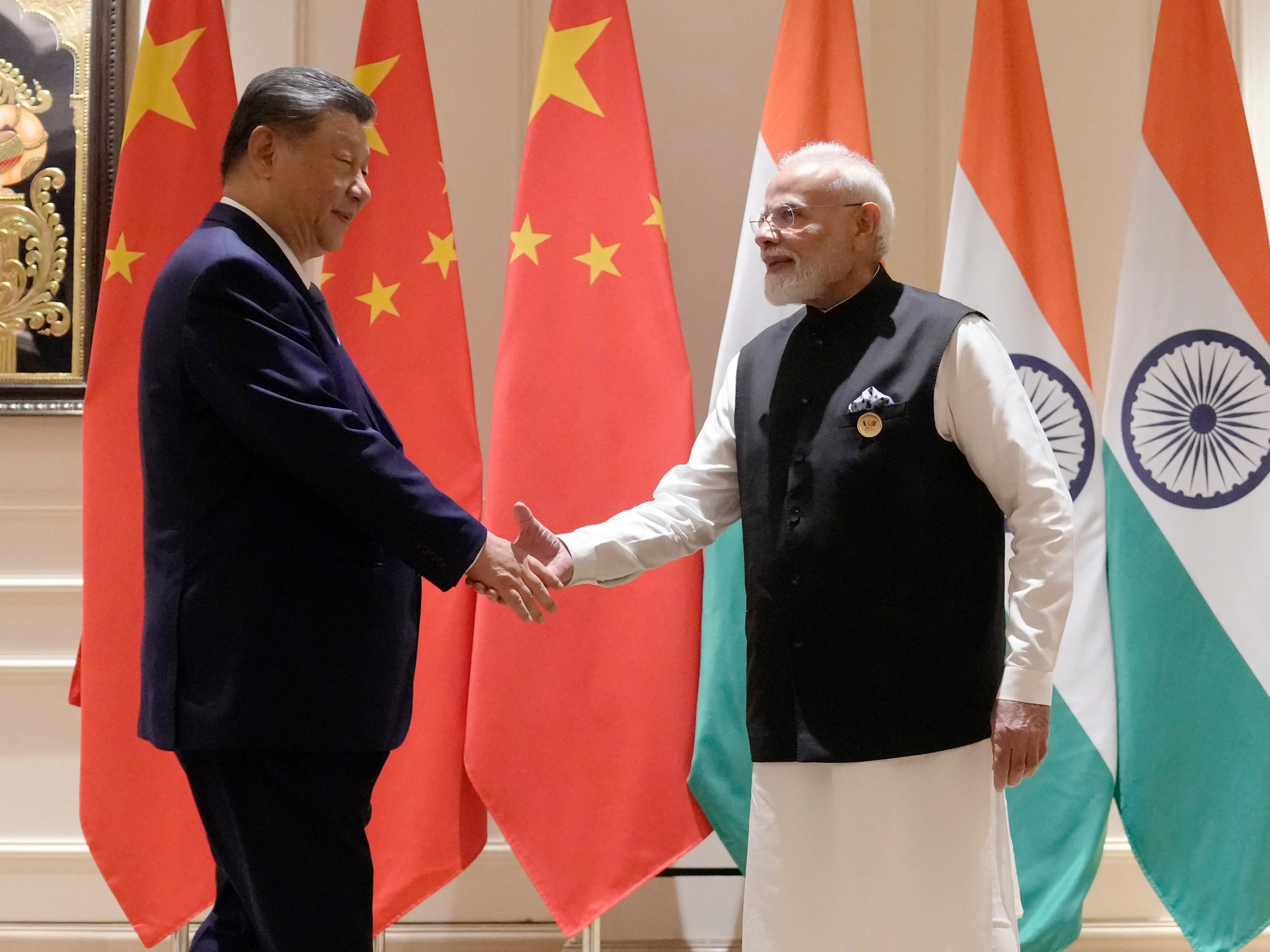)
‘Partners, not rivals’: Xi outlines four point plan for stronger India-China ties
&im=FitAndFill=(700,400))
Why Chinese PL-15 air-to-air missiles use dual-pulse motors compared to European interceptors
)
Could staying indoors all day affect your health?
)
BRICS Summit 2026: PM Modi addresses Day 2 of 18th BRICS summit
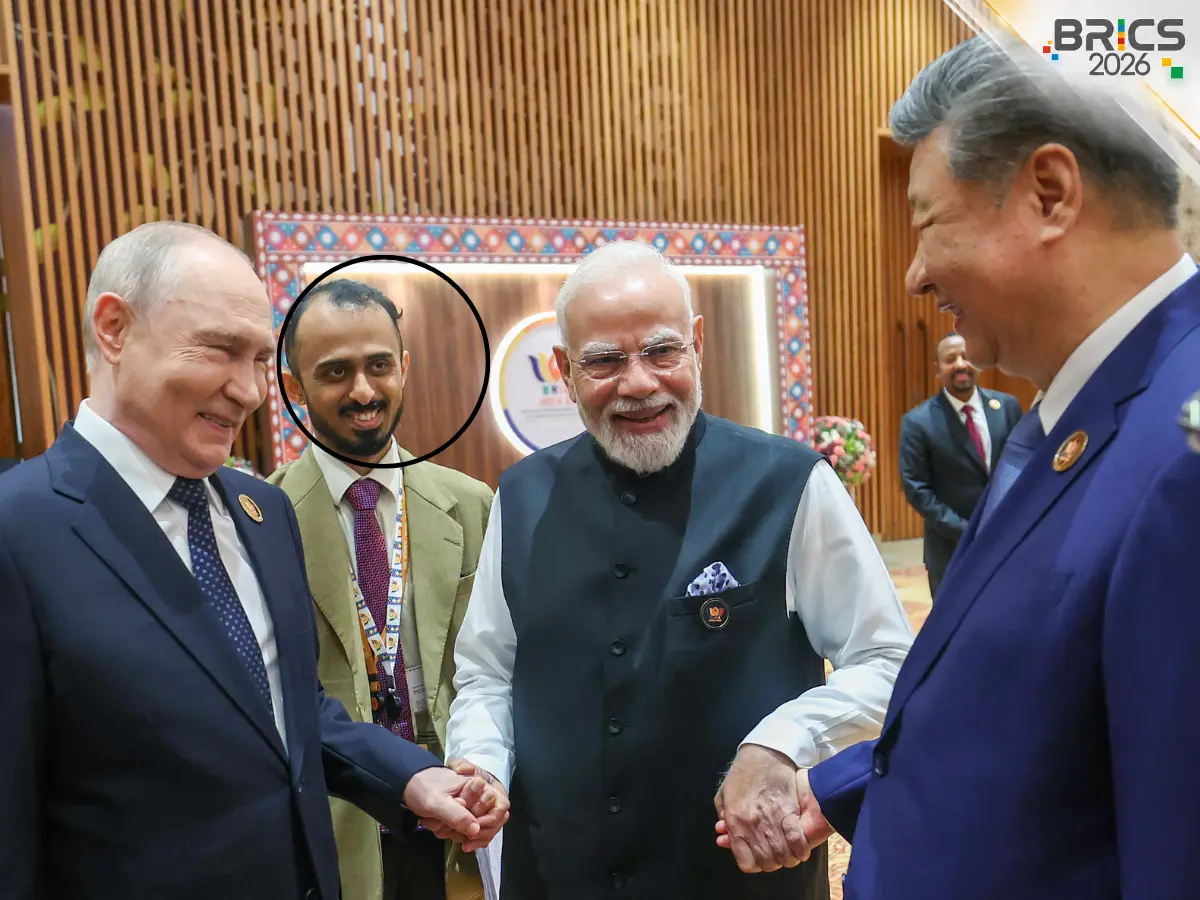)
Who is the smiling man beside Modi, Putin and Xi at BRICS Summit 2026?
)
800 million years old - Scientists discover 'fingerprints' of supercontinent Gondwana in ancient rocks
)
Why going digital does not always mean becoming more efficient
&im=FitAndFill=(700,400))
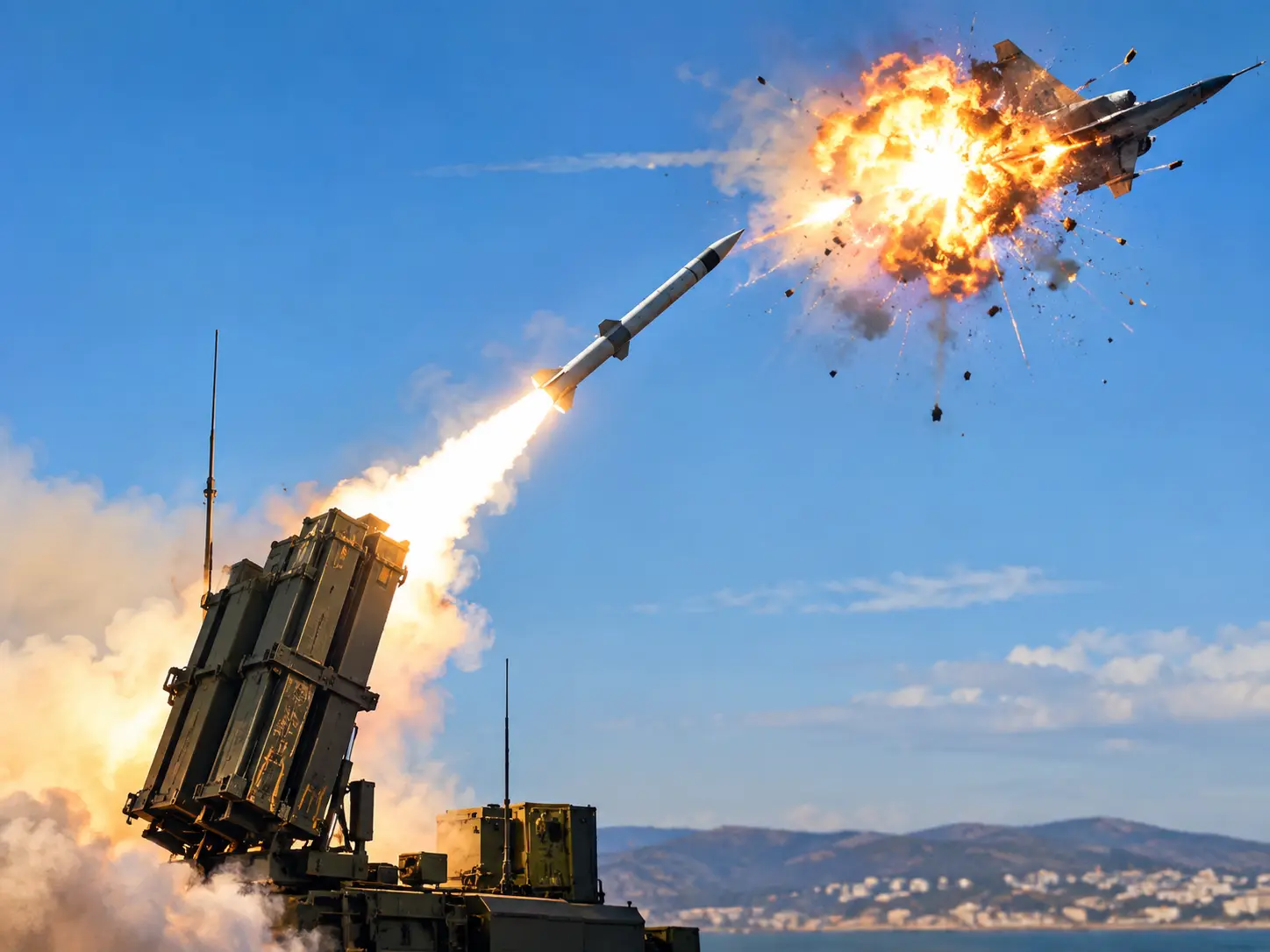
Why do air defence missiles explode near their target instead of hitting it?
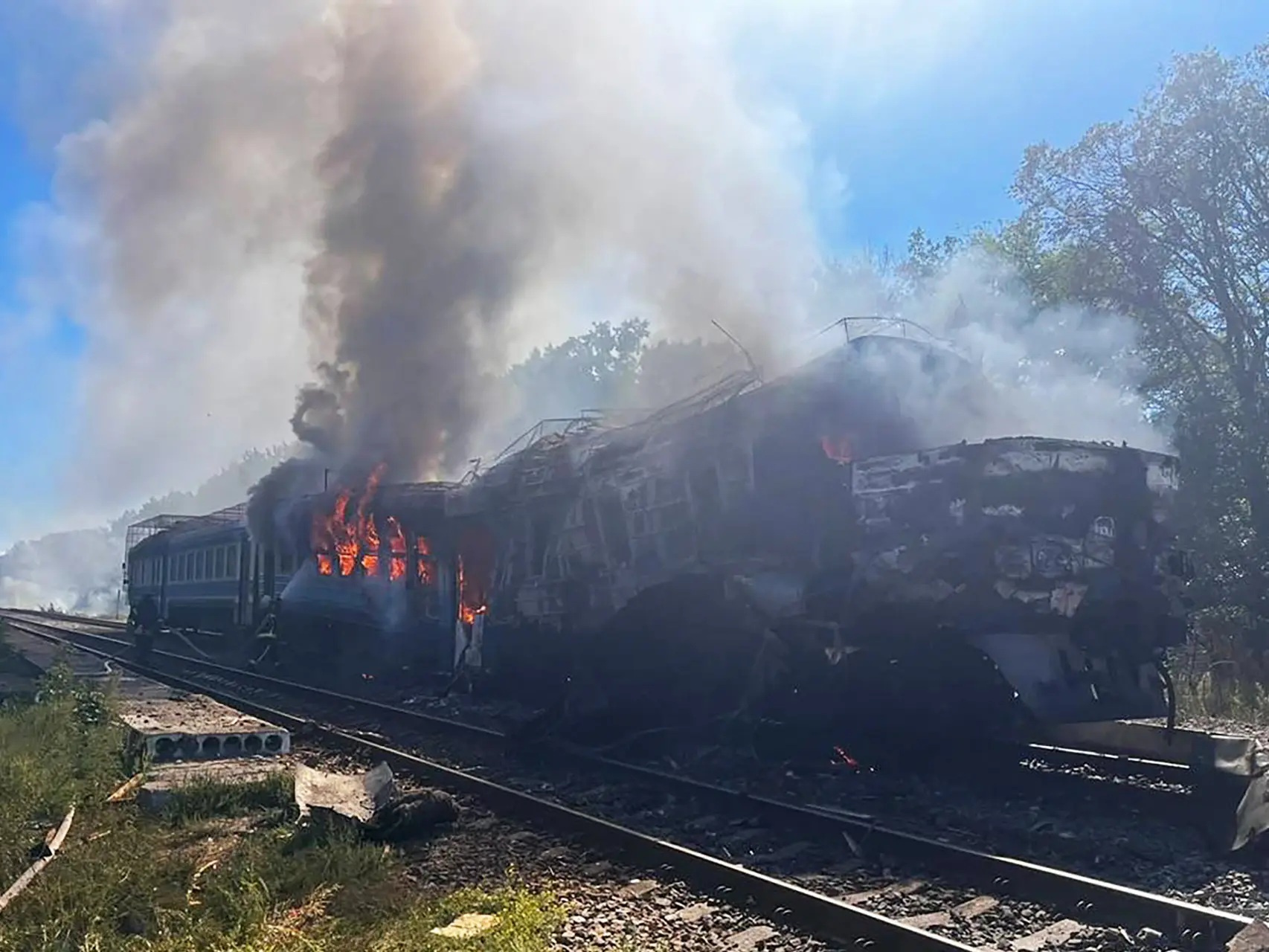)
Russian drone hits Warsaw-bound train near Polish border, Zelensky accuses Moscow of ‘deliberate’ targeting
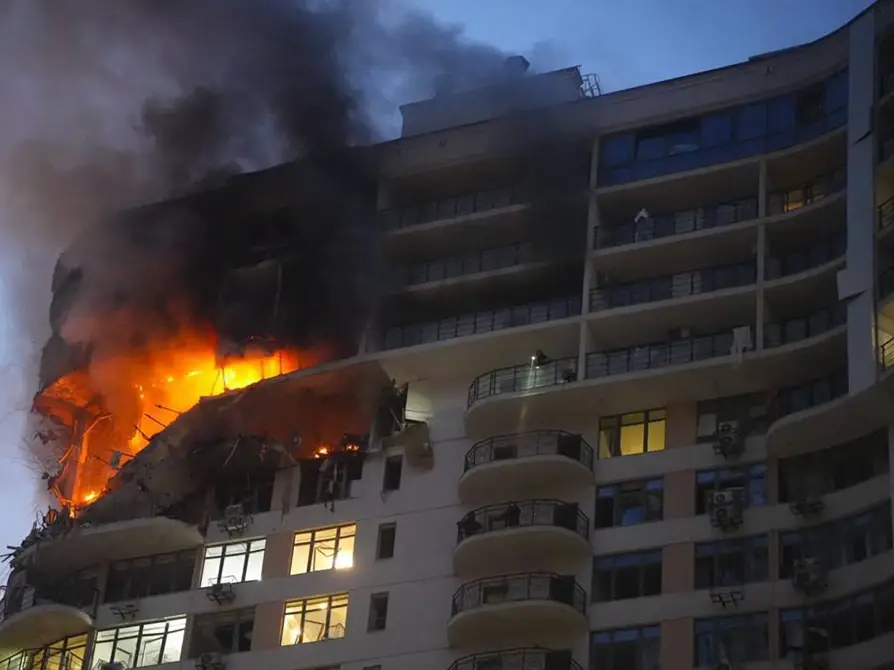)
War is making Russia stronger? How Ukraine is shaping Moscow’s next generation of weapons
)
Migration protests return to Portsmouth as rival demonstrations face off
)
From severe mobility problems to recovery: Madhuri the elephant’s journey of wildlife care
)
BRICS Summit day 1: New Delhi declaration adopted with full consensus, big diplomatic win for India
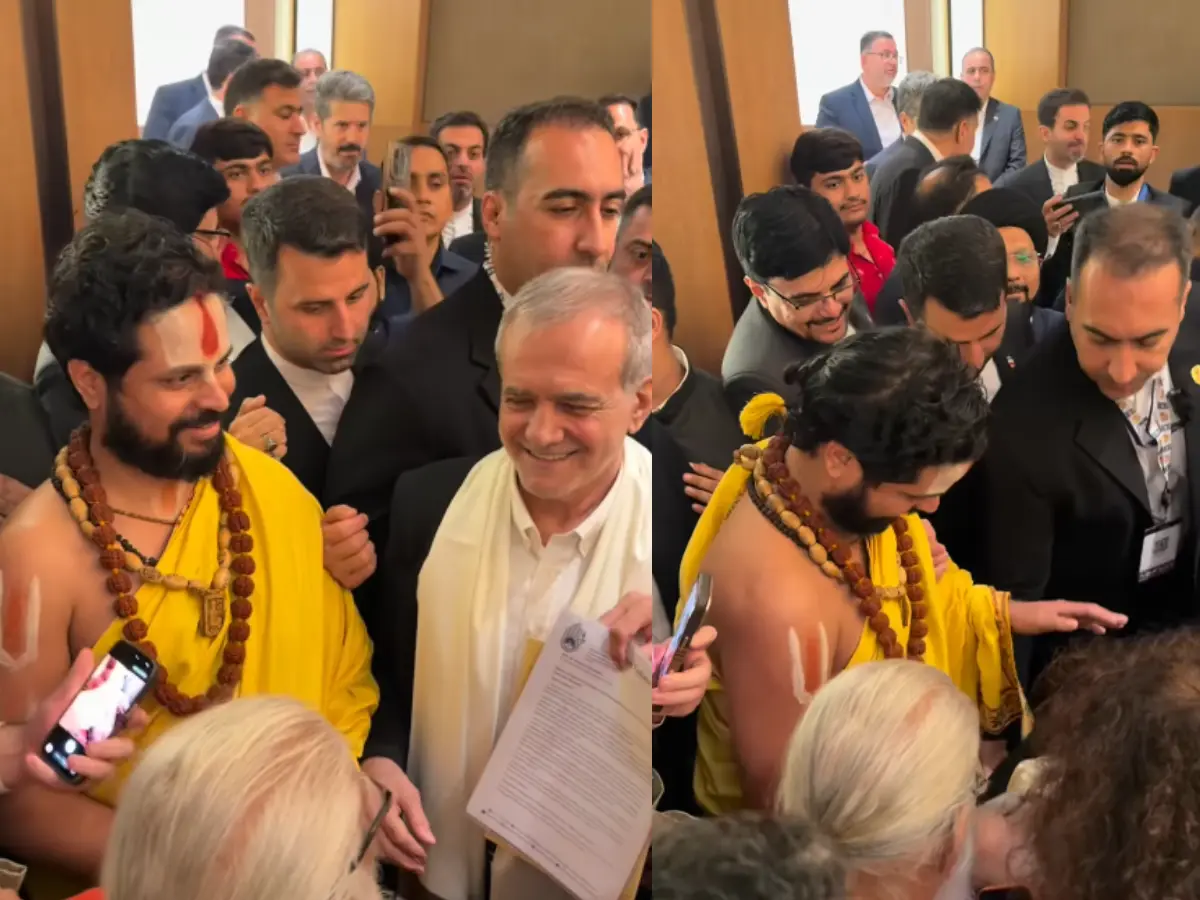)
Did Iran President Pezeshkian touch feet of Hindu spiritual leader at Delhi event as shown in viral video?
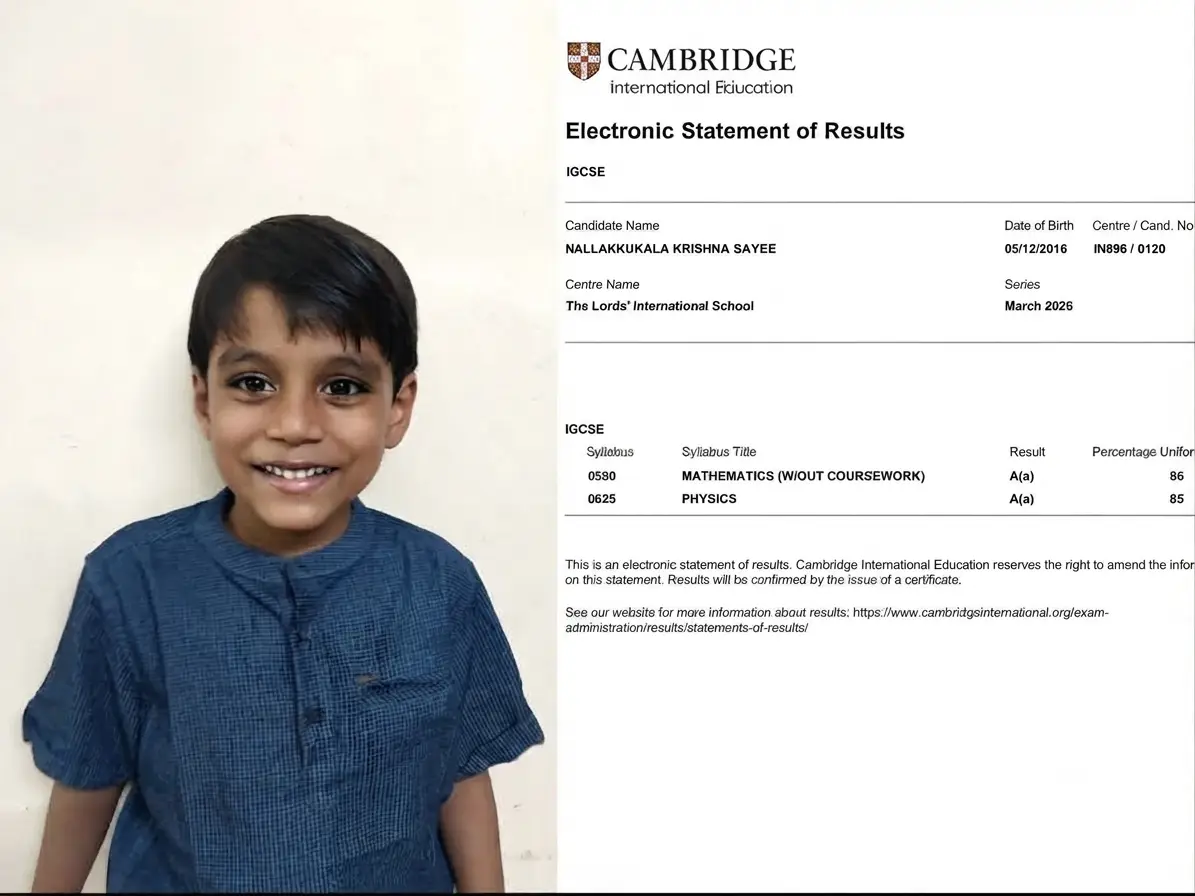)
9-year-old Chennai prodigy clears Cambridge IGCSE grade 10 exams
)
Why does your body need time to adjust after a long journey?
)
BRICS Summit 2026: PM Modi to hold bilateral with leaders of seven countries
)
Ramanathaswamy temple takes centre stage as PM Modi welcomes world leaders at BRICS
)
Houthis launch cross-border strike on Saudi Arabia as Yemen war escalates
)
BRICS Summit 2026: Chinese president Xi Jinping departs from New Delhi after attending BRICS summit
)
Why does your skin need protection from UV rays?
)
How does the loss of forests affect the way wildlife lives and moves?
)
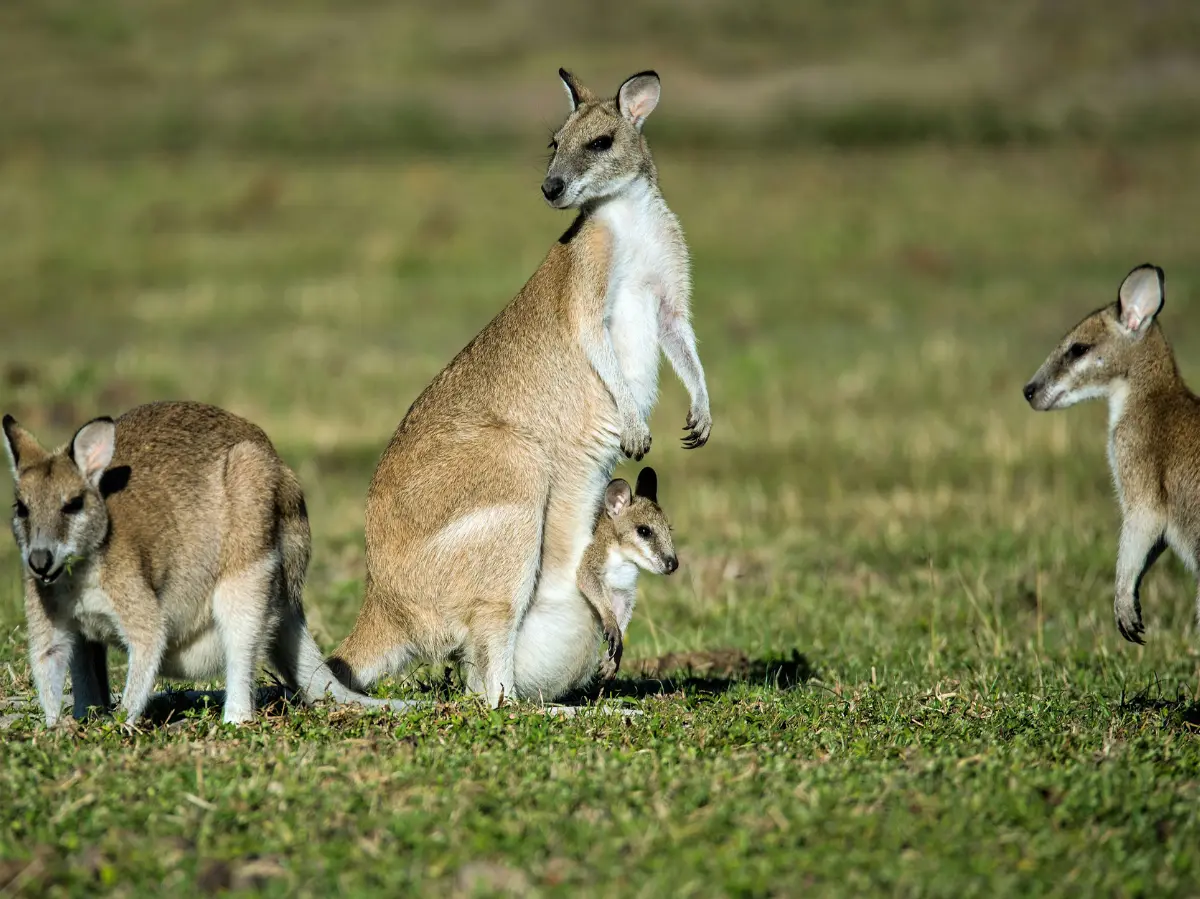
IND vs AFG, 1st T20I: When and where to watch live streaming in India?
)
Why do wild animals need quiet places to survive?
)
Bigg Boss 20: Qazi Touqeer gets a special ‘rockstar’ moment from Salman Khan
)
Humans may lose control of AI: Anthropic CEO calls for slowdown, Altman, Musk back him
As far as Chandrayaan-3 is concerned, it's been three days since September 22nd, which has been the expected re-awakening date. While the deep space antennae of ISRO and the partner agencies from abroad are peering at the moon to receive any signal emissions from the Vikram lander, there is no progress so far.
ISRO plans to wait out the entire duration of the Lunar Day (which ends in the first week of October), to see if Chandrayaan-3 will have a second lease of life.
Watch |Mann Ki Baat 105th Edition: ‘G20 doubled the joy of every Indian,’ says Indian PM Modi
It must be remembered that Chandrayaan-3 has been a complete success and the mission's 14-day (1 Lunar day) planned life ended on a high note after the lander was made to perform a hop test on the moon.
ISRO knew fully well that surviving the Lunar night(where temperatures could fall to minus 200 degrees Celsius), was very tough and challenging. All lunar missions that are meant to survive the Lunar night are equipped with a Radioisotope thermoelectric generator(a sort of Nuclear battery).
However, Chandrayaan-3 doesn't have such a device that would both power it and keep it warm through the night. This is because India hasn't developed such a technology, so far. The possible re-awakening is nothing more than a bonus or a life extension for the already completed mission.
One might ask why ISRO did not consider insulating the Lunar lander and rover to survive the night, but any such alteration would change the design and drastically increase the payload mass of the spacecraft and pose challenges to the launch mission.
This is because India's LVM3 rocket has a payload-lifting capability of 4 tons to high-earth orbits and payloads have to be within that limit. The Chandrayaan-3 craft(comprising propulsion module, lander, and rover) weighed a little over 3.9 tons, so the payload capacity of the vehicle was utilized almost entirely.
Reports say that the rear wheels of the Pragyan rover were not able to make a clear imprint of the Indian National emblem and the ISRO logo on the Lunar surface, owing to lumpy soil. The imprinting of the logos on the Lunar surface depends on a lot of factors - the type of soil at the site, the mass of the rover, the depth of the impression on the wheel, etc.
It must be remembered that the Pragyan rover weighed only 26kgs and with lunar gravity being 1/6th that of Earth, it would weigh less than 4.5kgs there.
WATCH WION LIVE HERE You can now write for wionews.com and be a part of the community. Share your stories and opinions with us here.
