&imwidth=800&imheight=600&format=webp&quality=medium "Ajit Pawar death: AAIB probe points to low visibility, safety gaps at Baramati airport")
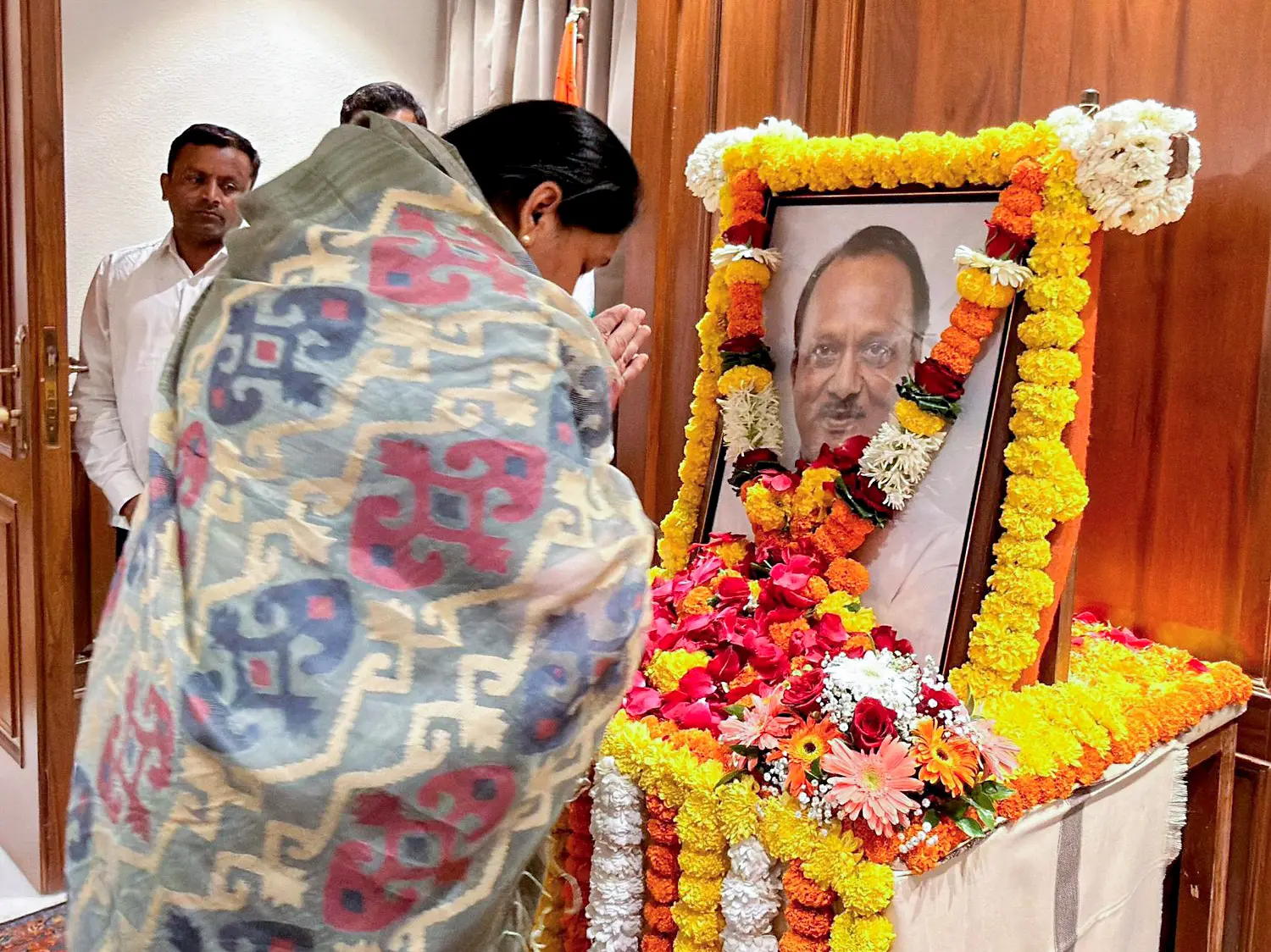
The preliminary report into the death of former Maharashtra Deputy Chief Minister Ajit Pawar by the Aircraft Accident Investigation Bureau (AAIB) has cited low visibility and safety gaps at the airfield as potential reasons for the crash. The NCP chief died in an aircraft crash at Baramati Airport in Maharashtra during an emergency landing attempt. Two pilots and two security personnel accompanying him also died.
The Learjet 45 aircraft, operated by VSR Ventures, was flying from Mumbai to Baramati when it crashed while attempting to land at the airfield, killing all five people on board.
The visibility reported at Baramati on January 28 at the time of landing of aircraft VT-SSK was below the minimum requirement of five kilometres, the AAIB said in its preliminary report on Saturday.

The report noted that the crew asked for visibility while approaching Baramati, to which the tower replied 3,000 metres (three kilometres), well below the required five kilometres. It also highlighted that no dedicated meteorological facility is available at Baramati Airfield, and weather information is usually passed to aircraft using an instrument installed in the temporary tower.
Inspection of Baramati Airfield revealed that the airport is an uncontrolled airfield and lacks navigational aids other than wind socks. Two wind socks are available toward the Runway 29 side, while none were available toward Runway 11, where the aircraft carrying Pawar attempted to land.
Highlighting other discrepancies, the report said only Visual Flight Rules (VFR) operations are permitted; however, regular flying training and non-scheduled operations are conducted at the airport. The last runway re-carpeting was carried out in March 2016, and the absence of fresh surfacing has resulted in faded runway markings and the presence of loose gravel.
Trending Stories
)
Spanish officer sent home from NATO base over affair with 'Russian spy' | Gravitas
)
West Bengal IPS officer Bushra Bano transferred after objections to ‘Assalamualaikum’, ‘Inshallah’
)
Water equivalent to two Pacific Oceans could be stashed 2,900 km inside Earth
)
Who was Eliana Moreno? NBC LA aerial reporter killed in Chatsworth crash
)
Pakistan naval vessel returns to harbour with 'severe damage' after collision with Indian warship in Arabian Sea
)
Saudi Arabia discovers 110 million tonnes of Uranium-rich ore in Madinah region
&im=FitAndFill=(700,400))
New OTT releases this week (September 14-20, 2026): Lust Stories 3, Waiting Hai, Irumudi- 5 new titles coming on Netflix, Prime Video and more
)
Space mines, lasers & robotic arms: Lt Gen Pannu decodes US disclosure of weapons in space
)
'Like a thug you are using agency to go after..': Kash Patel grilled by Senate Democrats over FBI firings, journalist investigations and hiring policy
)
Ex-India all-rounder Yuvraj Singh wants India to avoid 'massive changes' before ODI World Cup 2027
)
Ed Sheeran’s US tour loses all support acts after Macklemore’s removal | Controversy explained
)
'Definitely feel bad for yourself': Kuldeep Yadav opens up on India Test snubs
)
Messi set to play in farewell match on October 6 in Argentina vs Benin friendly
)
Sydney Sweeney defends provocative ad choice, the internet is still not impressed
)
Ex-England footballer Raheem Sterling pleads guilty in reckless driving and crashing his Lamborghini
)
'Now Trump is copying us': Shivakumar links US $5,000 plan to Congress guarantees
)
Saudi Arabia accuses Houthis of drone attack on Mecca, first-ever red alert in Islam's holiest site sparks panic
)
Trump's Iran war faces fresh House rebuke; 7 Republicans join Democrats in push to end conflict ahead of midterms
)
China's property crisis deepens as investment plunges nearly 20%
)
‘US military task force aiding Saudi Arabia forces with intel, planning support’: Official
)
India’s imports from Russia jump 57% in five months; China remains top import source
)
US Treasury yields cross 5% as Scott Bessent warns of ‘global issues’ impacting bonds
)
Putin-linked Russian oligarch, Melania links: Why Trump skipped his son’s Bahamas wedding bash?
)
US fires up to 70 interceptors against Iran attack on Jordan, putting supplies under pressure
)
Bitter Zelensky snubs Trump for playing politics with Ukraine war | Gravitas
)
800 million years old - Scientists discover 'fingerprints' of supercontinent Gondwana in ancient rocks
)
Los Angeles helicopter crash: At least three dead, several injured; NTSB to investigate
)
Ex-CIA officer caught with gold bars worth $40 million seeks plea deal | Gravitas
)
Shahzad Bhatti Network declared terrorist organisation under UAPA: Govt order
)
Who is Kalyan Bainsla, accused in the Gurugram hit-and-run case involving woman biker?
)
OpenAI boss Sam Altman repeats AI 'slow down' call, says world 'right to be afraid'
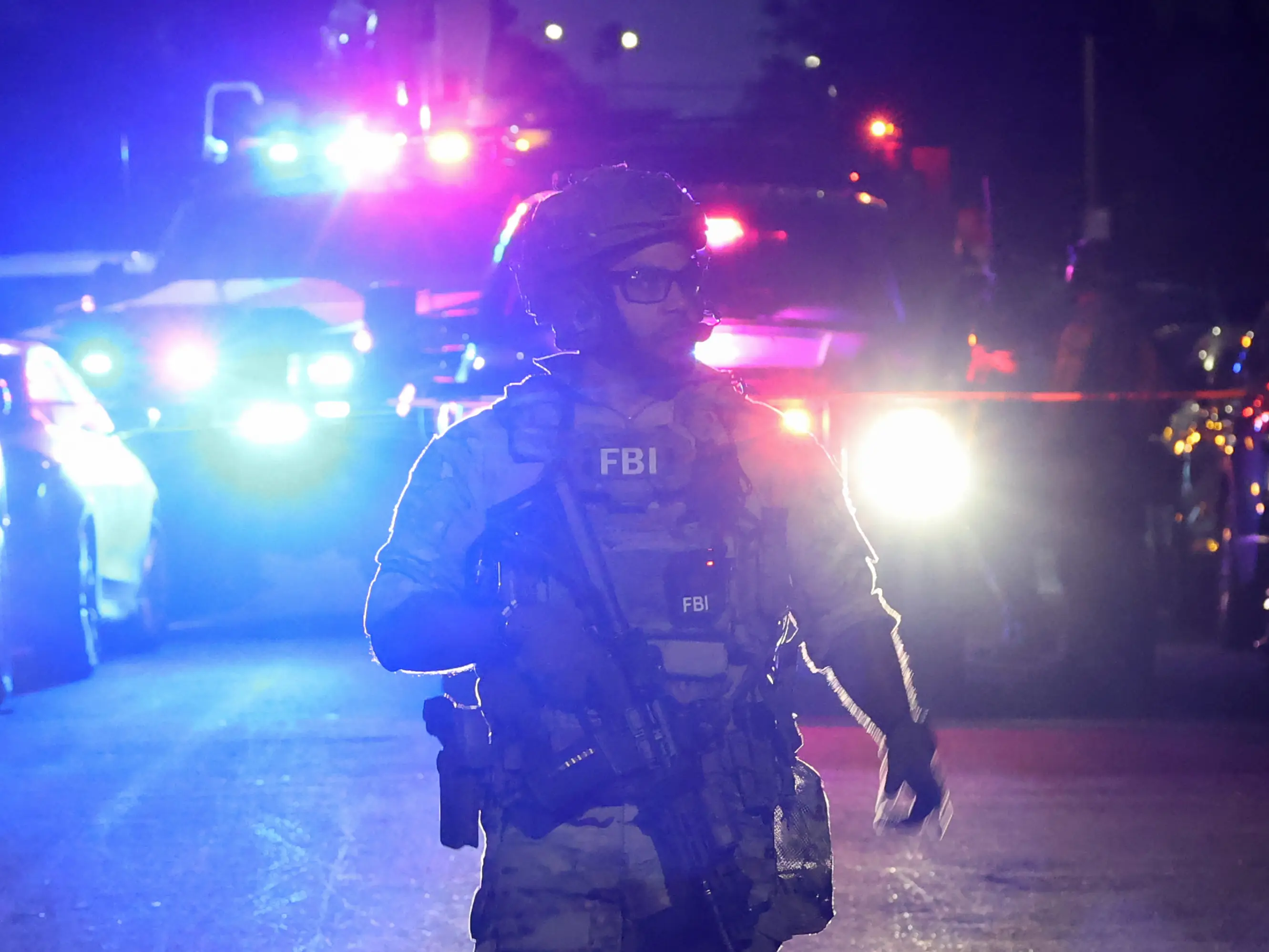)
‘Kill all in the name of...’: FBI arrests 21-year-old over alleged ISIS-inspired mass-casualty attack plot
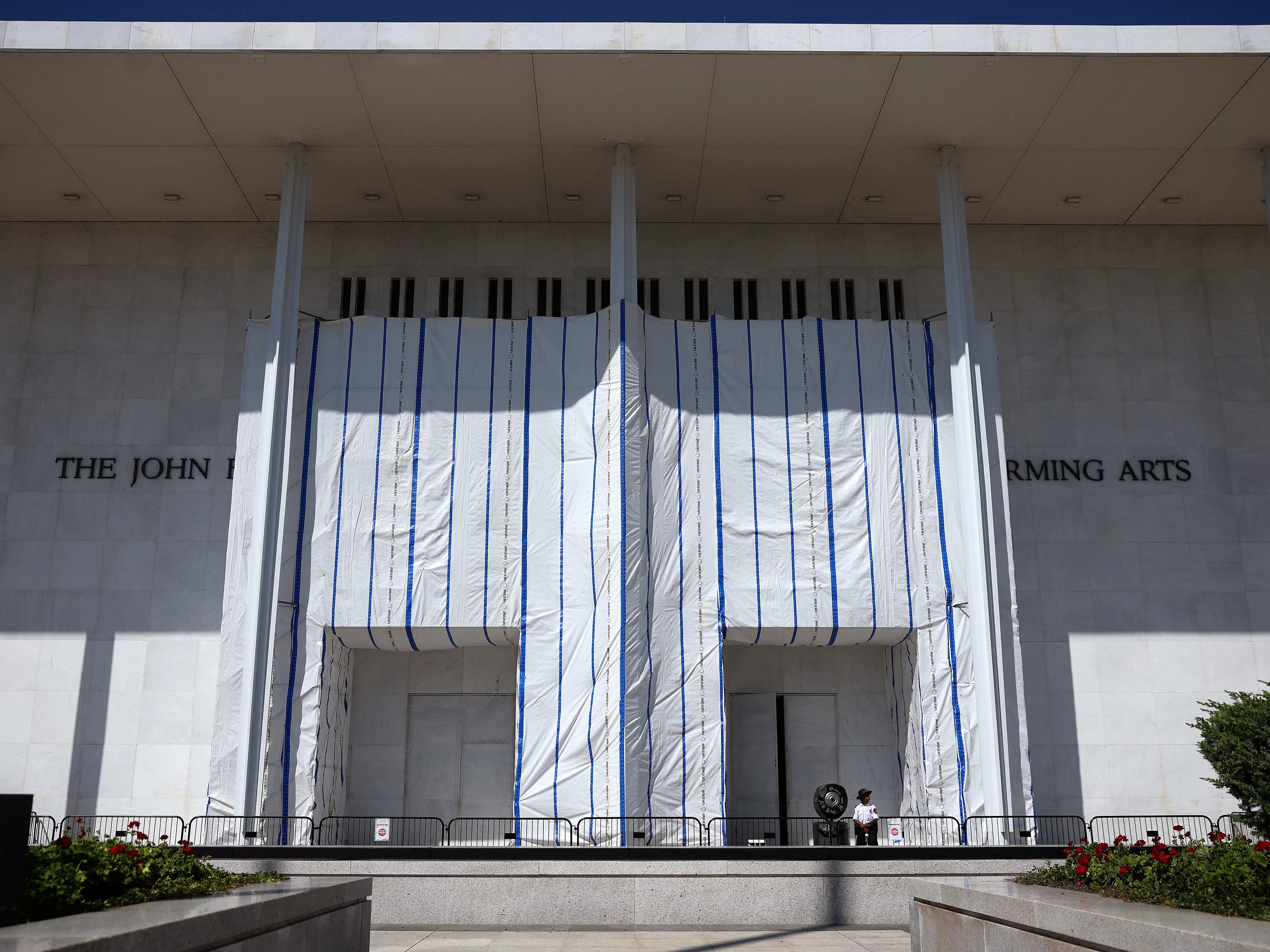)
Trump's name cannot return to Kennedy Center, US judge rules
)
Top military commanders from US, Israel, and 7 Arab nations held secret meeting on Iran War
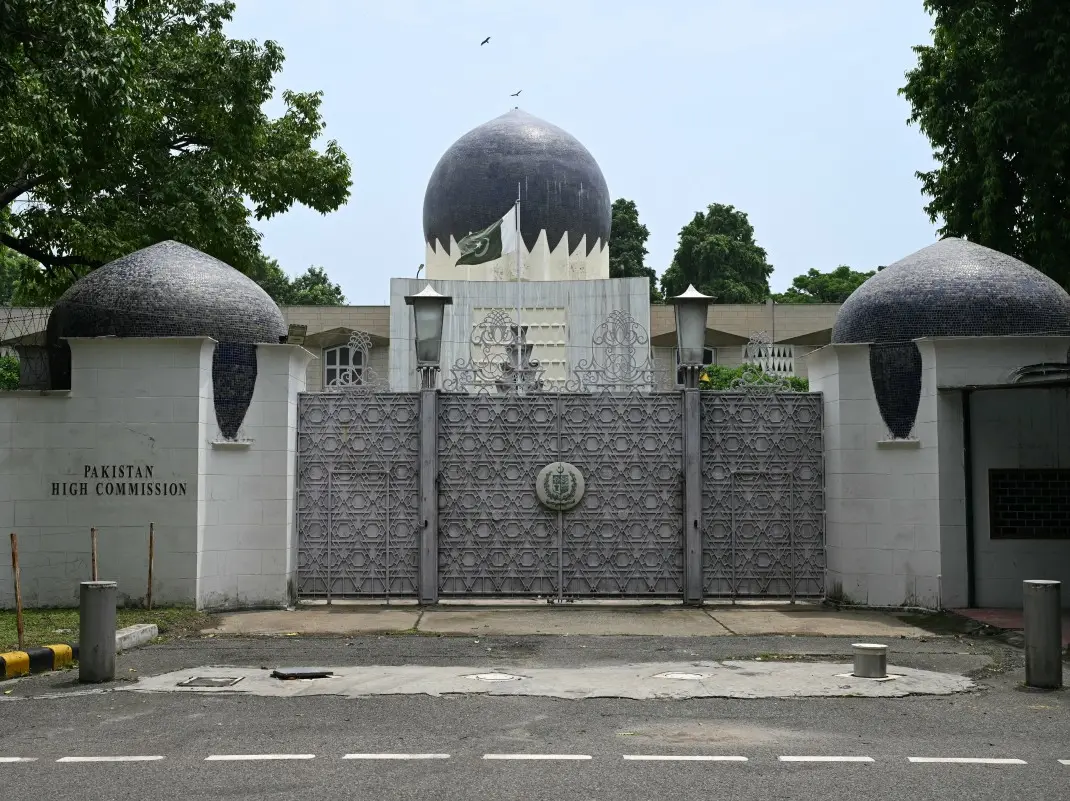)
India summons top Pakistan diplomat after Pak Navy ship collides with Indian warship at high seas
The aircraft was attempting to land on Runway 11 after obtaining clearance from Baramati tower.
Both flight recorders, the Solid-State Flight Data Recorder (SSFDR) and Solid-State Cockpit Voice Recorder (SSCVR), were found in their original location in the tail section of the wreckage. They were removed and quarantined for data recovery and further analysis, the report said.
The AAIB added that the aircraft’s last flight on the Mumbai–Surat–Mumbai sector on January 26 reported no abnormalities. The operating crew and technicians also reported no issues during post-flight inspection.
Investigators found that both pilots had previously flown to Baramati and were familiar with the airfield’s topography. The crew also had experience operating VIP and other flights to uncontrolled airfields, including Baramati. The pilots had also passed the Breath Analyser (BA) test.
The probe authority recommended that the DGCA issue directions to operators conducting VFR flights to uncontrolled airfields to strictly adhere to standard operating procedures.