Air India Phuket-Delhi Flight probe: Preliminary report reveals hydraulic failure and pilot's positive drug test

&imwidth=600&imheight=450&format=webp&quality=medium "Air India Phuket-Delhi Flight probe: Preliminary report reveals hydraulic failure and pilot's positive drug test")
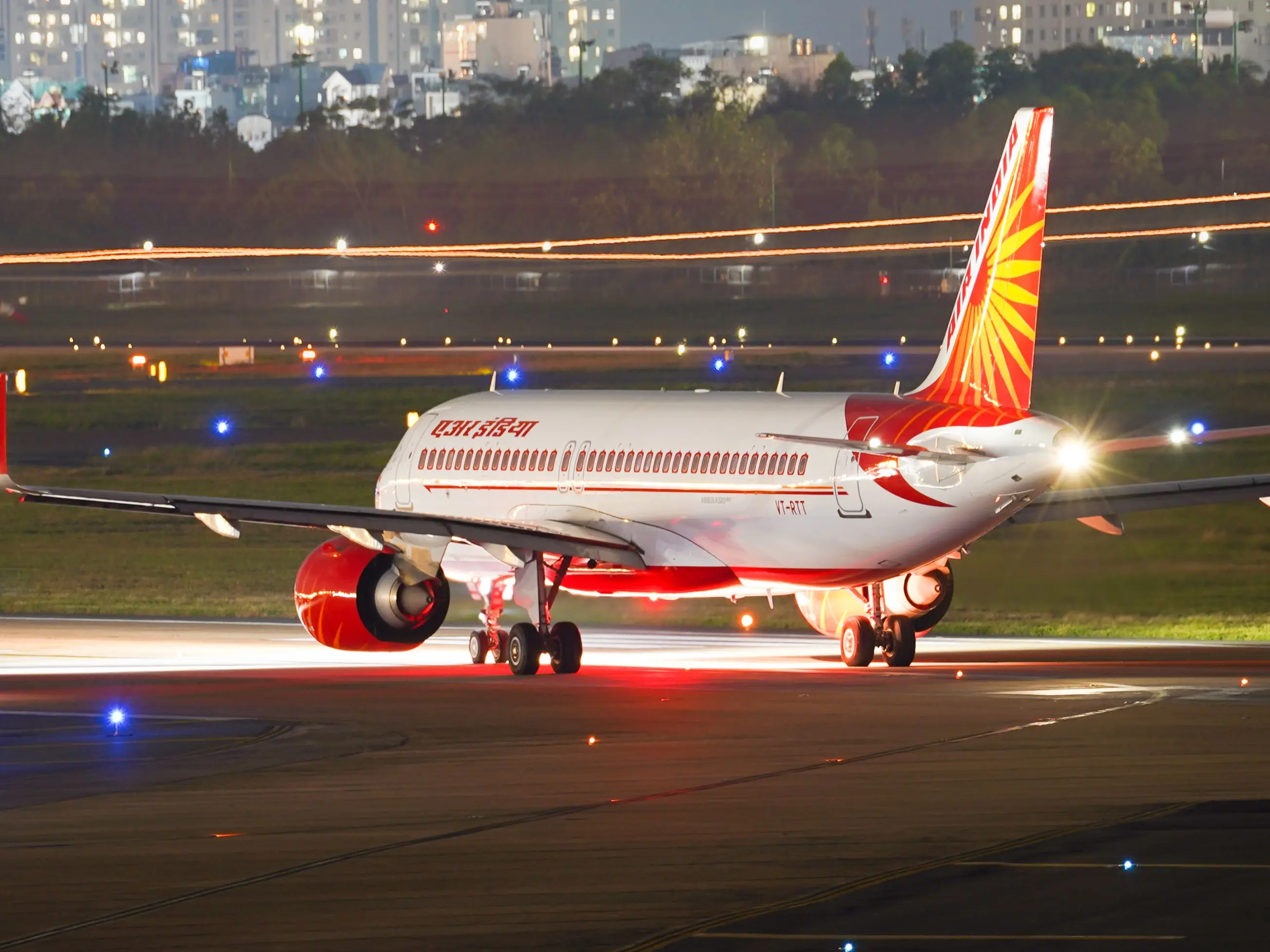
Air India Phuket-Delhi Flight probe: Preliminary report reveals hydraulic failure and pilot's positive drug test Photograph: (Credit: Pexels/Representative image)
An AAIB preliminary report into an Air India Phuket-Delhi flight revealed a sudden hydraulic failure alongside a positive drug test for the pilot operating the aircraft.
A sudden in-flight systems failure that caused an Air India Airbus A320neo to pitch violently while cruising at 36,000 feet has been officially reclassified from a severe turbulence event to an aviation accident, following widespread cabin damage, multiple injuries, and a positive pilot drug test.
According to a preliminary report released Friday by India’s Aircraft Accident Investigation Bureau (AAIB), Flight AI-2379 was en route from Phuket to Delhi on August 4, 2026, carrying 145 passengers and eight crew members, when it suffered a catastrophic sequential failure of its primary flight systems.
Also read: Smoke alarm triggers emergency landing of Air India Express flight in Lucknow – What happened?
While cruising in the Kolkata Flight Information Region (FIR), the aircraft experienced a complete loss of its Green hydraulic system, followed four seconds later by the simultaneous failure of its Blue and Yellow hydraulic systems. The rapid loss of hydraulic pressure triggered an autopilot disengagement, continuous warning chimes, and a two-second stall warning. During the emergency, the aircraft abruptly climbed 372 feet before plunging 292 feet.
Pressure across all three hydraulic systems recovered within seconds, restoring control to the flight crew. The pilots elected to continue to their destination, landing safely at Delhi's Indira Gandhi International Airport.
Trending Stories
&im=FitAndFill=(700,400)&imwidth=280&imheight=210&format=webp&quality=medium)
&imwidth=280&imheight=210&format=webp&quality=medium)
&imwidth=280&imheight=210&format=webp&quality=medium)
&imwidth=280&imheight=210&format=webp&quality=medium)
&imwidth=280&imheight=210&format=webp&quality=medium)
&imwidth=280&imheight=210&format=webp&quality=medium)
&imwidth=280&imheight=210&format=webp&quality=medium)
&imwidth=280&imheight=210&format=webp&quality=medium)
&imwidth=280&imheight=210&format=webp&quality=medium)
&imwidth=280&imheight=210&format=webp&quality=medium)
&imwidth=280&imheight=210&format=webp&quality=medium)
&imwidth=280&imheight=210&format=webp&quality=medium)
&imwidth=280&imheight=210&format=webp&quality=medium)
&imwidth=280&imheight=210&format=webp&quality=medium)
&imwidth=280&imheight=210&format=webp&quality=medium)
&imwidth=280&imheight=210&format=webp&quality=medium)
&imwidth=280&imheight=210&format=webp&quality=medium)
&imwidth=280&imheight=210&format=webp&quality=medium)
&imwidth=280&imheight=210&format=webp&quality=medium)
&imwidth=280&imheight=210&format=webp&quality=medium)
&imwidth=280&imheight=210&format=webp&quality=medium)
&imwidth=280&imheight=210&format=webp&quality=medium)
&imwidth=280&imheight=210&format=webp&quality=medium)
&imwidth=280&imheight=210&format=webp&quality=medium)
&imwidth=280&imheight=210&format=webp&quality=medium)
&imwidth=280&imheight=210&format=webp&quality=medium)
&imwidth=280&imheight=210&format=webp&quality=medium)
&im=FitAndFill=(700,400)&imwidth=280&imheight=210&format=webp&quality=medium)
&imwidth=280&imheight=210&format=webp&quality=medium)
&imwidth=280&imheight=210&format=webp&quality=medium)
&imwidth=280&imheight=210&format=webp&quality=medium)
&imwidth=280&imheight=210&format=webp&quality=medium)
&imwidth=280&imheight=210&format=webp&quality=medium)
&imwidth=280&imheight=210&format=webp&quality=medium)
&imwidth=280&imheight=210&format=webp&quality=medium)
&imwidth=280&imheight=210&format=webp&quality=medium)
&imwidth=280&imheight=210&format=webp&quality=medium)
&imwidth=280&imheight=210&format=webp&quality=medium)
Pilot Tests Positive for Psychoactive Substances
Mandatory post-flight medical screenings conducted upon arrival revealed critical safety violations. While both pilots passed breath-analyser tests for alcohol, initial screenings and subsequent pathological blood tests confirmed that the Pilot-in-Command (PIC) tested non-negative for psychoactive substances. The co-pilot tested negative across all screenings.
Calling the findings a matter of "serious concern," the AAIB issued an interim safety recommendation urging the Directorate General of Civil Aviation (DGCA) to take immediate regulatory action.
The seat-belt sign was switched off during the sudden altitude fluctuation; 24 people onboard suffered injuries. Twenty passengers and crew members were treated for minor injuries and discharged, while four individuals were hospitalised with serious injuries.
While the main airframe suffered no structural damage, the sudden forces caused extensive internal cabin destruction, including dislodged and cracked overhead stowage bins and ceiling panels. Broken handrails and damaged Passenger Service Units (PSUs). Damaged crew seating and an uprooted lavatory commode.
Ongoing Investigation
Investigators revealed that the aircraft was operating under Minimum Equipment List (MEL) conditions before departure due to an inoperative Power Transfer Unit (PTU) logged on July 28.
The AAIB confirmed that both the Flight Data Recorder (SSFDR) and Cockpit Voice Recorder (SSCVR) have been successfully downloaded. Technical representatives from Airbus and France’s Bureau d'Enquêtes et d'Analyses (BEA) have inspected the aircraft, and hydraulic fluid samples have been removed for laboratory analysis as the investigation continues.

