Why you should stop forcing yourself into difficult yoga poses

&imwidth=600&imheight=450&format=webp&quality=medium "Why you should stop forcing yourself into difficult yoga poses")
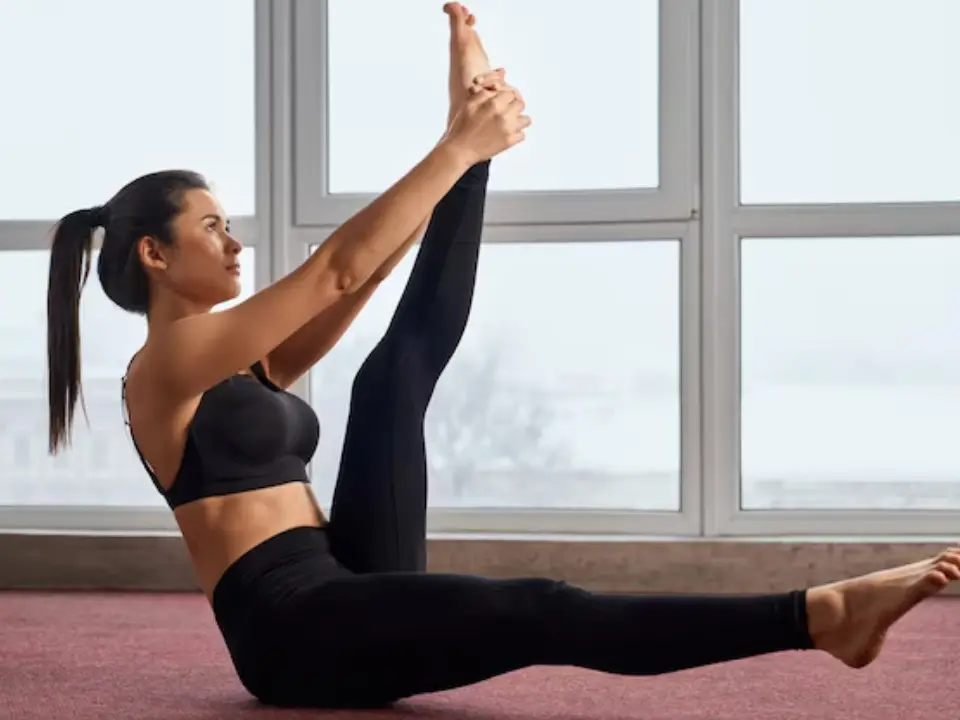
Yoga Photograph: (Freepik)
Pushing your body into advanced yoga poses like headstands and deep backbends without proper conditioning causes severe joint damage and muscle strains. Understanding the physical and financial risks of forcing difficult postures helps prioritise basic alignment to prevent long-term injuries.
While yoga is widely celebrated for its mental and physical health benefits, the pressure to master advanced poses is putting practitioners at serious risk. Pushing your body into painful contortions just to perfect a headstand or deep backbend can do more harm than good. Here is why you should stop forcing difficult yoga poses and start listening to your body instead.
The Alarming Rise in Yoga Injuries
The number of people getting hurt while practising yoga has grown significantly in recent years. Between 2001 and 2014, approximately 29,590 yoga-related injuries were treated in emergency departments in the United States. During this period, the injury rate increased from 9.5 to 17 per 100,000 participants. Older adults are particularly vulnerable, experiencing an injury rate of 57.9 per 100,000 participants. The most common injuries reported are sprains and strains, which affect the trunk area in 46.6 per cent of cases.
The Riskiest Poses You Should Avoid Forcing
Advanced poses require years of conditioning and should never be forced. A high percentage of yoga-related injuries are caused by advanced poses such as headstands, shoulder stands, and backbends like the lotus, wheel, or camel pose.
Shoulder stands: According to experts, shoulder stands apply significant pressure to the cervical vertebrae in the neck, forcing it to flex forward uncomfortably.
Trending Stories
)
)
)
)
)
)
)
)
)
)
)
)
)
)
)
)
)
)
&im=FitAndFill=(700,400))
)
)
)
&im=FitAndFill=(700,400))
)
&im=FitAndFill=(700,400))
&im=FitAndFill=(700,400))
)
Headstands: Headstands can be risky because they apply immense strain to the neck, shoulders, or hands.
Backbends: Moving too abruptly into backbends can twist the spine. If you have chronic back pain, you should avoid backbends unless supervised by an experienced teacher.
The Financial Impact of Joint Damage
Pushing past your physical limit is not a sign of progress; it is a clear path to long-term joint damage. Treatment for severe yoga injuries can be highly expensive. For instance, if you force a pose and suffer a meniscus tear in your knee, the surgical repair is costly. The cost of a standard arthroscopic meniscus repair in India ranges from Rs 80,000 to Rs 1,50,000. For more complex cases, the cost can escalate up to Rs 3,50,000.
Your yoga practice should focus on mindfulness, not competition. Prioritise your safety by listening to your body, modifying difficult poses, and focusing on proper alignment. Remember, a simple pose done correctly is far more beneficial than an advanced posture that risks your health and finances.
