
&imwidth=800&imheight=600&format=webp&quality=medium "Why is this Indonesian volcano famous for blue fire?")
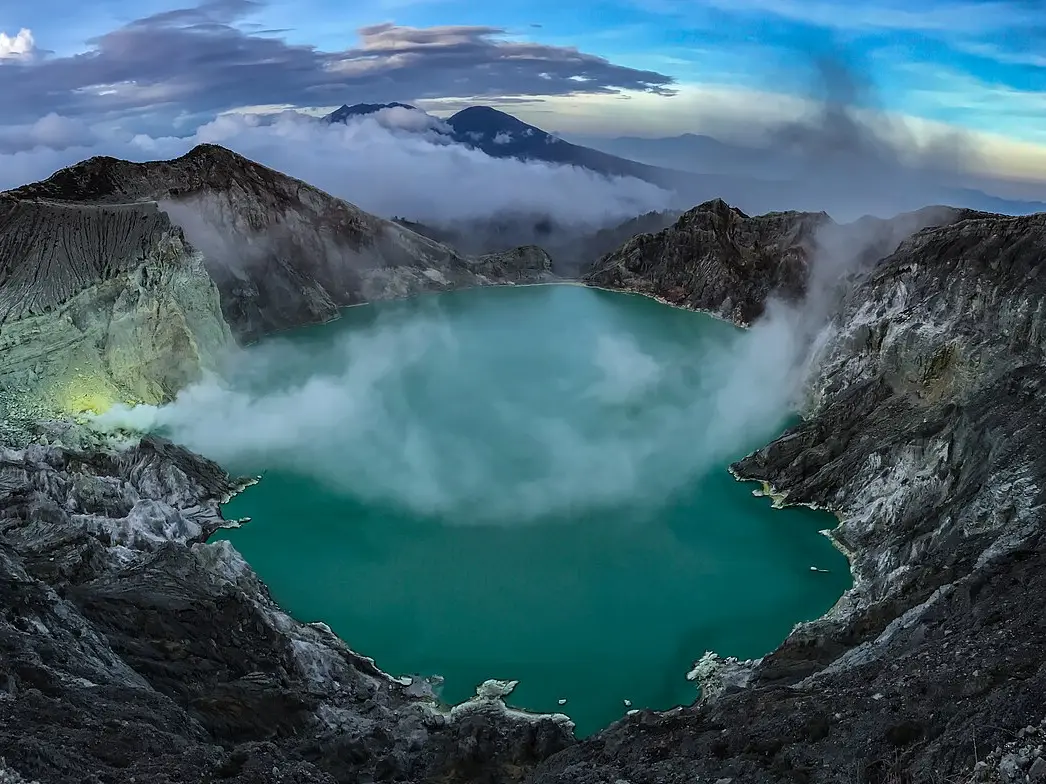
Deep in the heart of East Java, Indonesia, the Kawah Ijen volcano hides a spectacular secret that only reveals itself under the cover of darkness. While most volcanoes are known for the glow of red-orange molten rock, Ijen is world-famous for its ethereal "blue fire". This rare, neon-blue phenomenon draws travellers from across the globe, offering a glimpse into one of the most unique geological displays on Earth.
The science behind the blue glow
Contrary to popular belief, the "blue fire" is not actually blue lava. Lava itself is always red or orange, as it would require temperatures far beyond what Earth’s surface can naturally produce to burn blue.

Instead, the phenomenon is caused by the combustion of high-pressure sulfuric gases. These gases escape from volcanic cracks at temperatures exceeding 360°C. When they encounter oxygen-rich air, they ignite into brilliant, electric-blue flames that can reach up to 5 metres in height. In some instances, the sulfur condenses into a liquid state as it cools, flowing down the crater slopes while still burning, which creates the vivid illusion of blue lava streams.
A landscape of extremes
Beyond the blue flames, Kawah Ijen is home to the world’s largest highly acidic crater lake. With pH levels dropping as low as 0.5, the water is as acidic as car battery fluid, capable of dissolving metals and causing severe burns. The turquoise-coloured lake remains warm, averaging 60°C, due to the intense volcanic heat bubbling beneath the surface.
Trending Stories
&im=FitAndFill=(700,400))
National Handloom Day 2026: From Alia Bhatt to Samantha Ruth Prabhu; Actresses who celebrated India's textile heritage as brides
)
The Royals enter the Doctor Who universe: King Charles and Queen Camilla beam into Commonwealth Games in TARDIS
)
No connection between Jantar Mantar protesters and Pakistan-based ISI terror module, Punjab Police clarify
)
'Massive attack coming... wait, never mind': Iran mocks US 'theatre diplomacy,' rejects Trump's claim of Hormuz progress
)
Reels vs Results: Why political messaging alone won't win over India's young voters
)
Major relief for TN CM Vijay as wife Sangeetha withdraws infidelity and divorce petition
)
France offers deal for 114 Rafale fighter jets, with 94 to be made in India
)
Ukrainian astronomers see gargantuan objects dashing at 39,600 kmph on the Moon - 'They can reach Earth in 20 minutes'
)
Drug-resistant fungus that hides in hair and enters bloodstream reported in 23 US states
)
India avoids higher US tariff, secures lower 10% rate. Here's how
)
Explained | Can India reach WTC final with a series win in Sri Lanka?
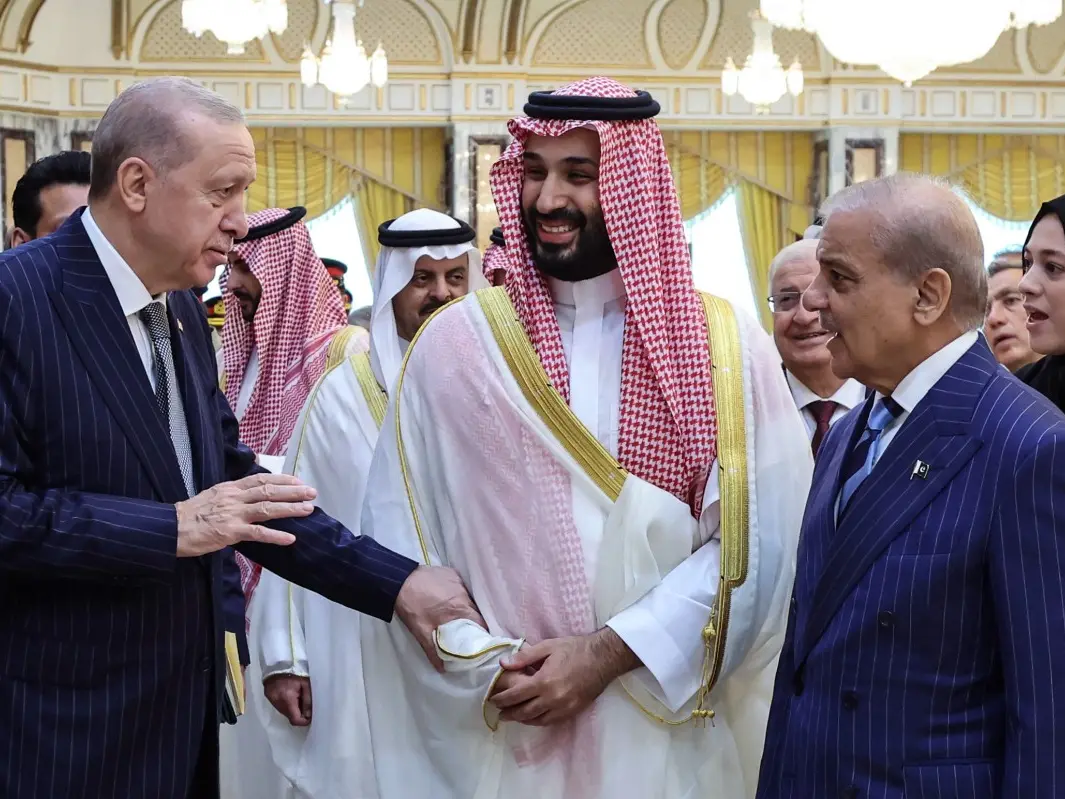)
'Security can't be bought with Pakistan, Turkey deal': Iran tells Saudi Arabia
)
Primetime trailer: Robert Pattinson channels Chris Hansen in A24's dark crime thriller
)
Zendaya and Tom Holland celebrate their marriage with private reception in England
)
Vishal Bhardwaj to develop film on Tarun Tejpal case after latest court verdict: Report
&im=FitAndFill=(700,400))
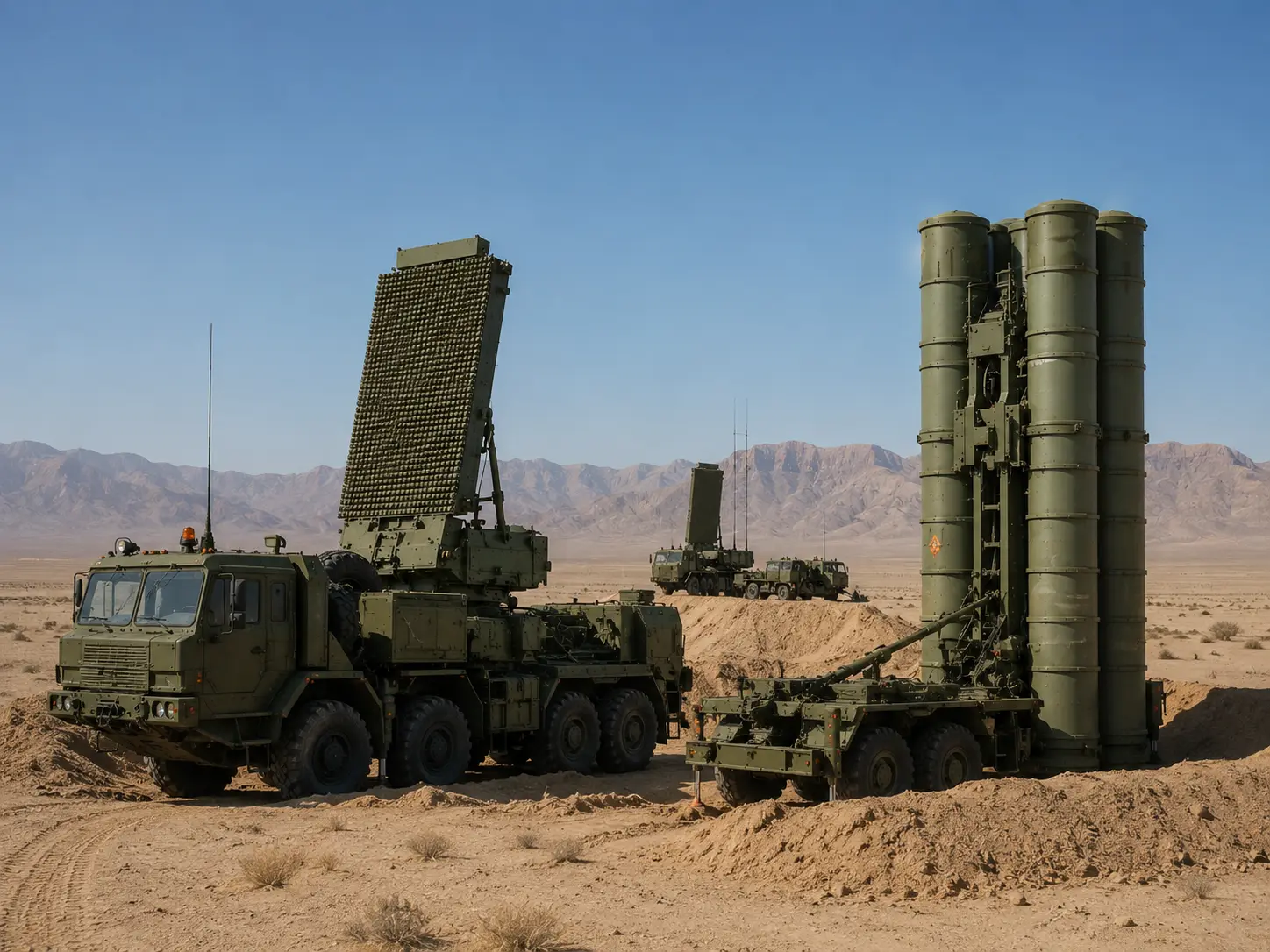
Can an S-400 operate in the desert?
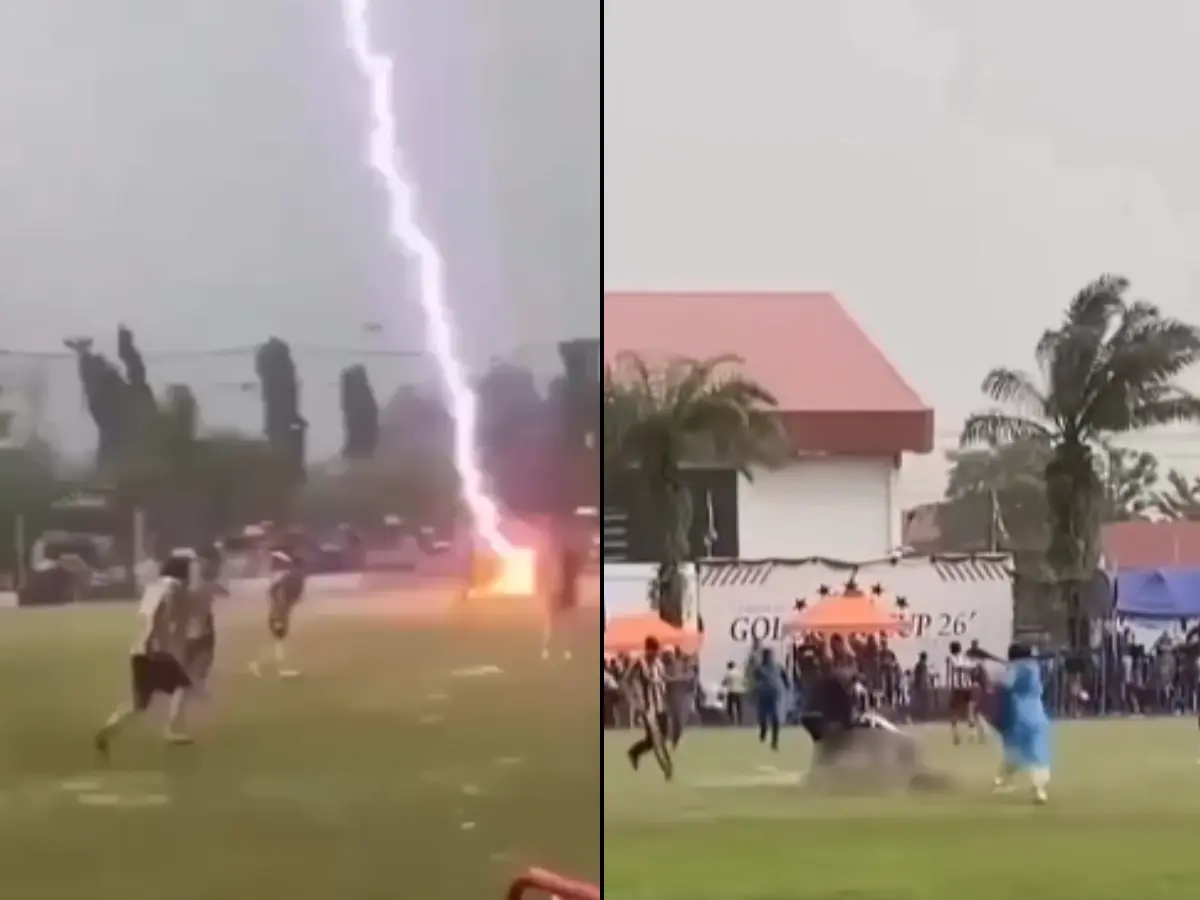)
Lightning bolt strikes football field in Thailand, killing a player during a match
)
Thailand teen killed grandparents before shooting teachers at school – What we know about suspect
&im=FitAndFill=(700,400))
New Friday OTT releases (August 7, 2026): Operation Safed Sagar, Vadhandhi, Main Vaapis Aaunga- 6 movies and TV shows on Netflix, Prime Video and more
)
The genetic roots of Tamils: 75,000 DNA markers decoded in latest study of Sangam-era settlement
)
NZ female politician joins meeting from bathroom with underwear hanging - 'You can see my washing, you can see me'
)
‘We are ready to talk’: Jharkhand CM Hemant Soren reaches out to protesting students
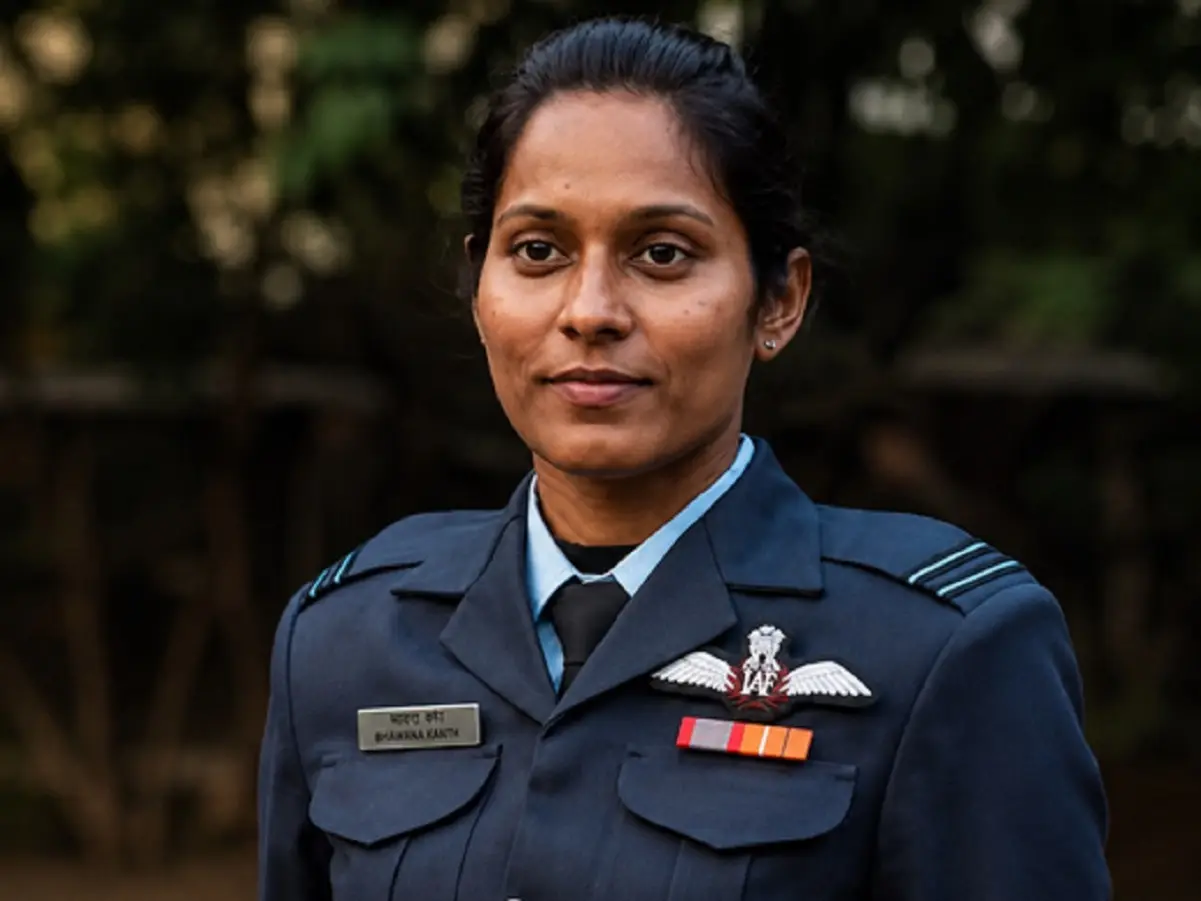)
Squadron Leader Bhawana Kanth scripts history as Indian Air Force gets its first woman ‘Top Gun’ pilot
)
Trump says Iranian school bombing photos could be AI-generated - 'I don’t think...'
)
Bluefly: Priyanka Chopra joins Russell Crowe for new sci-fi action thriller
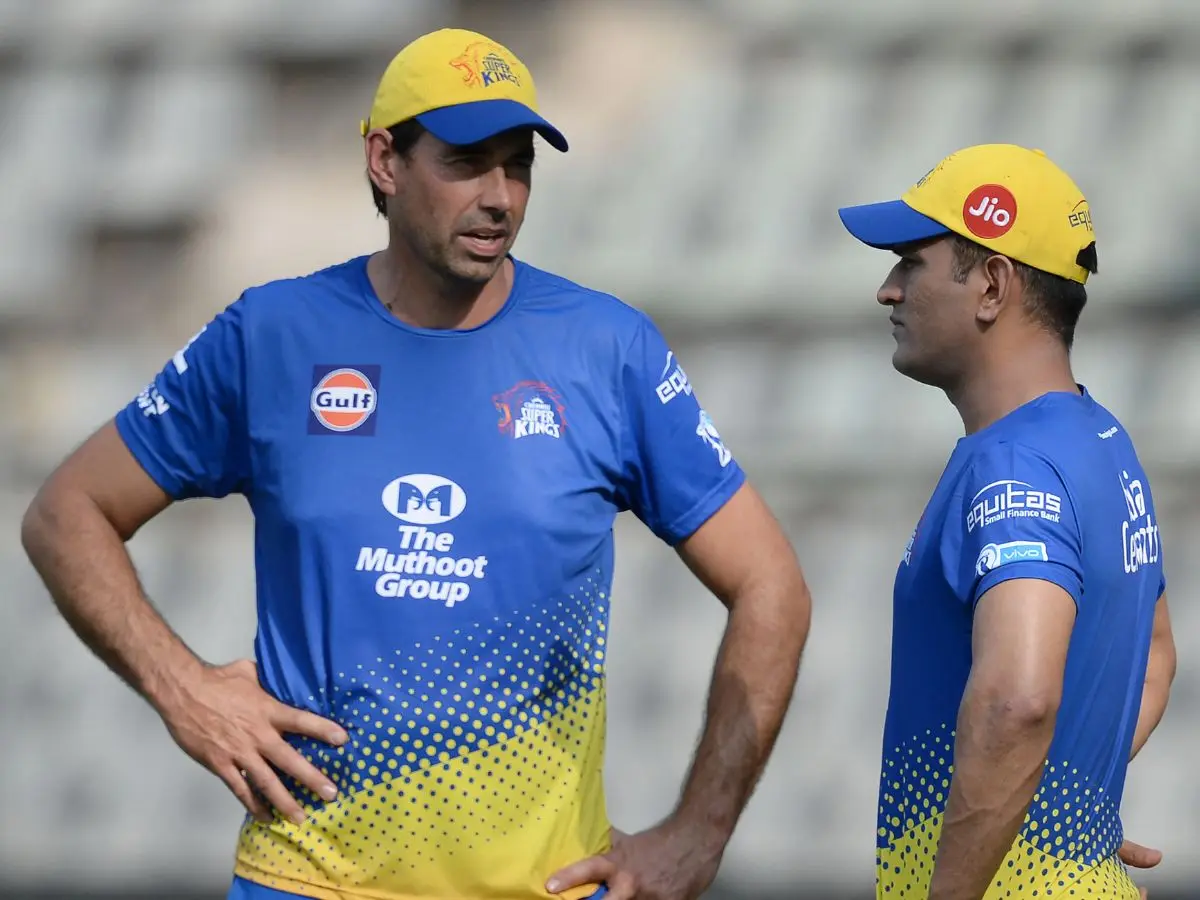)
'Dhoni Made Fleming Great': Panesar says ECB made the wrong choice for England Test coach
&im=FitAndFill=(700,400))
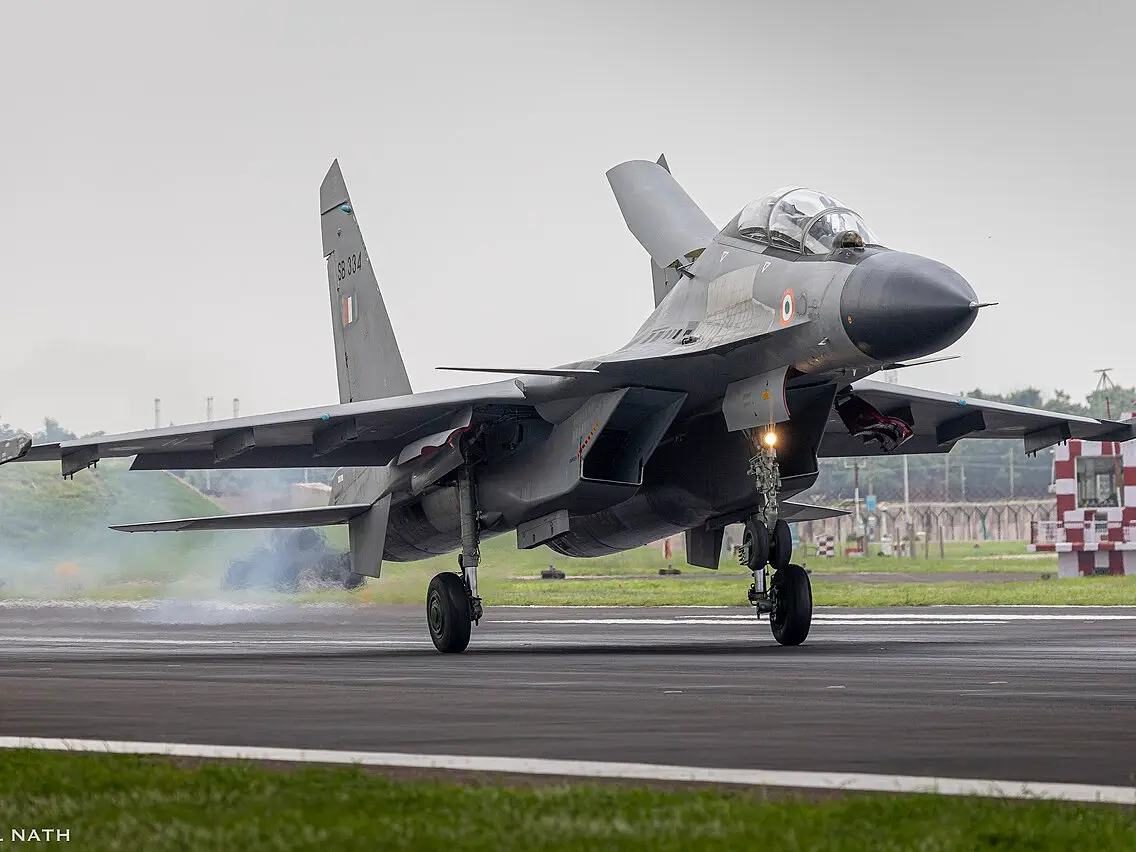
Why the Su-30MKI doesn't need external fuel tanks to fly vast distances
)
Born in the USA? Trump targets 'birth tourism' with new birthright citizenship executive order
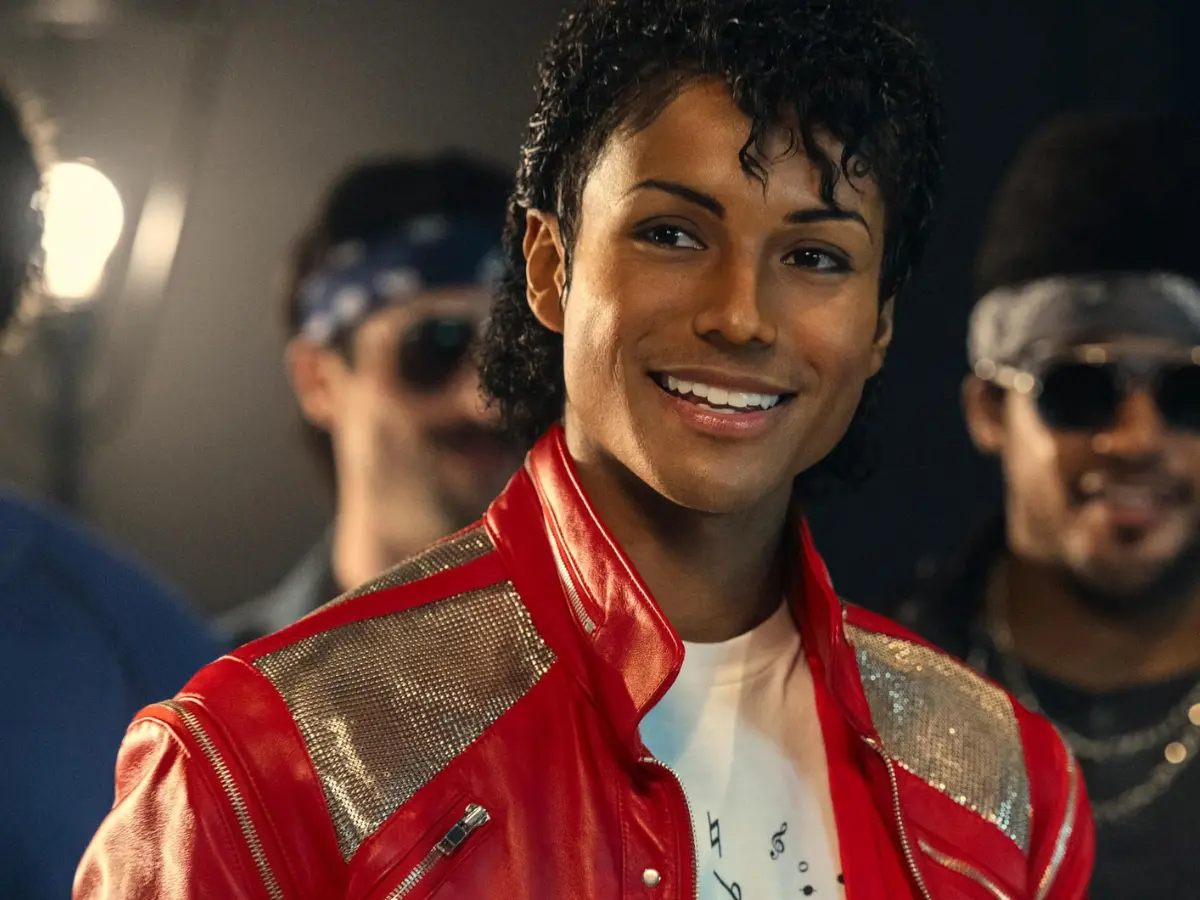)
Michael 2 plans revealed: Makers to start filming soon with THIS release window
)
OpenAI reportedly building donut-shaped ChatGPT smart speaker for homes
)
‘Certain munitions are unlimited, others...’: Did Trump admit some US weapons supplies were limited?
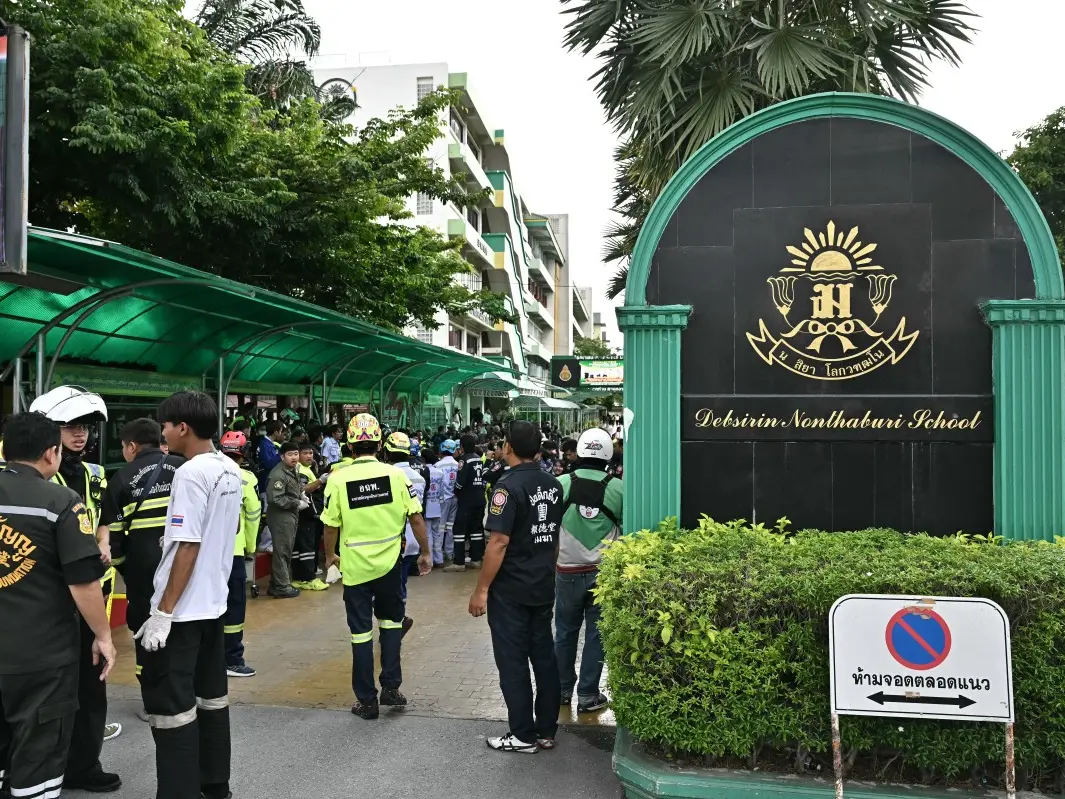)
At least 4 killed 15 injured in shooting at school near Bangkok
)
US may force more visa applicants to make social media accounts public under Trump's new plan
&im=FitAndFill=(700,400))
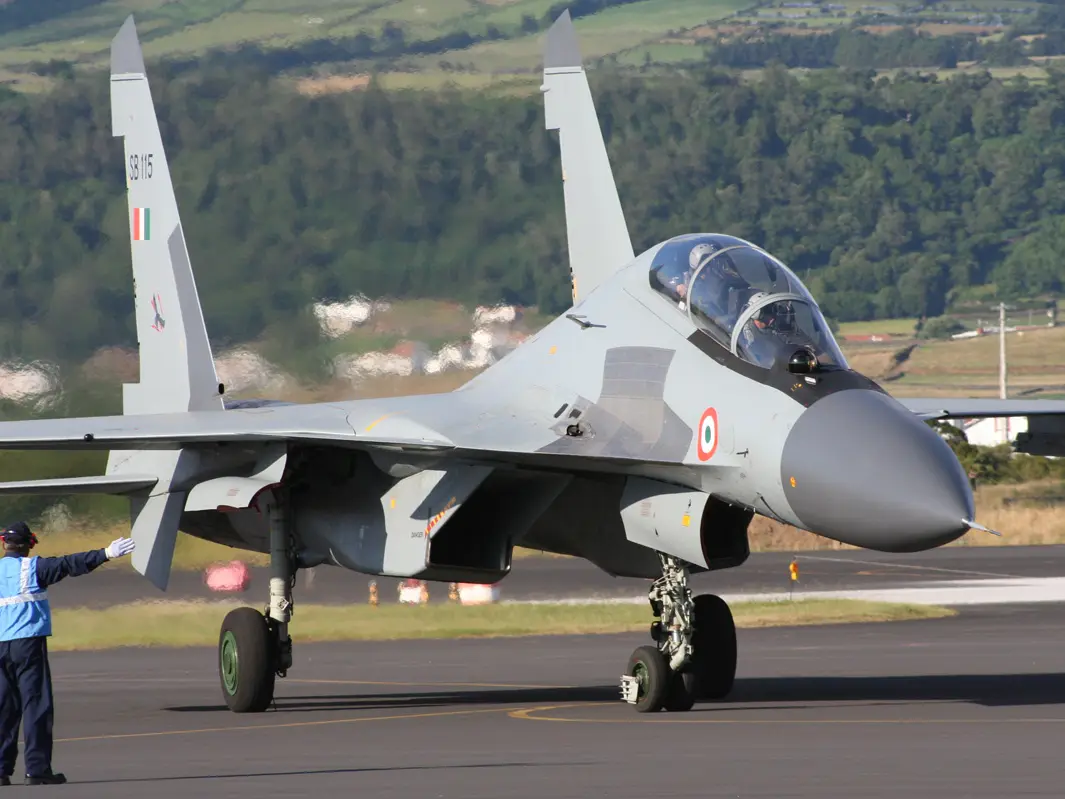
Why the Su-30MKI is one of the heaviest fighters ever built
This hazardous environment is also a site of traditional labour. For centuries, local miners have braved toxic fumes to extract solid sulfur deposits that form after the blue gases cool. It remains one of the world's last remaining manual sulfur mining operations, where workers carry loads weighing up to 90 kilograms up the steep crater rim.
Practical insights for visitors
If you plan to witness this spectacle, timing and safety are essential. The blue fire is only visible at night, making a pre-dawn hike necessary. Visitors are strongly advised to hire a professional guide and wear a high-quality gas mask, as the concentrations of sulfur dioxide can be extremely dangerous to human health. The dry season, typically between May and September, offers the clearest conditions for viewing.