
&imwidth=800&imheight=600&format=webp&quality=medium "How to plan the perfect trip without overspending")
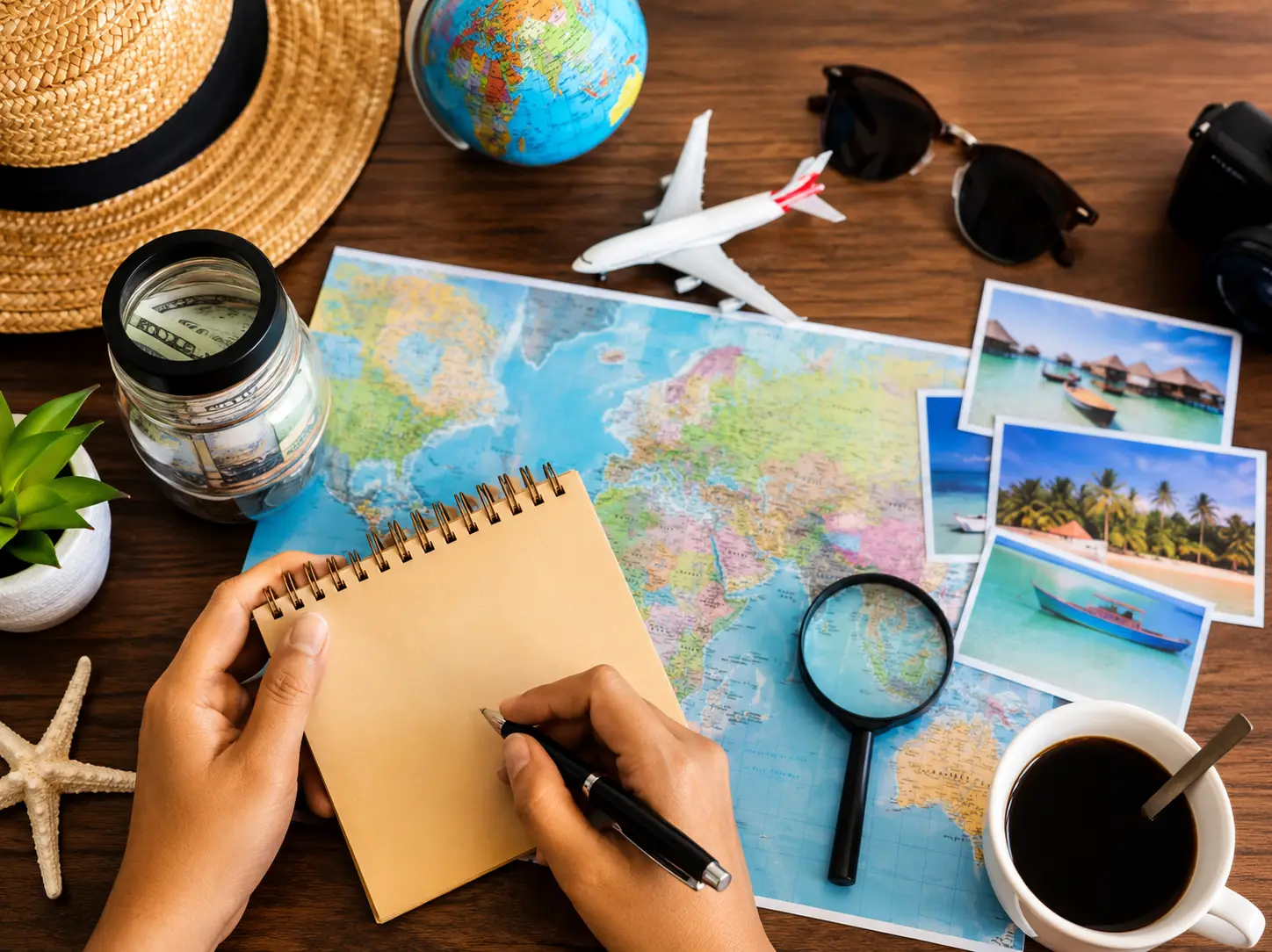
Planning a holiday often comes with the fear of draining your bank account. However, exploring new destinations does not require a massive financial commitment. By making calculated choices about flights, accommodation, and daily expenses, travellers can enjoy their desired locations while maintaining a strict budget. Here is a factual guide to structuring a trip that protects your finances without compromising the experience.
Booking flights during optimal windows
Airfare typically consumes the largest portion of a travel budget, but timing your purchase can drastically reduce this cost. According to travel data from Skyscanner, booking international flights 24 weeks prior to departure can lead to savings of up to 22 per cent. For domestic trips, the optimal booking window is between 30 and 45 days before the departure date. Avoiding peak travel seasons, such as summer school holidays, and setting up automated price alerts on booking platforms helps travellers secure the lowest possible base fares.

Choosing alternative accommodation options
Hotels in central tourist districts frequently charge premium nightly rates. To reduce these expenses, travellers should consider the growing market of alternative lodging. Recent market trends indicate that the global supply of short-term rental accommodations has increased by 42 per cent compared to two years ago. Choosing homestays or private apartments often provides access to basic kitchen facilities. This allows visitors to purchase groceries and cook their own meals, which financial experts highlight as a primary strategy for saving money on holiday.
Managing local transport and daily meals
Trending Stories
)
'What kind of confession is this?': Pakistan PM Shehbaz Sharif’s 'terrorists would be roaming New York' remark goes viral, raises alarm online. Watch
)
Nor'easter could batter 13 US states this week. What you should know
)
Asia prepares for record El Nino, food shock
)
Raaka creates history! Allu Arjun’s film secures Guinness World Record ahead of release
)
Gravitas | Boosting NHS productivity could save 20,600 lives in UK annually: Report
)
ICC plans T20I expansion and fewer ODIs in 2027–2031 FTP cycle: Report
&im=FitAndFill=(700,400))
National Film Awards 2026: Kartik Aaryan, Mammootty, Yami Gautam, Randeep Hooda and other key winners
)
IND vs JPN T20I: How an overturned wide became point of difference between India's win and a tie
&im=FitAndFill=(700,400))
New OTT releases this week (September 21-27, 2026): Shaque: Trust No One, Hunkkaar, Don’t Be Shy- 5 new titles coming to Netflix, Prime Video and more
)
Most Americans want greater federal AI oversight
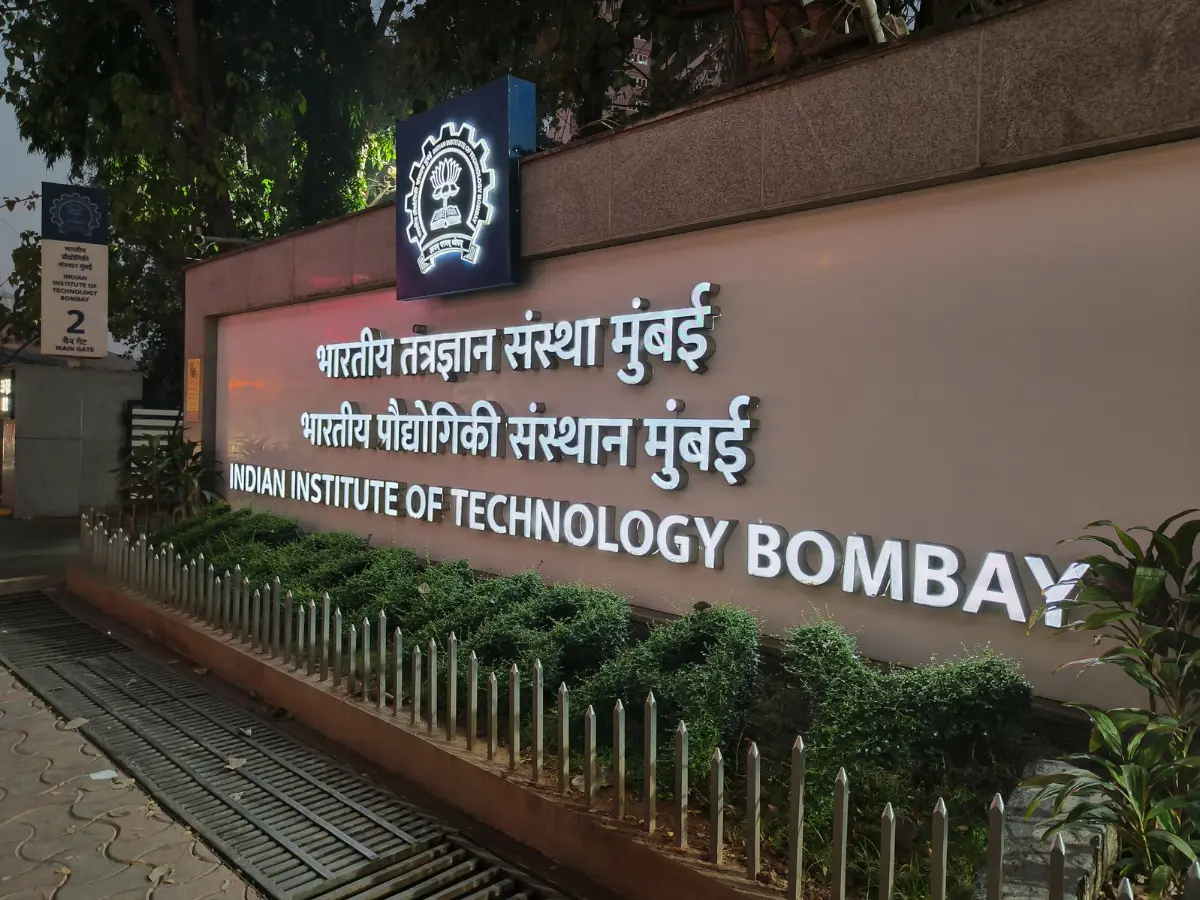)
IIT Bombay professor Suryanarayana Doolla sent on leave amid Sahil Wakode death probe
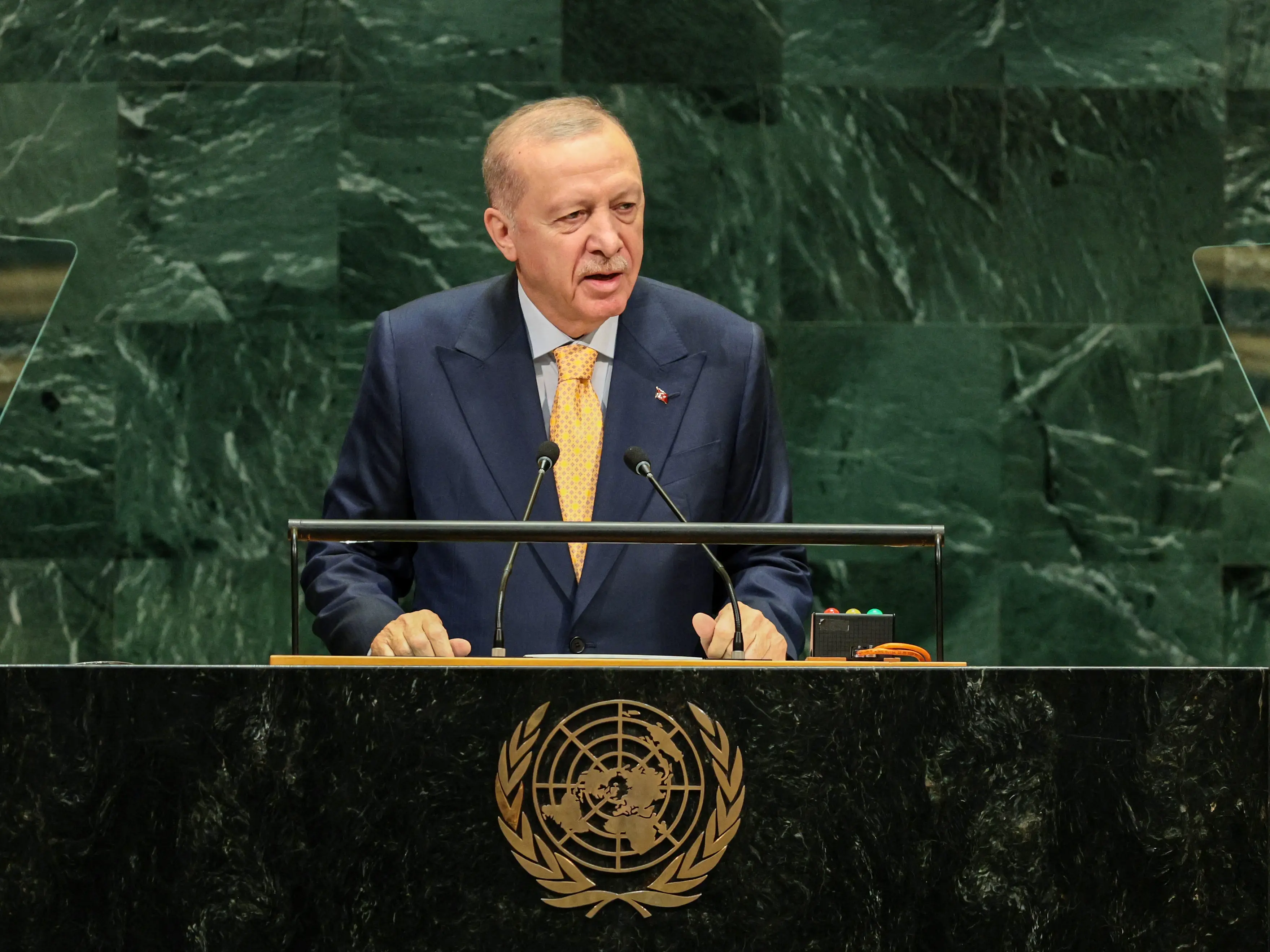)
Erdogan again raises Kashmir issue at UNGA, calls for dialogue under UN Charter
)
Major League Soccer referee sacked for sexist comment about female match referee
)
Yemen clashes kill 154 people in two days as cornered Saudi battles Houthi offensive | Gravitas
)
'This is normally what toddlers do': Why a psychiatrist is raising fresh questions about Trump’s recent behaviour
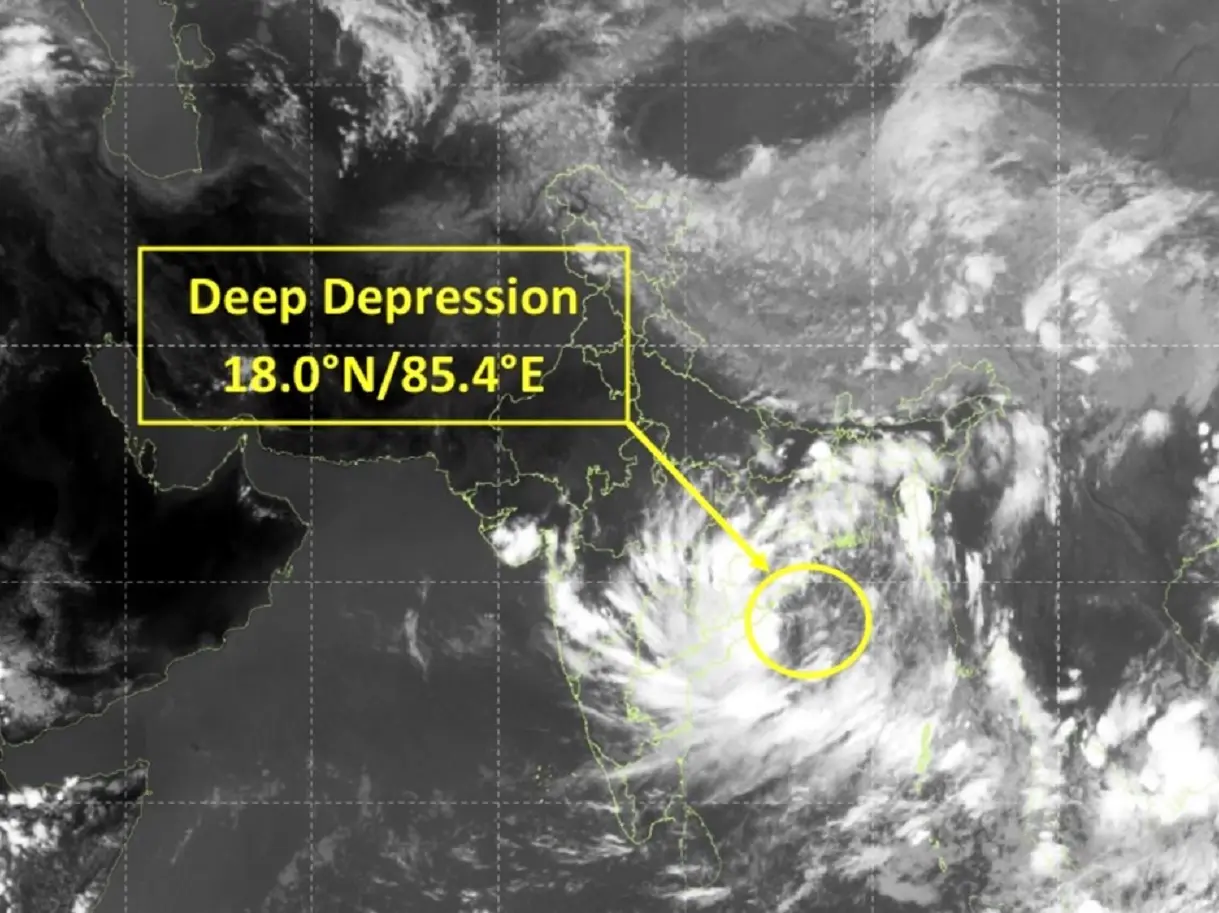)
Cyclone Arnab: Landfall expected before midnight tomorrow as IMD issues orange alerts across six states
)
Trump calls on nations to quit ‘rogue’ and ‘out-of-control’ International Criminal Court, rips UN
)
81st UN General Assembly: Burnham announces UK-US AI defence tie-up
)
Over 4,200 books withdrawn from circulation in J&K colleges, 94% from Kashmir
)
Trump revives India-Middle East-Europe economic corridor as India emerges central to West Asia’s future: What is it?
)
Four female students raped during 'Red Zone' at California university. What we know
)
US and China vie for AI dominance as calls grow for regulation | Gravitas
)
WION Iconic Tourism Summit and Iconic Awards 2026: India's travel economy leaders gather in Delhi
)
IND vs JPN, one-off T20I: Japan captain Kendel on pushing India to the brink - ‘It was special’
)
Trump signs Greenland security deal with Denmark, paving way for two new US military bases
)
'Mumma’s boy from Gwalior who dared to dream': Kartik Aaryan pens long note after first National Award win
)
‘Strike a deal or drive Iran into hell’: Trump issues fresh warning to Tehran at UNGA
)
Anne Hathaway to run in supporting race for Nolan's epic
)
From Gaddafi tearing up UN Charter to Trump’s ‘escalatorgate’: Most unforgettable UNGA moments
)
The Verdict | Moral policing isn’t culture or discipline, it’s crime
)
Infections transmitted from pregnant woman linked to autism risk
)
American manufacturing is reshoring faster than its factory floors can absorb
)
Elephants hide behind trees, stage surprise attack on poachers targeting rhinos in South Africa
)
Mikel Arteta verbally agrees to three-year extension with Arsenal after title-winning Premier League season
)
Explainer: Why rare-earth export licences and Board of Trade are US priorities ahead of Trump-Xi summit
)
Bomb scare in New York amid UNGA: Suspicious suitcase found near UN headquarters
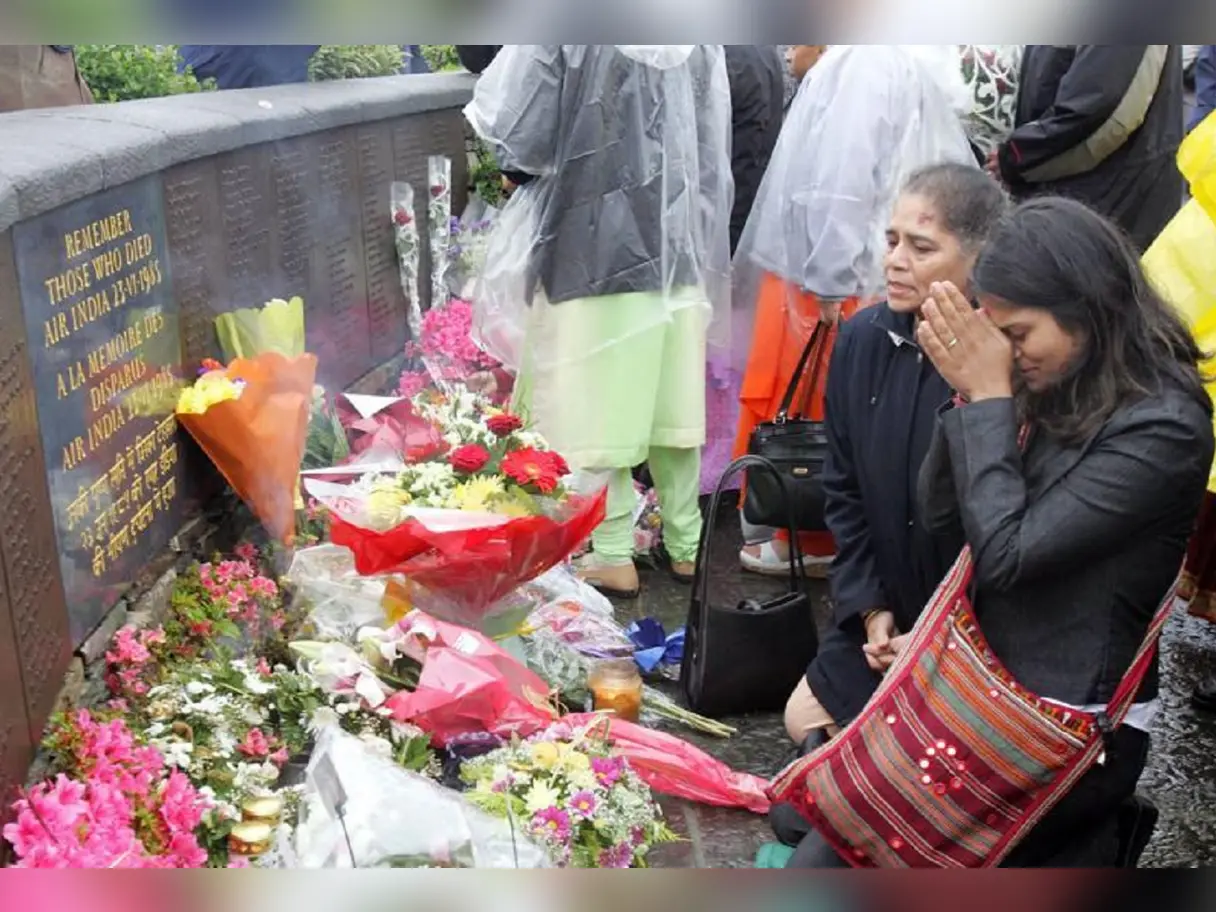)
Justice eludes Air India 1985 bombing victims as Canada probe goes 'inactive' | Gravitas
)
Trump-Xi summit: From trade to Taiwan, what will the US and Chinese presidents discuss in Washington?
)
WION Iconic Tourism Summit and Awards 2026: Key voices to discuss India’s tourism future
)
Oil slips to $98 as Saudi Arabia restarts East-West oil pipeline
Relying on private taxis will quickly inflate any travel budget. Using established public transport networks like local buses and metro systems is a far more economical choice. When it comes to daily meals, culinary tourism is changing; a recent report highlighted that 59 per cent of Indian travellers choose destinations based on specific restaurants, seeking gourmet experiences without breaking the bank. Eating at local neighbourhood markets or verified street food stalls provides authentic regional dishes at a fraction of the cost of tourist-focused restaurants.
Planning a budget-friendly trip requires early preparation and smart, data-driven choices. By booking flights during optimal windows, selecting alternative accommodation, and managing daily expenses efficiently, travellers can successfully explore new locations. Protecting your finances ensures you can enjoy the journey without financial stress.