Taaza Khabar Season 2 review: There's little that's 'taaza' in Bhuvan Bam's show

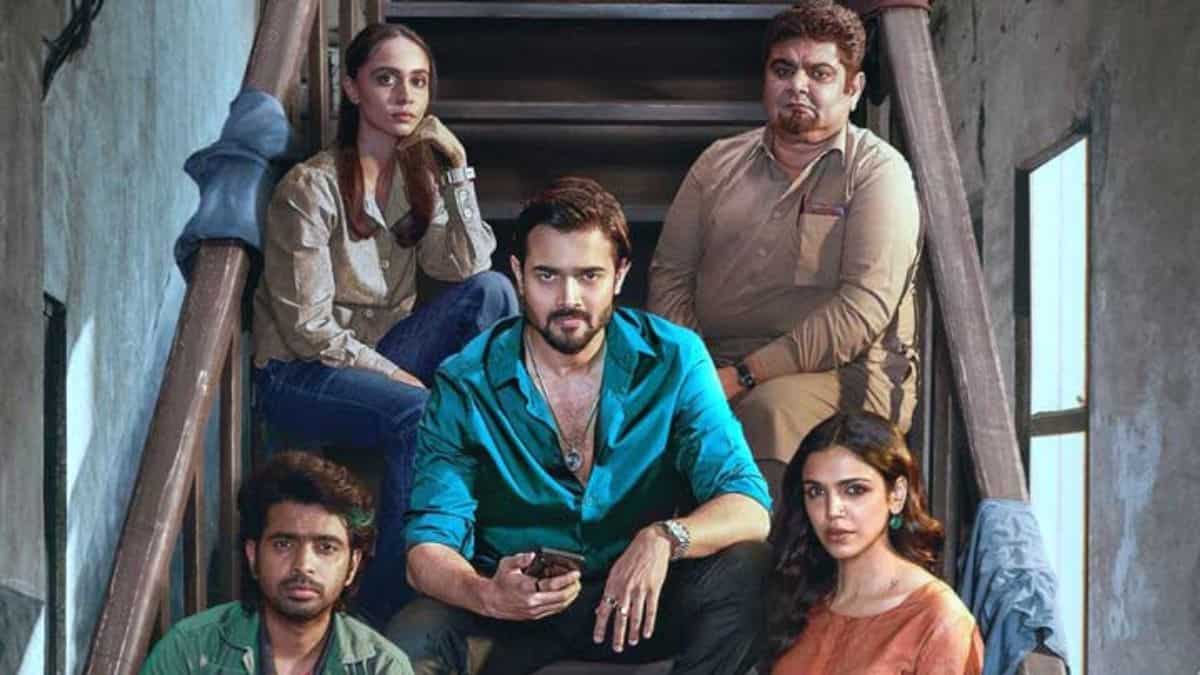
A poster of Taaza Khabar
In Taaza Khabar Season 2, there’s little that’s taaza (fresh). There’s ambition, but not enough drive. There are those next big things, but not the smoothest ways forward. A show, often oscillating between past, present and future, lacks the ‘vardaan’(blessing) of staying afloat - something that,both the series and Bhuvan Bam’s character Vasant Gawde desperately need.
Those who’ve watched the first season will understand when we say - far bizarre things happen to Gawde in the follow-up. In the first season, a sanitation worker stumbles upon his magical powers of getting updates about future events and his life changes overnight. But everything that rises must eventually have a downfall. The new season takes off from where the last one ended - only this time, the ‘taaza khabar’ is that of Vasya dying. Will he rise from the dead? Or can he possibly avert his death?
Well, turns out, he might be able to avoid his death, but not the challenges that await him. With help from his parents, played by Atisha Naik and Vijay Nikam, friend Peter (Prathmesh Parab), Mehboob (Deven Bhojani), and love interest Madhu (Shriya Pilgaonkar), Vasya tackles one ‘taaza khabar’ and obstacle after another. However, there’s a new entrant in the show - Yusuf (Jaaved Jaaferi), who in his own words, does politics in the name of charity. He wants Vasya to compensate for his betting losses and will go to any extent to extract that money. He is the new villain of the show, and Vasya's fate is at his mercy.

Bhuvan Bam, who reprises his role as Vasant, stays true to his character. But what falters is having a stale approach to the story that leaves little for actors, including Jaaferi, to chew on. It’s the same old cycle of a flashing new update, a new plan, and no consequence.
After a point, it all feels stretched as Vasya tries to undo the chaos, particularly with erratic new ideas of minting money. He is also trying to mend his relationships with his parents and girlfriend, who, like every other character on the show, are now part of the cat-and-mouse narrative. It's almost a disservice to others that they are in constant service of just one character. The placement of flashbacks is particularly disappointing, with them adding little value. As a man who can see the future and is struggling in his present - there was a lot that could've been explored, but alas.
)
Spanish officer sent home from NATO base over affair with 'Russian spy' | Gravitas
)
West Bengal IPS officer Bushra Bano transferred after objections to ‘Assalamualaikum’, ‘Inshallah’
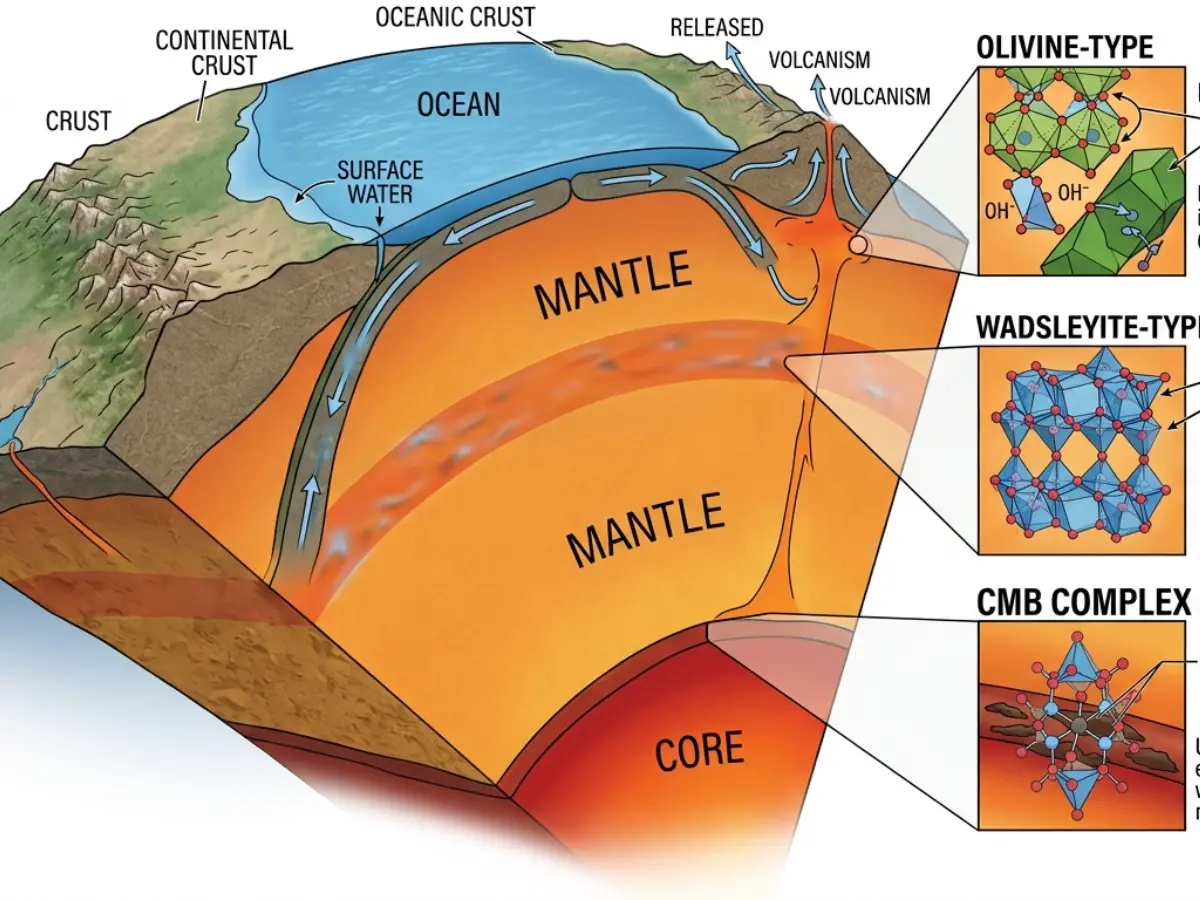)
Water equivalent to two Pacific Oceans could be stashed 2,900 km inside Earth
)
Who was Eliana Moreno? NBC LA aerial reporter killed in Chatsworth crash
)
Pakistan naval vessel returns to harbour with 'severe damage' after collision with Indian warship in Arabian Sea
)
Saudi Arabia discovers 110 million tonnes of Uranium-rich ore in Madinah region
&im=FitAndFill=(700,400))
New OTT releases this week (September 14-20, 2026): Lust Stories 3, Waiting Hai, Irumudi- 5 new titles coming on Netflix, Prime Video and more
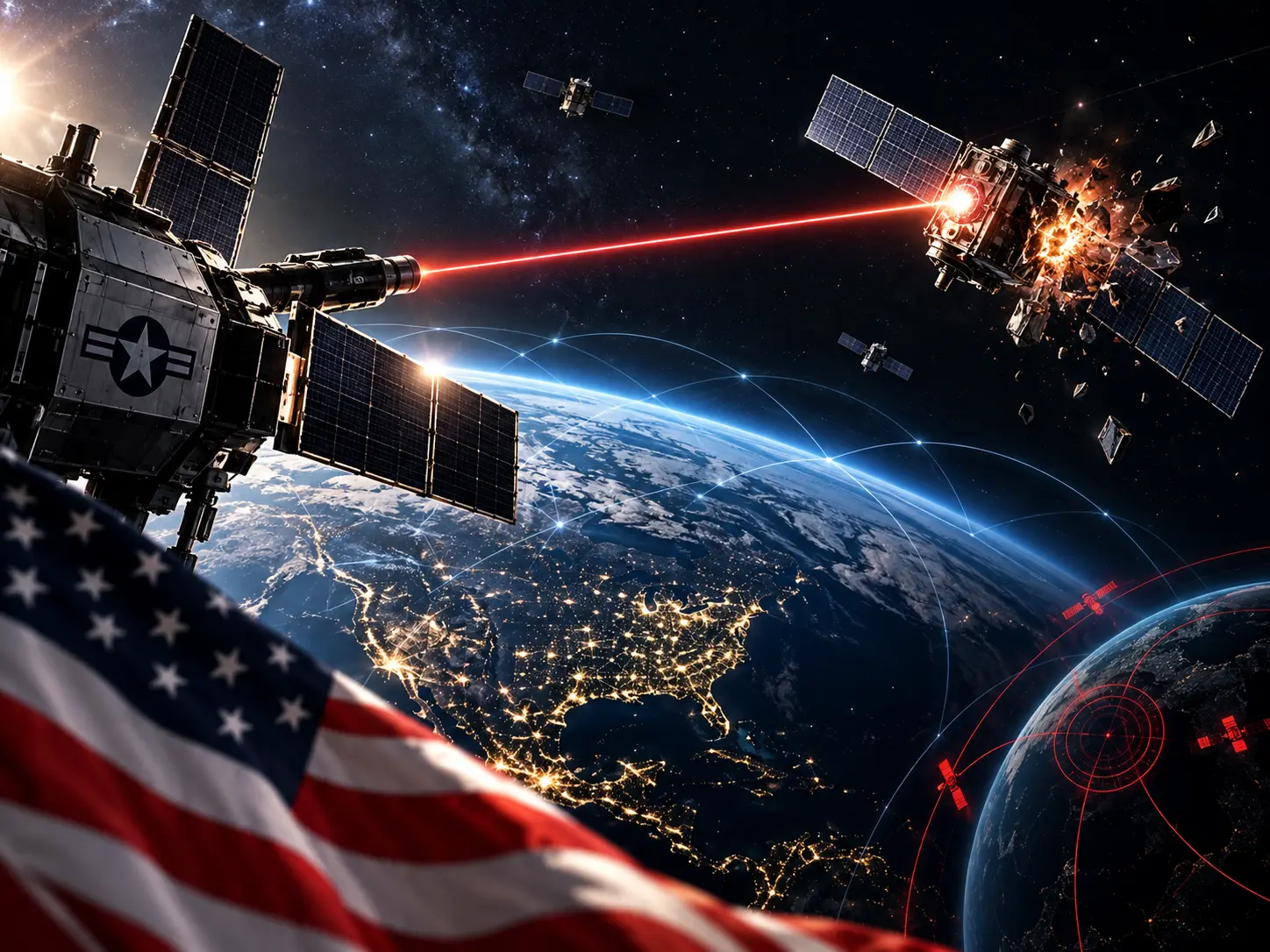)
Space mines, lasers & robotic arms: Lt Gen Pannu decodes US disclosure of weapons in space
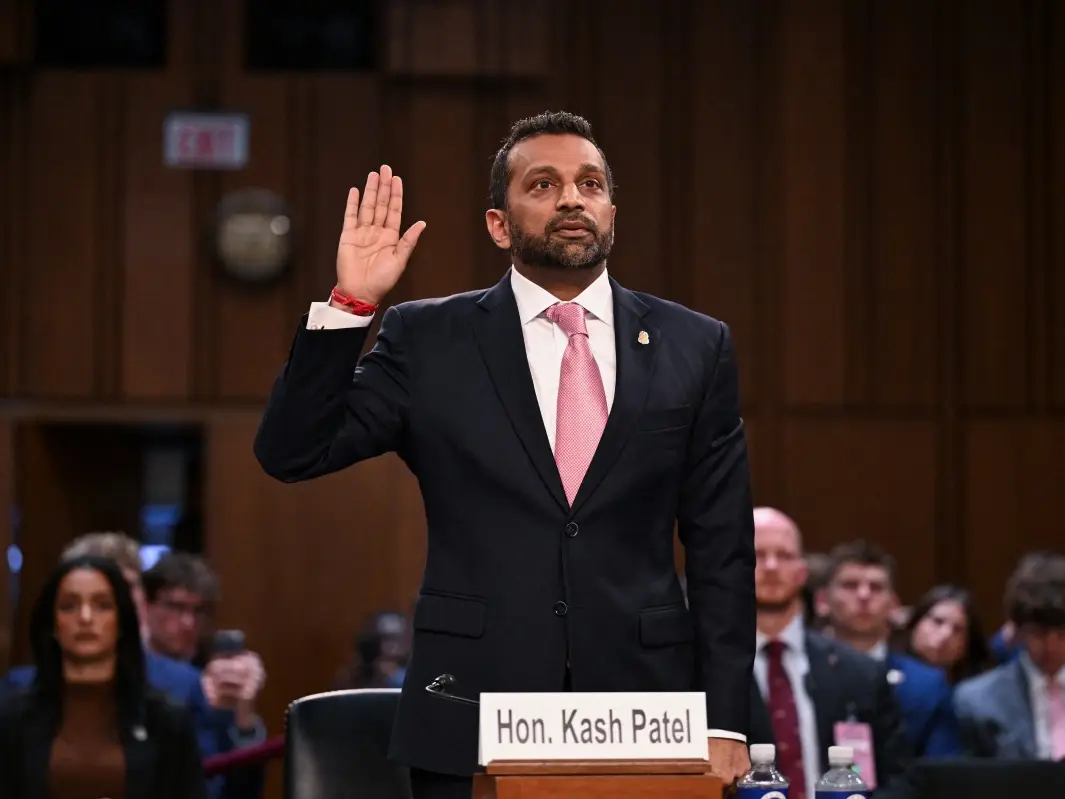)
'Like a thug you are using agency to go after..': Kash Patel grilled by Senate Democrats over FBI firings, journalist investigations and hiring policy
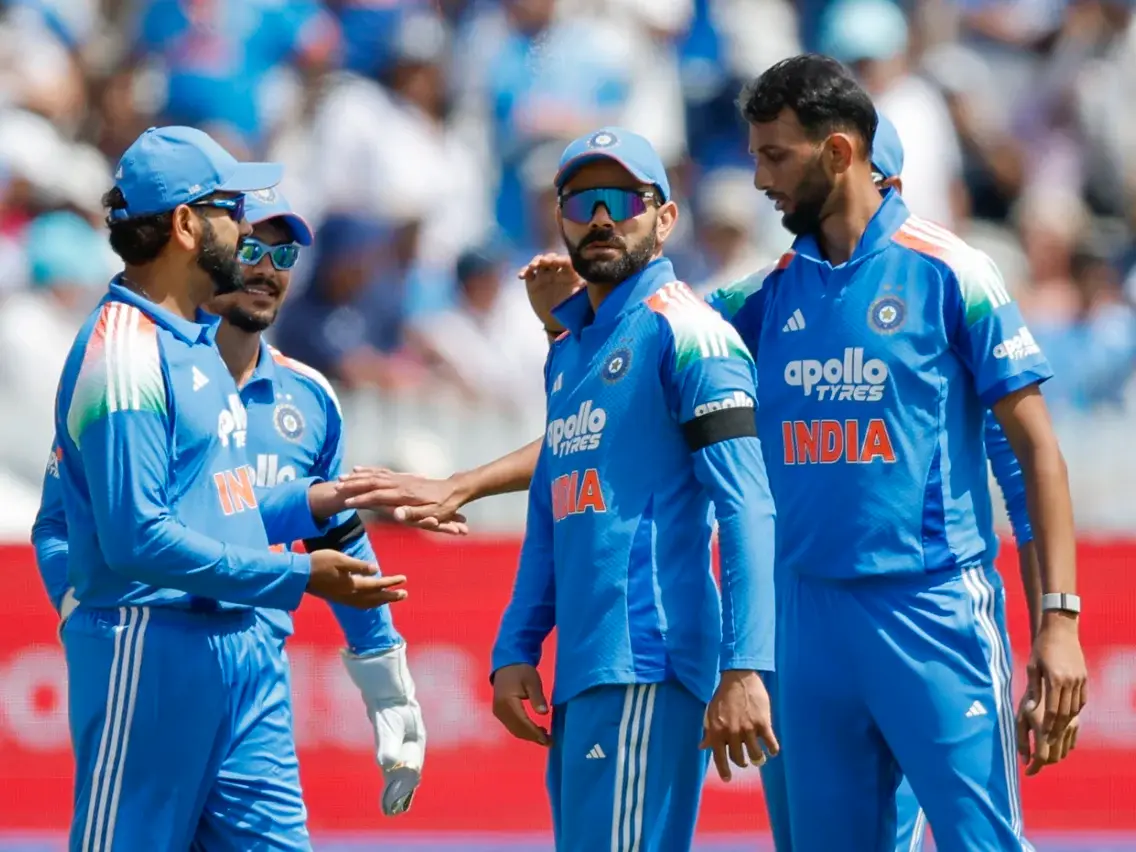)
Ex-India all-rounder Yuvraj Singh wants India to avoid 'massive changes' before ODI World Cup 2027
)
Ed Sheeran’s US tour loses all support acts after Macklemore’s removal | Controversy explained
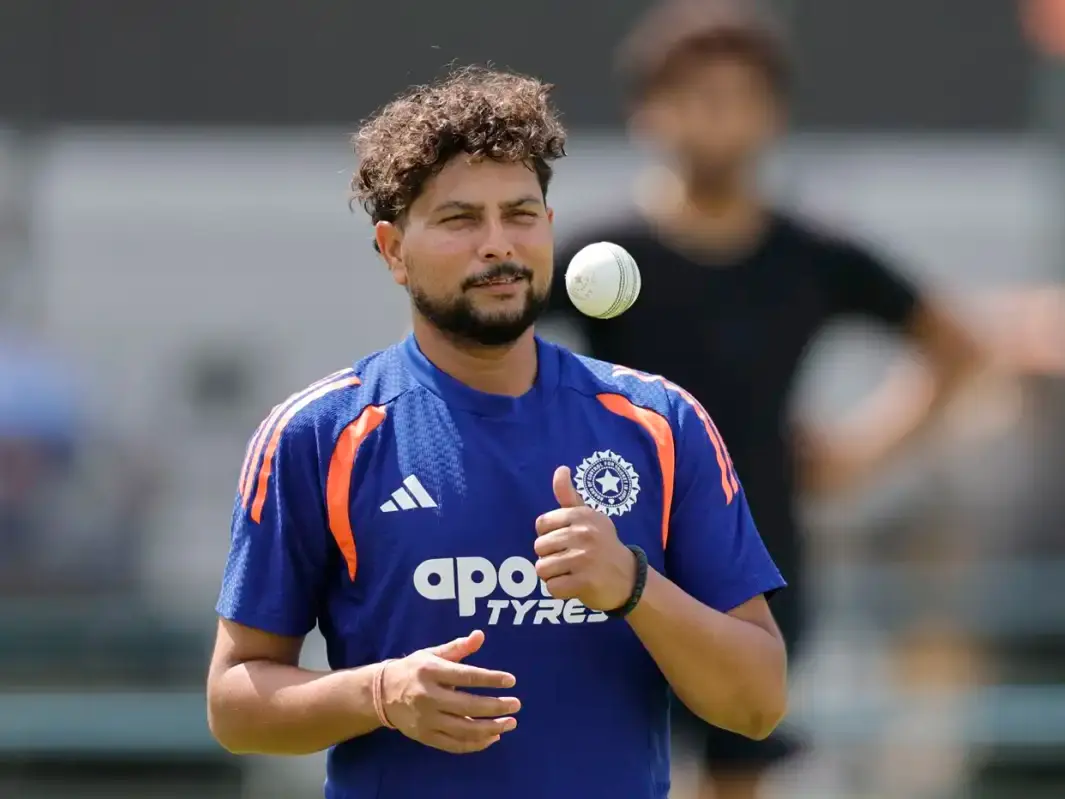)
'Definitely feel bad for yourself': Kuldeep Yadav opens up on India Test snubs
)
Messi set to play in farewell match on October 6 in Argentina vs Benin friendly
)
Sydney Sweeney defends provocative ad choice, the internet is still not impressed
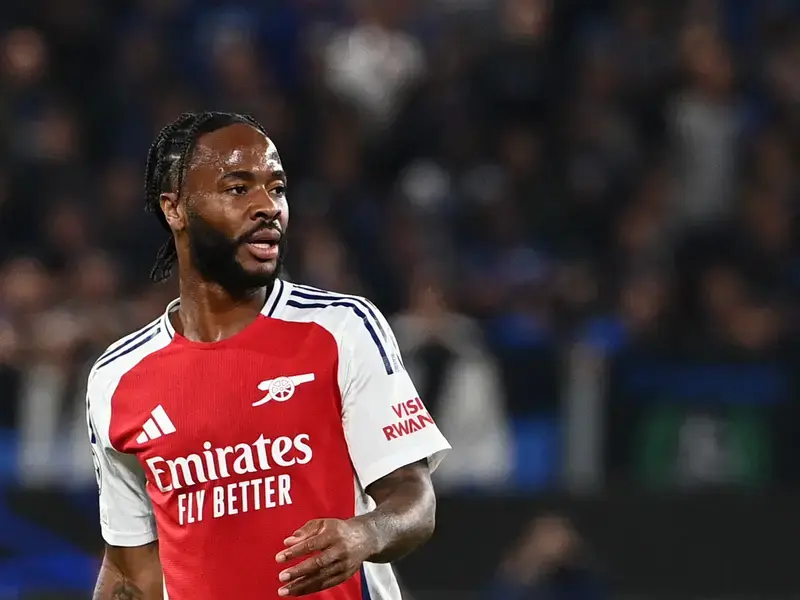)
Ex-England footballer Raheem Sterling pleads guilty in reckless driving and crashing his Lamborghini
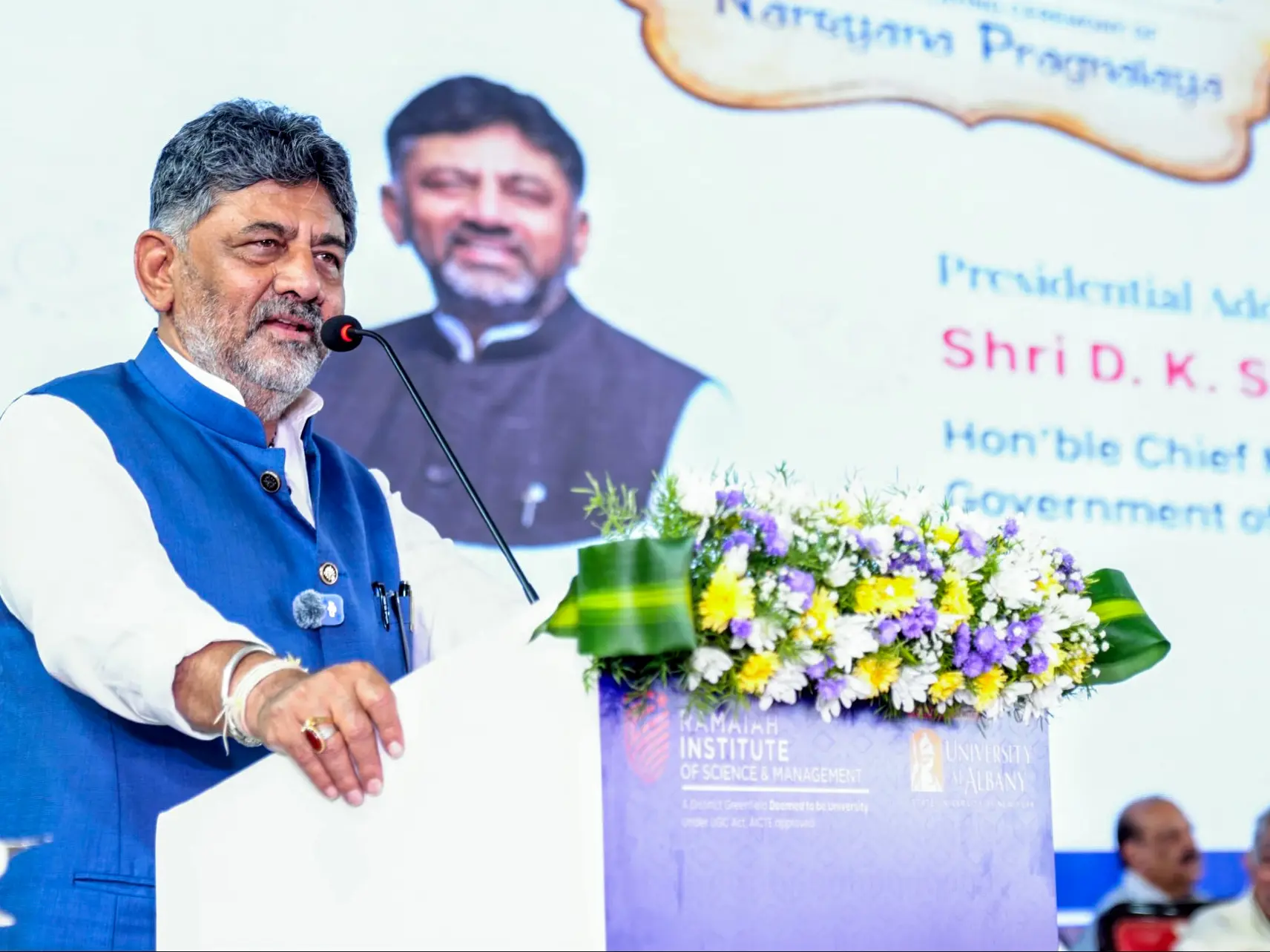)
'Now Trump is copying us': Shivakumar links US $5,000 plan to Congress guarantees
)
Saudi Arabia accuses Houthis of drone attack on Mecca, first-ever red alert in Islam's holiest site sparks panic
)
Trump's Iran war faces fresh House rebuke; 7 Republicans join Democrats in push to end conflict ahead of midterms
)
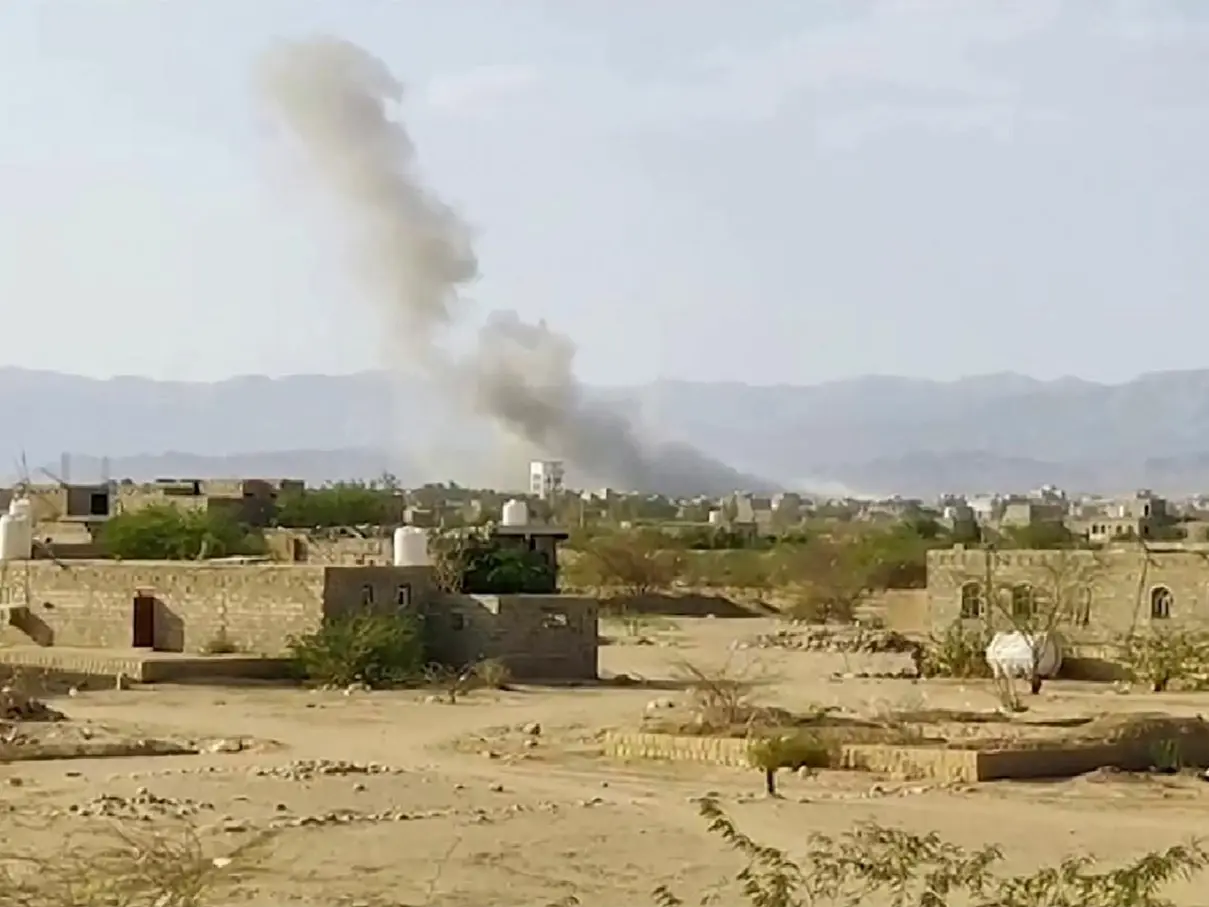
China's property crisis deepens as investment plunges nearly 20%
)
‘US military task force aiding Saudi Arabia forces with intel, planning support’: Official
)
India’s imports from Russia jump 57% in five months; China remains top import source
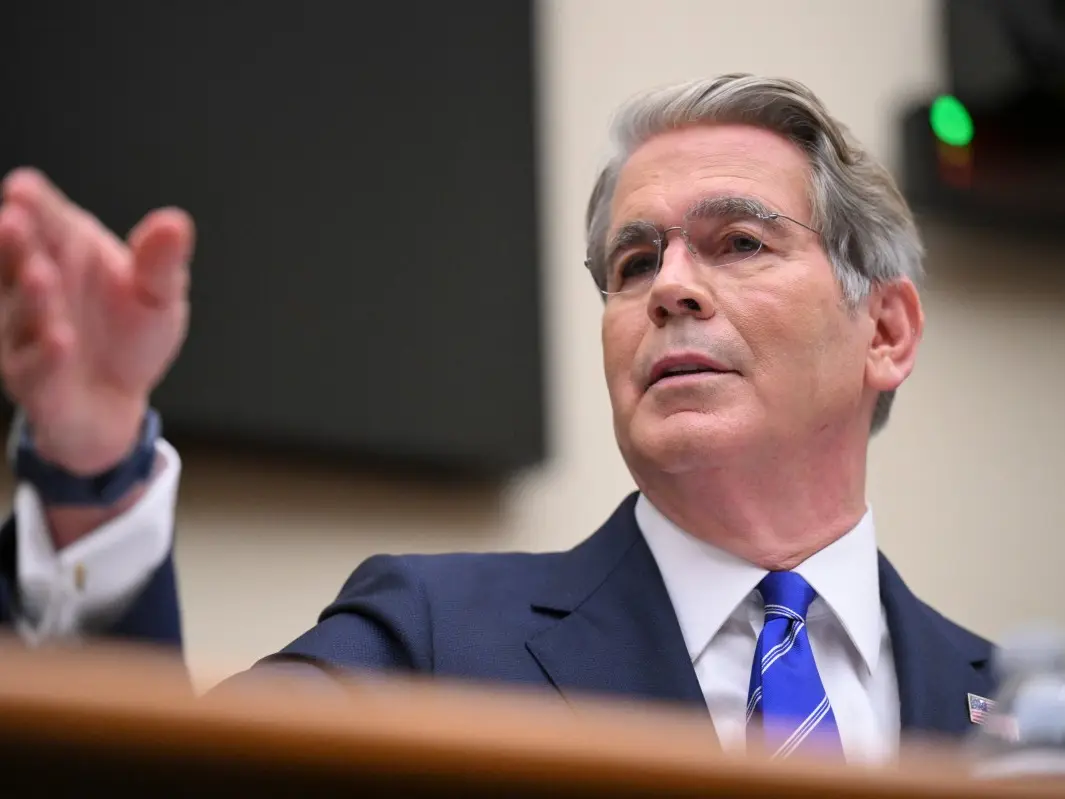)
US Treasury yields cross 5% as Scott Bessent warns of ‘global issues’ impacting bonds
)
Putin-linked Russian oligarch, Melania links: Why Trump skipped his son’s Bahamas wedding bash?
)
US fires up to 70 interceptors against Iran attack on Jordan, putting supplies under pressure
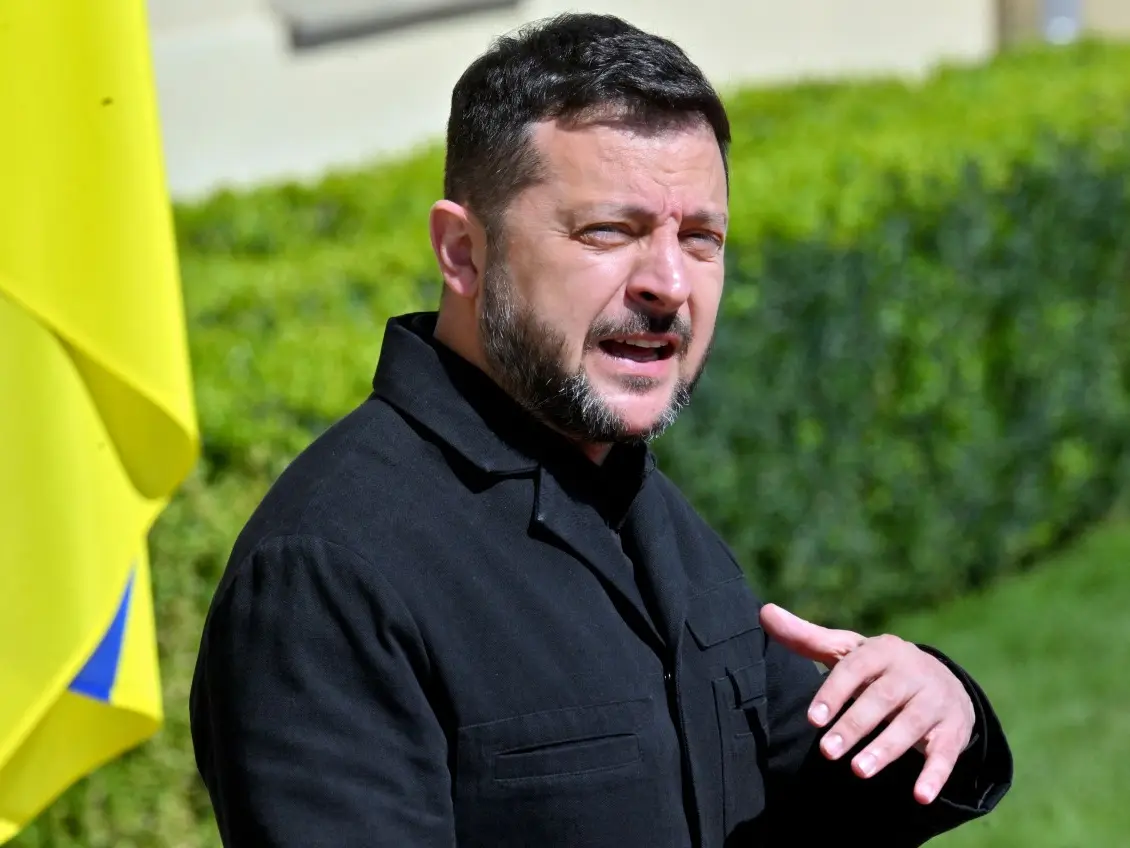)
Bitter Zelensky snubs Trump for playing politics with Ukraine war | Gravitas
)
800 million years old - Scientists discover 'fingerprints' of supercontinent Gondwana in ancient rocks
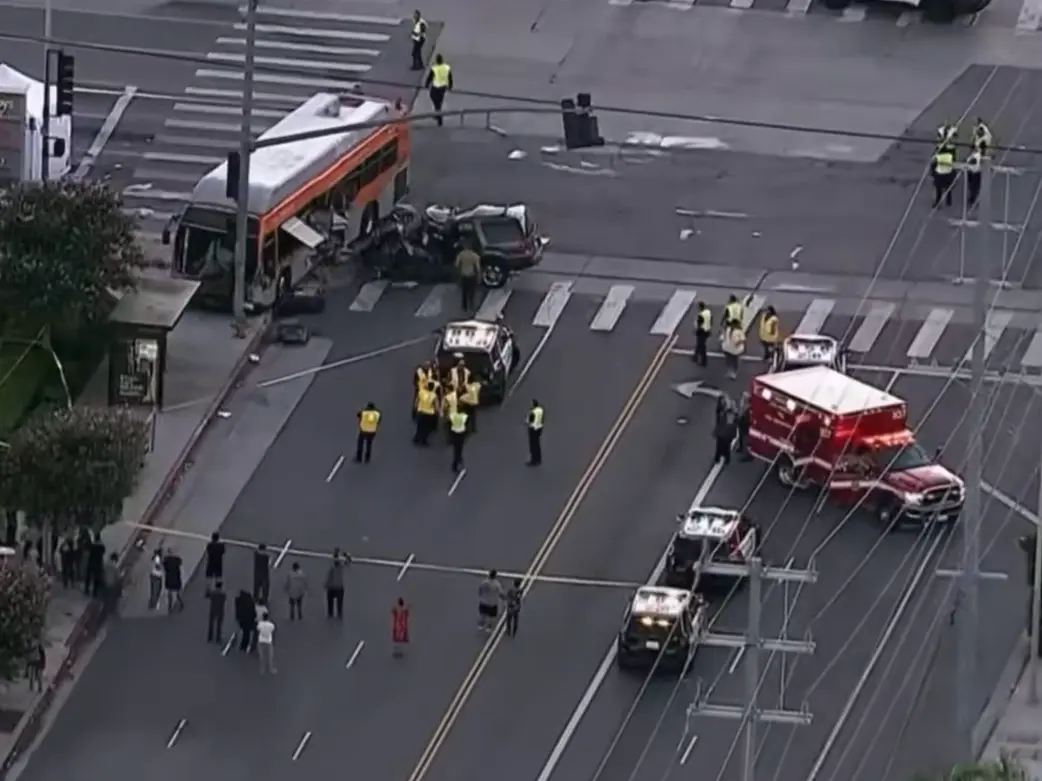)
Los Angeles helicopter crash: At least three dead, several injured; NTSB to investigate
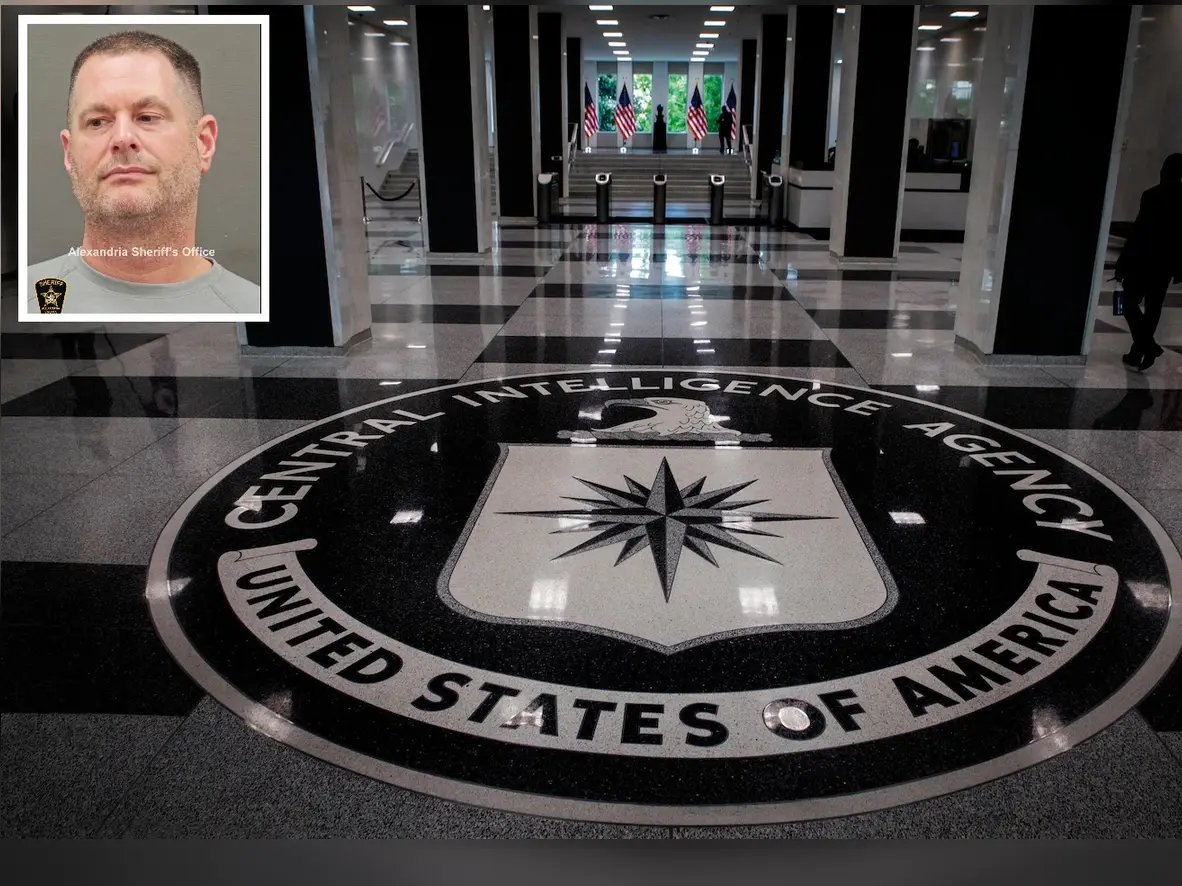)
Ex-CIA officer caught with gold bars worth $40 million seeks plea deal | Gravitas
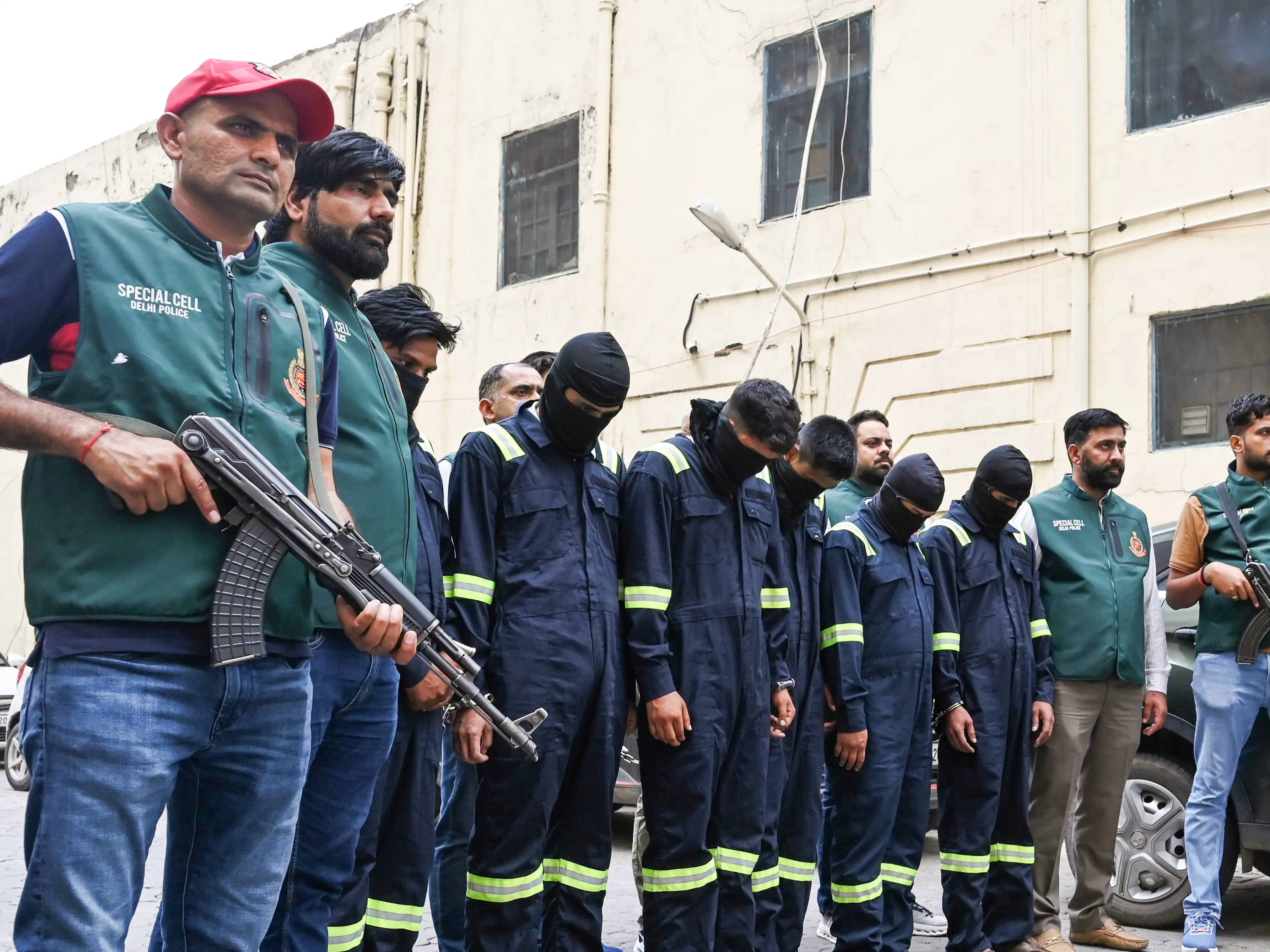)
Shahzad Bhatti Network declared terrorist organisation under UAPA: Govt order
)
Who is Kalyan Bainsla, accused in the Gurugram hit-and-run case involving woman biker?
)
OpenAI boss Sam Altman repeats AI 'slow down' call, says world 'right to be afraid'
)
‘Kill all in the name of...’: FBI arrests 21-year-old over alleged ISIS-inspired mass-casualty attack plot
)
Trump's name cannot return to Kennedy Center, US judge rules
)
Top military commanders from US, Israel, and 7 Arab nations held secret meeting on Iran War
)
India summons top Pakistan diplomat after Pak Navy ship collides with Indian warship at high seas
In the Himank Gaur directorial, the dialogues written by Abbas Dalal and Hussain Dalal add a slight edge. There's often a chance of songs feeling misfits in shows such as this, but 'Rang Hai Ri' and 'Kaun Hai' are woven into the narrative with precision and stay with you long after the series. But those might be the only few things that feel fresh.
