Navratri 2025: Complete fasting guide with foods, rules and health tips

&imwidth=600&imheight=450&format=webp&quality=medium "Navratri 2025: Complete fasting guide with foods, rules and health tips")
Navratri 2025 Photograph: (X)
Navratri fasting is not meant to be about deprivation. It is a spiritual practice of cleansing and balance, one that allows the mind to focus while the body resets. Here is an ultimate guide for Navratri fasting.
India is currently celebrating for one of its most sacred festivals, Shardiya Navratri 2025. It began on September 22 and will continue till Vijayadashami on October 2. These nine nights are dedicated to Maa Durga and her nine forms, celebrated with devotion, prayers, music, and sattvik food.
A key part of this observance is the tradition of fasting. Devotees abstain from certain foods and embrace a sattvik diet to purify both body and mind. But fasting is not only about what one cannot eat; it is also about eating mindfully, staying nourished, and avoiding common mistakes. With the right approach, Navratri fasting becomes a balance of discipline and wellness.
Foods allowed during Navratri fasting
During the fasting period, devotees are encouraged to consume sattvik foods that are light, seasonal, and easy to digest. Flours like buckwheat, water chestnut, and amaranth are popular choices, while barnyard millet (samak ke chawal) is used as a rice substitute.
Root vegetables such as potato, sweet potato, and pumpkin are permitted, along with bottle gourd, cucumber, and raw banana. Dairy products like milk, paneer, curd, and buttermilk become essential sources of nutrition, while nuts, seeds, and fruits add energy and variety. The only salt allowed is sendha namak, which is considered pure and fasting friendly.
Trending Stories
)
)
)
)
)
)
)
)
)
)
)
)
)
)
)
)
)
)
)
)
)
)
)
)
)
)
)
)
)
)
)
)
)
)
&im=FitAndFill=(700,400))
)
)
)
)
Must-try dishes
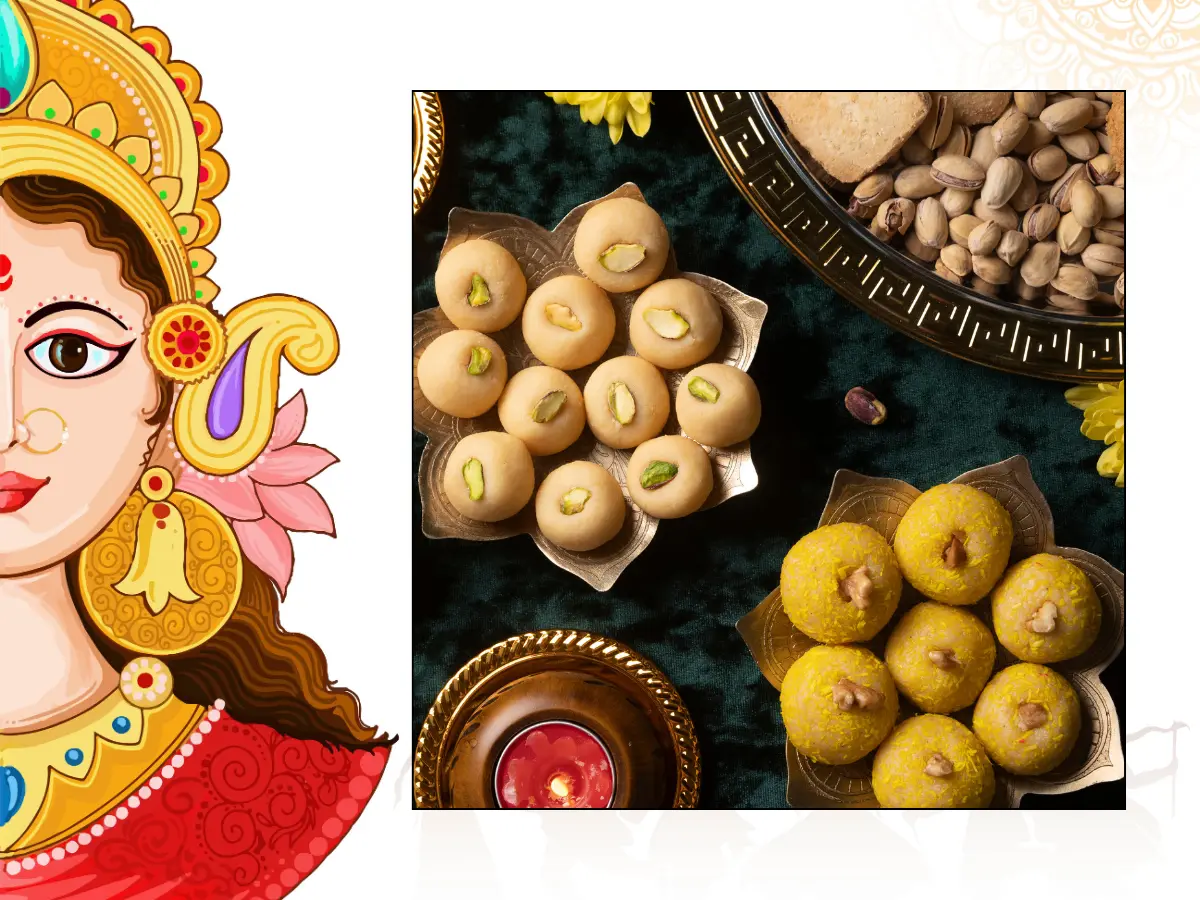
Some of the most popular fasting dishes include sabudana khichdi prepared with sago pearls and peanuts, makhana kheer cooked with roasted fox nuts and milk, and healthy fruit chaat seasoned with rock salt and curd. Devotees also enjoy cucumber raita as a cooling side dish and coconut laddoos as a simple festive sweet. These dishes not only maintain energy levels but also bring variety to the fasting menu.
Foods to avoid during Navratri
Regular grains like wheat, rice, and oats are not consumed during this time, and pulses such as rajma, chana, and dals are also excluded. Onions and garlic are strictly avoided since they are considered tamasic and believed to disturb spiritual energy.
Non-vegetarian food, eggs, alcohol, and tobacco are prohibited as well. Even processed snacks, packaged juices, and refined salts are replaced with natural alternatives to preserve the purity of fasting.
Do's and don'ts of fasting
Eating small, frequent meals with fruits, nuts, and dairy helps maintain energy levels throughout the day. Hydration is crucial, and drinks such as coconut water, lassi, and fresh juices keep the body refreshed.
At the same time, fried snacks, overly sugary sweets, and processed foods are best avoided. Listening to the body’s signals is vital, if one feels weak or dizzy, breaking the fast with something light is always the wiser choice.
It is also recommended to avoid excessive tea and coffee, as these can lead to acidity and dehydration. Including fasting-friendly vegetables like gourds ensures adequate fiber intake, while balancing meals with protein-rich dairy prevents fatigue.