
&imwidth=800&imheight=600&format=webp&quality=medium "Instagram vs love: Why does every relationship need a green flag or red flag label?")
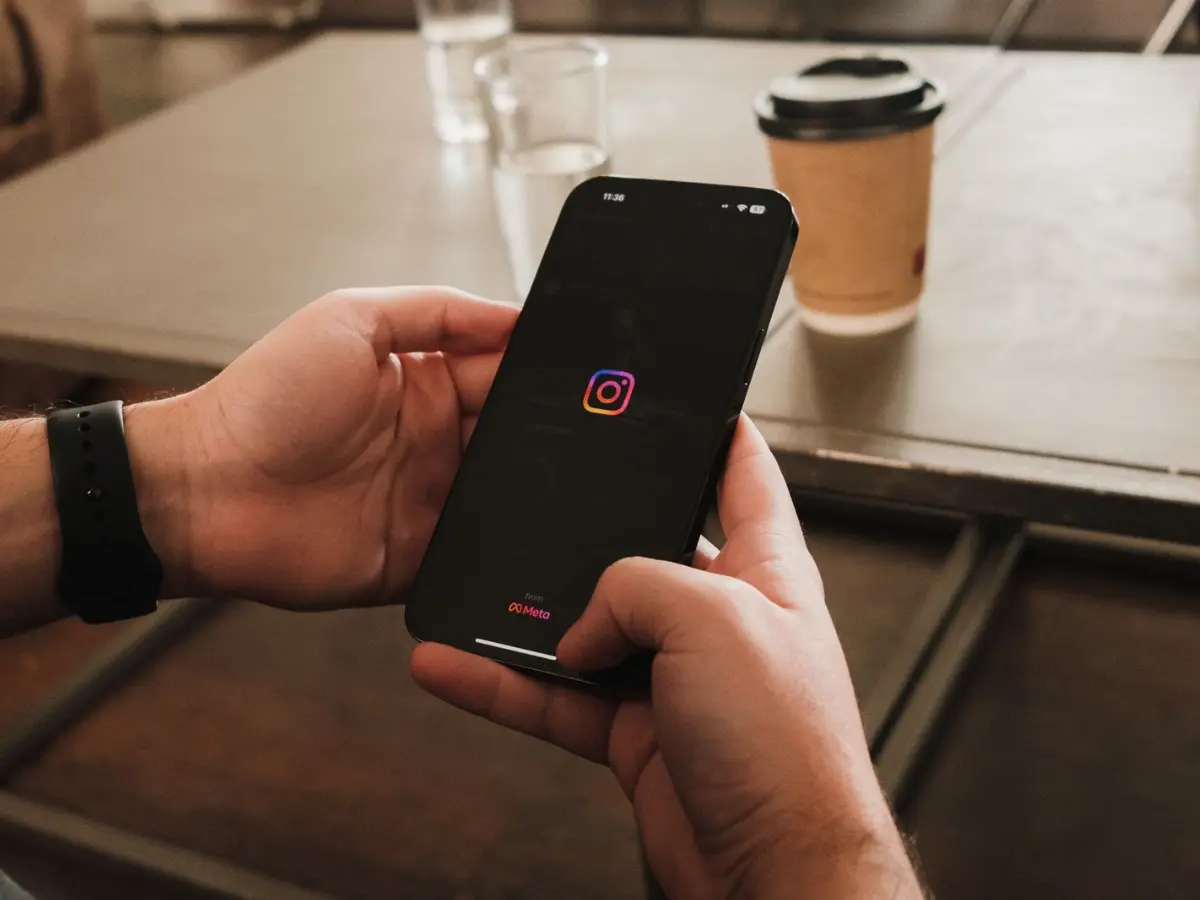
Green flag. Red flag. Instagram has become the new relationship adviser in the digital age. A single scroll through the platform can tell you who to date, who to avoid, what you can expect from an individual and which habits supposedly make or break a relationship. As the internet continues to dissect romance into a series of green and red flags, the question arises: what exactly are we seeking validation for? Have people forgotten how to build healthy relationships on their own? Who are these four people guiding our decisions? Who decides what is right and what is wrong in a relationship? And, most importantly, does any of it really matter?
The rise of the internet's relationship gurus
More than having faith in and trusting each other, individuals are increasingly relying on the internet's relationship gurus. Influencers, creators, and viral reels have become the go-to source for dating advice. Every other person on social media seems to have transformed the global entertainment platform into a therapeutic zone, sharing tips and tricks on how to keep a relationship alive after months or even years together. What was once a hub for networking and exchanging thoughts among friends and family is now being transformed into a 60-second advice session.

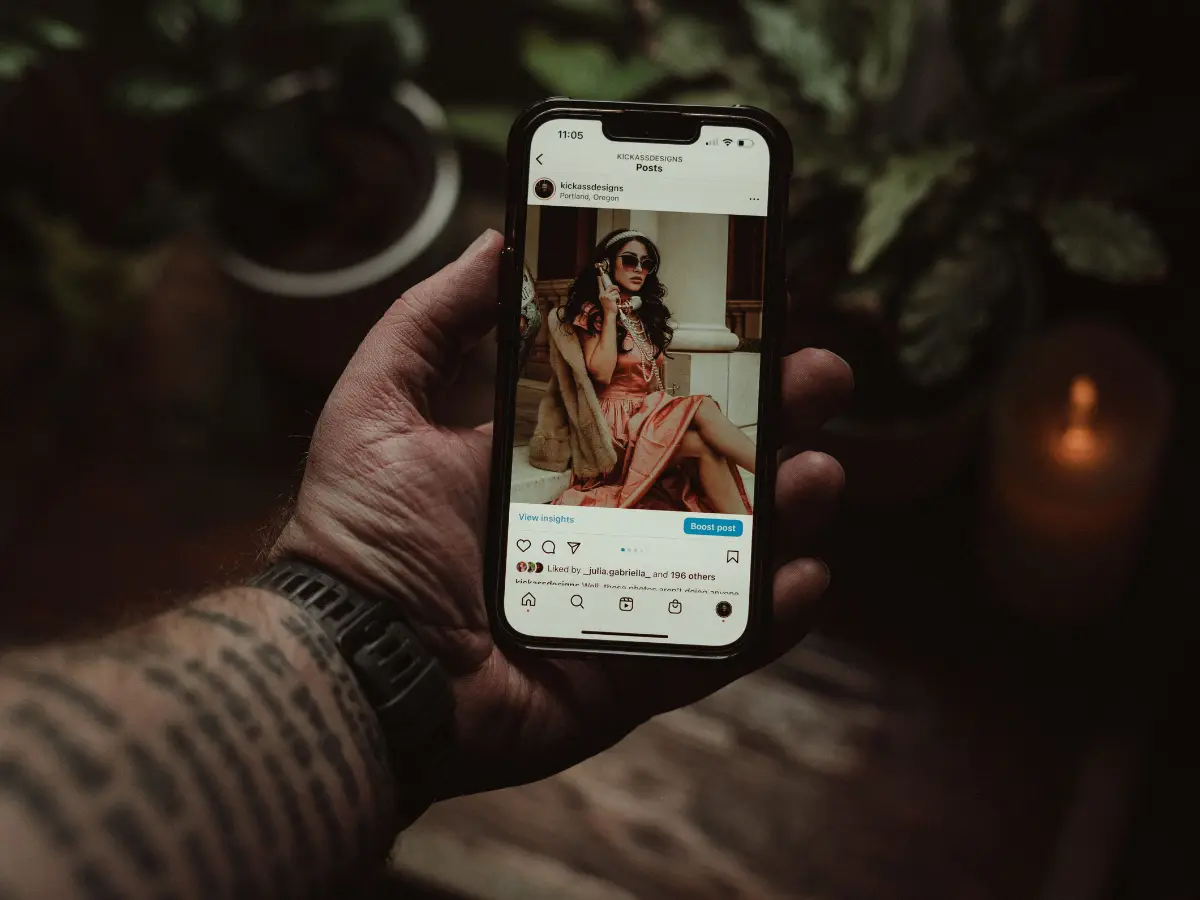)
Instagram Photograph: (Pexels)
Nowadays, people are increasingly doubting their instincts and relying on outside validation; they just need to seek validation of whether they are doing good or bad in their relationship. And where they spot a gesture considered a red flag in a short video clip, it just pounces back on them and their bond with another being. Social media is leaving little room for nuance, encouraging people to judge their partners through a checklist of internet-approved behaviours. As a result, personal experiences and individual senses of thinking are increasingly being overshadowed, and the opinions of strangers online are captivating much attention.
Do love stories need to be labelled as green or red flags?
Why are people today so eager to place their relationships under the lens of someone else's judgment? Why are people making Instagram the ultimate referee in matters of love and companionship? Reels are meant to be entertaining and showcase good deeds to other people, but they are now being treated as guidelines for building healthy relationships. It is often accompanied by a checklist of so-called green and red flags.
So, traits like Open and honest communication, respecting boundaries, emotional availability, Active listening and 100% transparency are considered Green flags, while Red flags are traits like taking hours to reply to messages, still connected with your ex on social media, refusing to post a partner online, not sharing passwords, not planning dates or surprises, avoiding long conversations, frequently cancelling plans, etc.
)
Good and Bad traits Photograph: (Pexels)
While social media has helped many people identify unhealthy relationship patterns and establish better boundaries, the real conflict begins when individuals start comparing their relationships to these online checklists and expect their partners to meet standards set by strangers on the internet.
Trending Stories
)
Three labourers killed as DU student loses control of his car, rams into them on Dwarka Expressway
)
Pentagon revives mandatory testosterone testing for male troops aged 30 and above
)
FACT CHECK: Why did PM Modi ask Xi ‘is it okay’ at BRICS Summit? New video reveals...
)
India seeks to build a full semiconductor supply chain
&im=FitAndFill=(700,400))
From Abhishek Sharma to Sahil Chauhan, 5 batters with fastest T20I hundreds
)
Indian activist-lawyer Prashant Bhushan's post brings focus on ‘conflict of interest’ appointments of ex-govt officials at Reliance, Adani groups
)
Pyongyang dismisses US, western pressure over nuclear programme
)
US And Denmark reach Greenland deal, Trump announces expanded military presence
)
Google’s Gemini AI hacks real systems by guessing passwords during security test
)
China may have gained access to US's classified F-35 jets; parts meant for repairs diverted to Hong Kong, sparking Pentagon inquiry
)
NASA research plane reaches 61,000 feet over Panama
)
Godfather of AI Geoffrey Hinton gives US lawmakers a one-year warning on AI
)
Shivakumar attends 79th Kalyana Karnataka Utsav in Kalaburagi
)
Trump signs Russia sanctions law: India faces fresh 100% tariff threat over Russian oil
)
Why Ranveer Singh’s Dhurandhar missed India’s Oscar entry; FFI jury member reveals what happened
)
‘Will go to any extent’: Pakistan vows to defend Saudi Arabia amid Houthi attacks
)
The Verdict | When precision fails: US commits war crime in Minab school strike, UN finds
)
Trump signs Russia sanctions bill into law, targets Moscow’s energy sector
&im=FitAndFill=(700,400))
New Friday OTT releases (September 18, 2026): Lust Stories 3, You+Me, Best of the Best- 8 new titles coming on Netflix, Prime Video and more
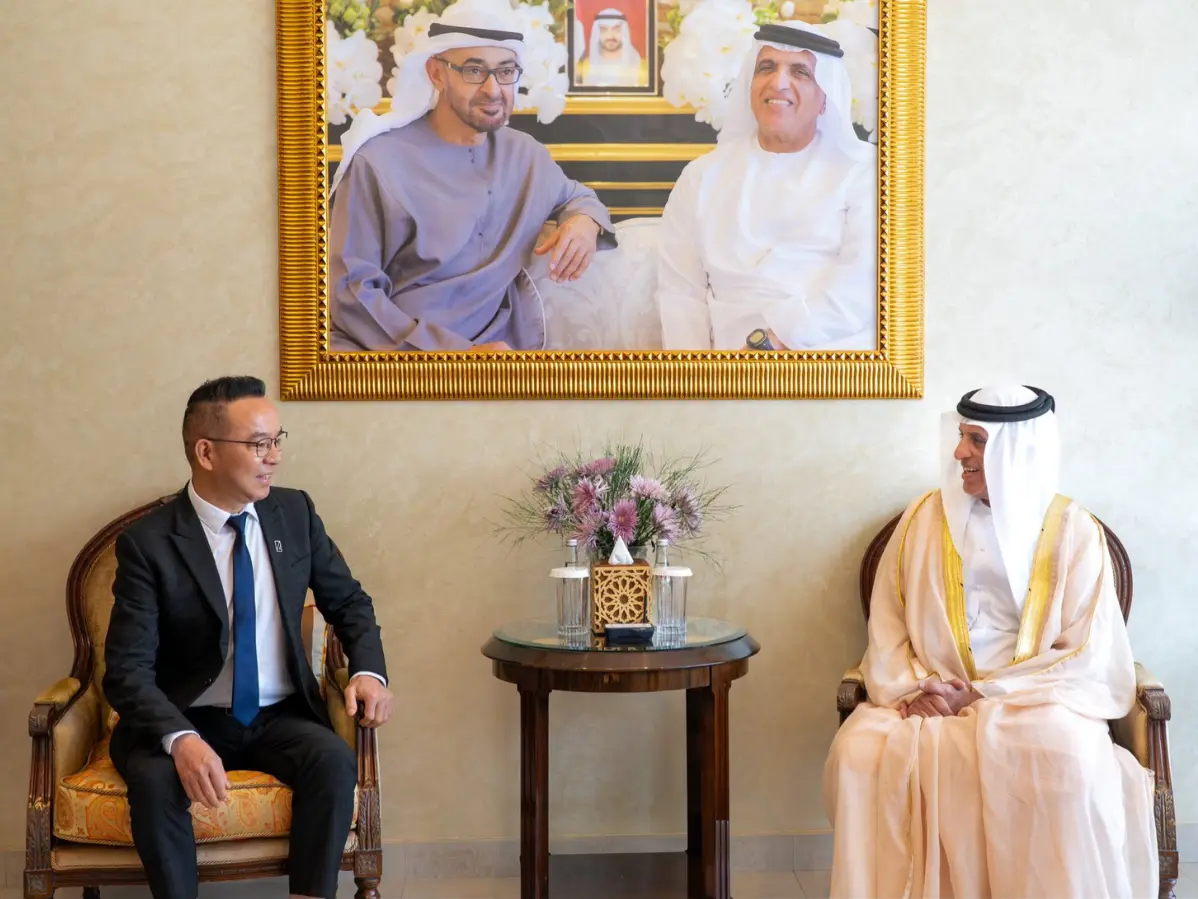)
Flying cars in UAE: Ras Al Khaimah signs deal with Chinese company to test new transport
)
Africa is splitting, and a lot sooner than estimated, giving way to a new ocean
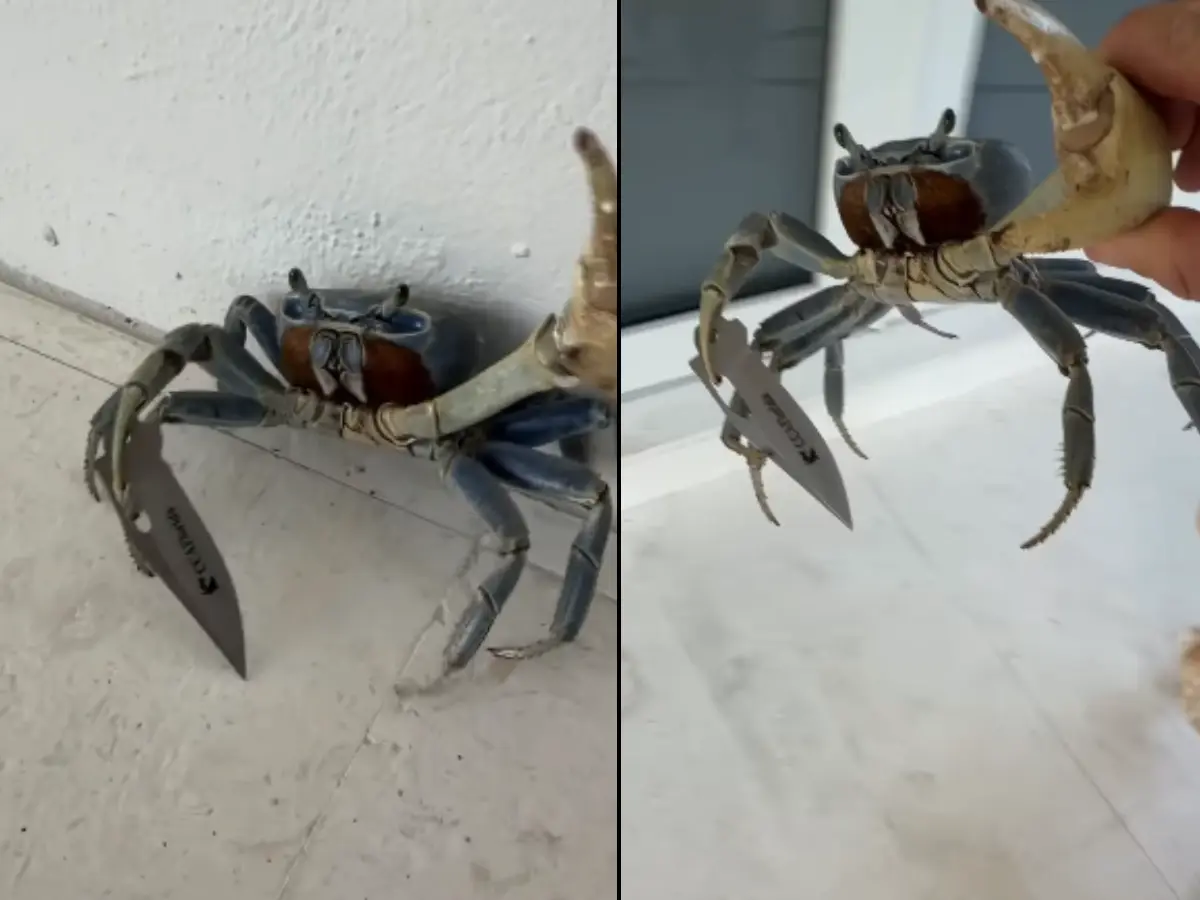)
'Gangsta' crab shoves knife blade at man and his dog in Florida - Watch
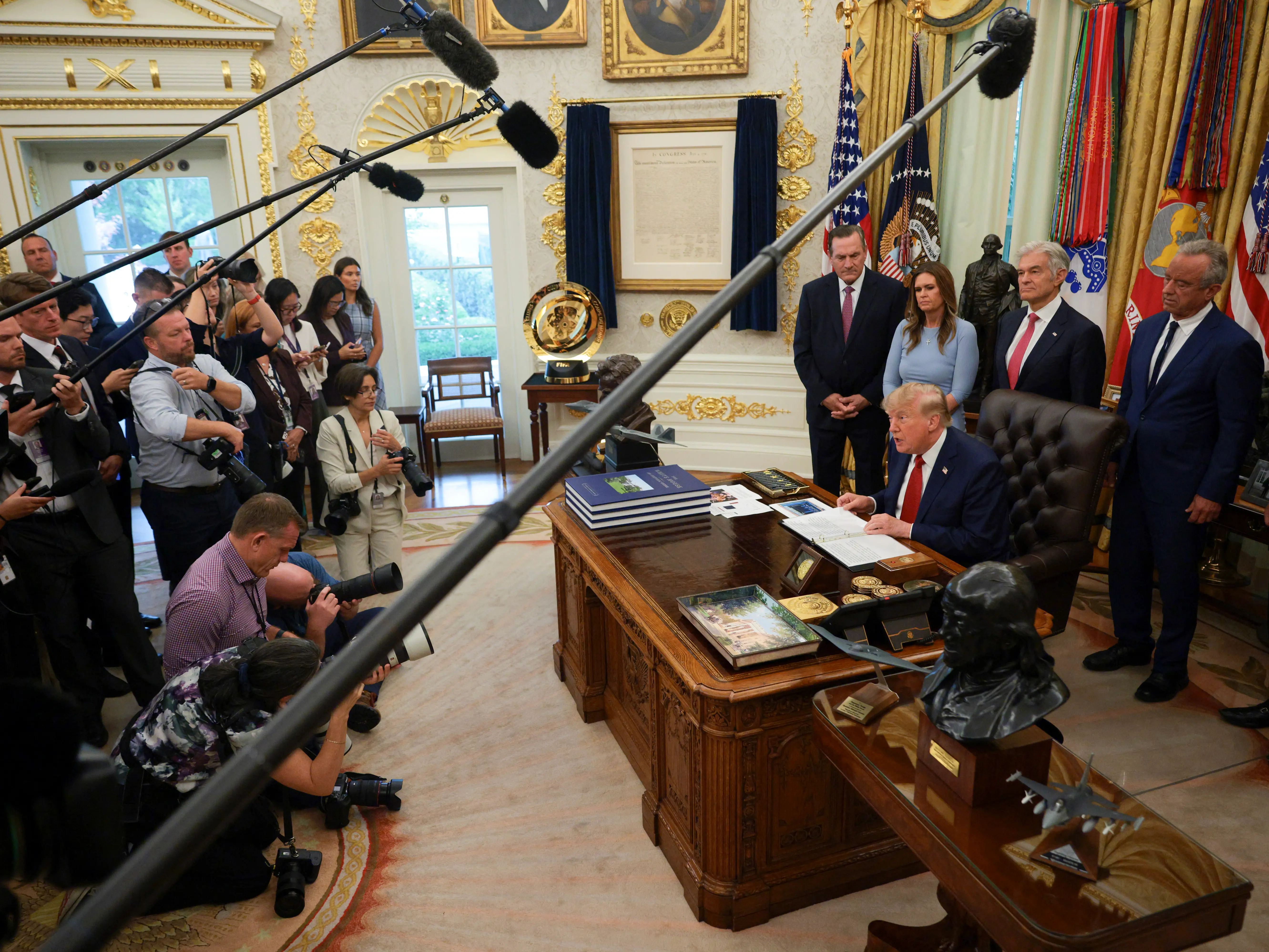)
Trump bans CNN, MS NOW and Politico from White House over ‘FAKE NEWS’
)
Trump 2.0: Dark days ahead for America’s ‘imperial presidency’
)
Trump's Greenland dream comes true? POTUS announces 'Infinite Life' deal with Denmark, claims permanent US control
)
Laura Wolvaardt sets new world record for most WT20I runs in a year
)
Drone strikes cooling tower at Russia's Kursk Nuclear Plant, IAEA confirms
)
Who is Khalilur Rahman? All you need to know about 81st UN General Assembly President
)
IIT Bombay student dies by suicide, was caught seeking AI help during exams
&im=FitAndFill=(700,400))
Meet top 5 bowlers in latest ICC T20I rankings
)
Indian Cinema bets big on mythology, brings ancient stories to modern audiences
)
Ukraine plans record $109 bn defence spending, nearly two thirds of budget amid Russia war
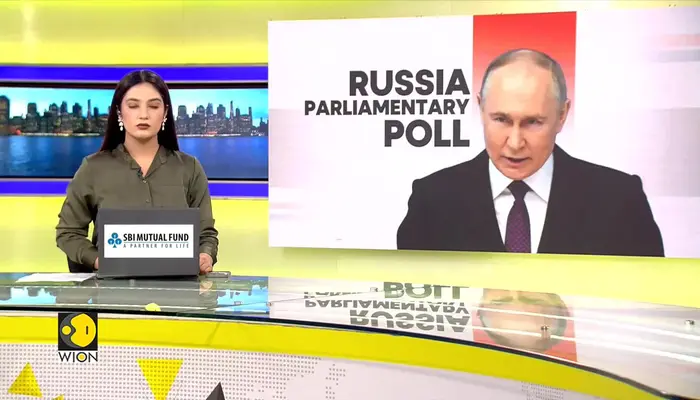)
Russia holds first parliamentary elections since the beginning of the Ukraine war
&im=FitAndFill=(700,400))
Meet top 5 Indian batters with fastest T20I centuries
The comparison phase
After discovering all these endless traits, many partners begin comparing their relationship to those they see online. It often gets triggered by a romantic surprise, an anniversary post, a lavish gift, or even a simple Instagram story. A missing goodnight message, calling a partner by their real name instead of a nickname, or not posting frequently about the one you love can be interpreted as signs of an unhealthy bond.
Many people increasingly turn to Instagram for relationship validation. And that is where unrealistic expectations begin to take shape. In a world where people are constantly juggling work, responsibilities, and personal struggles, making time for a partner is no longer enough. In the age of Instagram, if their efforts are not fitting the internet's idea of a green flag boyfriend or green flag girlfriend, it goes unnoticed.
The burden of expectations
With these, the burden within the relationship becomes heavy and creates a rift between them. Individuals begin questioning their own relationships, like, if the other couple on Instagram is living a healthy life together, why not mine? This gives rise to the pressure, the disappointments and unrealistic demands and takes root in people's minds.
)
Couple fighting Photograph: (Pexels)
Beyond others' verdict
Instead of measuring your own relationship against the others and internet-approved checklists, start believing and trusting your own experiences. Every relationship is unique; every relationship has pros and cons and is shaped by different personalities, circumstances, and expectations. The answer to having a healthy relationship is within yourselves, just start thinking of what works for one couple may not work for another, and that is how it will make it unique and pure.
Social media platforms have two sides, and it's up to the individual which side should be picked or which not. The most important thing couples can do is remember that real relationships are far more fragile and complex than a 60-second reel.
Love before the screens
Long before these human-made labels of green flags and red flags, there was a time when people did not need screens or seek validation from strangers to build and sustain their relationships. Love was nurtured through face-to-face conversations, patience, understanding, and compromise rather than online approval and internet-approved checklists.
)
Love before the screens Photograph: (Pexels)
In an age where every relationship seems to be under surveillance, maybe the healthiest thing couples can do is stop asking the internet whether their love is good enough and start asking each other.
DISCLAIMER: The opinions expressed in this article are solely those of the author and do not necessarily reflect the views of WION.

