I’m not a psycho: Hasan Minhaj breaks silence on 'needlessly misleading' New Yorker profile

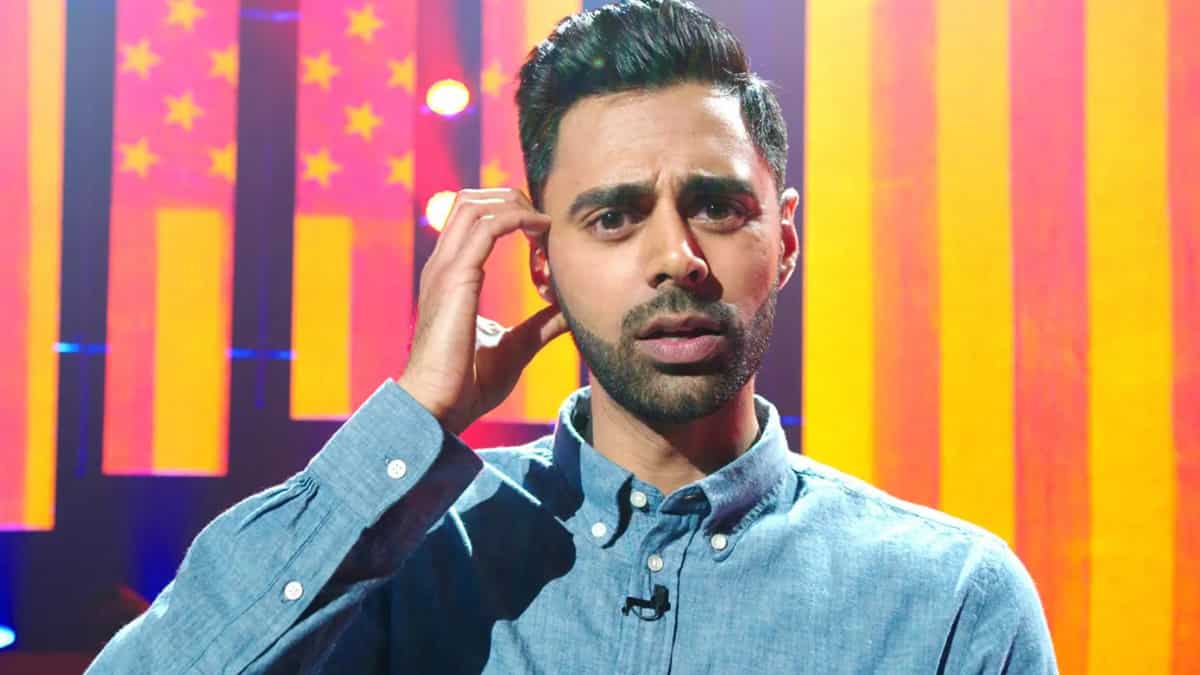
Hasan Minhaj expresses remorse for anyone who felt betrayed or hurt by his stand-up.
Stand-up comedian and political commentator Hasan Minhaj has finally broken his silence about the controversy surrounding a September New Yorker profile that raised questions about the authenticity of stories in his stand-up comedy. The article alleged that Minhaj had fabricated or exaggerated elements of his life stories, which left many questioning his public persona. In a 20-minute video statement provided to The Hollywood Reporter, Minhaj addresses the allegations, providing more context on the stories in question and explaining his artistic choices.
“The reason I feel horrible is because I’m not a psycho. But this New Yorker article definitely made me look like one. It was so needlessly misleading, not just about my stand-up, but also about me as a person. The truth is, racism, FBI surveillance and the threats to my family happened. And I said this on the record," he said in the video.
Also Read |Hasan Minhaj's undoing: The deception beneath the laughter

The New Yorker article focused on three specific stories from Minhaj's stand-up act that had drawn scrutiny. First, the incident where he was rejected for prom due to racism; second, his encounters with undercover law enforcement surveilling the Muslim community in his hometown, and finally, an anthrax scare he experienced at his home. Minhaj begins his video response by acknowledging the seriousness of the accusations against him, particularly the one about "faking racism," which he stresses is not a trivial matter.
He expresses remorse for anyone who felt betrayed or hurt by his stand-up, acknowledging that he made artistic choices to express himself and highlight larger issues affecting him and his community. Minhaj also responds directly to the notion that he might be a "con artist" who exploits racism and Islamophobia to further his career.
One of the key points of contention was the story Minhaj told in his Netflix special Homecoming King, where he recounted asking a white girl to prom, only to be turned away due to her family's racial bias. In his video, Minhaj plays an audio clip of his conversation with the writer Clare Malone discussing the scene. He provides emails and texts that he says he shared with the magazine, demonstrating that the rejection was due to race, contrary to the impression left by the New Yorker article.
)
Mushtaq Khan dies at 56: When Welcome actor opened up about his salary for iconic role Ballu
)
Hawaii braces for Hurricane Nolo: NOAA warns of flash flooding and mudslides
)
Bangkok declares flood disaster as heavy rain submerges roads and homes
)
US Supreme Court backs Trump administration's use of SAVE database to check voter citizenship
)
Outrage erupts after 3-year-old is married to 60-year-old man in Pakistan, link to her sister's murder being probed
)
Donald Trump shares image of Xi's arrival in Washington, carries signs of AI
)
Pakistan deploys over 20,000 security personnel as PTI vows march for Imran Khan's release
)
Anthropic says Claude found a new gene-editing enzyme but science isn't confirmed
)
Farhan, who went viral for AK47 celebration vs India in Asia Cup, hopes to lead Pakistan beyond Asian Games
)
Prince Harry offers rare glimpse into Archie and Lilibet’s life after UK move
)
OpenAI AI Agents hacked 4 websites before Hugging Face, researchers reveal
)
Pentagon quietly adds 37 wounded troops to Iran war tally without explaining when or how
&im=FitAndFill=(700,400))
New Friday OTT releases (September 25, 2026): Don’t Be Shy, Hunkkaar: The Roar, Mango Pachcha- 6 movies and TV shows on Netflix, Prime Video and more
)
Asian Games 2026: India face Afghanistan in quarterfinal on Sep 28; Pakistan clash with Hong Kong
)
‘Attack on Mecca a red line for Pakistan’: Shehbaz Sharif warns Houthis at UN
)
‘I rejected it’: Trump confirms turning down Iran’s proposal to reopen Hormuz, claims Tehran is losing ‘badly’
)
Death toll rises to 64 in Indonesia's Java Sea ferry incident; 71 still missing
)
Did Hitler kill his niece Geli Raubal? Newly found records reopen a 95-year-old mystery
)
Nigeria Navy moves to boost oil security, tackle crude theft and infrastructure threats
)
Indian diplomat Petal Gahlot raises deteriorating situation in Pakistan-occupied Kashmir in right of reply at UN
)
'Countries far from conflict are penalised': Jaishankar calls for Gulf peace, seafarer safety at UN
)
What Gisele Bündchen allegedly told Tom Brady before their divorce
)
‘It is all possible’: Putin weighs next steps on Ukraine talks, rules out Europe conflict
)
Global community 'absent' in Gulf crisis: Saudi at UN calls for freedom of navigation, pre war status for Hormuz
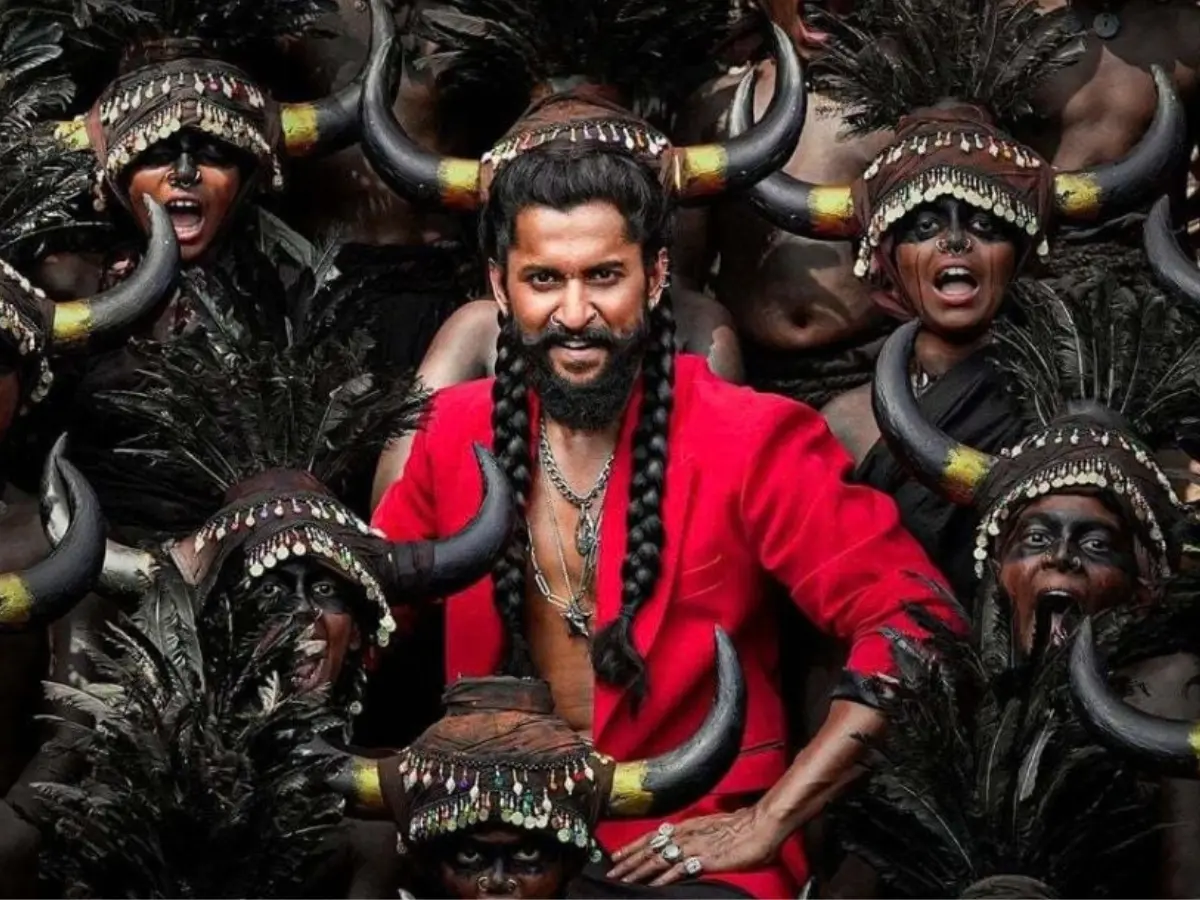)
The Paradise: Nani reacts to mixed reviews from critics and audience; ‘I have also learnt from the flaws’
)
Trump rejects Iran's 7-day ceasefire proposal as US weighs renewed bombing after midterms: Report
)
Gaza's war turned environmental damage into second crisis
)
Trump-Xi summit wrap: Big pageantry, Iran talks, few major developments and more meetings planned
)
'What kind of confession is this?': Pakistan PM Shehbaz Sharif’s 'terrorists would be roaming New York' remark goes viral, raises alarm online. Watch
)
Myanmar training camp case: US national, 6 Ukrainians allowed to meet their families abroad
)
'FIRST LOOK from inside Noah’s Ark': Researchers share video from inside mysterious mound in Turkey
)
Cindy Crawford’s son Presley Gerber cremated as death probe continues
)
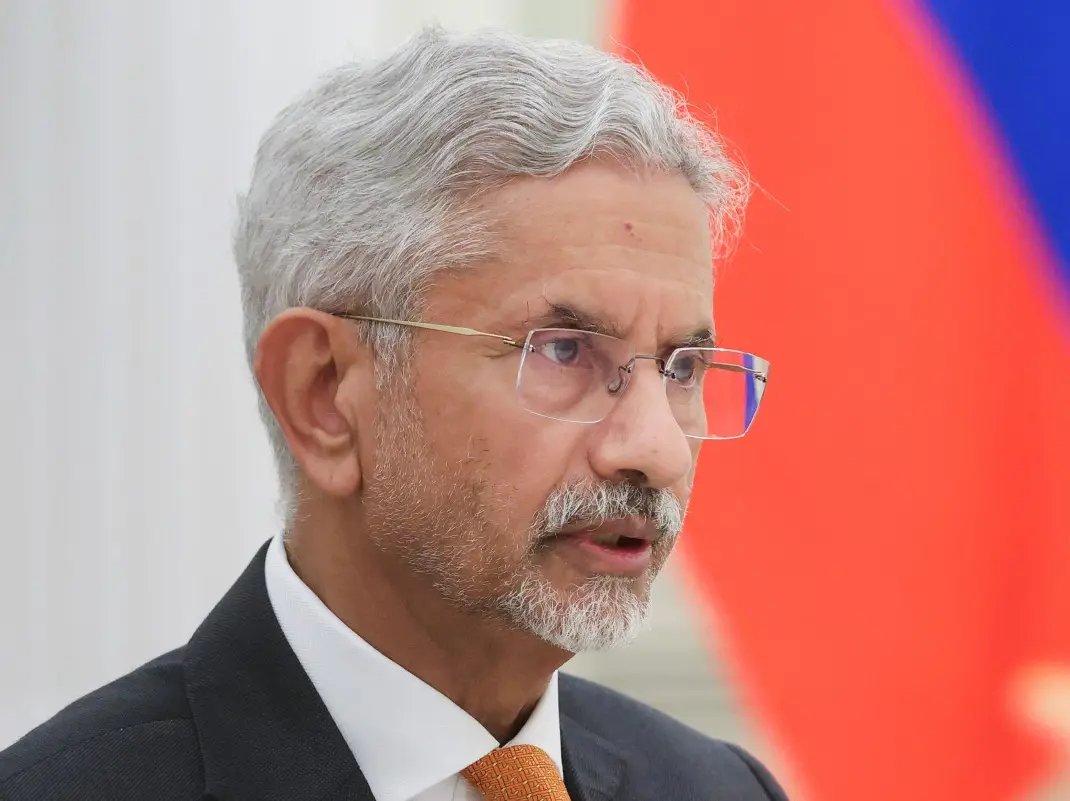
WATCH | As Shehbaz Sharif claims Pakistan’s ‘victory’ during 2025 conflict, Indian diplomat R Srinivas laughs at UN
)
'A terrorist country is asking me that question?': Jaishankar hits back at Pakistani journalist at UN; flags attacks on commercial shipping
)
Russia will achieve Ukraine war aims; Europe doing everything to block peace talks: Lavrov at UN
)
‘Serial practitioner of terrorism’: Jaishankar calls out Pakistan’s ‘state-sponsored’ terror at UNGA
)
US court backs Pentagon's decision to exclude Anthropic over Claude AI restrictions
Also Read |Hasan Minhaj's comedy confession: Lies or creative exaggeration?
“My team and I repeatedly tried to give them the emails you just saw. We confirmed the emails were sent to the reporter and their fact checker before the article came out. They knew my rejection was due to race. I confirmed it on the record and provided corroborating evidence. And yet they misled readers by excluding all of that and splicing two different quotes together to leave you thinking that I made up a racist incident," he says in the video
Regarding the other stories in question, Minhaj admits that he embellished details but clarifies that his stand-up work allows for more artistic license, unlike his work on platforms like Comedy Central's The Daily Show or Netflix's Patriot Act, which involved rigorous fact-checking.
Also Read |Hasan Minhaj admits fabricating details in comedy: Hyperbole, exaggeration, fiction
In the video, Minhaj also says that he expected different standards for his storytelling comedy and political commentary. He wishes the reporter had considered the broader landscape of stand-up comedy and how the line between truth and fiction can be blurry for many comedians.
“And I totally get why a journalist would be interested where that line sits. I just wish the reporter had been more interested in their own premise. Someone genuinely curious about truth in stand-up wouldn’t just fact check my specials. They would fact check a bunch of specials. They would establish a control group, a baseline, to see how far outside the bounds I was in relation to others. They wouldn’t just cherry pick a few stories," he added.
WATCH WION LIVE HERE
You can now write for wionews.com and be a part of the community. Share your stories and opinions with us here.