&imwidth=800&imheight=600&format=webp&quality=medium "'Not purely a religious person': China criticizes Grammy Award to Dalai Lama")
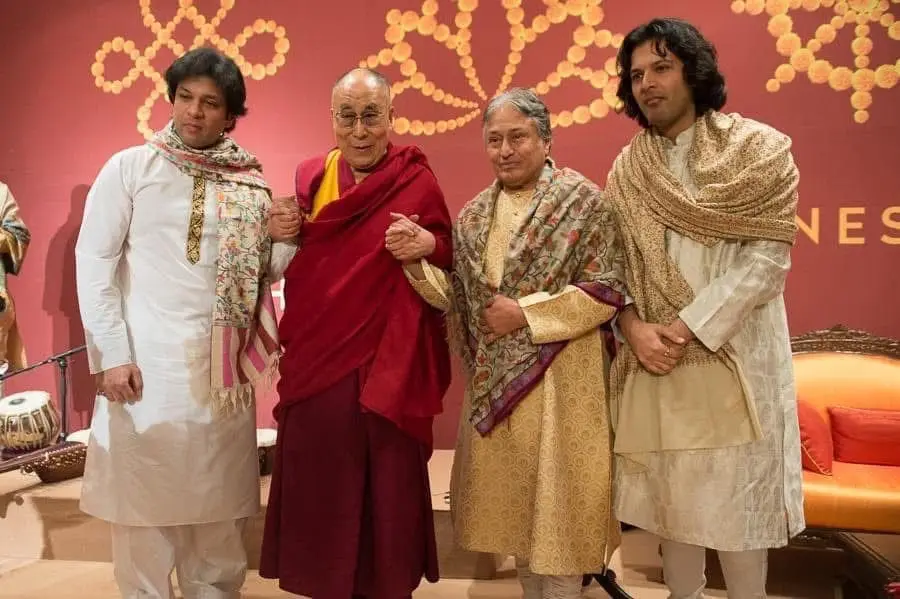
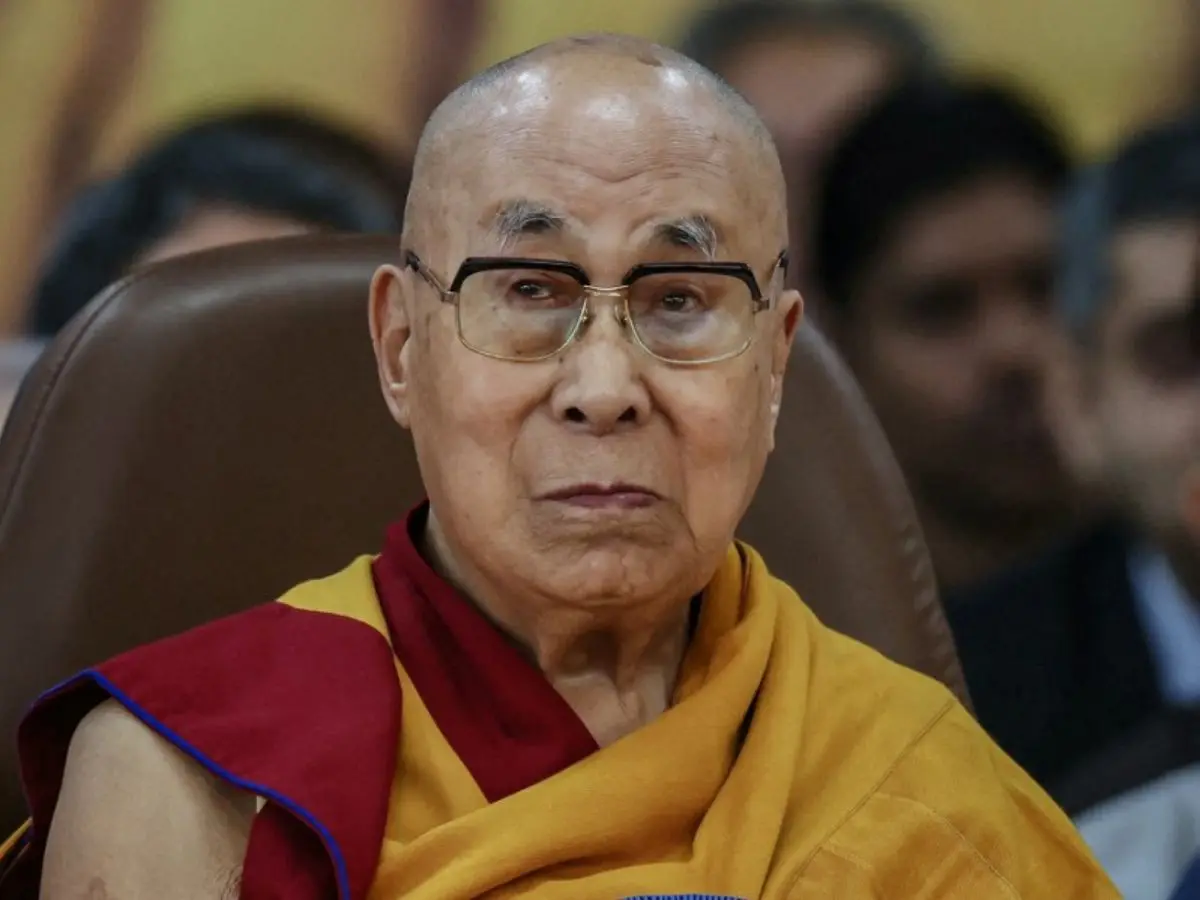
Dalai Lama, Tenzin Gyatso, received his first Grammy Award for the spoken-word album Meditations: The Reflections of His Holiness the Dalai Lama at the 68th annual Grammy Awards held in Los Angeles on Sunday. But China was unhappy with the decision and criticized, saying it opposes the Tibetan spiritual leader using the international recognition to support what Beijing describes as “anti-China activities.”
China responds

The 90-year-old spiritual leader was honoured in the Best Audio Book, Narration and Storytelling Recording category. Chinese Foreign Ministry spokesperson Lin Jian addressed the Dalai Lama's international recognition at a media briefing, saying, "The Dalai Lama is not purely a religious person."
Responding to a question on the award, Jian reiterated Beijing’s long-standing stance on the Tibetan leader. "He is a political exile committed to anti-Chinese separatist activities under the disguise of religion," Jian said. He added that China "firmly opposes relevant sides using the award as a tool to carry out anti-China activities."
Trending Stories
)
Xi Jinping's new AI bloc: China launches 'World AI Body' with Pakistan and Russia in, India out
&im=FitAndFill=(700,400))
Why the S-400 uses solid rocket fuel instead of liquid fuel
)
Explained: Why Rodri won the FIFA World Cup Golden Ball over Lionel Messi
)
Japan is selling a refrigerator to cool the human body for Rs 9 lakh. It is already a hit in Tokyo
)
Lip reader reveals what Donald Trump told every Spain and Argentina player after FIFA World Cup final during medal ceremony
)
Sonam Wangchuk's connection with George Soros and Ford Foundation explained!
)
'There is no need for...': PM Modi takes a veiled dig at Rahul Gandhi, sends big message amid Parliament March
)
FACT CHECK: Was Abhijit Dipke detained during CJP's Parliament march? Here's what police say
)
UP BTech gold medalist dies by suicide after failing in nearly 50 govt job attempts, leaves note for father
)
Jail over Khamenei post: J&K youth returns home after 3 months in Saudi custody
)
'Now come to us': CJP resumes protest after Parliament march violence, calls meeting with Nadda 'waste of time'
)
Salman Khan breaks silence on health concerns after viral Mumbai appearance
)
'George Soros playbook': Understanding the foreign funding network around Sonam Wangchuk
)
Indus treaty can no longer function in its current form, says India; plans 5,500 mw of new J&K hydro projects
&im=FitAndFill=(700,400))
New OTT releases this week (July 20-26, 2026): Musafir Cafe, Adarsh Baal Vidyalaya, 72 Hours- 5 new titles coming on Netflix, Prime Video and more
&im=FitAndFill=(700,400))
2026 FIFA World Cup awards: Full list of Golden Boot, Golden Ball, Golden Glove and every major winner
&im=FitAndFill=(700,400))
FIFA World Cup 2026 team of the tournament: The best XI that ruled football’s biggest stage
)
'What is wrong...': Anna Hazare breaks silence on Sonam Wangchuk's protest, makes an appeal to Centre
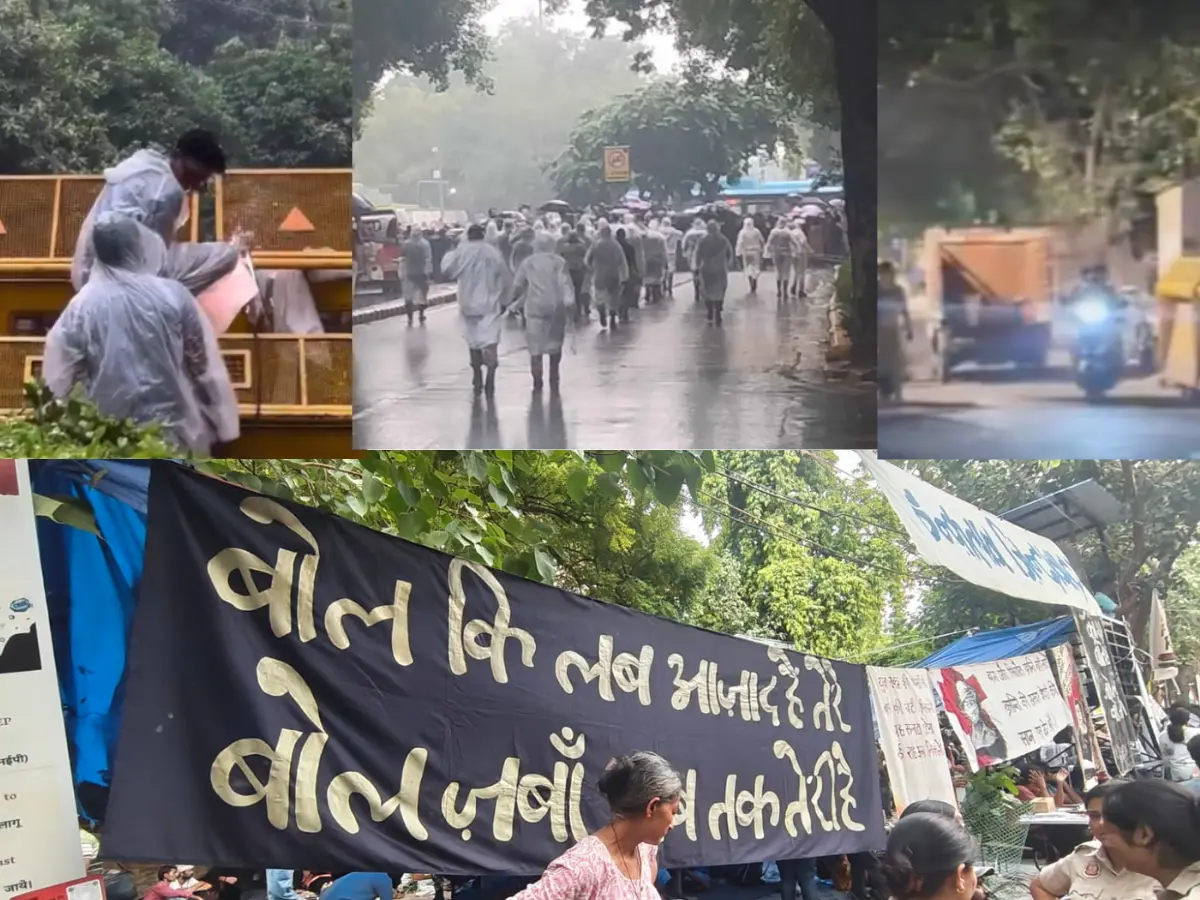)
Truck loaded with stones, metro stations closed: What's happening at Jantar Mantar now
&im=FitAndFill=(700,400))
Why US fighter jets use seamless bubble canopies compared to Russian jets
&im=FitAndFill=(700,400))
Why the F-22’s cockpit glass is thicker than a standard fighter jet
)
Student union leaders call off hunger strike at Jantar Mantar after civil society appeal, but protest continues
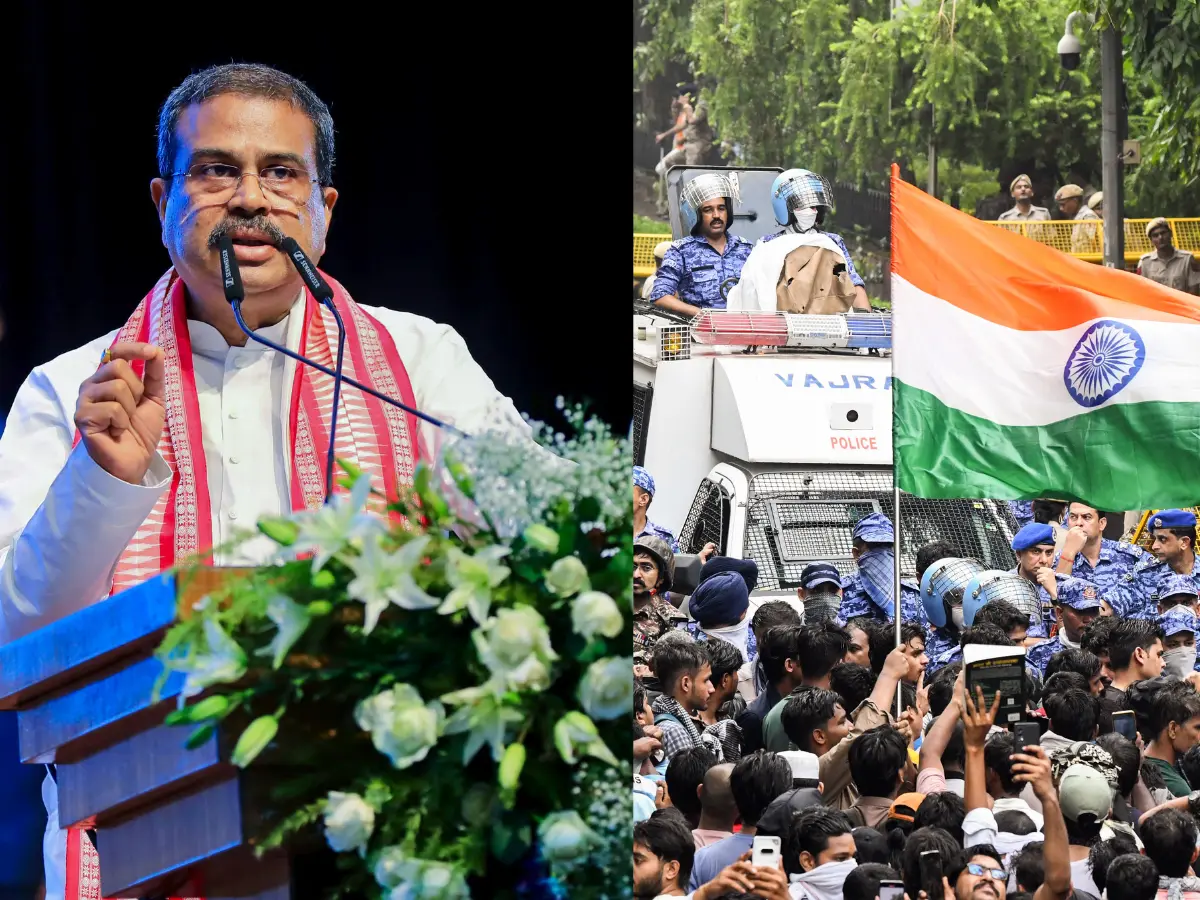)
'Guru is the...': Indian Education Minister Dharmendra Pradhan shares message on education amid calls for his resignation
)
'We acted immediately...': Indian PM Modi breaks silence on paper leaks as NEET protest, calls for Education Minister's resignation grows
About the Dalai Lama’s Meditations
The Dalai Lama's album features the spiritual leader's views on peace, compassion, mindfulness, and universal human values, presented with music and narration.
Meditations was nominated alongside works by comedian Trevor Noah and US Supreme Court Justice Ketanji Brown Jackson.
Why China criticized the Dalai Lama
Since 1959, the Dalai Lama has spent his life in exile in Dharamsala, India, after leaving Tibet due to a failed uprising against Chinese rule.
Beijing claims him to be a separatist, but he has repeatedly denied the charges, saying that he seeks genuine autonomy for Tibet within China rather than independence.
He was honoured with the Nobel Peace Prize in 1989 for his consistent, non-violent struggle for the Tibetan cause.
Dalai Lama on receiving a Grammy
Reacting to the recognition, the Dalai Lama said, "I receive this recognition with gratitude and humility. I don’t see it as something personal, but as a recognition of our shared universal responsibility," he said in a statement. "I firmly believe that peace, compassion, care for our environment and an understanding of the oneness of humanity are essential for the collective well-being of all eight billion human beings."