Glaucoma Awareness Month: Cataract vs Glaucoma - What's the difference?

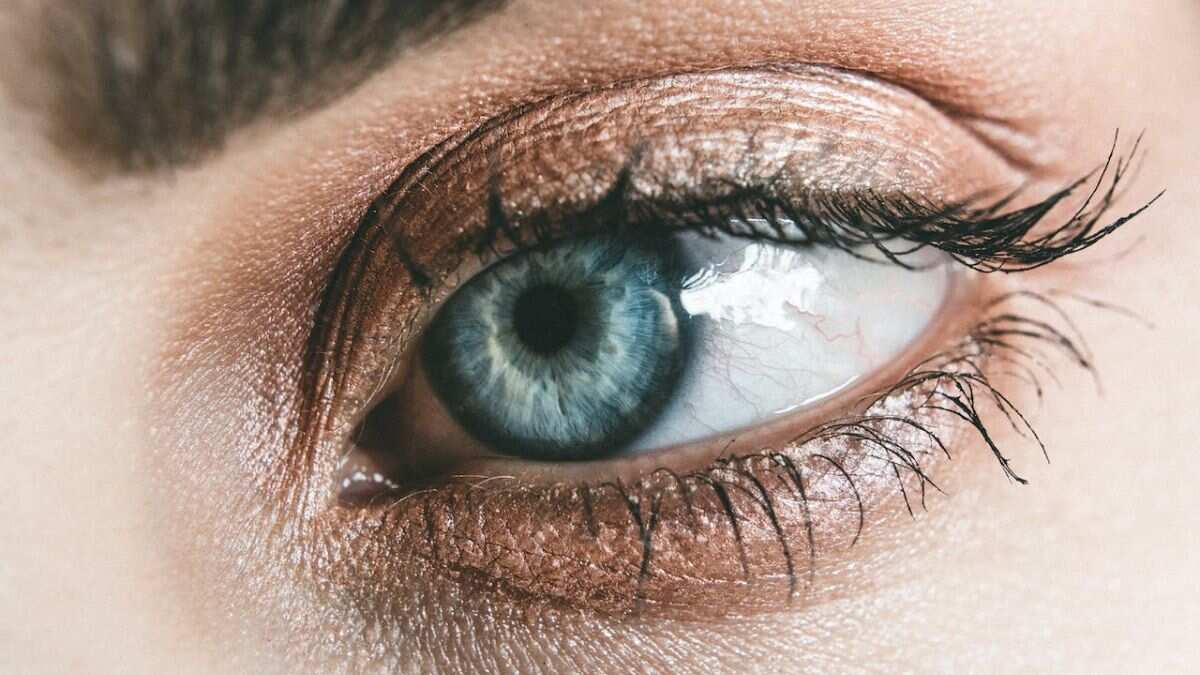
Glaucoma Awareness Month
January is Glaucoma Awareness Month, a dedicated time to raise awareness about this often-silent eye condition that can lead to irreversible vision loss. World Health Organization estimates that over 80 million people are suffering from Glaucoma worldwide while 4.5 million people have gone blind due to the eye disease, making it the second leading cause of blindness in the world. In the United States alone, over 3 million people have Glaucoma and according to the National Eye Institute, this number will reach 4.2 million by 2030, projecting a 58 per cent increase.
Amidst the focus on Glaucoma during Glaucoma Awareness Month, it's essential to also shed light on another common eye ailment, i.e. Cataracts, and understand the differences between the two.
Glaucoma: The Silent Thief of Sight

Glaucoma is a group of eye conditions that damage the optic nerve, leading to progressive vision loss. Often referred to as the "silent thief of sight", Glaucoma typically presents no symptoms in its early stages, making regular eye exams crucial for early detection.
Types of Glaucoma
- Primary Open-Angle Glaucoma (POAG): This is the most common type and occurs when the drainage channels within the eye become clogged over time, increasing intraocular pressure.
- Angle-Closure Glaucoma: Less common, this type occurs when the iris blocks the drainage angle of the eye, leading to a sudden increase in intraocular pressure (IOP).
- Normal-Tension Glaucoma: In this variation, optic nerve damage occurs despite normal intraocular pressure. The reasons behind this phenomenon are still being studied.
- Secondary Glaucoma: This type of eye condition refers to any case in which another disease causes or contributes to increased eye pressure, resulting in optic nerve damage and vision loss.
&imwidth=180&imheight=135&format=webp&quality=medium)
'Nidal Hasan's firing-squad execution to be livestreamed', says Pentagon; first US military execution since 1961
&imwidth=180&imheight=135&format=webp&quality=medium)
'Baseless and misconceived': India issues statement after Elon Musk's 'oligarchs' claim over Starlink delay
&imwidth=180&imheight=135&format=webp&quality=medium)
Trump's naked 23-karat gold statue unveiled near European Parliament
&imwidth=180&imheight=135&format=webp&quality=medium)
Musk doubles down on Starlink India licence allegations; Rahul Gandhi says ‘wait till...’
&imwidth=180&imheight=135&format=webp&quality=medium)
Thai Actors Fourth Nattawat, Gemini Norawit face racism accusations from Indian fans over viral Bollywood act
&imwidth=180&imheight=135&format=webp&quality=medium)
Nigeria govt rolls out 30-day NNPC petrol discount, insists it is not a subsidy
&imwidth=180&imheight=135&format=webp&quality=medium)
Captain Smit Machchhar on feet again, walks 10 steps as recovery continues after Flydubai flight attack
&imwidth=180&imheight=135&format=webp&quality=medium)
‘Battlespace has expanded’: Wg Cdr Priti Ojha (Retd) reflects on changing face of air power on IAF Day
&imwidth=180&imheight=135&format=webp&quality=medium)
‘IPL franchises provided a big base’: SA20 commissioner Graeme Smith on league’s success
&imwidth=180&imheight=135&format=webp&quality=medium)
24-year-old Sri Lankan man sentenced to death for blasphemy in Saudi Arabia
&imwidth=180&imheight=135&format=webp&quality=medium)
A Love Other Than Yours: The temptation to cheat and what pushes people over the edge
&imwidth=180&imheight=135&format=webp&quality=medium)
Russia president Putin promises to 'do everything' to help settle Middle East conflict as US-Iran negotiations stall
&imwidth=180&imheight=135&format=webp&quality=medium)
BTS agency HYBE announces first-ever Weverse Con Festival in India
&imwidth=180&imheight=135&format=webp&quality=medium)
Trump has a new 'enemy': Anyone who calls it 'artificial intelligence'. Here's what we wants instead
&imwidth=180&imheight=135&format=webp&quality=medium)
Paxton in leaked audio says Trump hurting his election chances
&imwidth=180&imheight=135&format=webp&quality=medium)
India at UN: Pak allows terror groups to operate from its soil
&imwidth=180&imheight=135&format=webp&quality=medium)
Air India, Air India Express increase fuel surcharge on domestic, international flights amid rising ATF costs
&im=FitAndFill=(700,400)&imwidth=180&imheight=135&format=webp&quality=medium)
Nana Patekar’s upcoming big-screen films: From Shakti Shalini to Eetha
&imwidth=180&imheight=135&format=webp&quality=medium)
Nobel Peace Prize 2026: Trump to Carney, who are the top contenders? Why the ISS is a surprise contender
&imwidth=180&imheight=135&format=webp&quality=medium)
Flydubai flight attack: Indian pilot Smit Machchhar to receive Israel's highest civilian bravery award for saving 174 lives
&im=FitAndFill=(700,400)&imwidth=180&imheight=135&format=webp&quality=medium)
US midterms 2026: 10 leaders and candidates to watch in the battle for Congress
&imwidth=180&imheight=135&format=webp&quality=medium)
42 ex-judges write open letter, express concern over allegations against Election Commission
&im=FitAndFill=(700,400)&imwidth=180&imheight=135&format=webp&quality=medium)
From Kramatorsk buses to Yandex fire: Russia-Ukraine war in the last 48 hours
&imwidth=180&imheight=135&format=webp&quality=medium)
Pakistan denies reports of PAF jets being used in attacks against Iran-backed Houthis in Yemen
&imwidth=180&imheight=135&format=webp&quality=medium)
New York ICE shooting sparks protests as Mamdani to call on Trump to halt ICE operations
&imwidth=180&imheight=135&format=webp&quality=medium)
Nana Patekar's #MeToo controversy: From Tanushree Dutta’s allegations to court ruling
&imwidth=180&imheight=135&format=webp&quality=medium)
Atlantic hurricane Isaias could make landfall as a strong Category 2 storm, tornado warnings issued
&imwidth=180&imheight=135&format=webp&quality=medium)
Who is Nana Patekar's wife Neelakanti? The bank officer who earned Rs 2,500 when he earned Rs 50
&imwidth=180&imheight=135&format=webp&quality=medium)
France student protests: Over 500 arrested, govt promises 3,000 substitute teachers
&imwidth=180&imheight=135&format=webp&quality=medium)
French students light European bonfire, protests erupt in Belgium, Italy & Greece | Gravitas
&imwidth=180&imheight=135&format=webp&quality=medium)
Arizona congressional candidate claims she was sexually assaulted while repairing signs
&imwidth=180&imheight=135&format=webp&quality=medium)
New Cold War: Why is China buying more gold? Explained
&imwidth=180&imheight=135&format=webp&quality=medium)
Zendaya gives The Odyssey white lace jacket a stylish twist at Paris Fashion Week 2026
&imwidth=180&imheight=135&format=webp&quality=medium)
SC asks Centre to frame mechanism against unethical pharma marketing practices
&imwidth=180&imheight=135&format=webp&quality=medium)
US suspends Microsoft, Infosys, Tata, Wipro from green card programme over alleged H-1B abuse
&imwidth=180&imheight=135&format=webp&quality=medium)
Trump honours Microsoft CEO Satya Nadella with top technology honour amid immigration scrutiny
&imwidth=180&imheight=135&format=webp&quality=medium)
Sri Lankan Tamil worker gets death sentence in Saudi Arabia over blasphemy, calls for pardon intensify
There are several other less common types of Glaucoma including Congenial Glaucoma, Exfoliative Glaucoma, Neovascular Glaucoma, Traumatic Glaucoma, and Uveitic Glaucoma.
Risk Factors
- Age
- Family history
- Elevated intraocular pressure
- Ethnicity (African Americans and Hispanics are at higher risk)
- Medical conditions like diabetes and heart disease
Types of Glaucoma Tests
In an exclusive conversation with WION, Dr Deepak Sadarangani (Consultant, Ophthalmology - Jaslok Hospital & Research Centre, Mumbai) shared details of five common tests available to diagnose Glaucoma. He revealed that depending on the symptoms, your healthcare provider may prescribe a combination of the tests mentioned below.
Dilated eye exam (Ophthalmoscope): A dilated eye exam helps view the optic nerve.
Gonioscopy: The purpose of a gonioscopy is to examine the angle where your cornea and iris intersect.
Pachymetry: A pachymetry involves using a pachymeter tool to help measure corneal thickness.
Perimetry: Also called a visual field test, the perimetrytest makes a detailed record of your visual fields.
Tonometry: A tonometry test measures pressure in your eye.
Dr Deepak stressed, "Glaucoma doesn't always cause noticeable symptoms in its early stages, so testing can help detect it before it progresses to a more advanced stage."
Prevention and Treatment
Regular eye check-ups are vital for early detection, especially for those at higher risk. Treatment often involves medication to reduce intraocular pressure, laser therapy, or surgical procedures to improve fluid drainage.
Cataracts: Clouding the Lens
Cataracts, on the other hand, involve the clouding of the eye's natural lens, affecting vision. While Glaucoma is related to increased intraocular pressure, Cataracts have a different mechanism.
Causes of Cataracts
- Ageing (most common cause)
- Diabetes
- Smoking
- Prolonged exposure to sunlight
- Certain medications
Symptoms of Cataracts
- Blurred or hazy vision
- Sensitivity to light
- Difficulty seeing at night
- Fading or yellowing of colours
- Frequent changes in prescription glasses
Prevention and Treatment
Preventing Cataracts involves lifestyle choices such as protecting your eyes from harmful UV rays, maintaining a healthy diet, and managing conditions like diabetes. Surgical removal of the cloudy lens and replacing it with an artificial one is a common and effective treatment for cataracts.
Distinguishing the Differences
- Affected Structures: While Glaucoma primarily affects the optic nerve due to increased intraocular pressure, Cataracts involve clouding of the eye's natural lens.
- Symptoms: Glaucoma is often asymptomatic in the early stages and causes peripheral vision loss in later stages. On the other hand, Cataracts cause gradual vision changes, including blurred or hazy vision.
- Detection: Glaucoma can be detected through regular eye exams, including measurement of intraocular pressure. Meanwhile, Cataracts are detected through a comprehensive eye examination.
Speaking exclusively to WION, Dr Janhvi Mehta (Consultant, Ophthalmology - Jaslok Hospital & Research Centre, Mumbai) explained, "Cataracts are usually painless and progress gradually, while Glaucoma on the other hand can be both slow and subtle or painful and quick. If you have Cataracts, you suffer from a change in the lens. The cloudiness causes the light to not be seen properly. Glaucoma is the damage of the optic nerve, which is an important part of how the brain processes the information you see due to an increase in eye pressure or sometimes not. Glaucoma is more likely to cause blindness and the blindness is irreversible, so treatment is vital."
Understanding the differences between these two eye conditions empowers all of us to take proactive steps to preserve our vision. Whether it's the silent progression of Glaucoma or the gradual clouding of Cataracts, early detection and appropriate management are key to maintaining eye health and preventing permanent vision loss.
Disclaimer: Please note that the information provided on this website is for informational purposes only and is not intended as a substitute for professional medical advice, diagnosis, or treatment. Always seek the advice of your physician or other qualified healthcare providers with any questions you may have regarding a medical condition. The content provided on this website should not be used to diagnose or treat any health problem or disease. If you have or suspect that you have a medical problem, please contact your healthcare provider immediately. Never disregard professional medical advice or delay in seeking it because of something you have read on a website.