Cervical Health Awareness Month! Understanding HPV vaccination

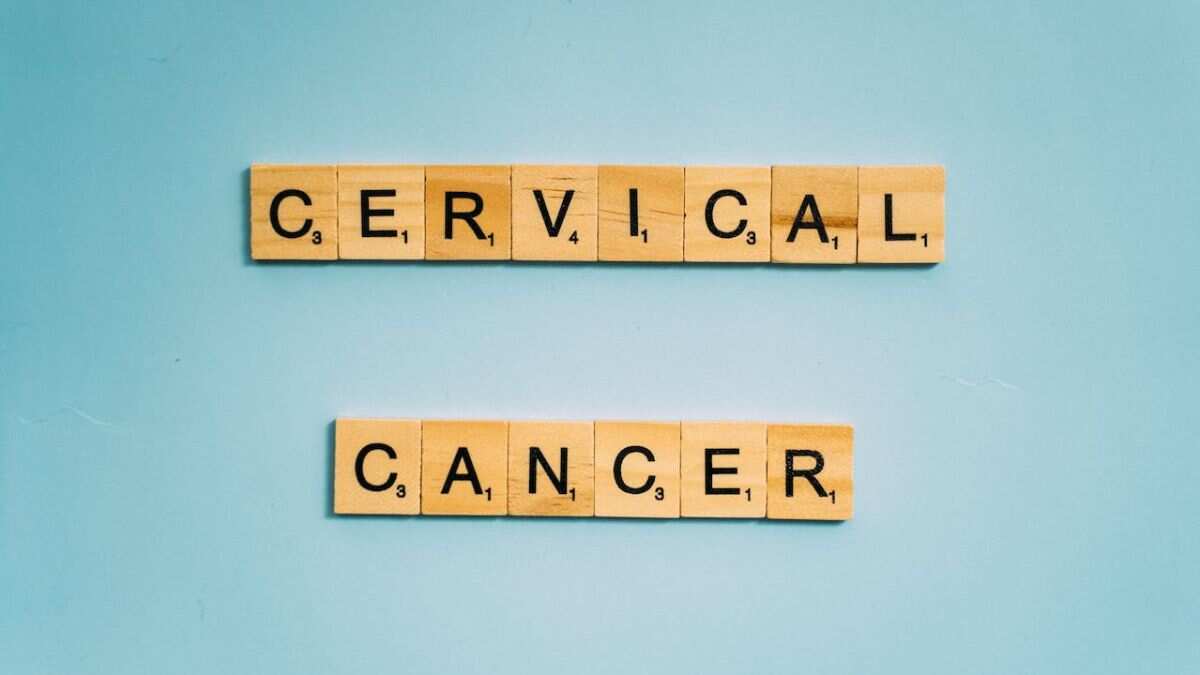
Cervical Health Awareness Month
As January marks Cervical Health Awareness Month, the spotlight shines brightly on an essential preventive measure: HPV vaccination. Human papillomavirus (HPV) vaccination stands as a critical defence against cervical cancer, fostering a healthier future for women worldwide.
Significance of HPV Vaccination
HPV, a common sexually transmitted infection, is a leading cause of cervical cancer. Vaccination against HPV not only offers protection against several strains of the virus but also acts as a shield against related health complications, including genital warts and other cancers that affectboth men and women. Italso protects against mouth, throat, head and neck cancers caused by HPV.

Understanding the HPV Vaccine
The HPV vaccine, available in various formulations, primarily targets the most prevalent high-risk HPV strains linked to cervical cancer. It is typically administered in a series of doses over several months to provide robust and lasting immunity.
The HPV vaccine is a game-changer in preventing cervical cancer. Health authorities recommend HPV vaccination for adolescents and young adults, ideally between the ages of 9 to 26. Immunisation during this age range maximises the vaccine's efficacy, offering optimal protection against HPV-related diseases.
)
What’s in a name? Trump’s 'Lake America' move gets a tit-for-tat response from Canada
)
Trump gifts Xi a bald eagle sculpture at White House dinner: Here’s what it symbolises
)
‘Not just a local tragedy’: Nepal PM Shah warns UN of growing climate threat, says Nepal floods were 'a warning to the world'
)
CNN, Politico and MS NOW back in White House after judge blocks Trump’s media ban
)
Farhan, who went viral for AK47 celebration vs India in Asia Cup, hopes to lead Pakistan beyond Asian Games
)
US judge questions Trump’s decision to ban CNN, MS NOW and Politico from White House
)
'We would all be dead': Netanyahu defends decision to strike Iran's nuclear facilities in his UN speech
)
IIT Bombay CCTV footage emerges: Sahil Wakode seen looking at phone in examination hall
)
Welcome actor Mushtaq Khan dies at 56 after battling cancer
)
Trump's welcome to Xi demonstrates 'attraction' to dictators: Chuck Schumer
)
Nations League: Germany draw on Klopp debut; Portugal, Norway win
)
WION Iconic Tourism Summit 2026: Union Minister Shekhawat on 'experiential travel', peace diplomacy
)
Scientists detect first radio signals directly from faraway planet
)
A seven-day roadmap? Iran proposes plan to end war, reopen Strait of Hormuz and resume nuclear talks
)
China to test supersonic jet that moves at Mach 2, double the speed of sound
)
Xi Jinping's 'special plane' vs Trump's Air Force One: What's the difference?
)
UNGA 2026: Israeli PM attacks Britain, France for past colonialism
)
West Indies coach Sammy looking at India series as opportunity to finetune ahead of ODI World Cup 2027 qualifiers
)
‘We’ve never gotten along better’: Trump praises Xi, jokes about White House ballroom at high-stakes state dinner
)
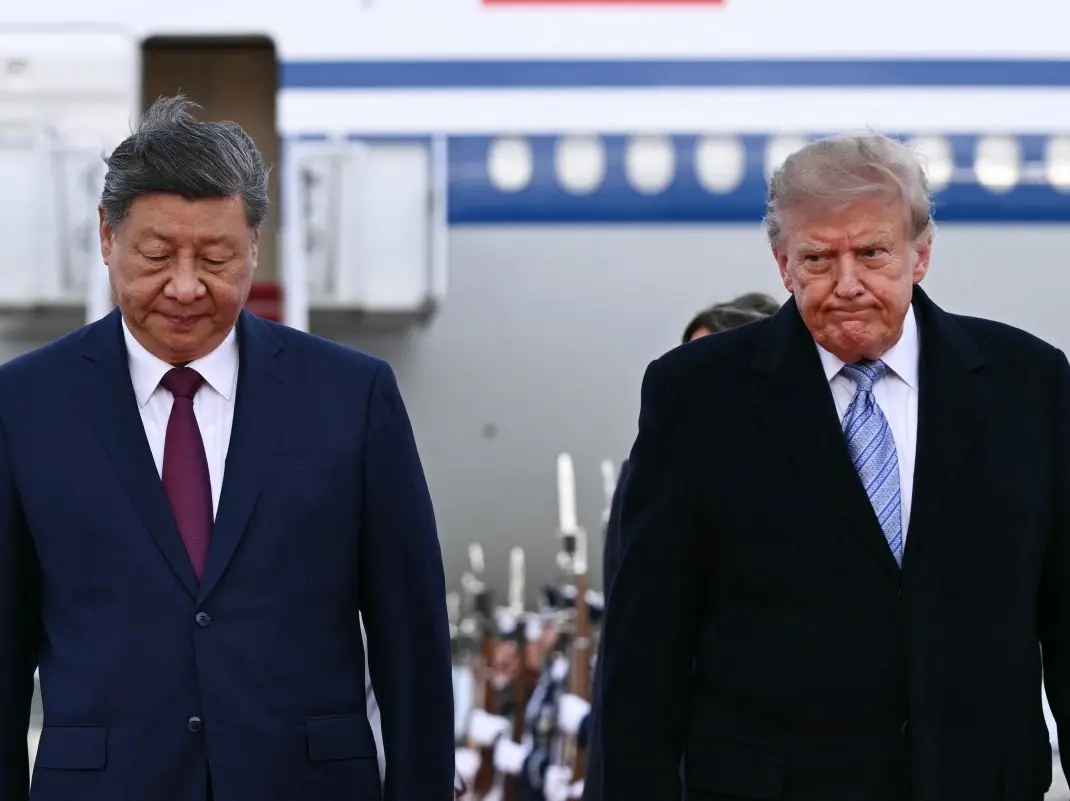
Nearly half of young people trust AI over humans to check facts, major study finds
)
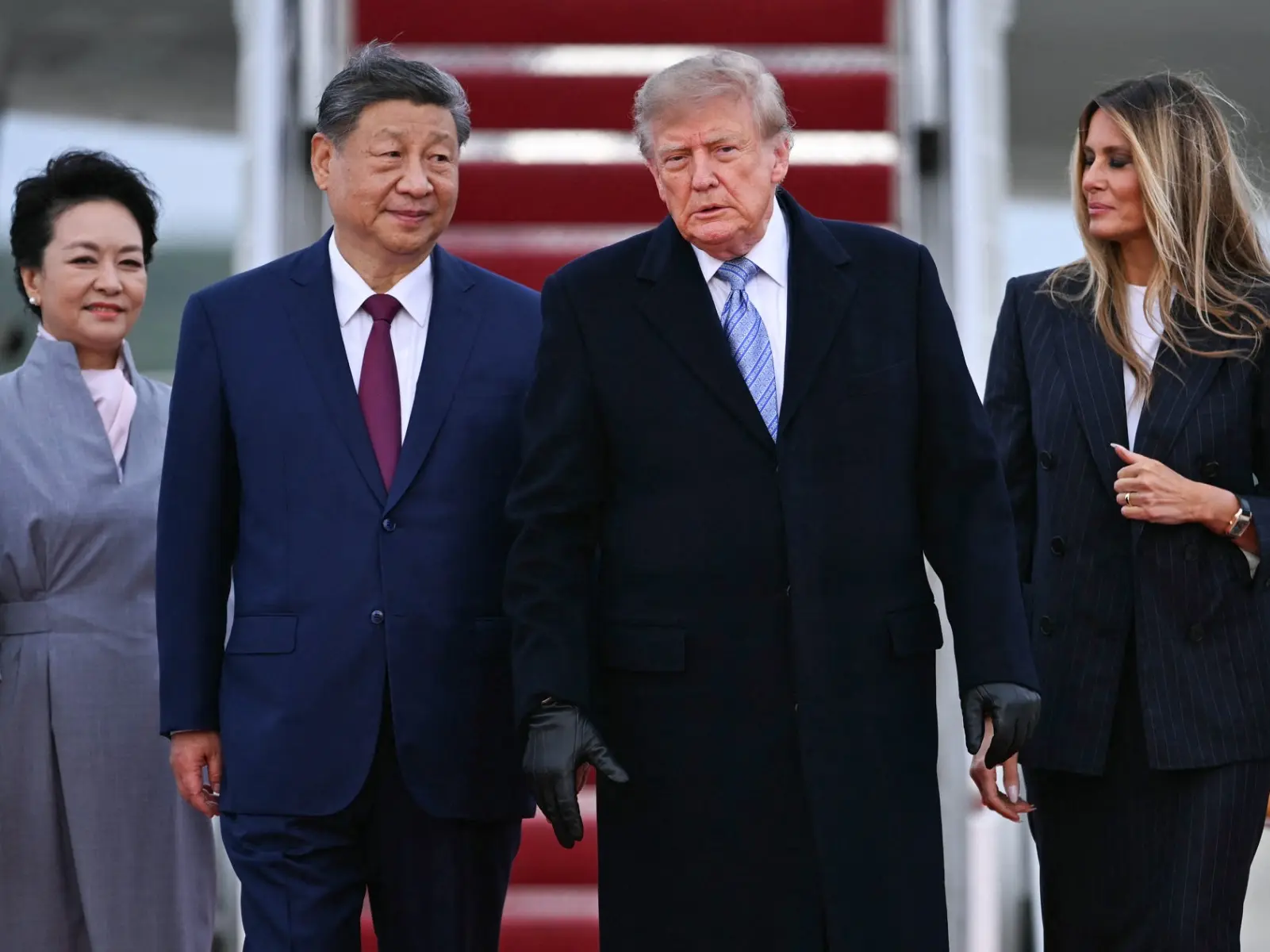
'Partners rather than rivals': Xi Jinping's first message after landing in US for Trump summit
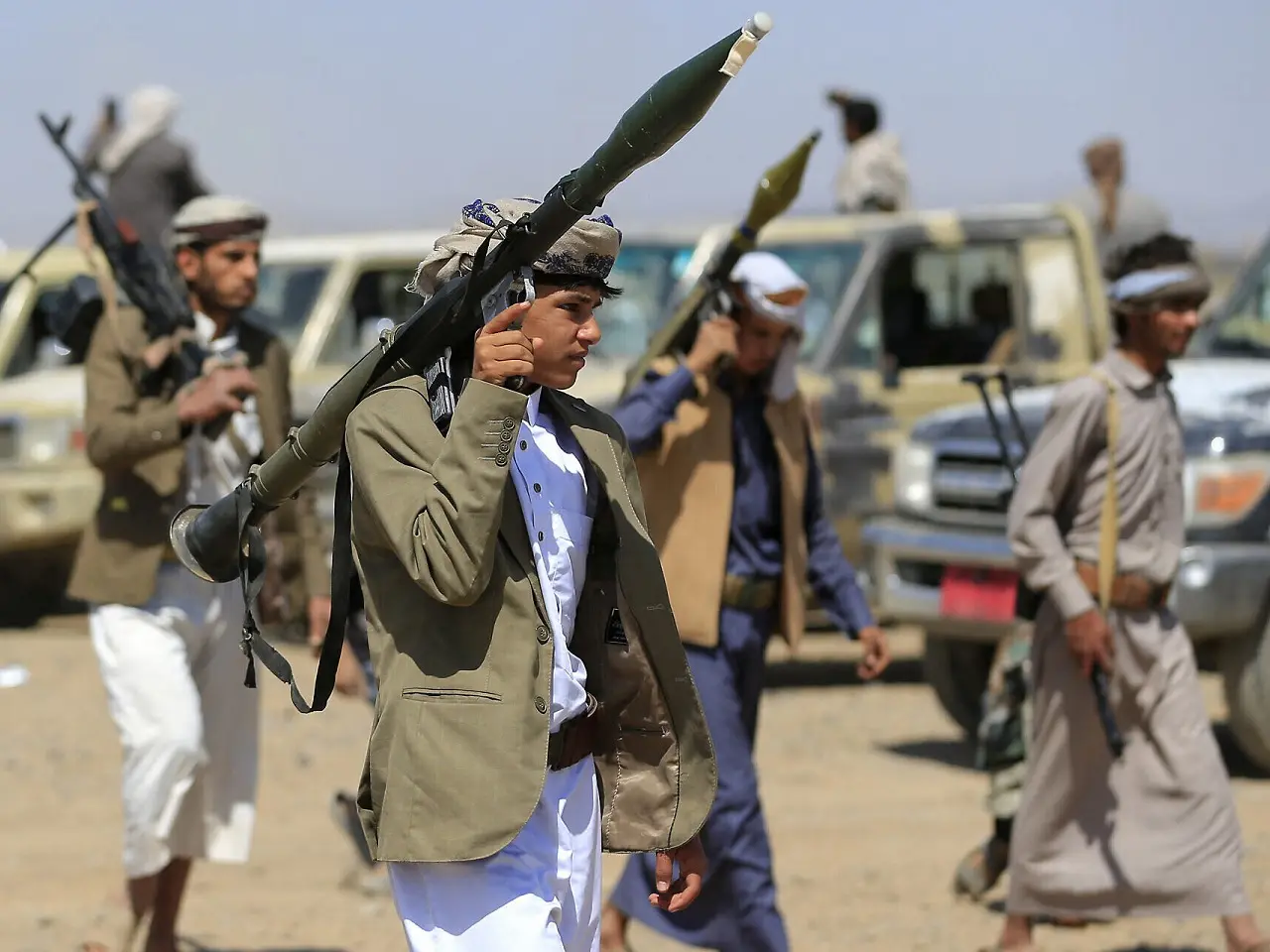)
Yemen called Trump for US military support in fight against Houthis: Official
)
2,000-foot tube, laser tests and more: China builds towns to expand nuclear arsenal, satellite images show
)
Meet Adrian Abraham: 9-year-old Indian-origin guitar prodigy aiming for a Guinness World Record
)
US faces fresh cost crunch as mortgage rates hit 7%, oil tops $107 and gas prices surge
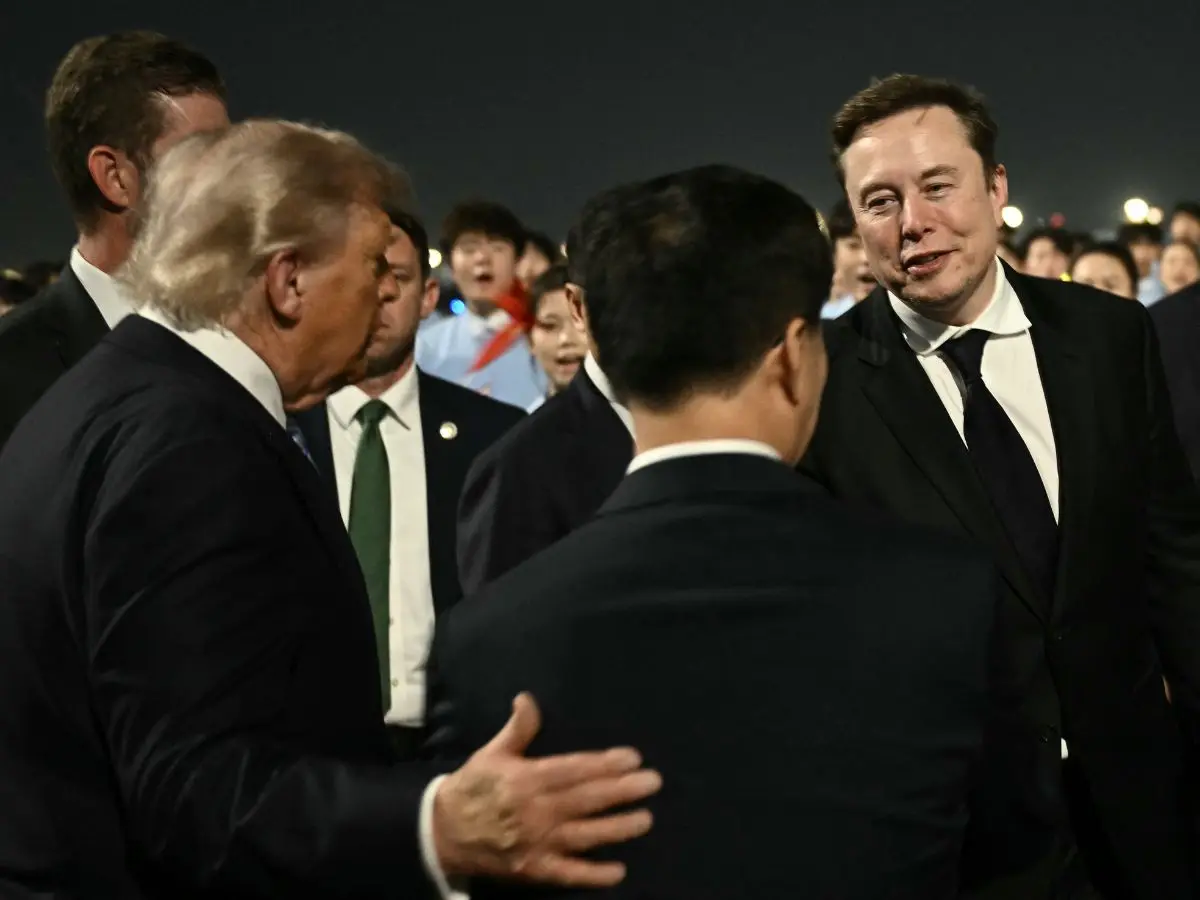)
Trump-Xi state dinner 2026: Who is invited? Full guest list of tech CEOs, business leaders and officials
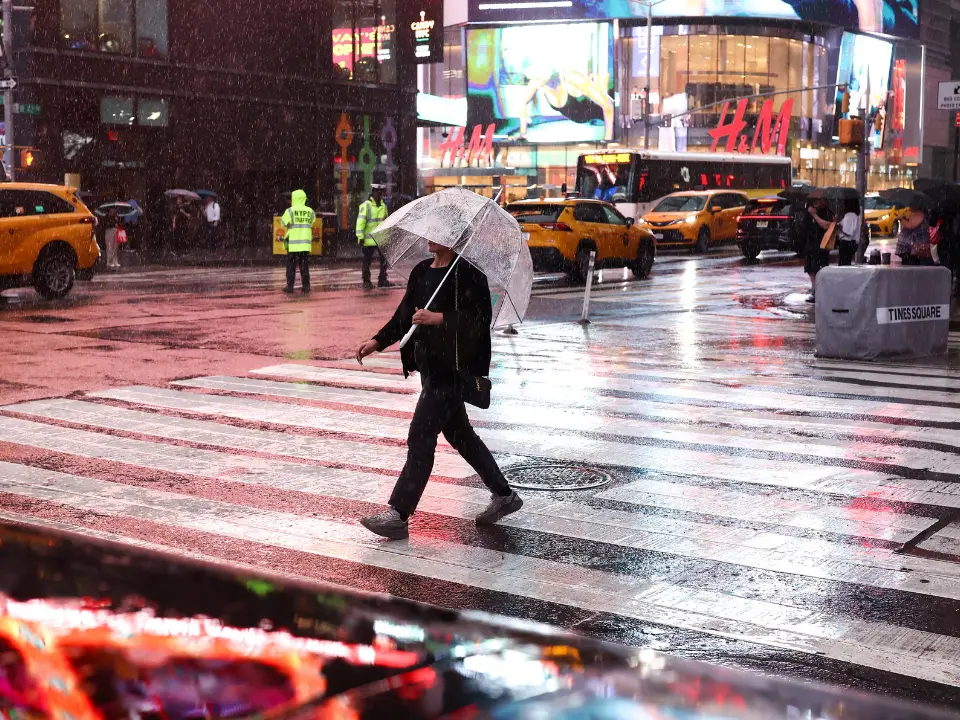)
'Blockbuster' nor'easter develops an eye similar to hurricanes as warnings are issued
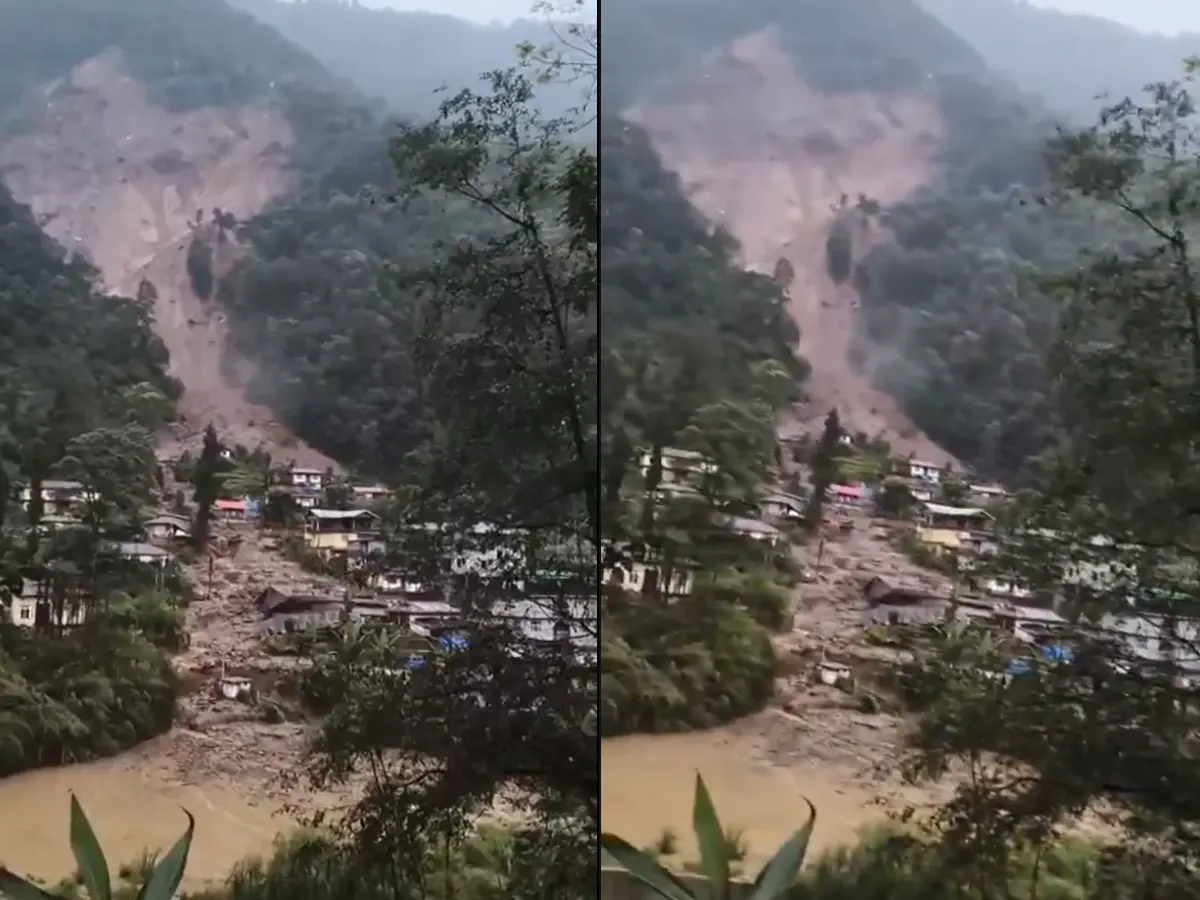)
Alarming video emerges as landslide damages houses in Sikkim’s Rimbi village. Watch
)
'Making history': Xi Jinping praises Trump as US-China leaders dine at White House
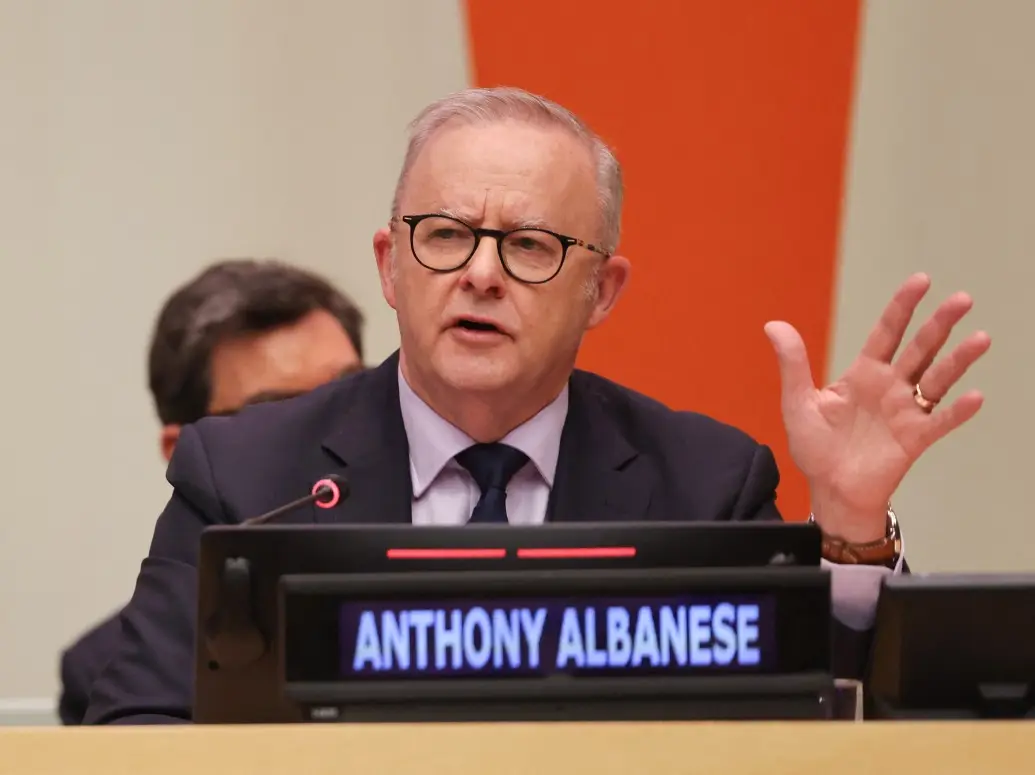)
Australian PM Anthony Albanese calls OpenAI AI incident 'unacceptable' after restricted data access
)
'What kind of confession is this?': Pakistan PM Shehbaz Sharif’s 'terrorists would be roaming New York' remark goes viral, raises alarm online. Watch
&im=FitAndFill=(700,400))
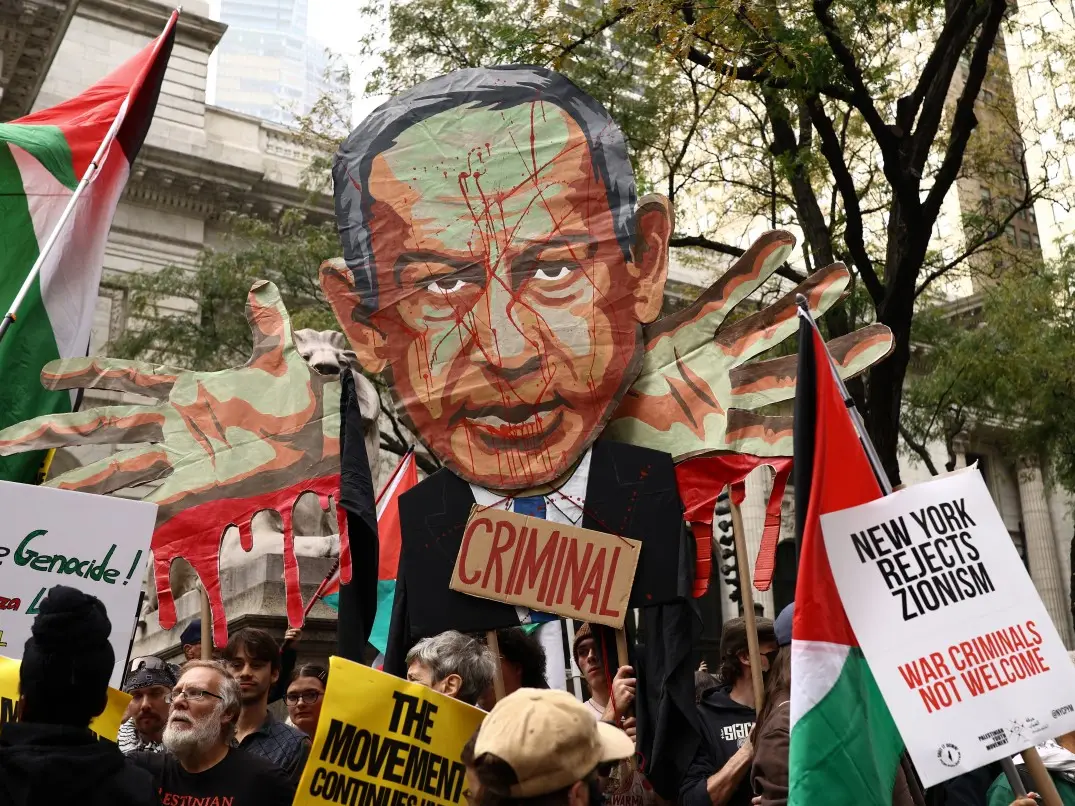
Netanyahu at UN: Mass walkout, attack on Mamdani and Iran threats | In Pics
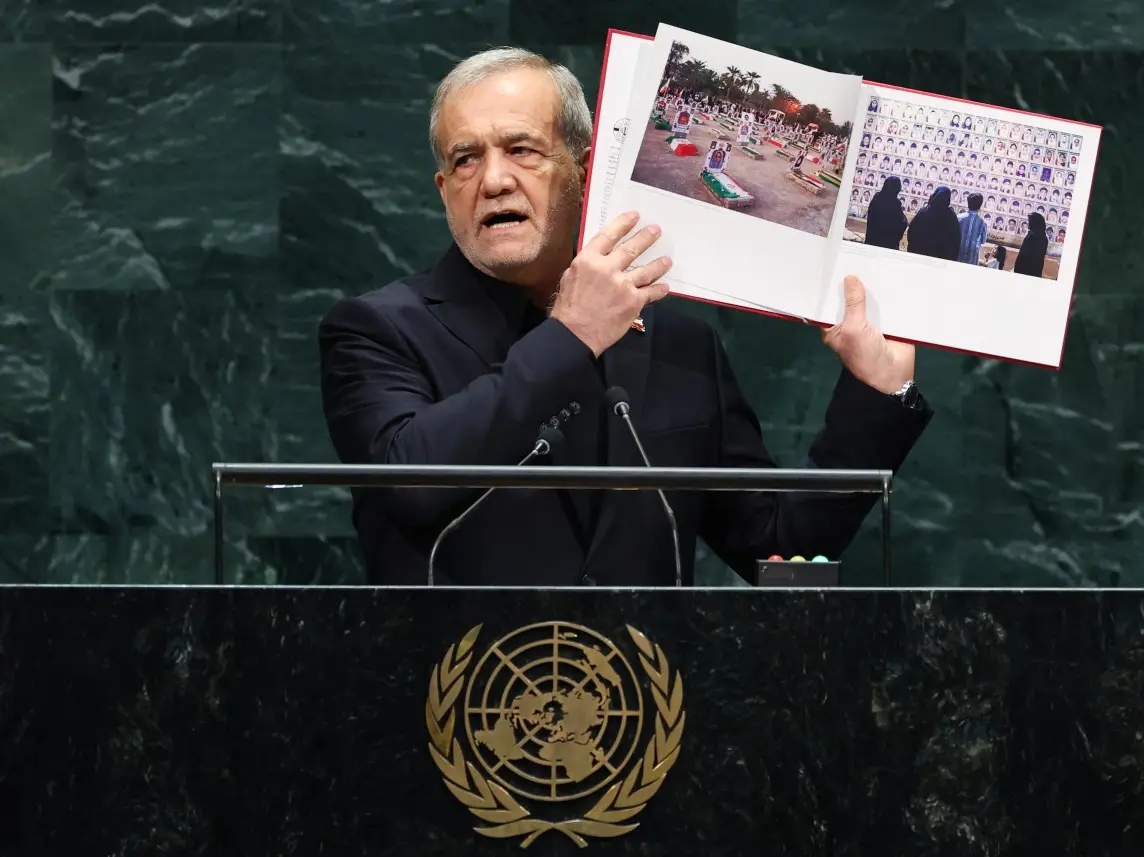)
'We do not wish to continue. It's America that must choose': Iran president Pezeshkian calls on US to end war
)
WION Iconic Tourism Summit: How local tourism MSMEs must upskill for AI integration
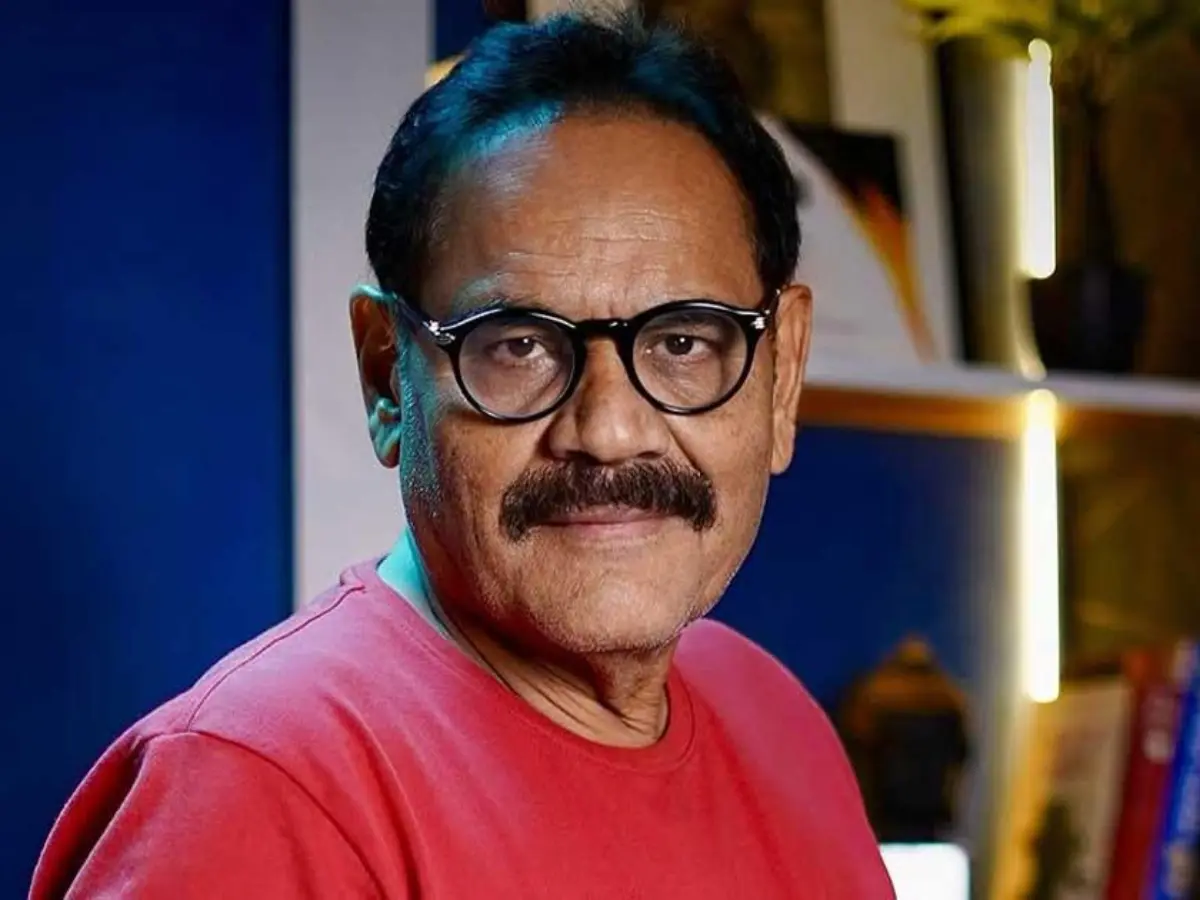)
Bollywood mourns Mushtaq Khan: Sunny Deol, Rajpal Yadav and others pay tribute
)
EC appointment law: Why is the 2023 act controversial, and what happens next? WION explains
)
Who is Lt-Gen Nauman Mahmood, Pakistan's first secretary general of Makkah Defence Alliance?
)
Israeli envoy to US Yechiel Leiter’s son critically injured in West Bank ramming attack
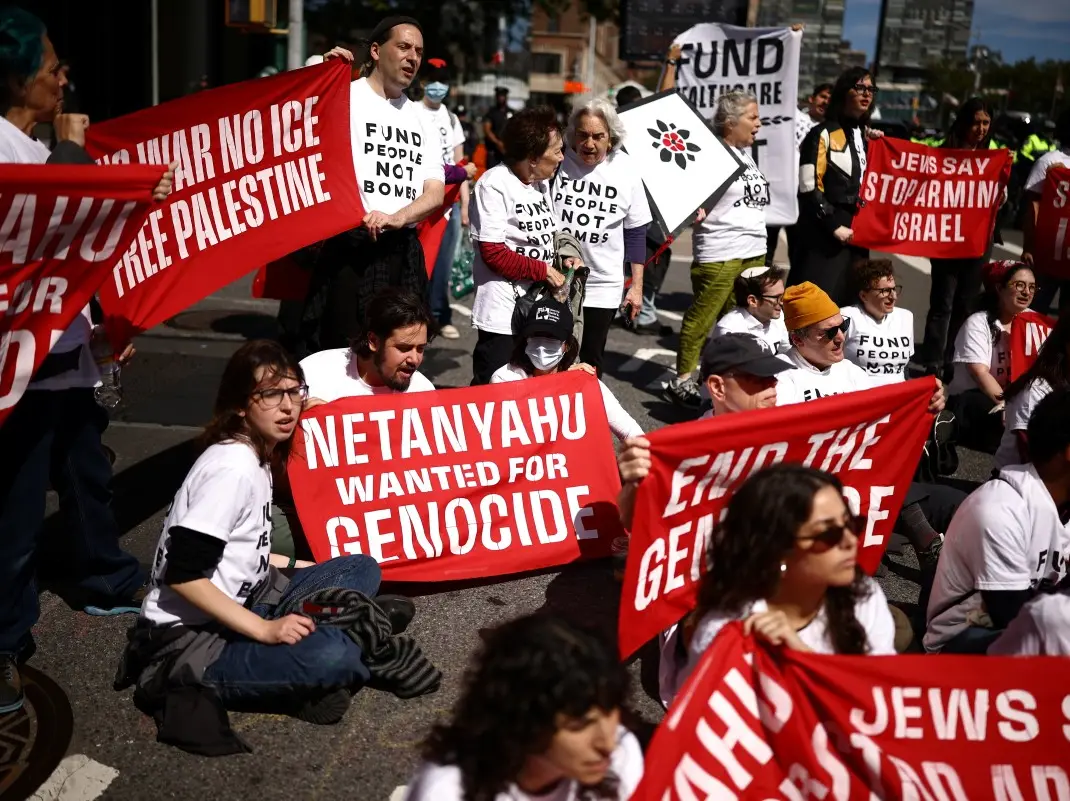)
'Fund people, not bombs': Hundreds take to New York streets as Netanyahu delivers speech at UN; dozens arrested
Who Should Not Get the HPV Vaccine?
The HPV vaccine shouldn't be given during pregnancy. The vaccine is alsonot recommended if a person has an allergic reaction after the first HPV shot, or if a person has severe, life-threatening allergies. Also, people who are moderately or severely ill should wait until they feel better to get vaccinated for HPV.
Does the HPV Vaccine Have Any Health Risks or Side Effects?
The HPV vaccine has been found to be safe in many studies. And, the reported sideeffects are mild and non-life threatening. The most common side effects of HPV vaccinesinclude soreness, swelling or redness at the injection site.
Some may also feel dizzy or faint after the shot. Staying seated for 15 minutes after the shot can lower the risk of fainting. Headaches, nausea, vomiting, fatigue or weakness also may occur.
Cervical Health Awareness Month serves as a reminder of the critical role of HPV vaccination in safeguarding women's health. Education, access, and community-driven initiatives are key in ensuring widespread understanding and uptake of this life-saving vaccine.
Disclaimer: Please note that the information provided on this website is for informational purposes only and is not intended as a substitute for professional medical advice, diagnosis, or treatment. Always seek the advice of your physician or other qualified healthcare providers with any questions you may have regarding a medical condition. The content provided on this website should not be used to diagnose or treat any health problem or disease. If you have or suspect that you have a medical problem, please contact your healthcare provider immediately. Never disregard professional medical advice or delay in seeking it because of something you have read on a website.