100 days of WGA strike: Writers and actors stand resolute, but studios remain unyielding

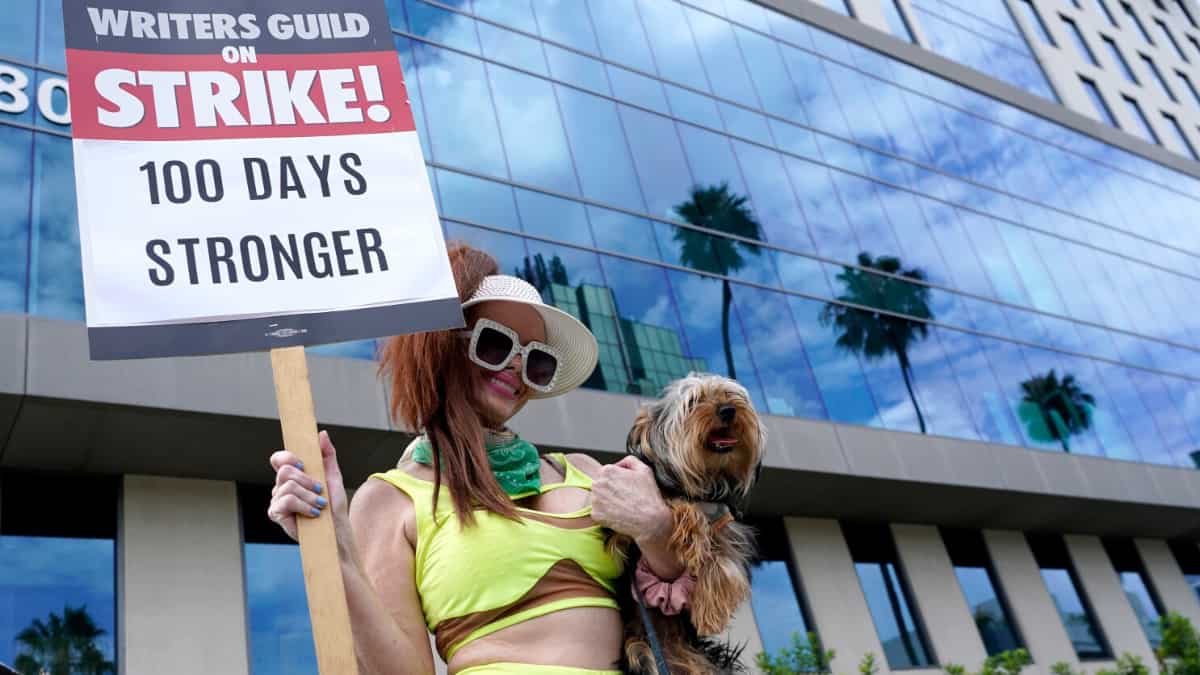
WGA members have been striking since May 2.
On Wednesday morning, writers and performers within Hollywood’s creative industry stood united, marking the solemn 100-day milestone of the Writers Guild of America (WGA) strike against studios and streaming giants. This unprecedented show of solidarity was matched by members of the Screen Actors Guild-American Federation of Television and Radio Artists (SAG-AFTRA), who are concurrently participating in their own work stoppage. Their strike began on July 14, while WGA has been striking since May 2. The issues are quite similar, and range from inadequate compensation, particularly in the age of streaming, use of artificial intelligence tools by studios to write scripts (in writers' case) and create likenesses of jobbing actors in order to use them, instead of the actual person, in movies and TV shows (in actors' case), and so on.
This historic double union strike has become a testament to the determination of writers and performers to secure fair compensation and address the core issues that have long plagued the entertainment industry. Notably, this is the first time both actors and writers are striking alongside each other since 1980.

At the forefront of the strike, caffeinated and resolute writers and performers converged on picket lines, notably outside Disney and Warner Bros studio premises. Joined by a jazz band at WB, the picketers tapped into a shared energy, bolstered by their 100-day commitment to the cause. The strike's impact reverberated throughout the industry, bringing seasoned showrunners, such as Damon Lindelof, to the frontlines in support of their fellow writers. Lindelof's said, "Ninety-nine days of steps under my belt and I don't know if there's any end in sight, but I'm feeling good, strong, convinced, and unified," encapsulated the indomitable spirit that has permeated the strike."
However, the picket lines were more than just symbolic gatherings. They have served as a platform for writers and performers to demand change. The Alliance of Motion Picture and Television Producers (AMPTP) has been offered the chance to remedy the industry's glaring issues, yet they have been criticised for their lack of engagement on vital subjects such as writers' room size and success-based residuals. Chris Kuna, a writer for Star Trek: Lower Decks, asserted, "They are waiting for us to show a break or some infighting, but if anything, it feels like there's more and more resolve."
&imwidth=180&imheight=135&format=webp&quality=medium)
Over 100 US lawmakers urge FBI to probe foiled Hindu temple shooting as hate crime
&im=FitAndFill=(700,400)&imwidth=180&imheight=135&format=webp&quality=medium)
New OTT releases this week (October 19-25, 2026): Gajab Raat to Chaar Yaar-8 titles to watch during Dussehra week on Netflix, Prime Video and more
&imwidth=180&imheight=135&format=webp&quality=medium)
'Tap dancing through a minefield': Musk backs SpaceX-Tesla merger as AI boom fuels rocket firm's first profit
&imwidth=180&imheight=135&format=webp&quality=medium)
'They are not even telling us' - Mysterious metallic object discovered in Minnesota field
&imwidth=180&imheight=135&format=webp&quality=medium)
French military plane crashes in northeast France, one dead
&imwidth=180&imheight=135&format=webp&quality=medium)
Feds obtain DNA evidence that could prove Ilhan Omar married her brother: Report
&imwidth=180&imheight=135&format=webp&quality=medium)
The Verdict | Trump, Putin and Xi: A superpower triangle that could reshape global diplomacy
&imwidth=180&imheight=135&format=webp&quality=medium)
'UN experts is an oxymoron': Rubio mocks UN over India protests criticism, refuses to comment on India's internal matter
&imwidth=180&imheight=135&format=webp&quality=medium)
India moves to buy 10,000 more AI chips for a national compute pool open to startups
&im=FitAndFill=(700,400)&imwidth=180&imheight=135&format=webp&quality=medium)
Priyanka Chopra to Shilpa Shetty: 6 Bollywood actresses and their fitness secrets
&imwidth=180&imheight=135&format=webp&quality=medium)
‘Even legends can fall ill’: Badshah, Anupam Kher and other stars defend Daler Mehndi after Uttarakhand stage controversy
&imwidth=180&imheight=135&format=webp&quality=medium)
Boeing 737 MAX10 gets FAA certification, deliveries expected to begin in 2027
&imwidth=180&imheight=135&format=webp&quality=medium)
Ukrainian drone airlifts wounded soldier in what is likely a world first
&imwidth=180&imheight=135&format=webp&quality=medium)
Ukrainian soldier rescued by a drone chopped off own leg while hiding for 491 days
&imwidth=180&imheight=135&format=webp&quality=medium)
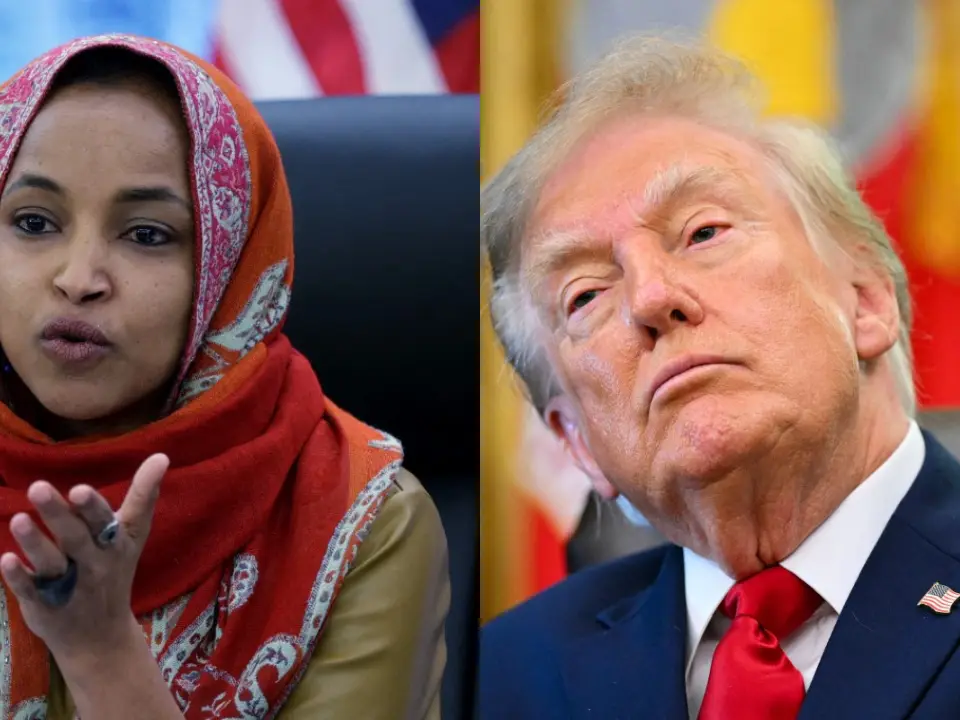
Trump says Ilhan Omar 'could go to jail' amid federal probe, calls Somalia a 's***house'
&imwidth=180&imheight=135&format=webp&quality=medium)
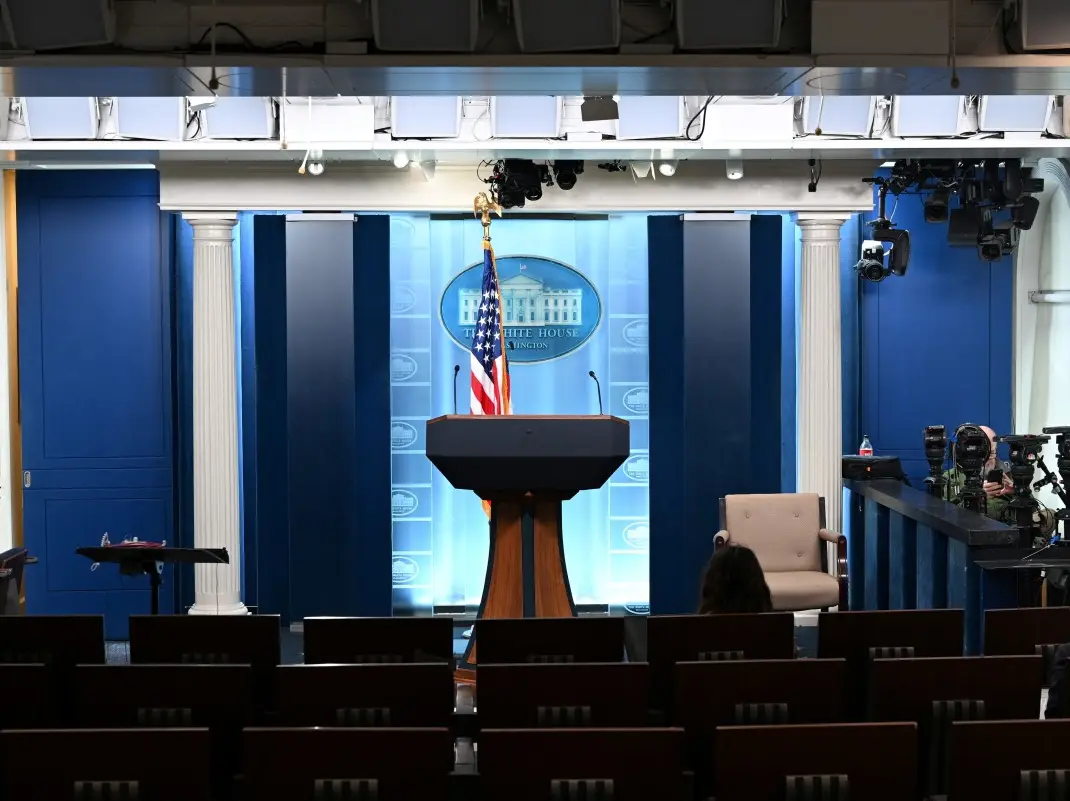
Trump considers removing White House press corps to restore historic indoor swimming pool
&imwidth=180&imheight=135&format=webp&quality=medium)
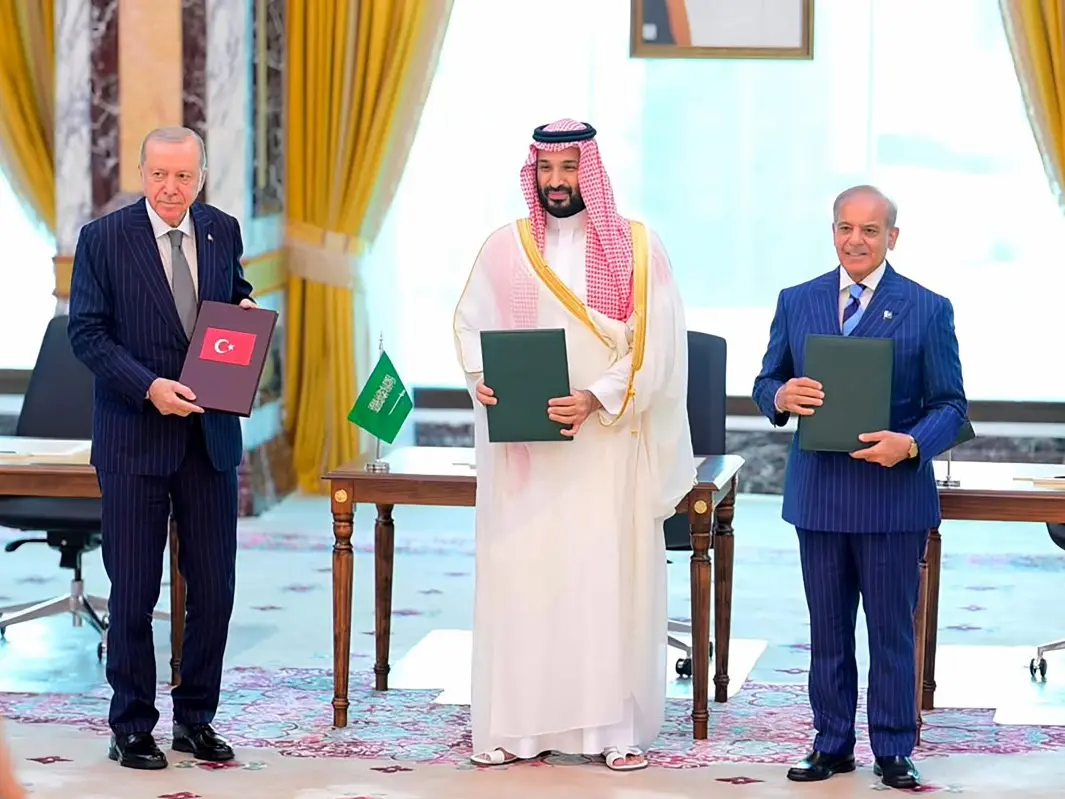
What the Mecca Joint Defence Agreement says about withdrawal and military support. Read full text of the pact here
&imwidth=180&imheight=135&format=webp&quality=medium)
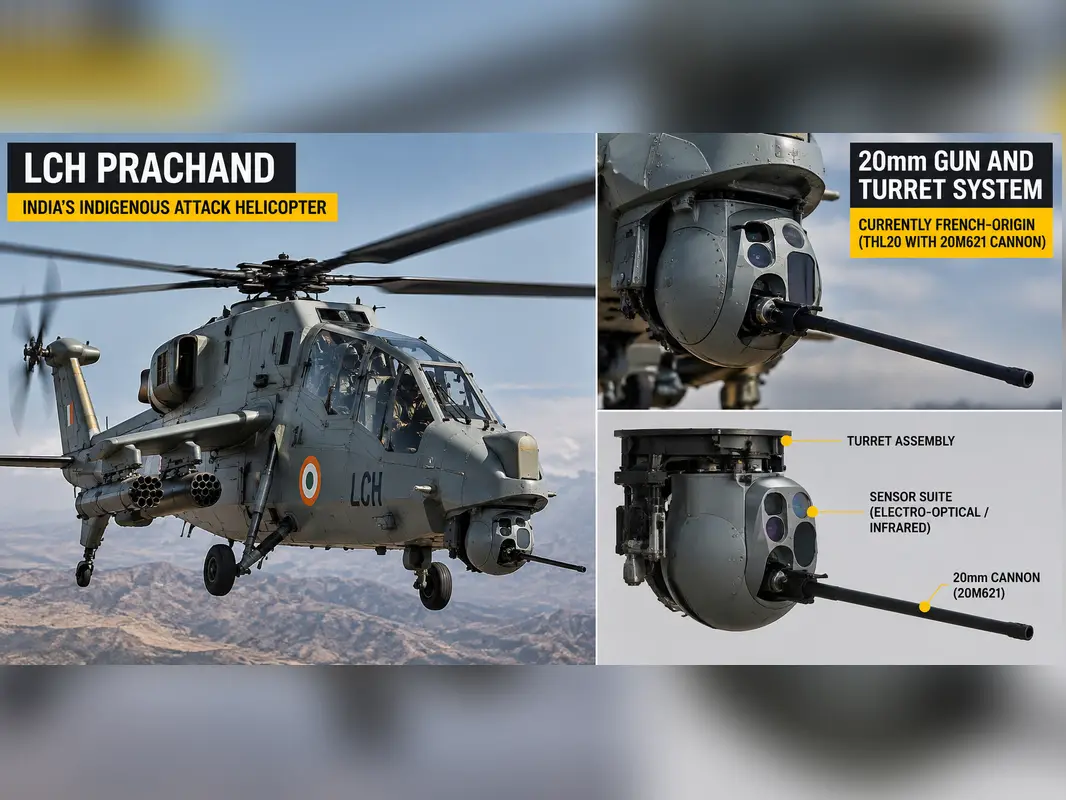
India to develop first indigenous aviation gun for Prachand, Rudra attack helicopters, SSS Defence CEO confirms
&imwidth=180&imheight=135&format=webp&quality=medium)
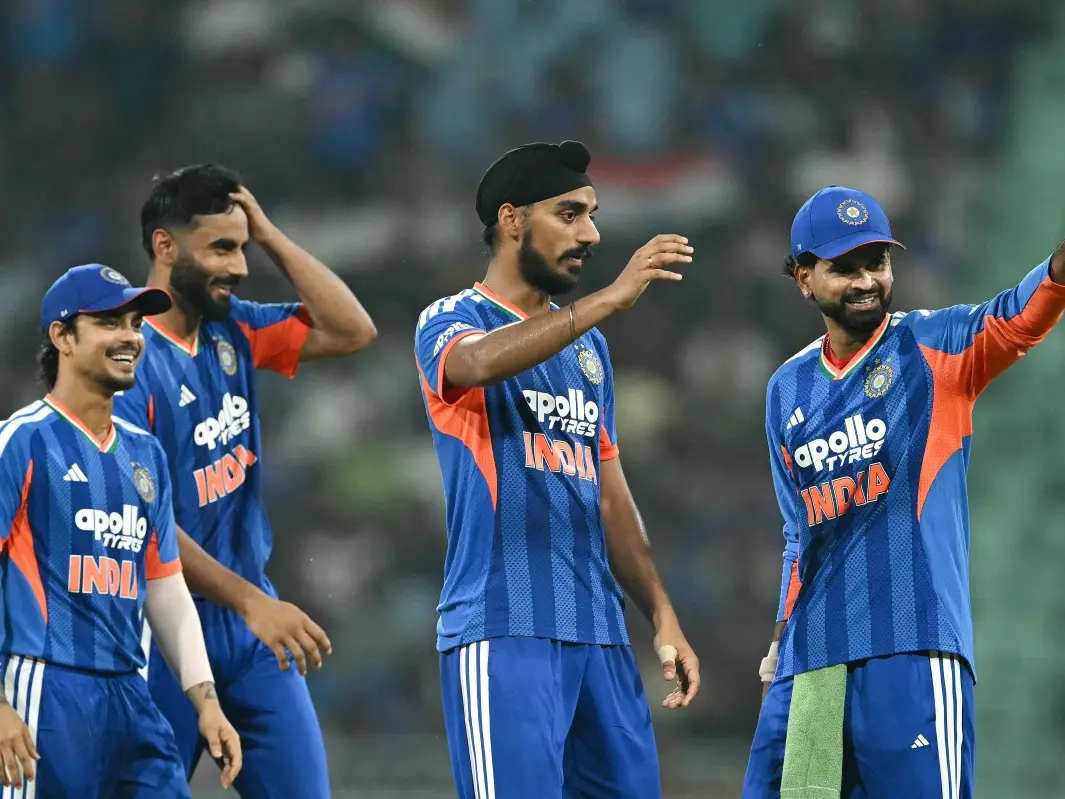
India vs New Zealand T20I Series 2026: Complete schedule, match timings, squads and live streaming details
&imwidth=180&imheight=135&format=webp&quality=medium)
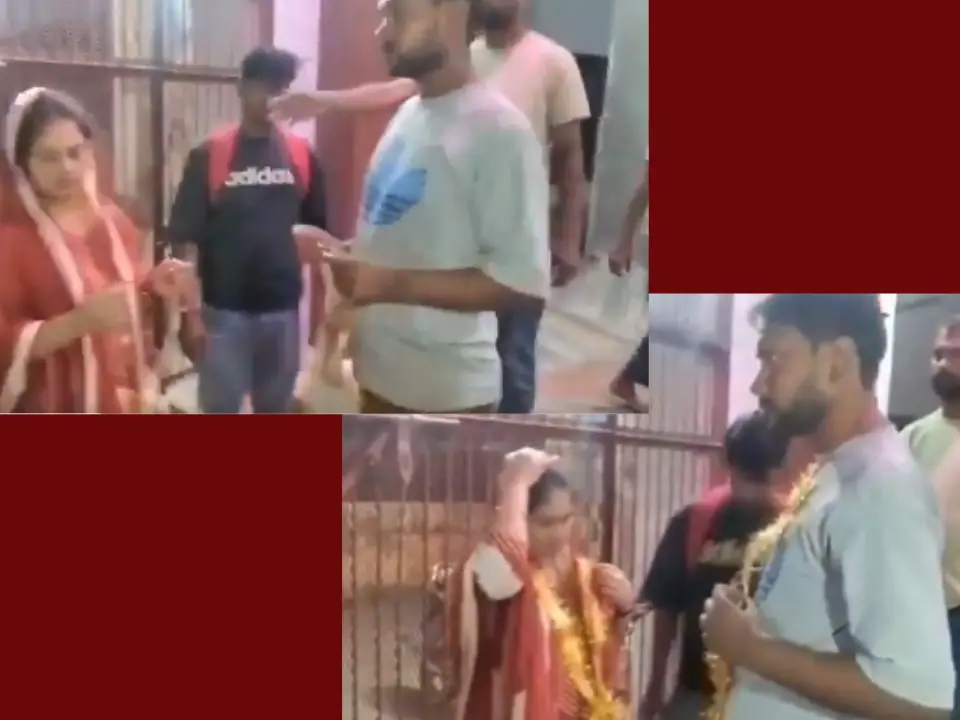
Man marries off wife of 17 years to her lover in Uttar Pradesh
&imwidth=180&imheight=135&format=webp&quality=medium)
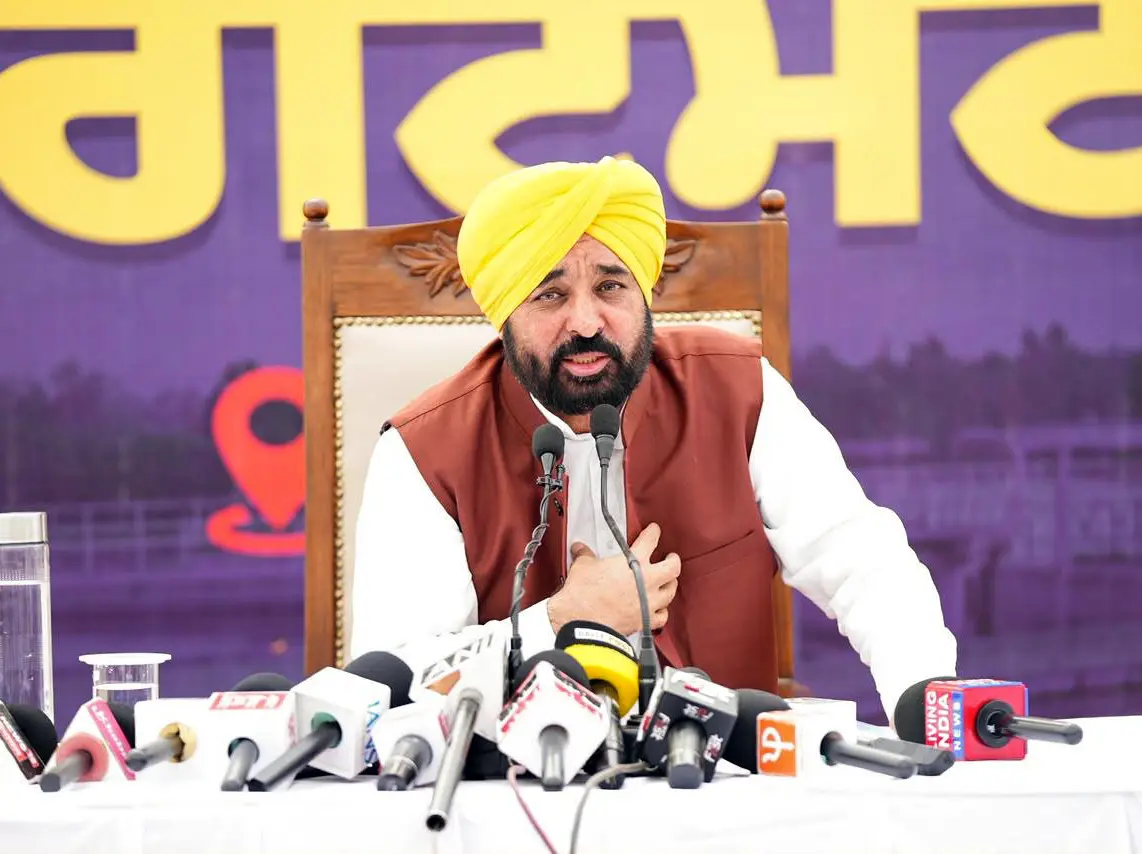
Punjab CM Bhagwant Mann allegedly detained for three hours at Delhi airport, fined ₹50,000: AAP
&imwidth=180&imheight=135&format=webp&quality=medium)
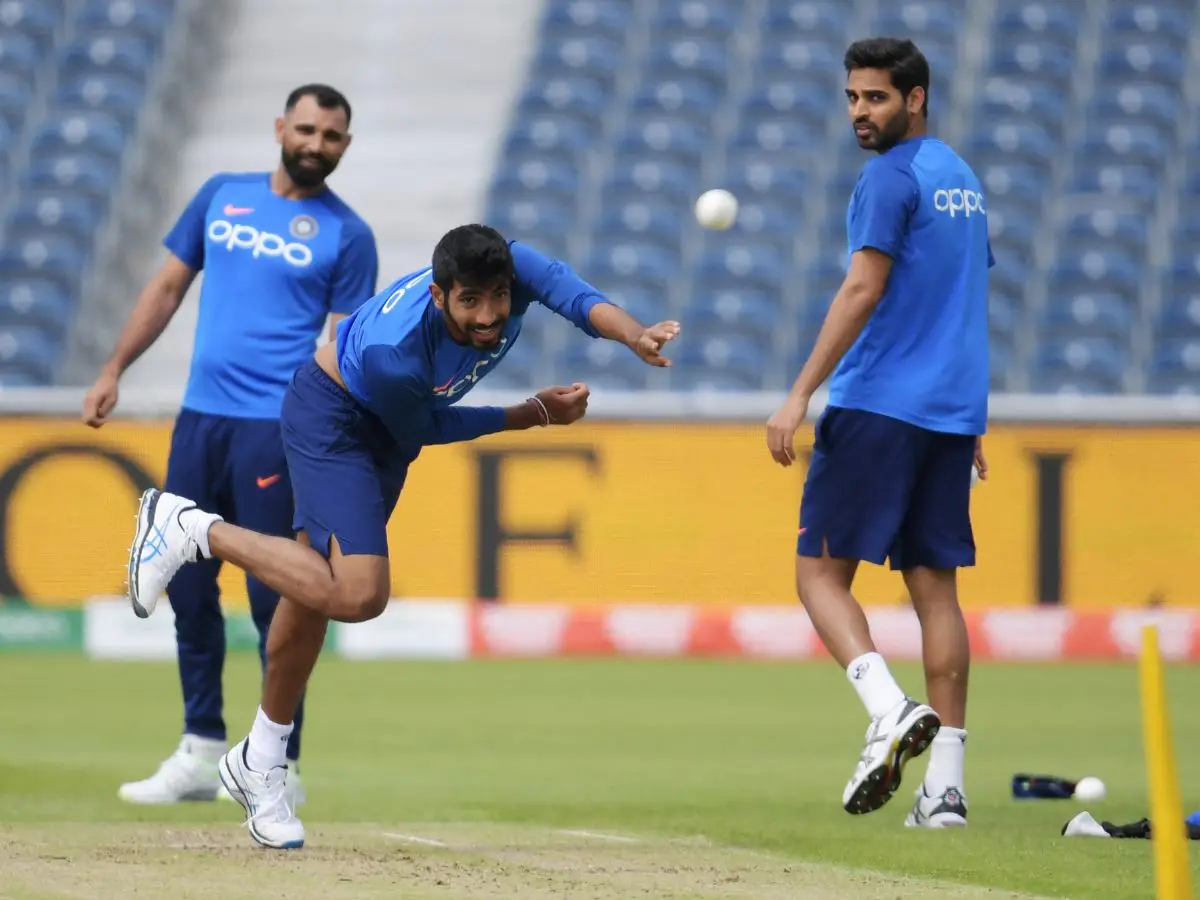
Shastri backs Shami comeback; lauds Bhuvi and warns Bumrah on format workload ahead of World Cup
&imwidth=180&imheight=135&format=webp&quality=medium)
US-Iran war | Tehran: Must end port blockade, oil sanctions and regional attacks
&imwidth=180&imheight=135&format=webp&quality=medium)
Musk ordered Starlink restrictions that caught Ukraine off guard amid escalating tensions: Report
&imwidth=180&imheight=135&format=webp&quality=medium)
Dandiya Nite ’26: Indian High Commissioner hails diaspora as bridge between India and Nigeria
&imwidth=180&imheight=135&format=webp&quality=medium)
India-US ties: Marco Rubio seeks India's oil & energy co-operation Ad Ad options Learn more
&imwidth=180&imheight=135&format=webp&quality=medium)
Iran rejects US talks until demands are met, rules out moving enriched uranium out of the country
&imwidth=180&imheight=135&format=webp&quality=medium)
'You are not Gen Z': Delhi HC pulls up CJP's Das, Ranka over bail bond breach after Jantar Mantar trespass
&imwidth=180&imheight=135&format=webp&quality=medium)
Trump waves at 'empty space' in viral video,' critics claim 'mental decline getting worse' | WATCH
&imwidth=180&imheight=135&format=webp&quality=medium)
Zohran Mamdani's Garba dance goes viral as he joins Indian community's Navratri celebrations | WATCH
&imwidth=180&imheight=135&format=webp&quality=medium)
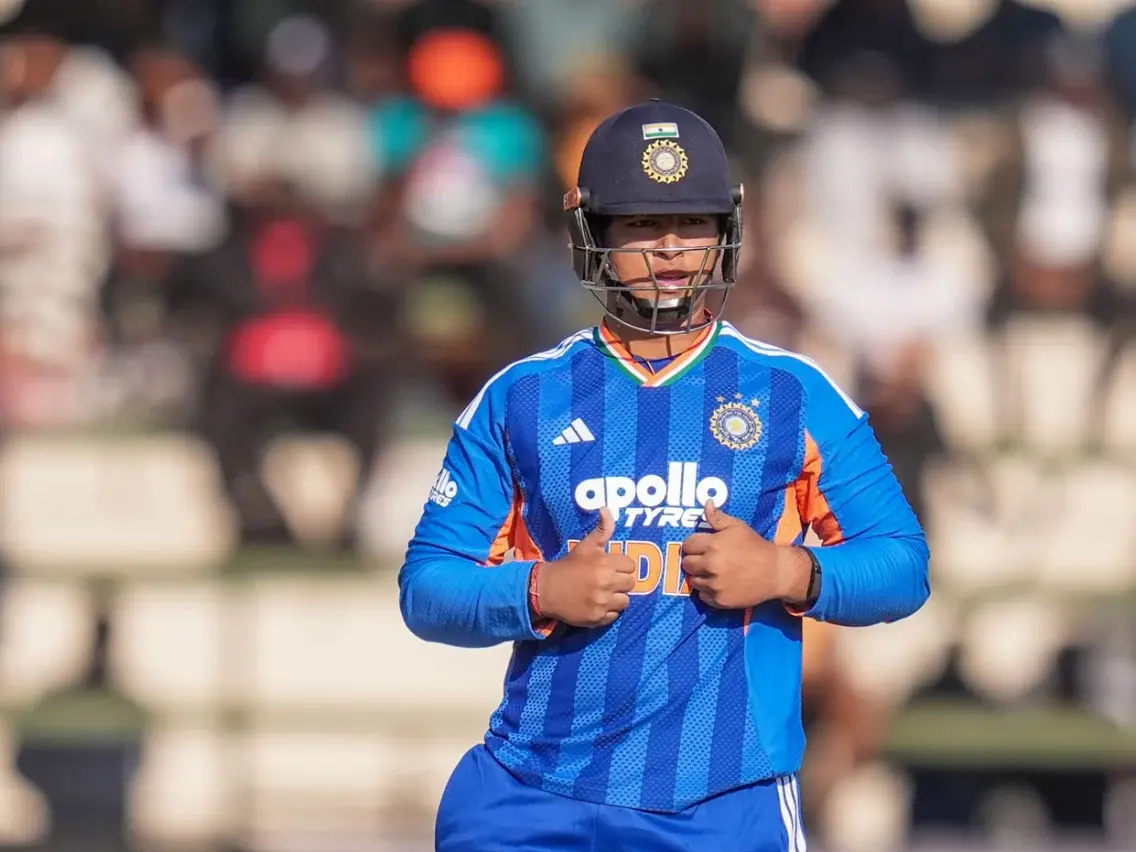
IND vs NZ T20Is: Will Sooryavanshi play? Skipper Shreyas Iyer clears the air on Samson vs Vaibhav debate
&imwidth=180&imheight=135&format=webp&quality=medium)
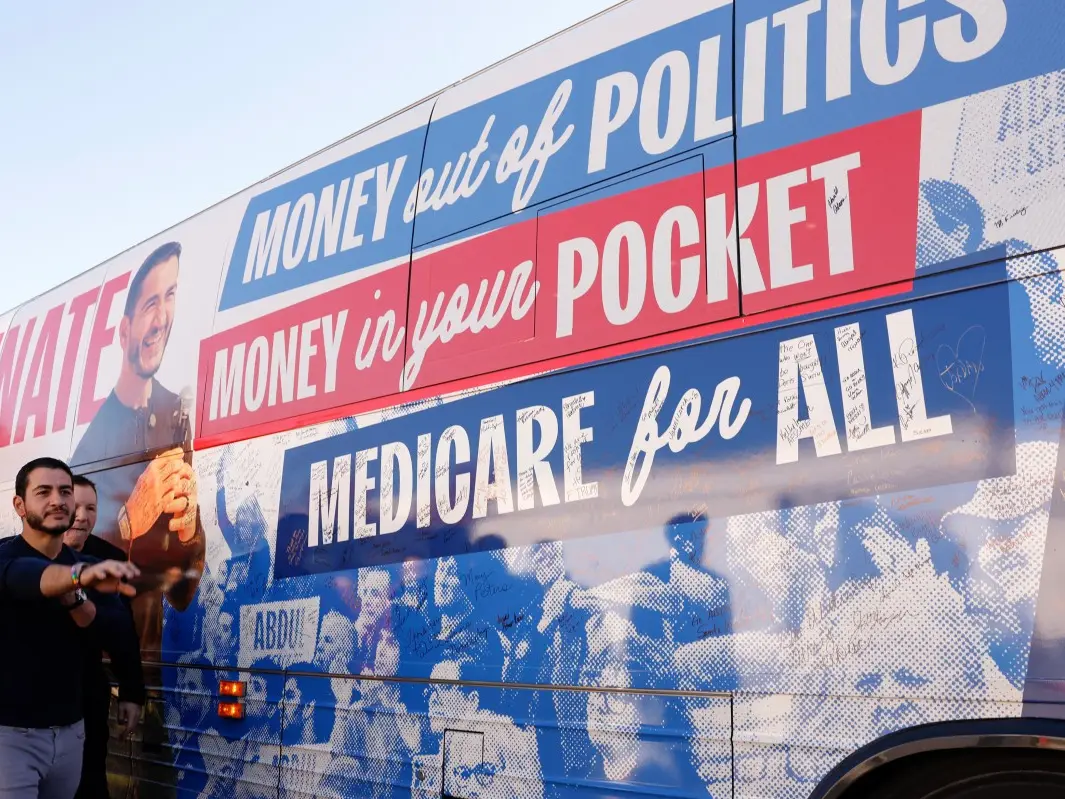
US midterms 2026: With Republicans spending big, Bloomberg opens his wallet for Democrats. Here's how much he is pouring
&imwidth=180&imheight=135&format=webp&quality=medium)
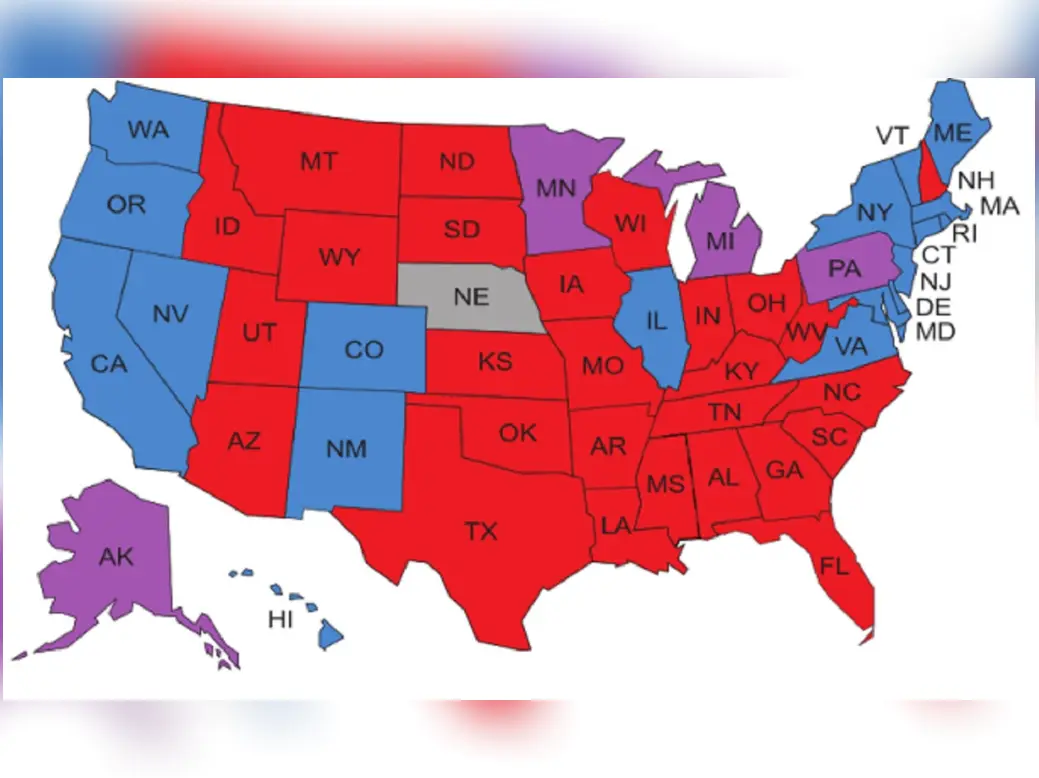
US midterms 2026: Red seats once deemed safe now appear shaky as Republicans spend big on ads
&imwidth=180&imheight=135&format=webp&quality=medium)
SBI confirms data breach: 3,897 records flagged on dark web. Is your money safe?
&imwidth=180&imheight=135&format=webp&quality=medium)
Pujara says 'Samson and Vaibhav cannot be in Playing XI' for India on NZ tour
&imwidth=180&imheight=135&format=webp&quality=medium)
Delhi HC agrees to hear Neha Bora's plea against 'maintain peace' directive on 'urgent basis'
&imwidth=180&imheight=135&format=webp&quality=medium)
Ramayana advance booking: Ranbir Kapoor, Yash's film cross $500K ahead of Diwali release
&imwidth=180&imheight=135&format=webp&quality=medium)
Cattle-feed bran in biscuits, detergent in milk: FSSAI acts against 3 companies
&imwidth=180&imheight=135&format=webp&quality=medium)
'What's wrong with you? Are you a sick person?': Trump at it again as he snaps at reporters, faces backlash

Meanwhile Damon Lindelof added, “Justin and I wrote a Star Wars movie together and picketing Disney is a lot more fun than writing a Star Wars movie", referring to Justin Britt-Gibson. Both were fired from the saidStar Wars movie by Disney.
Also Read:Explained | Why Netflix might survive Hollywood strikes of actors, writers
The unity exhibited in this double strike has transcended mere industry boundaries, extending to broader societal issues. Ethan Peck, star of Star Trek: Strange New Worlds, articulated the collective frustration felt by writers and performers. He voiced his anger over the major exploitation present in the industry and beyond. The solidarity within the entertainment industry has allowed these creative professionals to come together as a united force in the face of income disparity and exploitation.
In the past, such lengthy strikes have been a rarity in the entertainment world, with the WGA's previous work stoppage in 2007-08 lasting for 100 days. This time around, the focus extends beyond traditional matters to the intricacies of the digital age, such as success-based residuals from streaming platforms. The historic nature of this double strike is underscored by the determination to tackle these contemporary challenges head-on.
Impact of the strikes on Hollywood and beyond
The strikes have already caused significant disruption, halting film and television production, leading to release delays and economic uncertainty. Hollywood is of course completely shut down. There are exceptions like indie projects that are not backed by big studios that make up the AMPTP, the antagonist of this story. The involvement of high-profile writers, performers, and showrunners has raised public awareness, sparking discussions beyond the entertainment sector about income inequality, labour rights, and power dynamics. The use of artificial intelligence tools in content creation, as exposed by the strikes, has ignited debates about ethics, creativity, and human involvement in storytelling.
If strikes continue, there will be more adverse consequences for the already-suffering American entertainment industry. Some pessimists even assert that this might as well be the end of Hollywood as we know it.
WATCH WION LIVE HERE
You can now write for wionews.com and be a part of the community. Share your stories and opinions with us here.