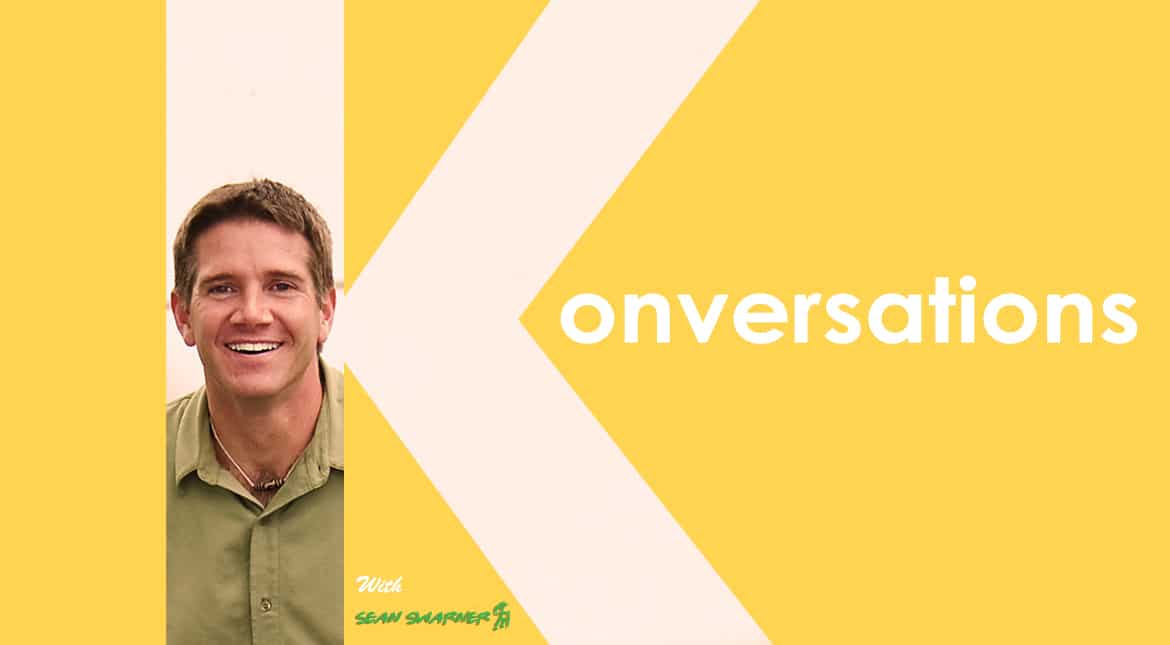
Konversations: The cancer survivor who climbed Everest

Embrace the positive, enjoy everything you can when life is good, and know the bad times are going to pass.
'I knew I was sick and that if I lost the hope to live, I wouldn?t survive'
As a 13-year-old, he was diagnosed withHodgkin’s disease - a severe blood cancer. Being in the fourth and final stage, doctors declared that he will not live for more than ninety days. However, he fought and survived. At 16, anothergolf ball-sized cancerous tumor was discovered in his lung. After removal of the Askin’s tumor, Sean Swarner was expected to live for only fourteen days. But he survived again to astonish the medical world.
A decade later and with only one fully functioning lung, Sean becamethe first cancer survivor to climb Mount Everest, proving to others that nothing is impossible when yourdetermination is rock solid. The journey didn't end there; he completed the Ironman Championship and made it to the top of the Seven Summits, the highest peaks of the seven continents. He is also an author of two inspirational novels and the founder of CancerClimber Association, a non-profit organization for cancer survivors.
Kazimi: What was your state of mind when you were firstdetected with cancer?

Sean:Since I was only a 13-year-old, I didn’t fully understand how devastating it would be to my life. Being so young, I don’t think I had a full grasp on the concept of life versus death, but I knew I was sick and that if I lost the will and hope to live, I wouldn’t survive.
-20170119102720.png) Sean Swarner at age 13, when he was diagnosed with cancer (WION)
Sean Swarner at age 13, when he was diagnosed with cancer (WION)
Kazimi: How did you deal with it the second time?
)
Trump-Xi Summit: Trade, Taiwan and the red lines shaping US-China talks | Race To Power
)
US judge questions Trump’s decision to ban CNN, MS NOW and Politico from White House
)
Afghan woman cyclist who disguised herself as a boy to escape Taliban, wins Asian Games medal
)
Trump signs Greenland security deal with Denmark, paving way for two new US military bases
)
IND vs JPN T20I: How an overturned wide became point of difference between India's win and a tie
)
IIT Bombay CCTV footage emerges: Sahil Wakode seen looking at phone in examination hall
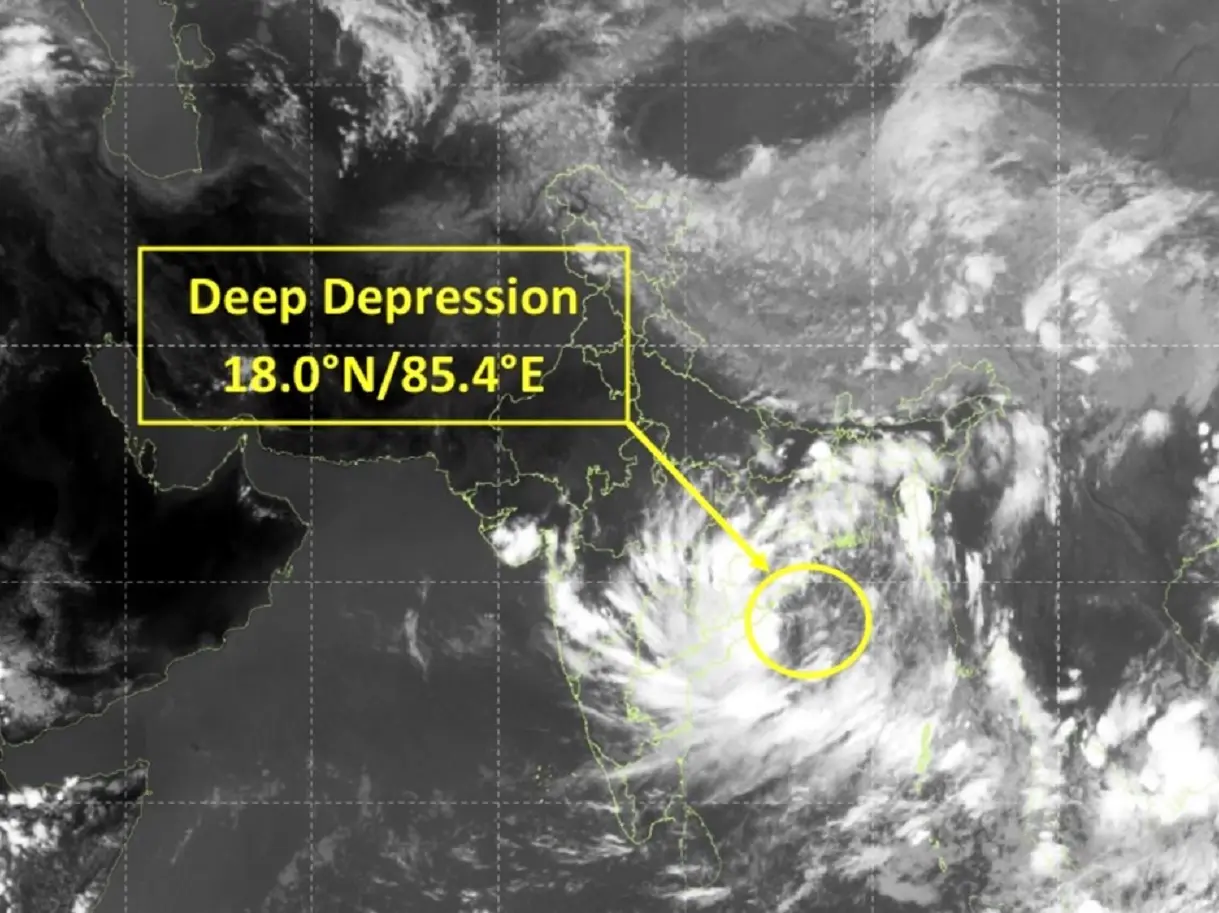)
Cyclone Arnab: Landfall expected before midnight tomorrow as IMD issues orange alerts across six states
)
NBA player Steven Adams shares hilarious GTA VI theory
)
TMC revives impeachment push against CEC Gyanesh Kumar after report of internal dissent
)
WION Iconic Tourism Summit 2026: Union Minister Shekhawat on 'experiential travel', peace diplomacy
)
ICC plans T20I expansion and fewer ODIs in 2027–2031 FTP cycle: Report
)
'AI got into my speech': Prince Harry jokes after teleprompter failure at event in New York
)
WION Iconic Tourism Summit: Seychelles envoy says India partnership is important for Seychelles
)
Scientists detect first radio signals directly from faraway planet
)
China to test supersonic jet that moves at Mach 2, double the speed of sound
)
WION Iconic Tourism Summit: 'Hanuman Ansh' Director on blockbuster success
)
Open AI, Anthropic CEO urges caution over rapid AI development at UN Security Council, call for 'extreme care'
)
Bomb scare in New York amid UNGA: Suspicious suitcase found near UN headquarters
)
Hours before Xi-Trump meeting, US announces visa curbs targeting birth tourism: What is it?
)
WION Iconic Tourism Summit: Is India's travel boom outrunning its airports, airlines and hotels?
)
WION Iconic Tourism Summit and Awards 2026: Key voices to discuss India’s tourism future
)
Trump-Xi state dinner 2026: Who is invited? Full guest list of tech CEOs, business leaders and officials
)
American manufacturing is reshoring faster than its factory floors can absorb
&im=FitAndFill=(700,400))
New OTT releases this week (September 21-27, 2026): Shaque: Trust No One, Hunkkaar, Don’t Be Shy- 5 new titles coming to Netflix, Prime Video and more
)
WATCH | China President Xi Jinping lands in US as Trump greets him ahead of high-stakes summit
)
Australian PM Anthony Albanese calls OpenAI AI incident 'unacceptable' after restricted data access
)
'What kind of confession is this?': Pakistan PM Shehbaz Sharif’s 'terrorists would be roaming New York' remark goes viral, raises alarm online. Watch
)
WION Iconic Tourism Summit: How local tourism MSMEs must upskill for AI integration
)
Elephants hide behind trees, stage surprise attack on poachers targeting rhinos in South Africa
)
'Putin is patient zero': Zelensky slams Russian president at UNGA, accuses him of using fighters from 47 countries
&im=FitAndFill=(700,400))
National Film Awards 2026: Kartik Aaryan, Mammootty, Yami Gautam, Randeep Hooda and other key winners
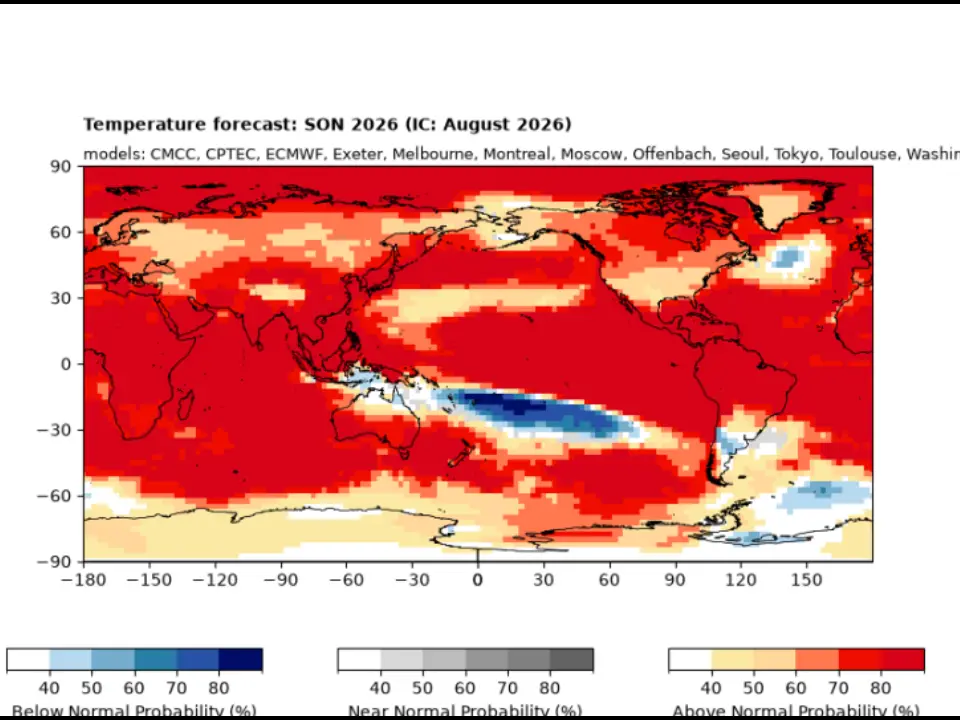)
El Niño 2026 heats up to become strongest in 1,000 years
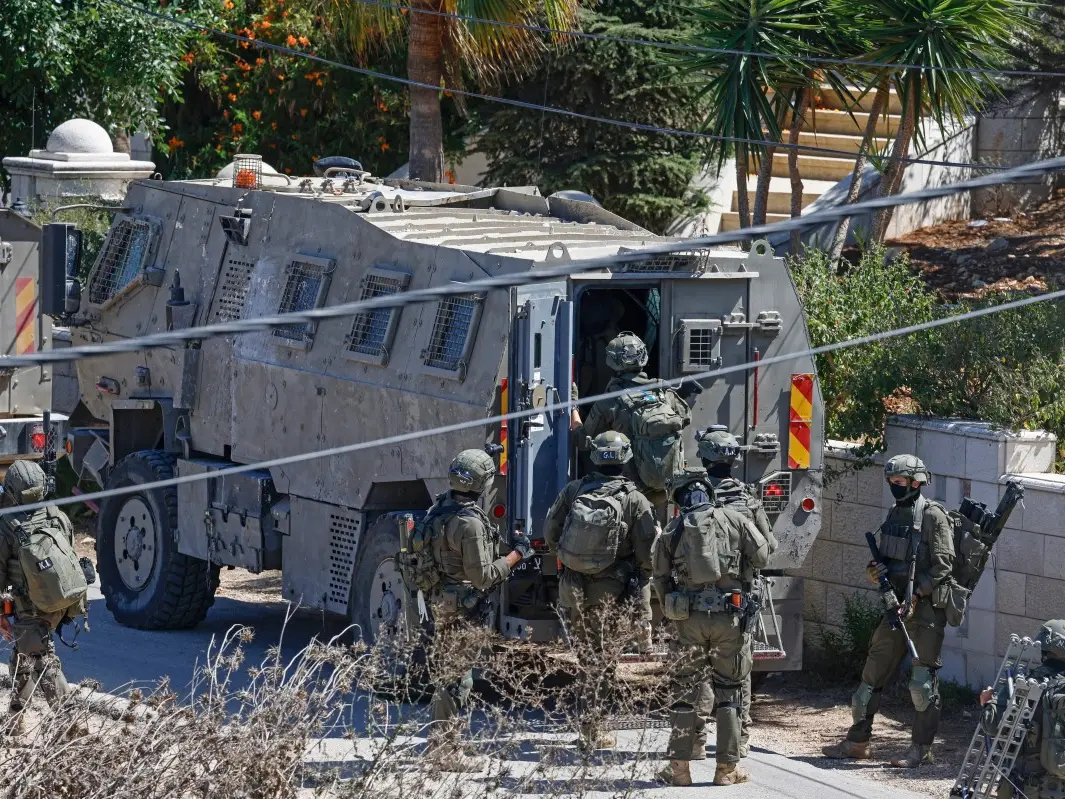)
Israeli envoy to US Yechiel Leiter’s son critically injured in West Bank ramming attack
&im=FitAndFill=(700,400))
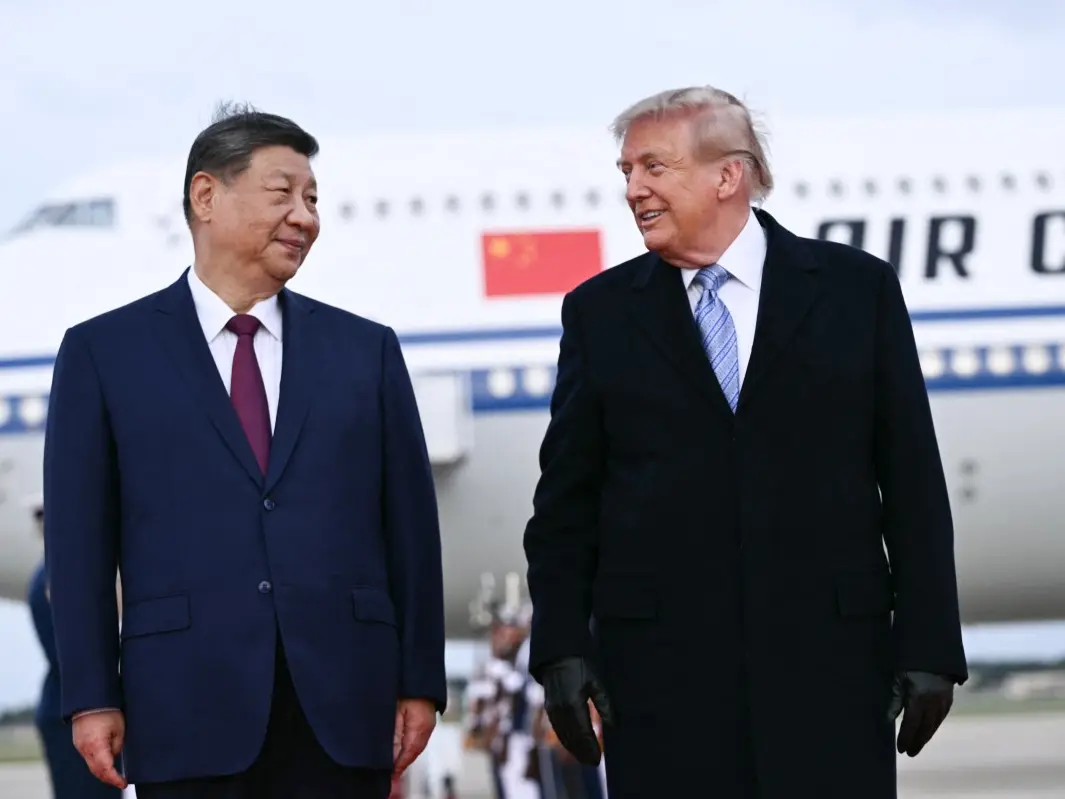
Trump welcomes Xi Jinping in rare airport gesture: Photos from Chinese President's arrival in US
)
Anne Hathaway to run in supporting race for Nolan's epic
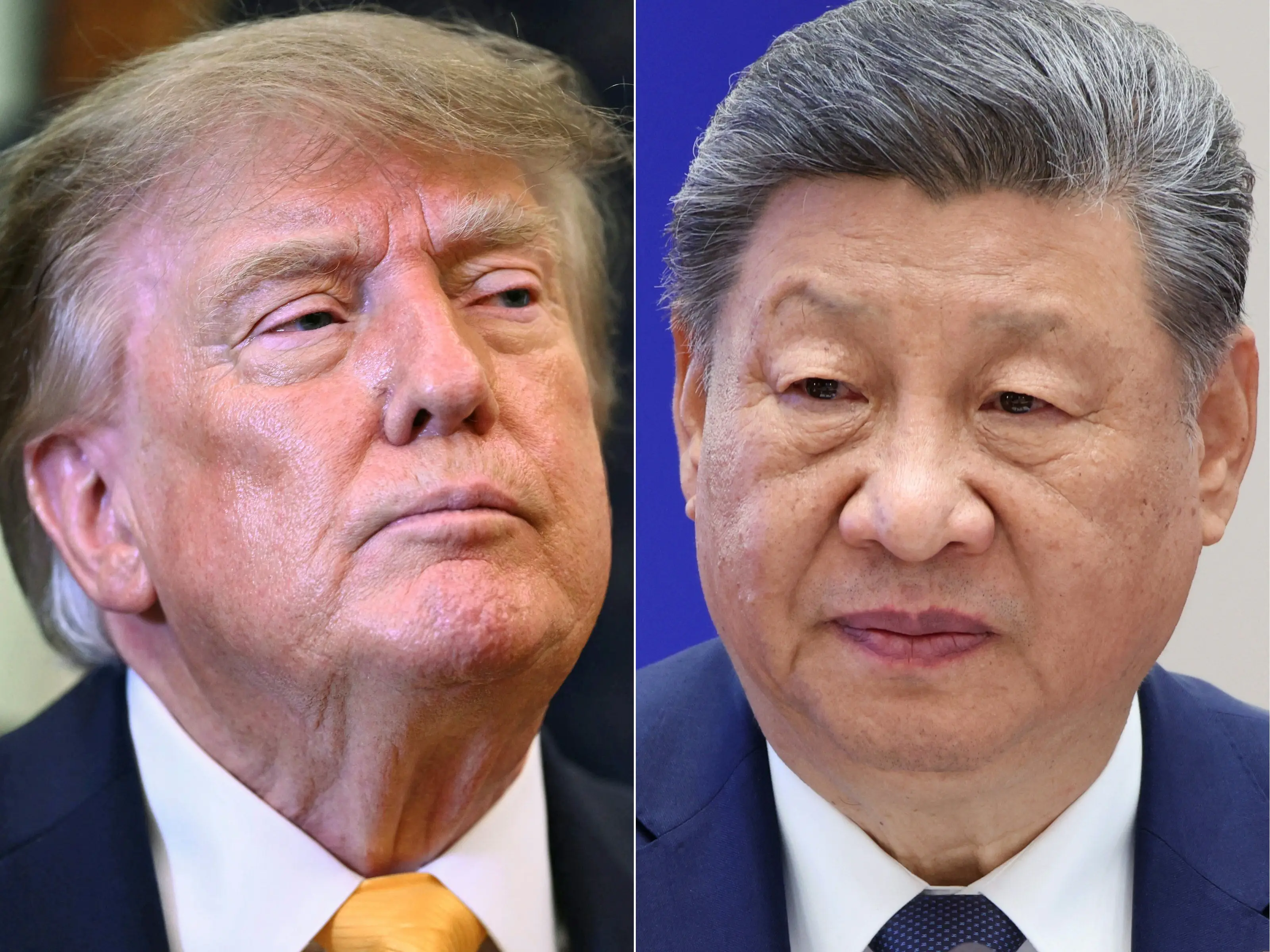)
Xi-Trump meeting: China’s human rights red line and past protests explained
Sean:I knew what I was getting into much better than before because I had been through a year of hell with the chemotherapy, treatments, bloating, loss of hairand everything else that I’d never wish for my worst enemy. I was more scared the second time because I understood what was about to happen – my life was going to be put on hold until I was better again.
I went through the first one, and I sure didn’t want to go through another! I mentally told myself either to fight for my life or give up and die.
Kazimi: What were some thoughts occupying your mind?
Sean:It was difficult in the beginning, I kept asking myself “why me?” Eventually, I realized that it WAS ME and I cannot change the fact that I had cancer,but I could change my thoughts about cancer. In the process of self-healing, I used to picturemyself killingcancer in my veins.
Sean:The power of thehuman mind is often underestimated.It can heal on many levels, including emotional, physical and psychological.You always have the freedom tochoose how you want to perceive the world. No one can make you feel in a certain manner or force their thoughts upon you unless you want to. You always have a choice. It boils down to perspective – instead of seeing a challenge as a challenge, see it from a different angle and look at it as anopportunity.
Kazimi: How would you define hope?
Sean:I believe it’s more than words could ever describe. It’s the feeling we get when we expecta certain outcomeand sense an unsaid but unwavering assurance for it to happen. To quote Emily Dickinson, “Hope is the thing with feathers that perches in the souland sings the tune without words, and never stops at all.”
 "Being so young, I don’t think I had a full grasp on the concept of life versus death, but I knew I was sick, and that if I lost the will to live and if I lost hope, I wouldn’t survive" (Source: Facebook, Sean Swarner) (Facebook)
Kazimi: Who has sharedhope with you?
Sean:My friends and family are my greatest strength. I also make an effort to grasp something from everyone I meet.We have two ears and one mouth for a reasonand if we listen we can learn something new each day.
Kazimi: You are the first cancer survivor to conquer Mt. Everest- What inspired you?
Sean:After surviving cancer twice, I wanted to spread hope among those struggling with the disease. I literally wanted the highest platform in the world to scream hope. I developedinterest in mountain climbing only eight months before I went for the Everest.People touched by the disease are fighting for their lives; I can struggle through being coldand a little altitude sickness.
Kazimi: When did you decide to do the Seven Summits?
Sean:I could see the impact my first expedition had made, and I didn't want to stop there.After coming home from Everest, I figured that the rest of those mountains on every other continent couldn’t be harder than Everest, so I went for it.
 Sean during his expedition to Antarctica (WION)
Kazimi: What was the scariest moment?
Sean:I've had a number of them and going through cancer definitely is one. Another would be whenI was climbing Mt. Denaliandfell from a height of 100 feet. I was ropedto my climbing partner when I slid 50 feet below him, then another 50 feet below, rocketing down a glacier on the highest mountain in North America.
Kazimi: What impact have you been able tomake with your organization?
Sean:We raise funds for cancer survivors who are interested in adventure sports and take them toMount Kilimanjaro, Africa. These survivors reach out to their own communities and share their survivorship story to inspire others to climb their own proverbial mountains to make more out of their lives.
Kazimi: What is the overall message?
Sean:Even though I speak about different causes in different places, the underlying message is all about “Redefining Your Impossible” and living a life that matters.
Kazimi: Please share a memorywhen your storyimpacted others
Sean:At a conference after my presentation,I was addressing the audience. I could tell that the next woman in the queuehad been crying because her mascara was running down her face and her nose was red. She came up to me, hugged me, buried her face in my chest and started sobbing. I hugged her back and held her until she was ready to talk. She told me that in the past 6 months, she lost her husband and son to cancer and now sheherself, had been diagnosed with the disease for the third time. She had planned on committing suicide andhad a suicide note written in her hotel room. She said that my talk changed her mind and that I saved her life. It made me believe that I could make a difference.
Kazimi: Out of all your milestones, which one do you consider your highest?
Sean:I feel the highest milestoneis yet to come,maybe it will be when I get married and have a family.
Kazimi: Any words for those going through a hard time in life?
Sean:“This too shall pass,” because it does. Embrace the positive, enjoy everything you can when life is goodand know the bad times are going to pass. People get big muscles by pushing against massive weight. In the same way, people build their mental character and strength by pushing through the tough times.
(Coordinator and Editor: Devanshi Verma)