India’s defence push must focus on ‘Make in India’ and ‘Design in India’, says Puneet Kaura

&imwidth=600&imheight=450&format=webp&quality=medium "India’s defence push must focus on ‘Make in India’ and ‘Design in India’, says Puneet Kaura")
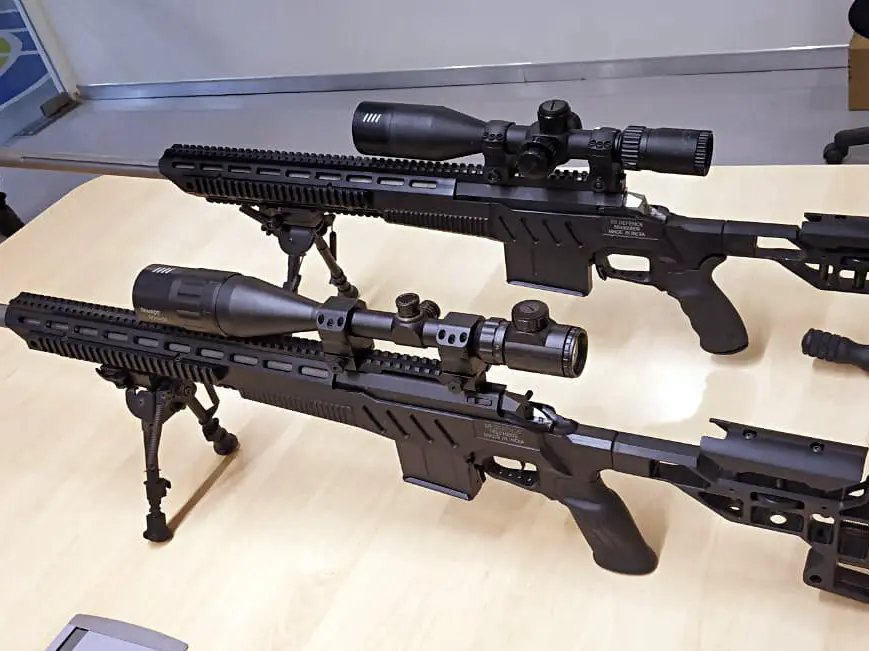
Two sniper rifles designed and developed by an Indian firm under SSS Defence "Make in India" (File Photo). Photograph: (ANI)
India must move beyond defence manufacturing to develop and own critical technologies and intellectual property, strengthening self-reliance and its ability to compete in the global defence market.
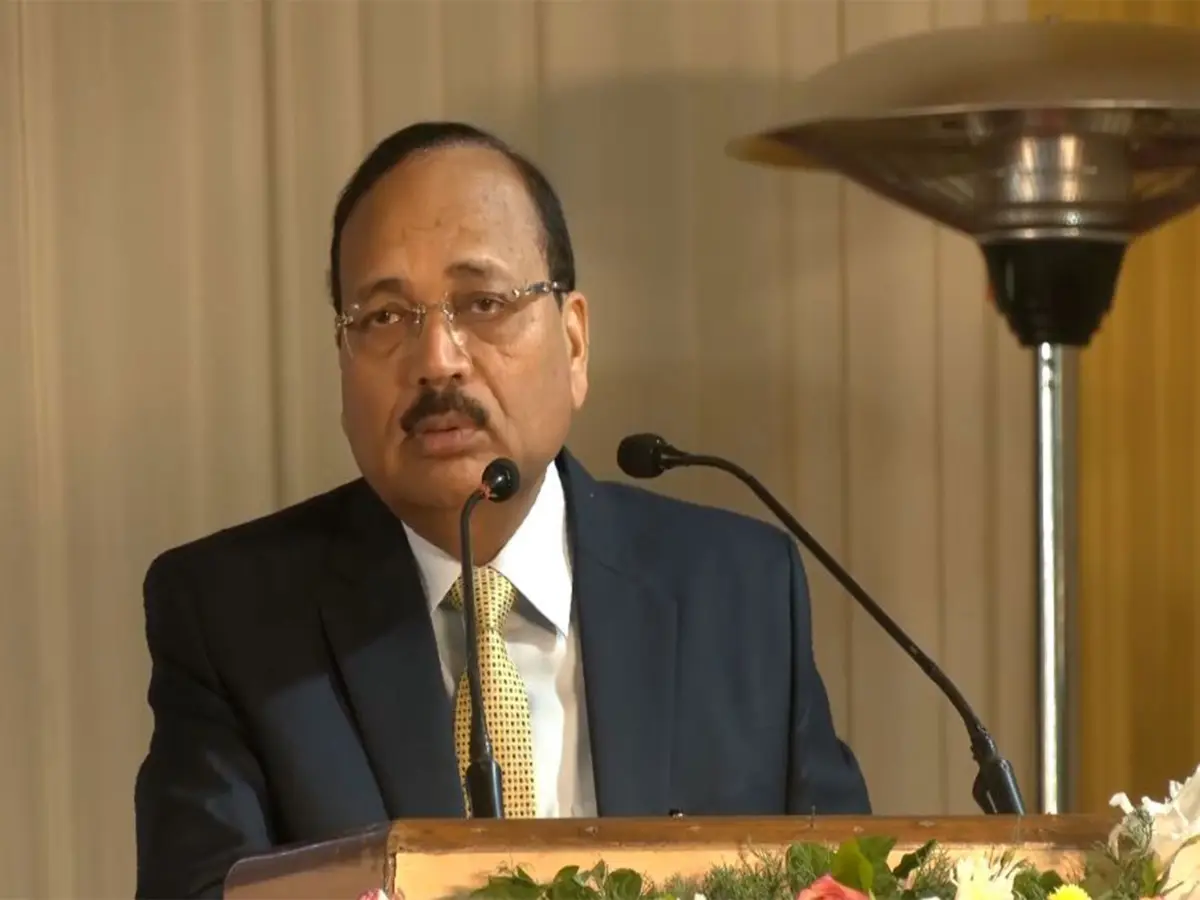
India’s defence manufacturing ecosystem has undergone a dramatic transformation, but the country’s next challenge is to move beyond local manufacturing and establish ownership over the technologies powering its weapons and military platforms, according to Puneet Kaura, Managing Director and CEO of Samtel Avionics.
Speaking to WION, Kaura highlighted the growing role of India’s private sector in building indigenous defence capabilities, while arguing that genuine self-reliance must ultimately be measured by control over intellectual property and critical technologies.
For Kaura, the distinction between manufacturing and indigenous development is crucial. “Make in India is one part of it. I would say Design in India is more important,” he said, emphasising the need for Indian companies to develop technologies themselves instead of depending primarily on foreign technology transfers.
This becomes particularly important during conflict, when dependence on overseas suppliers can expose vulnerabilities in military supply chains.
Kaura also pointed to India’s changing position in the international defence market. Indian companies are no longer looking only at supplying the country’s armed forces, but increasingly at developing products capable of competing globally.
Also Read: India signs $45.7 million deal to buy US Javelin anti-tank missiles for army: More details inside
Trending Stories
&imwidth=280&imheight=210&format=webp&quality=medium)
&imwidth=280&imheight=210&format=webp&quality=medium)
&imwidth=280&imheight=210&format=webp&quality=medium)
&imwidth=280&imheight=210&format=webp&quality=medium)
&imwidth=280&imheight=210&format=webp&quality=medium)
&imwidth=280&imheight=210&format=webp&quality=medium)
&imwidth=280&imheight=210&format=webp&quality=medium)
&imwidth=280&imheight=210&format=webp&quality=medium)
&imwidth=280&imheight=210&format=webp&quality=medium)
&imwidth=280&imheight=210&format=webp&quality=medium)
&imwidth=280&imheight=210&format=webp&quality=medium)
&imwidth=280&imheight=210&format=webp&quality=medium)
&imwidth=280&imheight=210&format=webp&quality=medium)
&imwidth=280&imheight=210&format=webp&quality=medium)
&imwidth=280&imheight=210&format=webp&quality=medium)
&imwidth=280&imheight=210&format=webp&quality=medium)
&imwidth=280&imheight=210&format=webp&quality=medium)
&imwidth=280&imheight=210&format=webp&quality=medium)
&imwidth=280&imheight=210&format=webp&quality=medium)
&imwidth=280&imheight=210&format=webp&quality=medium)
&imwidth=280&imheight=210&format=webp&quality=medium)
&imwidth=280&imheight=210&format=webp&quality=medium)
&im=FitAndFill=(700,400)&imwidth=280&imheight=210&format=webp&quality=medium)
&imwidth=280&imheight=210&format=webp&quality=medium)
&imwidth=280&imheight=210&format=webp&quality=medium)
&imwidth=280&imheight=210&format=webp&quality=medium)
&imwidth=280&imheight=210&format=webp&quality=medium)
&im=FitAndFill=(700,400)&imwidth=280&imheight=210&format=webp&quality=medium)
&imwidth=280&imheight=210&format=webp&quality=medium)
&imwidth=280&imheight=210&format=webp&quality=medium)
&imwidth=280&imheight=210&format=webp&quality=medium)
&im=FitAndFill=(700,400)&imwidth=280&imheight=210&format=webp&quality=medium)
&imwidth=280&imheight=210&format=webp&quality=medium)
&imwidth=280&imheight=210&format=webp&quality=medium)
“After Operation Sindoor, Indian defence products have become battle-tested and the world is looking at us,” Kaura said, highlighting how operational validation can strengthen international confidence in Indian-made equipment.
Samtel itself is expanding beyond avionics and cockpit display systems into emerging strategic technologies. Kaura revealed that the company is developing indigenous electronic warfare capabilities.
“Another thing we are looking at is the jamming and intercepting technology, which can also be used across the border,” he said. “This is the technology we have developed, and it will be a part of our portfolio soon.”
Space is another frontier. Samtel is working towards satellite capabilities as part of its diversification strategy, with Kaura saying the systems could eventually serve both Indian forces and overseas customers.
The larger challenge for India, however, is to turn today’s manufacturing momentum into long-term technological independence.
For India’s emerging defence-industrial complex, the next milestone may therefore not simply be how much equipment is produced domestically, but how much of the technology inside that equipment is actually Indian.