All 50 Pakistan cricketers overlooked in The Hundred Draft – Here's why

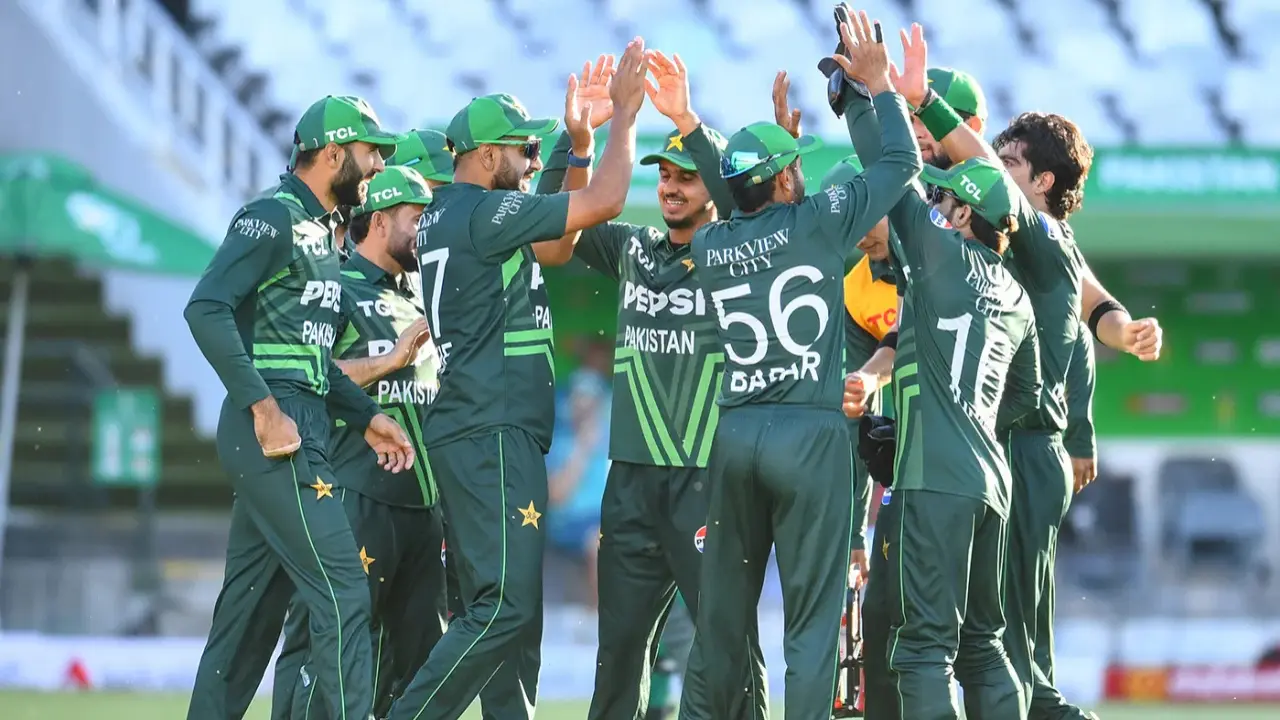
Sports, Cricket: Despite the presence of 45 male and five female cricketers in the draft pool, none found takers, raising speculation over the reasons behind this exclusion
The recently concluded The Hundred Draft saw a complete snub of Pakistani players, with all 50 cricketers, including big names like Naseem Shah, Saim Ayub, and Shadab Khan, going unsold. Despite the presence of 45 male and five female cricketers in the draft pool, none found takers, raising speculation over the reasons behind this exclusion.
Pakistan’s top players had placed themselves in premium price categories, yet none were selected. Naseem Shah & Shadab Khan – $155,000 (top bracket), Saim Ayub – $102,000 (approximately). Similarly, women’s cricketers Aliya Riaz, Fatima Sana, Yusra Amir, Iram Javed, and Jaweria Rauf also failed to attract bids.
Possible reasons for snub
1. Growing influence of IPL owners in The Hundred
One of the key factors behind this widespread snub could be the increasing presence of Indian Premier League (IPL) franchise owners in The Hundred. Currently, several teams in the tournament are either fully or partially owned by IPL stakeholders:
- Oval Invincibles – Owned by Mumbai Indians
- Manchester Originals – Lucknow Super Giants
- Northern Superchargers – Sunrisers Hyderabad
- Southern Brave – Delhi Capitals
Beyond IPL franchises, other Indian-origin businessmen have also invested in The Hundred:
Trending Stories
)
)
)
)
)
)
)
)
)
)
)
)
)
)
)
)
)
)
)
)
)
)
)
)
)
)
)
)
)
)
)
)
)
)
&im=FitAndFill=(700,400))
)
)
)
)
- Welsh Fire – 50% stake owned by Sanjay Govil, an Indian-American entrepreneur
London Spirit – 49% stake acquired by Cricket Investor Holdings Limited, a consortium of Silicon Valley tech entrepreneurs - Given the long-standing cricketing rivalry between India and Pakistan and the IPL’s exclusion of Pakistani players since 2009, this ownership factor may have played a role in franchises steering clear of Pakistan cricketers.
2. Pakistan’s recent struggles in white-ball cricket
Another major factor could be Pakistan’s inconsistent performances in white-ball formats over the past year. With underwhelming results in ODIs and T20Is, and key players struggling to make an impact in global leagues, teams might have preferred more in-form players from other nations.
3. PCB’s NOC issues & player availability concerns
In recent years, Pakistani players have faced No Objection Certificate (NOC) issues from the Pakistan Cricket Board (PCB). Last year, players like Naseem Shah and Shaheen Afridi had difficulties securing NOCs, leading to uncertainty about their availability for The Hundred. Teams may have hesitated to invest in players who could face last-minute withdrawal issues due to PCB regulations.
What this means for Pakistan cricket
The complete exclusion of Pakistani players from The Hundred Draft signals a worrying trend for Pakistan cricket. While commercial and ownership factors may have played a part, the lack of demand for Pakistani players in top leagues could also point to deeper issues related to performance, board policies, and global cricketing politics.
With The Hundred growing in stature, this snub could push Pakistan’s cricketers and PCB to reassess their approach to international leagues and player management to ensure better representation in future drafts.
(With inputs from agencies)

