Trump calls Xi ‘extremely hard to make a deal with’ as US-China trade war flares up again

&imwidth=600&imheight=450&format=webp&quality=medium "Trump calls Xi ‘extremely hard to make a deal with’ as US-China trade war flares up again")
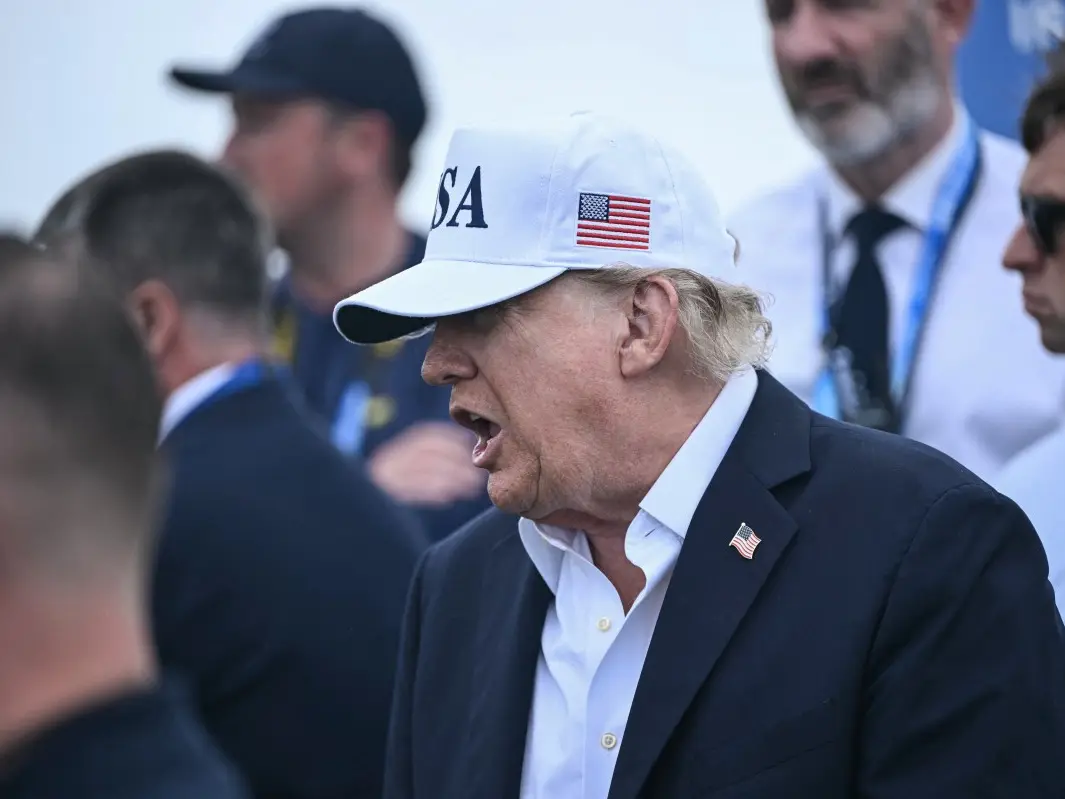
US President Donald Trump Photograph: (Reuters)
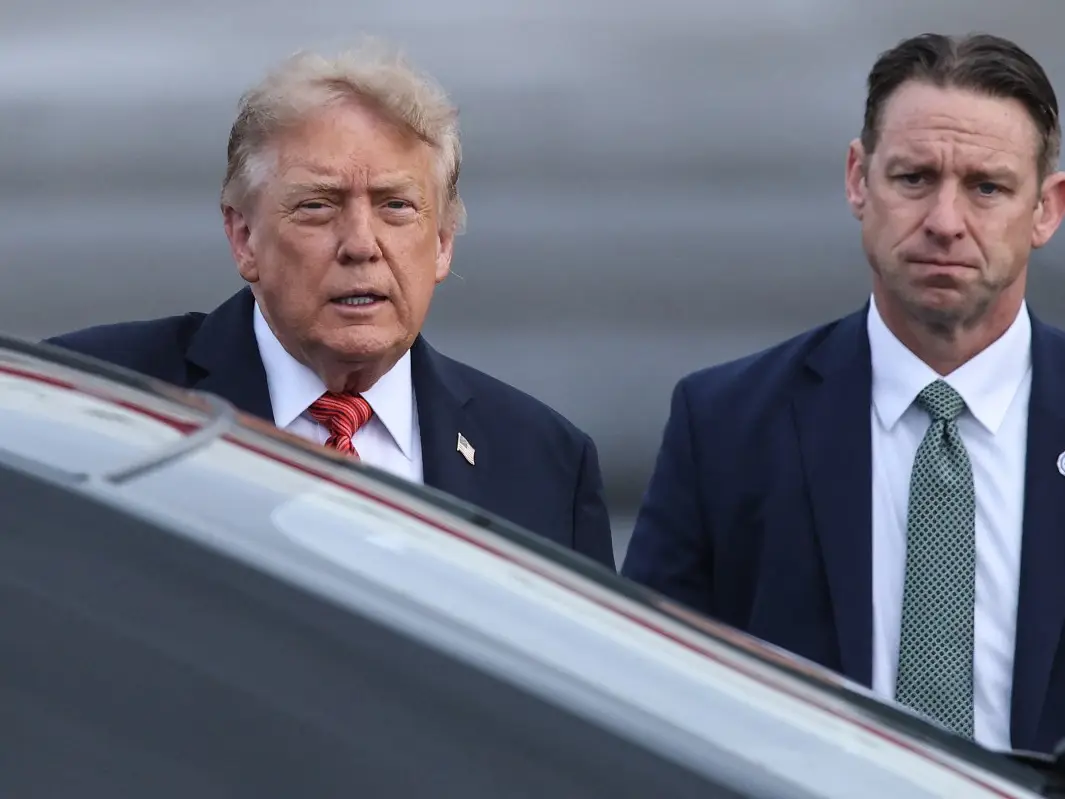
Amid US-China trade deal growing tension, US President Donald Trump has called negotiations with Chinese President Xi Jinping ‘very tough’.
US President Donald Trump has once again reignited tensions with Beijing, calling Chinese President Xi Jinping “very tough” and “extremely hard to make a deal with”.
The remark was posted in the early hours of Tuesday on his social media platform, Truth Social.
The US president's remark comes amid fresh trade and geopolitical flashpoints that threaten to undo the fragile truce achieved just weeks ago.
“I like President XI of China, always have, and always will, but he is VERY TOUGH, AND EXTREMELY HARD TO MAKE A DEAL WITH!!!” Trump wrote on the Truth Social website.
US-China tariff tension continues
The US-China trade relationship has remained turbulent in recent years. In early 2025, President Trump imposed a sweeping 145 per cent tariff on Chinese imports, citing trade imbalances and national security concerns.
China responded with retaliatory tariffs of up to 125 per cent on US goods.
A temporary easing of tensions came in May, when both countries agreed to scale back certain tariffs during talks in Geneva.
However, Washington’s latest actions, including export bans, software curbs, and visa restrictions, have sparked renewed conflict.
Trending Stories
)
)
)
&im=FitAndFill=(700,400))
)
)
)
&im=FitAndFill=(700,400))
)
)
&im=FitAndFill=(700,400))
)
)
)
)
)
)
)
&im=FitAndFill=(700,400))
)
)
&im=FitAndFill=(700,400))
)
)
)
)
)
)
)
)
)
)
)
)
)
)
Last week, the Trump administration said it planned to start revoking visas for Chinese students, while moving to restrict sales of chip design software to China.
According to the New York Times, the US has also barred exports of critical jet engine parts and aviation technology to China.
Although Trump did not provide specifics when accusing Beijing of violating the trade truce on Friday, US Trade Representative Jamieson Greer said China had failed to accelerate exports of critical minerals used in advanced electronics, as per Bloomberg.
According to a report by Bloomberg, China has accused the United States of “seriously violating” the trade truce established in Geneva in May 2025.
The Chinese Ministry of Commerce criticised the US for introducing new trade and technology restrictions, including export controls on artificial intelligence (AI) chips, curbs on chip design software sales to China, and the revocation of Chinese student visas.
Beijing said these actions undermined the consensus reached between President Donald Trump and President Xi Jinping during their last conversation in January.
“If the US insists on its way and continues to damage China’s interests, China will continue to take resolute and forceful measures to safeguard its legitimate rights and interests,” the ministry stated, as quoted by Bloomberg.
The ministry further stated it “resolutely rejects these unjustified accusations” and insisted that China has strictly implemented the Geneva consensus.
According to Bloomberg, last week, the US Treasury Secretary Scott Bessent confirmed that trade talks had stalled and hinted that a direct call between Trump and Xi might be necessary to break the deadlock.
The two leaders of the world’s largest economy have spoken in January, shortly before Trump returned to the Oval Office.
Despite growing tension, the US reportedly said that Trump and Xi are likely to speak on a call. US President's adviser Kevin Hassett suggested a call could happen this week, according to Bloomberg.
Whether Xi will entertain the outreach remains uncertain.
Beijing has repeatedly stated that any high-level engagement must be based on mutual respect and the withdrawal of what it calls “unilateral and coercive measures”.
For now, with tariffs rising, visas tightening, and rhetoric intensifying, the road to détente appears steeper than ever.