
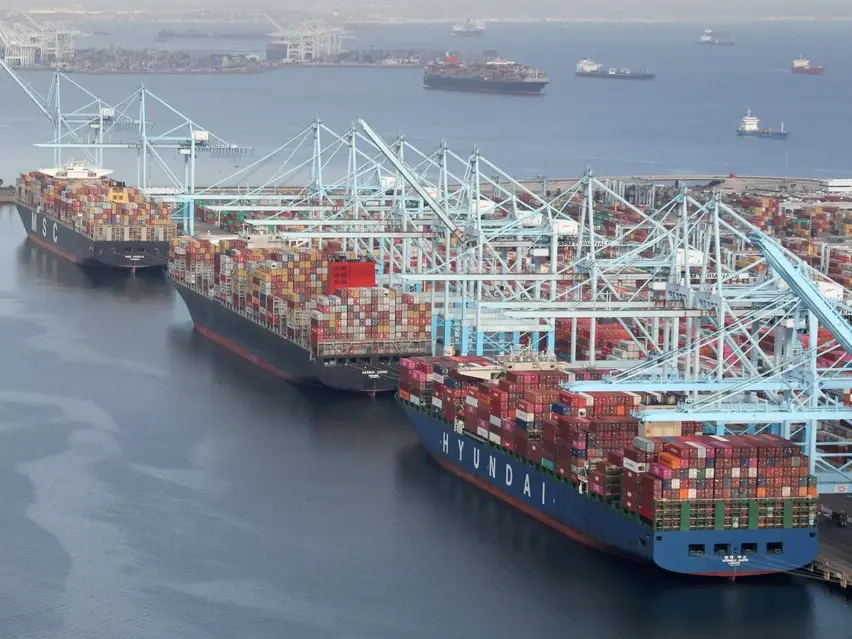
&imwidth=800&imheight=600&format=webp&quality=medium "Tariff turmoil: Trump’s new deadline further deepens global trade confusion")
US President Donald Trump has extended the deadline for tariff negotiations with 14 major trading partners, leaving uncertainty about the future of US trade policy and raising concerns among smaller exporters and industry leaders. Initially set for July 9, the deadline has now been pushed to August 1, with the possibility of further delays, leaving countries like Japan, South Korea, and the European Union cautiously optimistic while smaller nations like South Africa face mounting pressure.
Strategic shifts and unpredictable moves
The Trump administration’s latest move comes after a series of aggressive tariff announcements earlier this year, with duties ranging from 25 per cent to 40 per cent on imported goods. While the new deadline offers a slight reprieve, it also reflects growing frustration within the White House over stalled negotiations and the complexity of striking trade deals that meet the president’s high demands.

Trump’s decision to delay the deadline again follows his earlier declaration that “no extensions will be granted.” In the latest round of announcements, the White House sent form letters to 14 countries informing them of the tariff rates while warning that this was a final call for “reciprocal” tariffs. The move aims to put more pressure on nations like Japan, South Korea, and the EU, all of which are currently in negotiations to ease US tariffs.
“The strategy here is simple: they want to pressure-test things and see how far they can push the envelope, particularly for countries where talks haven’t moved forward,” Ryan Majerus, a former US Commerce official, told Reuters.
Trump’s repeated shifting of deadlines, combined with his unilateral tariffs, has frustrated international trade partners, many of whom are seeking stable and predictable trade terms. While larger economies like Japan and South Korea are working to find compromises with the US, smaller exporters are struggling to keep up with the unpredictability.
Trending Stories
)
AI kill switch explained: Why shutting down a dangerous AI may not be as simple as pressing a button
)
Putin's United Russia party wins 355 seats in Duma election; 4 other parties cross threshold to enter parliament
)
US ships in Indian Ocean ‘will be attacked’ if war resumes, warns Iran
)
Delhi Air pollution: Strict crackdown on waste burning
)
SNL UK takes aim at Ed Sheeran with AI Princess Diana sketch
)
‘0% chance’: Nvidia CEO Jensen Huang dismisses AI extinction fears by 2030
&im=FitAndFill=(700,400))
What TSMC's 2nm technology means for Apple
)
Trump says he'll build an 'AI Force' and appoint a czar, for 'high IQ' people only
)
'Were you here to sell chickpeas?': Wasim Akram criticises Babar Azam's captaincy
)
BTS' fans question iHeartRadio’s treatment of group after brief festival set
)
Glitch in the matrix caught on camera: Woman vanishes after talking to reporter
)
Samsung raises Galaxy S26 prices by Rs 20,000: Here’s what each model now costs
)
Fleming's aspirations as England Test coach include WTC, top ranking and Ashes
)
Operation Sindoor’s hidden naval dimension | MoD reveals Indian Navy Special Forces joined May 7 strikes
)
J&K Assembly Session begins amid chaos: BJP, ruling alliance clash as statehood demand dominates
)
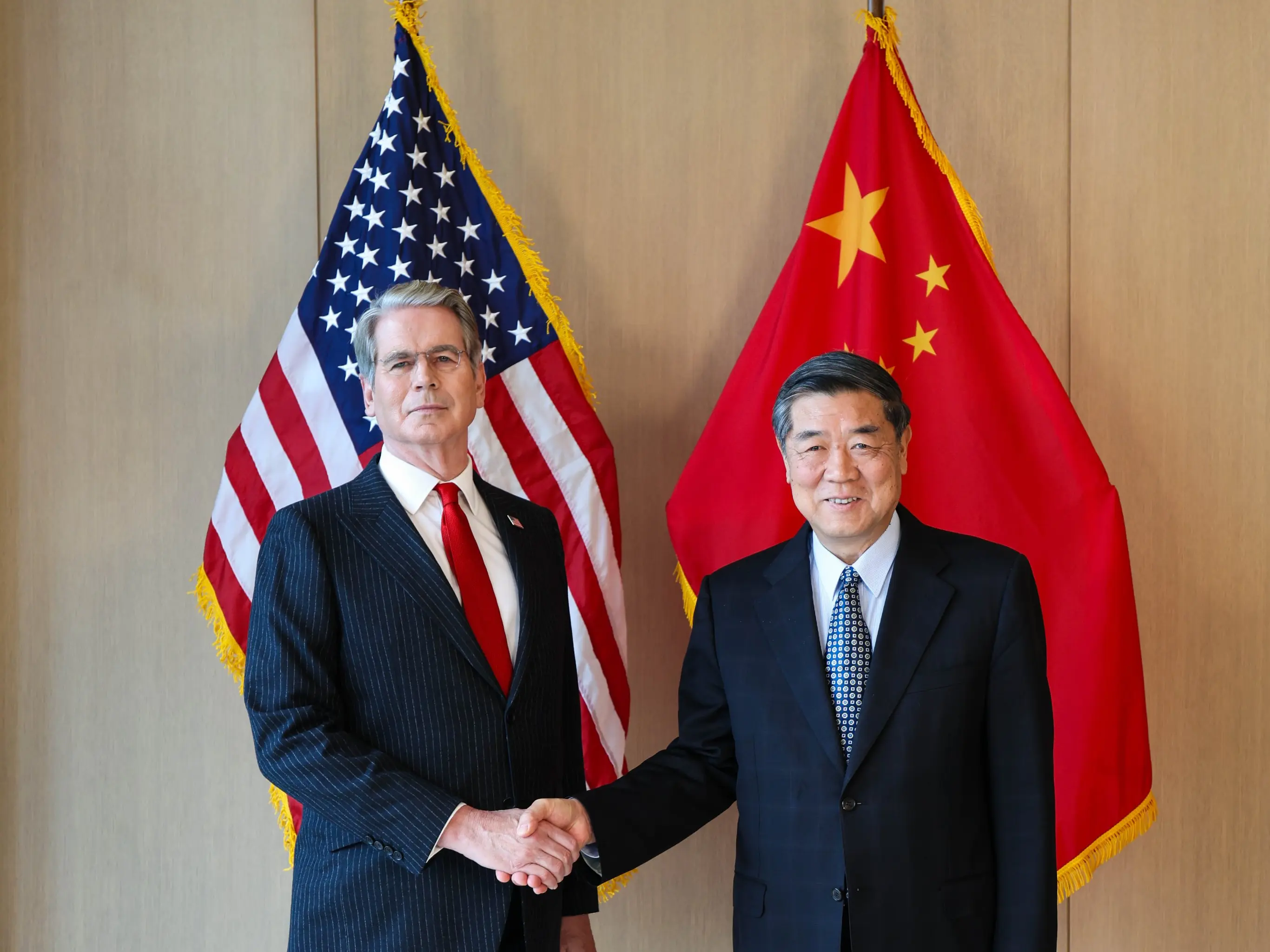
Trump-Xi summit: US Treasury Secretary holds meeting with Chinese Vice Premier
)
Bessent meets China’s He Lifeng to prepare for Trump-Xi summit
)
S Jaishankar, former Army chief among high-profile names issued Delhi SIR notices
)
CDU suffers historic defeat in eastern Germany as AfD surges, Merz vows to stay on
)
Iran sets 7 conditions to end war with US: What are Tehran’s demands?
)
Arvind Kejriwal, family members, Delhi CM Rekha Gupta get SIR notices
)
AI actress Tilly Norwood glitches mid-interview, switches from English to Chinese | Watch
)
Saudi vs Houthis: Houthis claim missiles & drones used in attack on key Saudi sites
)
Punjab man consumes poison outside DC office; Congress, BJP target AAP government
)
Saudi Arabia exits China-led mBridge digital currency platform amid Saudi-Houthi conflict
)
ICE shooting in Texas leaves man seriously injured; officials demand independent investigation and transparency
)
'Lot of things to learn from experienced players': Jayasuriya backs Rohit, Virat for 2027 ODI World Cup
)
Chancellor Friedrich Merz vows to stay on as exit polls signal major poll setback
)
Taylor Swift has a 'proud wife' moment as Travis Kelce scores first touchdown of season: 'That’s my husband!'
)
Several petrol pumps, other businesses to refuse UPI payments above Rs 2,000 from Oct 16: Is it legal?
)
Mahabharat actor Saurav Gurjar arrested in Hyderabad, sent to 14-day judicial custody in sexual exploitation case
&im=FitAndFill=(700,400))
New OTT releases this week (September 21-27, 2026): Shaque: Trust No One, Hunkkaar, Don’t Be Shy- 5 new titles coming to Netflix, Prime Video and more
&im=FitAndFill=(700,400))
Gulshan Grover turns 70: Ram Lakhan, Gangster, Hera Pheri- Must-watch movies of the actor on OTT platforms
)
Noel Tata challenges Chandrasekaran’s reappointment as Tata Sons chairman. What happened at the board meeting
&im=FitAndFill=(700,400))
Kareena Kapoor birthday special: Inside her net worth, best movies, luxurious lifestyle and love story with Saif Ali Khan
)
Pilot recreates Mona Lisa in sky over Oklahoma and Arkansas in four-hour flight: VIDEO
)
Delhi: Flagged voters remain on the draft roll but face hearings
)
China now makes advanced memory chips without the machines it was banned from buying
)
Maharashtra TET paper leak: All 18 accused arrested. How alleged Agra-to-Maharashtra racket unfolded
)
Jailer 2: Vidya Balan joins Rajinikanth's upcoming film as Kantha | Watch
)
Microsoft executive called AI training the ‘largest theft of labour in human history’
)
Italy moves to ban face veils in schools as Meloni pushes new integration measures
Japan and South Korea respond to US pressure
For Japan, which faces a 25 per cent tariff on most exports to the US, the stakes are high. Tokyo is pushing for relief for its automotive sector, which has long been a target of Trump’s tariff threats. However, Japan’s political situation complicates matters. With an election for the upper house of Japan’s legislature set for July 20, Prime Minister Shigeru Ishiba is navigating a fine line. Too many concessions could jeopardise the ruling party’s standing in the upcoming election. Despite this, Japan remains hopeful that talks can reach a mutually beneficial outcome.
South Korea, under newly elected President Lee Jae-myung, is also engaging in tough negotiations with the US. Though the new president has emphasised his commitment to achieving “mutually beneficial results,” analysts suggest he will not be a “pushover” when it comes to defending his country’s economic interests, particularly regarding US demands for increased purchases of American goods.
South Africa, meanwhile, is one of the smaller economies feeling the weight of the tariff policies. The country is facing a steep 30 per cent tariff rate, a blow to industries already struggling under global pressures. President Cyril Ramaphosa has strongly criticised the tariff rates, calling them disproportionate to South Africa’s relatively low average tariff of 7.6 per cent. Despite this, the South African government is seeking to negotiate a framework to address the issue.
Growing trade fragmentation
While Trump’s tariffs are designed to reduce the US trade deficit, the broader effects on the global economy are becoming evident. As the US imposes higher tariffs, countries are increasingly looking to trade with one another outside the US-centric trade network. For instance, China’s exports to the US have decreased by nearly 10 per cent this year, but its exports to other markets, including the UK, ASEAN nations, and Africa, have seen significant increases.
Financial markets appear relatively calm for now, with few signs of panic as investors await further developments. However, experts warn that the longer this uncertainty drags on, the more strained supply chains and industries could become. At the same time, US Treasury receipts from tariffs have surged, with record collections reported in May, indicating that the tariff strategy is generating short-term revenue for the government. However, the long-term effects of a fractured global trade system remain uncertain.
“The rest of the world is beginning to realign itself. New trade agreements between the EU and Canada, as well as between the UK and India, show that countries are finding alternatives to US markets,” William Reinsch, a former US Commerce Department official, told Reuters.
As the tariff deadline extension looms, industry leaders are scrambling to adjust their operations. Companies based across different countries are facing increased costs as they try to navigate the shifting trade landscape. Executives say the rapidly shifting tariff landscape has paralysed decision-making as they try to adjust their supply chains and cost structures to avoid tariff-induced price hikes. Many businesses are also left with tough choices about whether to absorb additional costs or pass them on to customers.
With negotiations still at an impasse and no clear end in sight, the extension of the deadline raises more questions than it answers about the future of US trade policy.