South Korea races to secure US tariff deal before August 1 deadline

&imwidth=600&imheight=450&format=webp&quality=medium "South Korea races to secure US tariff deal before August 1 deadline")
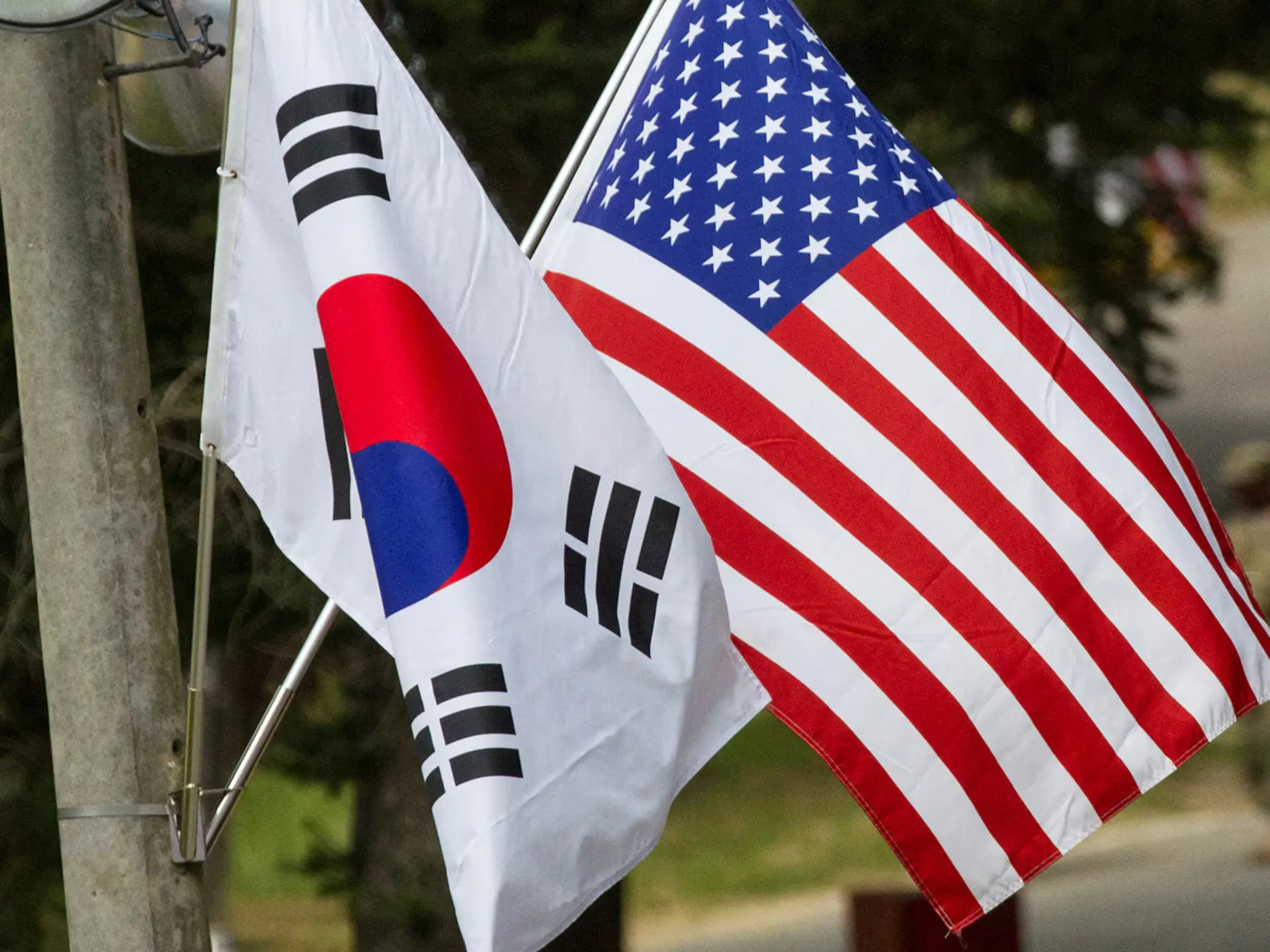
The South Korean and American flags fly next to each other. Photograph: (Reuters)
South Korea is racing to negotiate a last-minute trade deal with the US to avoid Trump’s threatened 25% tariffs set to take effect on August 1.
South Korea says it will intensify negotiations with the United States in a last-ditch effort to avoid a threatened 25 per cent tariff, as President Donald Trump’s administration sets an August 1 deadline for the new duties.
Trump threatens new tariffs from August 1
President Trump announced on Monday that he would impose a 25 per cent tariff on South Korean goods from 1 August, posting formal letters to President Lee Jae Myung and Japan’s prime minister on his social media platform.
In the letter to President Lee, Trump criticised what he called a lopsided trading relationship, urging Seoul to open “heretofore closed markets” and eliminate tariff and non-tariff barriers. According to South Korea’s Industry Ministry, the letter effectively grants a grace period before the new tariffs are enforced, as per Reuters.
Seoul promises intensified negotiations
In response, South Korea’s Industry Ministry said it would use the remaining time to secure a deal that could prevent the tariffs from taking effect. “We will step up negotiations during the remaining period to reach a mutually beneficial result to quickly resolve the uncertainties from tariffs,” the ministry said in an official statement, as quoted by Reuters.
Trending Stories
&im=FitAndFill=(700,400))
)
)
)
)
)
)
)
)
)
)
)
)
)
&im=FitAndFill=(700,400))
&im=FitAndFill=(700,400))
)
)
)
)
)
)
)
)
)
)
)
)
)
)
)
)
)
)
)
)
)
)
&im=FitAndFill=(700,400))
)
As per Reuters, South Korea also plans to use the window to address US concerns about its large trade surplus and overhaul domestic regulations. The ministry said it would pursue reforms through what it described as a “manufacturing renaissance partnership” with Washington.
Record trade surplus draws US scrutiny
As per Korea Customs Service data cited by Reuters, South Korea posted a record $55.6 billion trade surplus with the United States in 2024, up 25 per cent from the previous year. The imbalance has been driven largely by strong car exports, making South Korea a target for Trump’s renewed push on trade.
Although the two countries have a free trade agreement, signed in 2007 and revised in 2018, economists note that South Korea’s effective tariff rates on US imports are near zero. However, Washington has continued to argue that non-tariff and regulatory barriers remain a major obstacle.
High-level diplomacy after political upheaval
President Lee Jae Myung, who took office on 4 June after a snap election, faces his first major foreign policy test with these negotiations. Lee has blamed his predecessor’s martial law declaration in December for weakening South Korea’s ability to respond quickly to Trump’s tariff demands.
After initially sticking to technical-level discussions, Seoul has moved rapidly to high-level diplomacy. South Korea’s top trade envoy and National Security Advisor Wi Sung-lac have travelled to Washington in recent days for trade and defence talks.
Hopes for a last-minute deal
According to President Lee’s office, Wi met US Secretary of State Marco Rubio in Washington on Monday. The two agreed that a summit between Lee and Trump could help advance negotiations. Lee’s office cited Rubio as saying there was still time to reach a settlement before the deadline. “Tariff letters to major trading partners including South Korea were sent out today but there is still time until tariffs are implemented on August 1 so he hopes the two countries can communicate closely to reach an agreement before that,” Lee’s office said, as quoted by Reuters.
Trump himself suggested the deadline was not entirely rigid. Asked if it was firm, he told reporters: “I would say firm, but not 100% firm. If they call up and they say we’d like to do something a different way, we’re going to be open to that.”
Uncertainty for exporters
The Industry Ministry acknowledged in its statement that the new administration did not have enough time after Lee’s inauguration to settle all outstanding issues with Washington, despite what it called “intense negotiations”.
As the 1 August deadline looms, the threat of new tariffs casts a shadow over one of Asia’s most critical trade relationships with the United States. For South Korea, securing an exemption could not only protect exporters from fresh costs but also prove that President Lee’s new government can restore stability to a vital alliance after months of domestic political turmoil.