Rising tensions between India and Pakistan propel surge in Chinese defence stocks

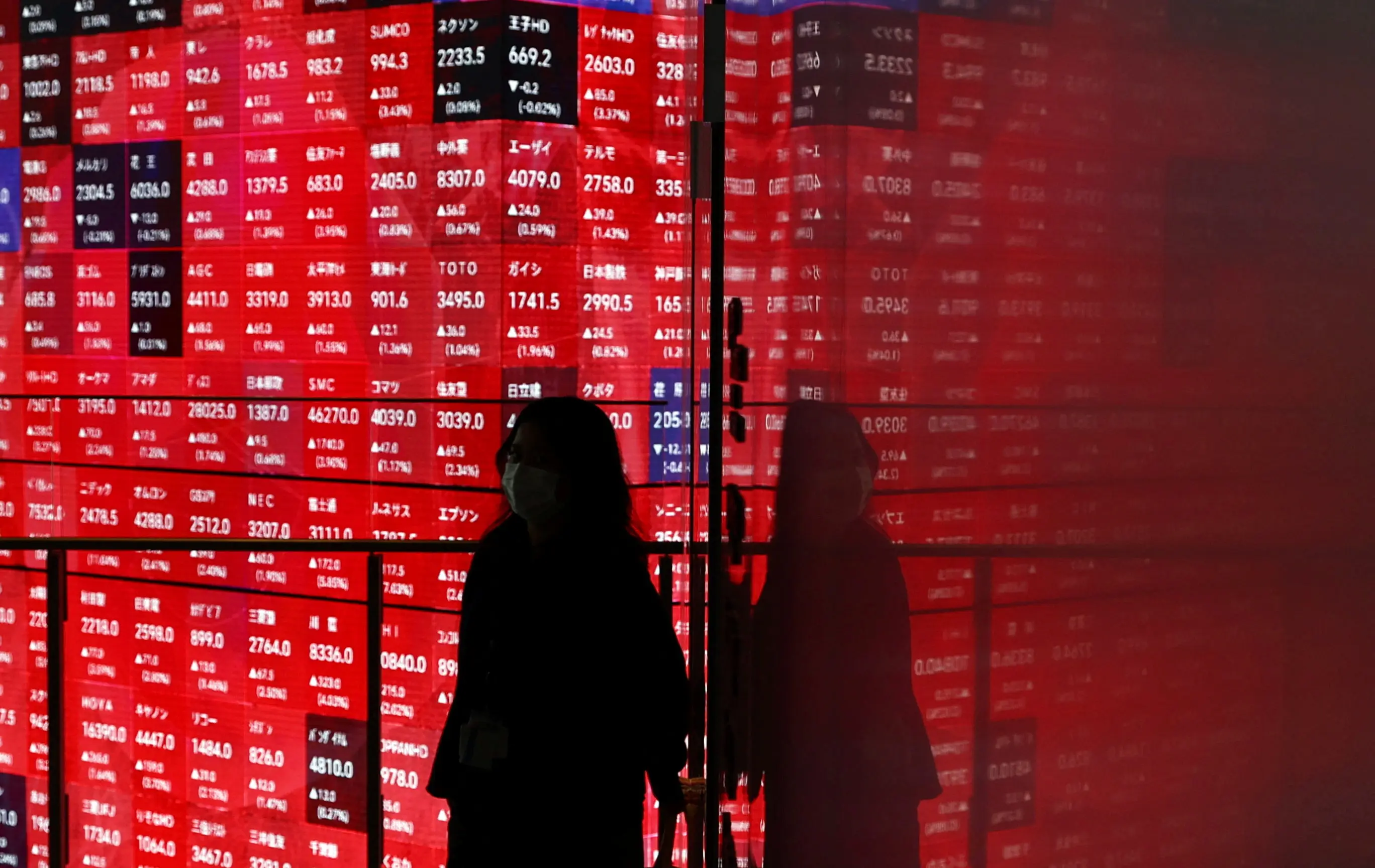
Business & Economy: Between 2020 and 2024, China emerged as the largest seller of weapons to Pakistan, accounting for 81 per cent of its imports
As tensions escalate between India and Pakistan, Chinese defence stocks are rising, fuelled by expectations of a boost in exports from Chinese defence manufacturing companies.
Over the past decade, China has become the primary supplier of military hardware to Pakistan, including fighter jets, submarines, frigates, drones, and missile systems.
Between 2020 and 2024, China emerged as the largest seller of weapons to Pakistan, accounting for 81 per cent of its imports, followed by the Netherlands at 5.5 per cent and Turkey at 3.8 per cent. From 2009 to 2014, China represented 51 per cent of Pakistan’s total military imports, which rose to 73 per cent between 2015 and 2019.

In the case of China, Pakistan has become its largest defence export market, accounting for 63 per cent of its exports in 2020-24 as compared to 41 per cent in 2009-14.
This heavy military dependence of Pakistan has led to rising investor confidence in Chinese defence stocks. China and Pakistan have long-standing political ties, with diplomatic relations established in 1951. China has also been Pakistan's most important defence partner since the end of the Cold War, according to the US Institute of Peace.
CNBC reported that AVIC, through its subsidiary AVIC Chengdu Aircraft, manufactures the J-10C fighter jets reportedly used by Pakistan in the recent conflict. Another subsidiary, AVIC Aerospace, which produces military aircraft and helicopters, saw its Hong Kong-listed shares rise over 6 per cent. And Shenzhen-listed stocks of AVIC Chengdu Aircraft surged as much as over 16 per cent. It last traded 8.31 per cent higher at 11.40 a.m. local time. On Wednesday, its stocks rose 17.05 per cent, marking the most significant gain since last October.
)
Asian Games 2026: India women's cricket team beats Sri Lanka by 147 runs for first gold
)
40-foot waves crash into cruise ship in dangerous stretch near Antarctica. Watch
)
Key accused in Bihar's Jamui molestation case, arrested after police shoot him in leg
)
Anti-AI activists storm summit, say 'incompetent' leaders are leading us into a disaster - 'We need a vote'
)
Trump's helipad event overshadowed by audio failure as major TV networks suspend pool coverage
)
Samsung raises Galaxy S26 prices by Rs 20,000: Here’s what each model now costs
)
AI models chose to harm humans to stop ‘pain,’ alarming study raises fresh safety questions
)
Raaka creates history! Allu Arjun’s film secures Guinness World Record ahead of release
)
IND vs JPN one-off T20I: India survive scare from Japan to win five-over a side match by 2 runs
)
Randeep Hooda arrives in Gujarat for his first National Film Award: ‘Very grateful’
)
From ‘communist’ to ‘great mayor’: Trump praises Mamdani after New York meeting, discusses immigration and housing
&im=FitAndFill=(700,400))
New OTT releases this week (September 21-27, 2026): Shaque: Trust No One, Hunkkaar, Don’t Be Shy- 5 new titles coming to Netflix, Prime Video and more
)
J&K Assembly Session begins amid chaos: BJP, ruling alliance clash as statehood demand dominates
)
How Zaheer Khan came to be CSK's head coach of IPL 2027
)
US-Iran war, peace deals and more: What to expect from Trump's UNGA 2026 speech
)
‘0% chance’: Nvidia CEO Jensen Huang dismisses AI extinction fears by 2030
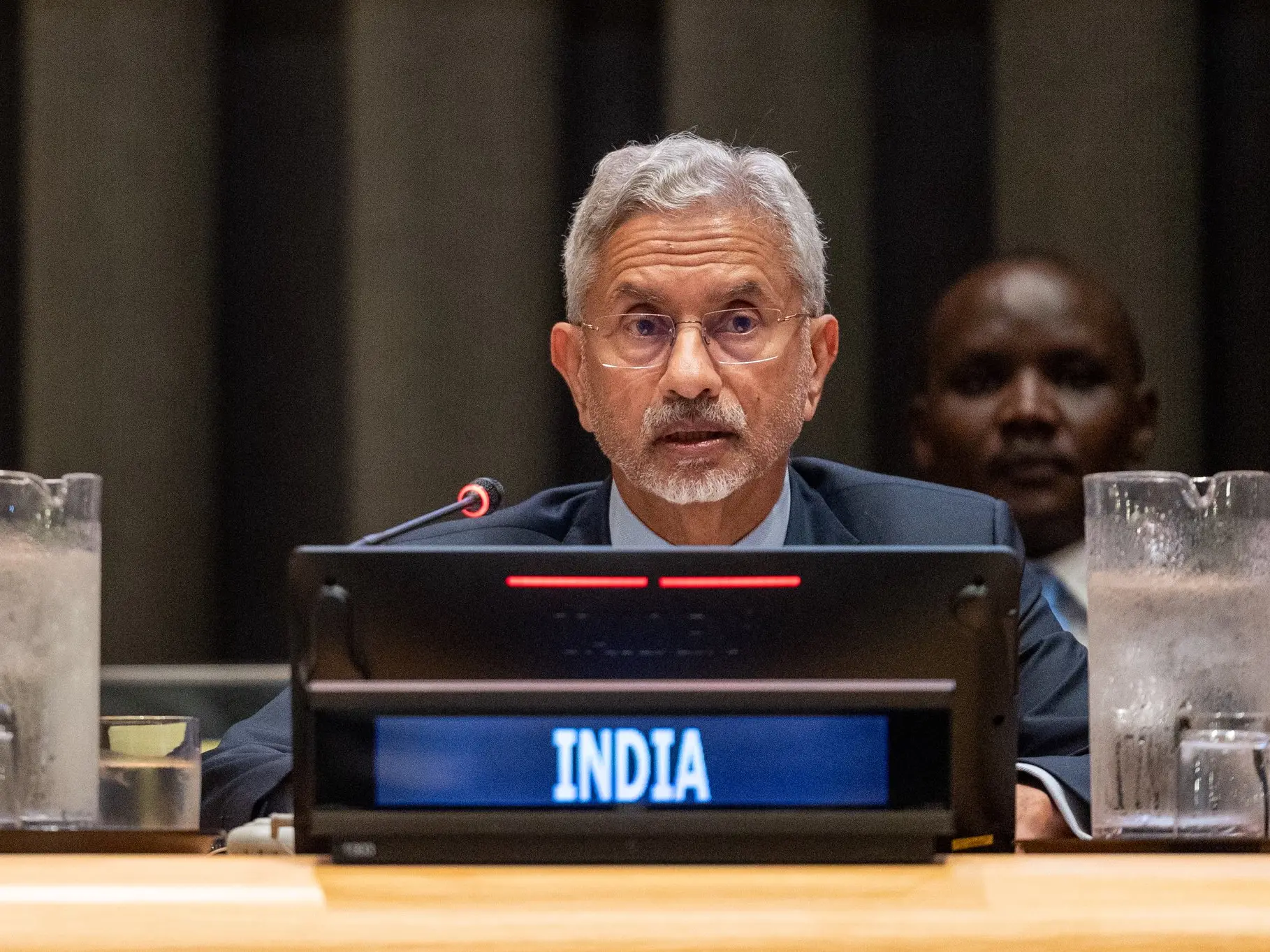)
India at UNGA81: Jaishankar warns global order under 'growing stress', pushes for ‘reformed multilateralism’
)
Report: Zelensky meets CIA chief Ratcliffe at Shannon airport, weeks after his secret Moscow trip
)
New Zealand farms shift to carbon forests: Carbon credits fuel a land rush reshaping rural life
)
Microsoft executive called AI training the ‘largest theft of labour in human history’
)
BTS fans mock iHeartRadio’s day 2 turnout after short set controversy
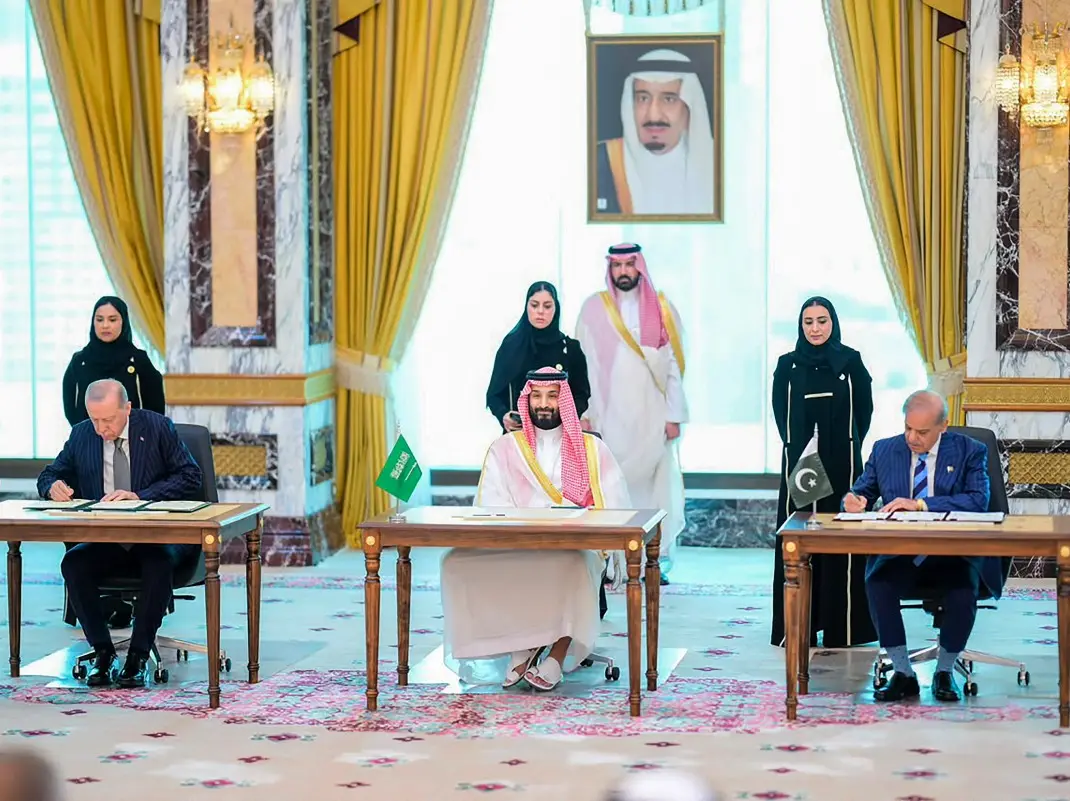)
The Verdict | The Mecca Agreement is under scrutiny as Houthis attack Saudis
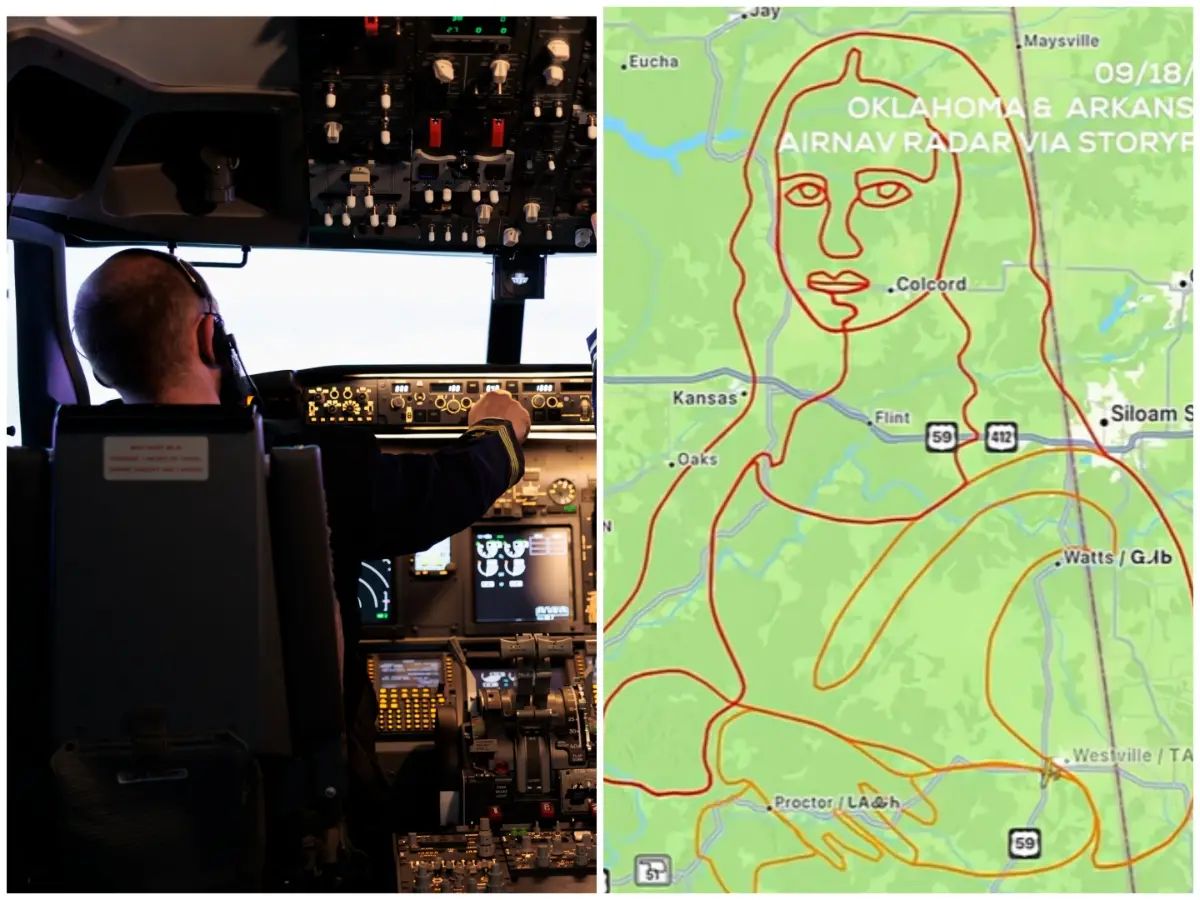)
Pilot recreates Mona Lisa in sky over Oklahoma and Arkansas in four-hour flight: VIDEO
)
$110 billion Warner Bros merger: Paramount reaches settlement with 12 US states
)
Putin's United Russia party wins 355 seats in Duma election; 4 other parties cross threshold to enter parliament
)
Saudi Arabia exits China-led mBridge digital currency platform amid Saudi-Houthi conflict
)
Jailer 2: Vidya Balan joins Rajinikanth's upcoming film as Kantha | Watch
)
US and China vie for AI dominance as calls grow for regulation | Gravitas
)
'Lot of things to learn from experienced players': Jayasuriya backs Rohit, Virat for 2027 ODI World Cup
&im=FitAndFill=(700,400))
Anant Nag to recieve Dadasaheb Phalke Award: From Ankur to Nishant- Revisit his best films and iconic performances on OTT
)
UK banks are rethinking financial crime detection because of algorithm
)
UK PM Burnham agrees to 'defensive' military support for Saudi Arabia against Houthis
)
'Needs time away from the international scene': England white-ball captain Brook on pacer Brydon Carse's future
)
Samay Raina-Mukesh Chhabra controversy explained: What happened over girlfriend joke on India's Got Latent?
)
Explainer: Why rare-earth export licences and Board of Trade are US priorities ahead of Trump-Xi summit
)
FIFA chief Infantino wants to reform governing body with consultation from federations
Shares of China State Shipbuilding Corporation, which builds military and civilian vessels, inched up 0.4 per cent.
China-Pakistan defence deals
Over the years, Pakistan has secured several major defence deals with China, with the estimated total value of these agreements spanning billions of dollars. In 2015, Pakistan signed a deal worth $5 billion for eight Type-041 submarines. Three years later, in 2018, it purchased four Type-054A/P frigates for approximately $1.4 billion.
The following years saw further acquisitions, including the purchase of 36 J-10CE jets in 2022 for an estimated $1.5–2 billion. Since 2007, the JF-17 Fighter Jet Programme has been a significant investment, with an estimated cost of $2–3 billion. In 2018, Pakistan also acquired 48 Wing Loong II drones, costing around $200–300 million.
More recently, in 2021, Pakistan bought HQ-9 surface-to-air missile defence systems and PL-15 air-to-air missiles for about $650–900 million, and in 2022, it purchased Z-10ME helicopters for an estimated $150–240 million.
Throughout these transactions, China has supported Pakistan with low-interest financing and flexible payment terms, enabling the country to continue these imports despite its ongoing economic challenges.
Pakistan was the fifth largest buyer of arms in 2020-24, its share jumping to 4.6 per cent from 2.8 per cent in 2015-19.