&imwidth=800&imheight=600&format=webp&quality=medium "Recession fears in Europe as Eurozone business activity slows amid Iran war")
The war in West Asia has sparked fears of recession in Europe as business activity in the Eurozone slowed in March following the start of the conflict on February 28, leading to a surge in energy prices and causing significant supply chain disruptions, according to a survey published on Tuesday (March 24).
The HCOB Flash Eurozone Purchasing Managers' Index (PMI), published by S&P Global, an important gauge of the overall health of the economy, registered a significantly lower figure of 50.5 this month, down from 51.9 in February.
A reading above 50 indicates growth, while a figure below 50 shows contraction.

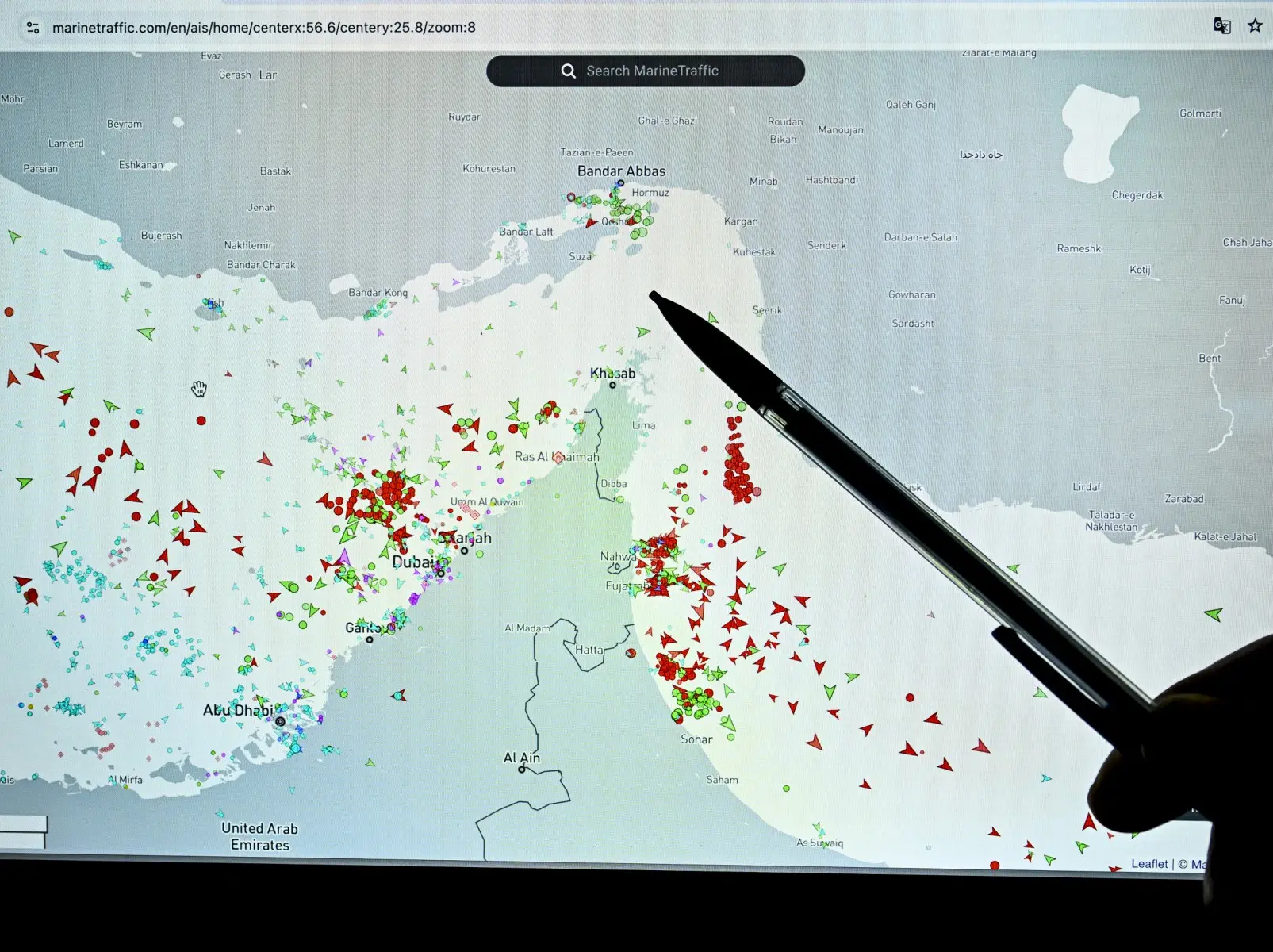
Iran has effectively closed the Strait of Hormuz in retaliation against the United States and Israel, through which nearly 20 per cent of global oil transits. Brent crude is oscillating between $101 and $104 per barrel, putting immediate pressure on input costs for European firms and forcing several countries to take emergency measures such as rationing and prioritising gas.
The 21-country Eurozone bloc, which includes Germany, France and Austria, has come under a “double shock”, with the West Asia conflict and the protracted war in Ukraine creating a period of stagflationary pressure.
On Monday, Donald Trump announced in a social media post a five-day postponement of all planned military strikes against Iranian power plants and energy infrastructure. The pause is intended to provide a window for ongoing diplomatic talks aimed at reaching a “complete and total resolution” of hostilities in the region.
Trending Stories
&im=FitAndFill=(700,400))
New OTT releases this week (July 20-26, 2026): Musafir Cafe, Adarsh Baal Vidyalaya, 72 Hours- 5 new titles coming on Netflix, Prime Video and more
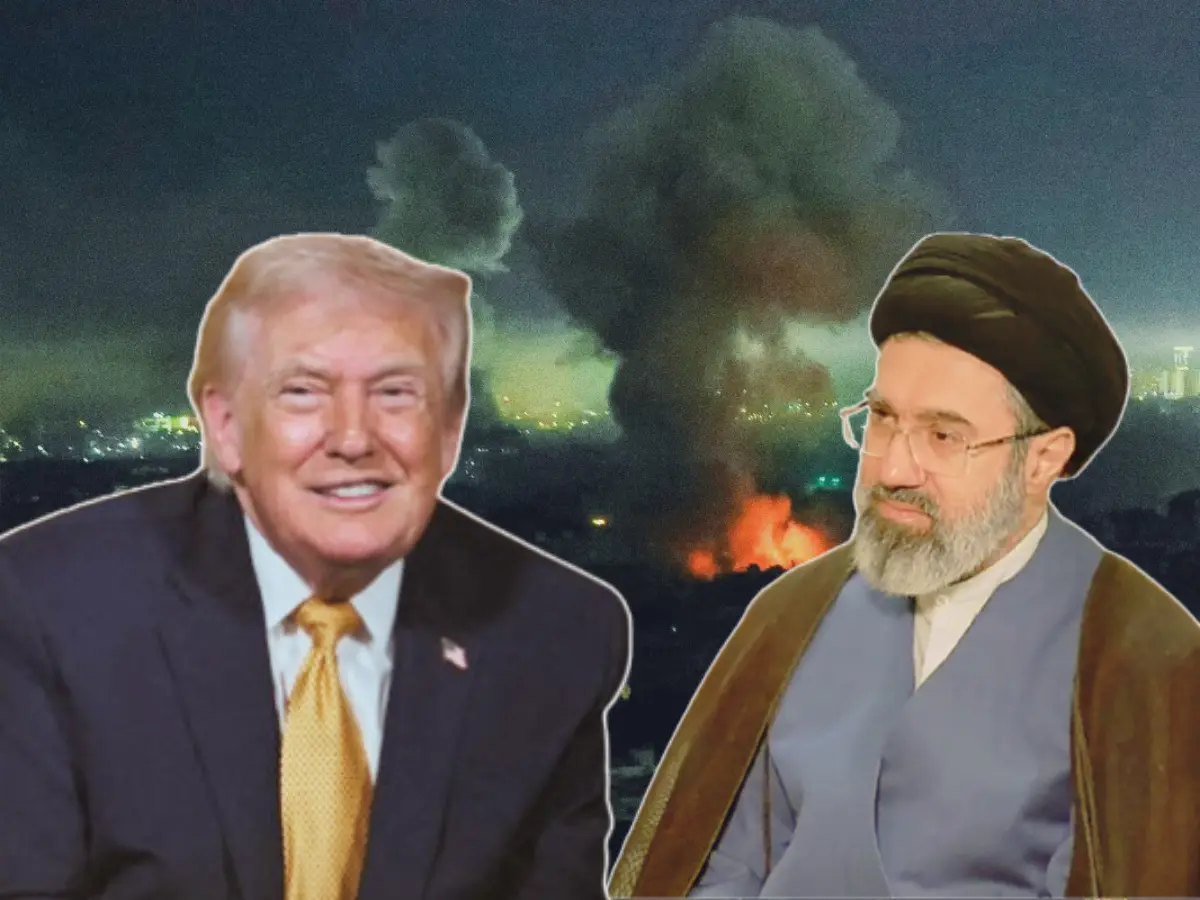)
US strikes Iran, sirens heard in Kuwait, one American soldier killed in Iraq: What's happening in West Asia
&im=FitAndFill=(700,400))
Why the F-22’s tail fins are canted to minimize its radar footprint
)
Truck loaded with stones, metro stations closed: What's happening at Jantar Mantar now
&im=FitAndFill=(700,400))
Why the S-400 uses solid rocket fuel instead of liquid fuel
)
Argentina's racism problem: How football chants reflect a deeper historical legacy
)
'George Soros playbook': Understanding the foreign funding network around Sonam Wangchuk
)
Xi Jinping's new AI bloc: China launches 'World AI Body' with Pakistan and Russia in, India out
&im=FitAndFill=(700,400))
FIFA World Cup 2026 awards race: Who are Golden Boot, Golden Ball and Golden Glove contenders ahead of the final
)
Student union leaders call off hunger strike at Jantar Mantar after civil society appeal, but protest continues
)
'Chalo Sansad' march today: Section 163 in force, Delhi Police remove barricades; unfazed Dharmendra Pradhan meets NEET topper
)
Did Iran secretly ship 70 million barrels of oil to China? Report claims $6 billion crude exported before blockade restored
)
Salman Khan breaks silence on health concerns after viral Mumbai appearance
&im=FitAndFill=(700,400))
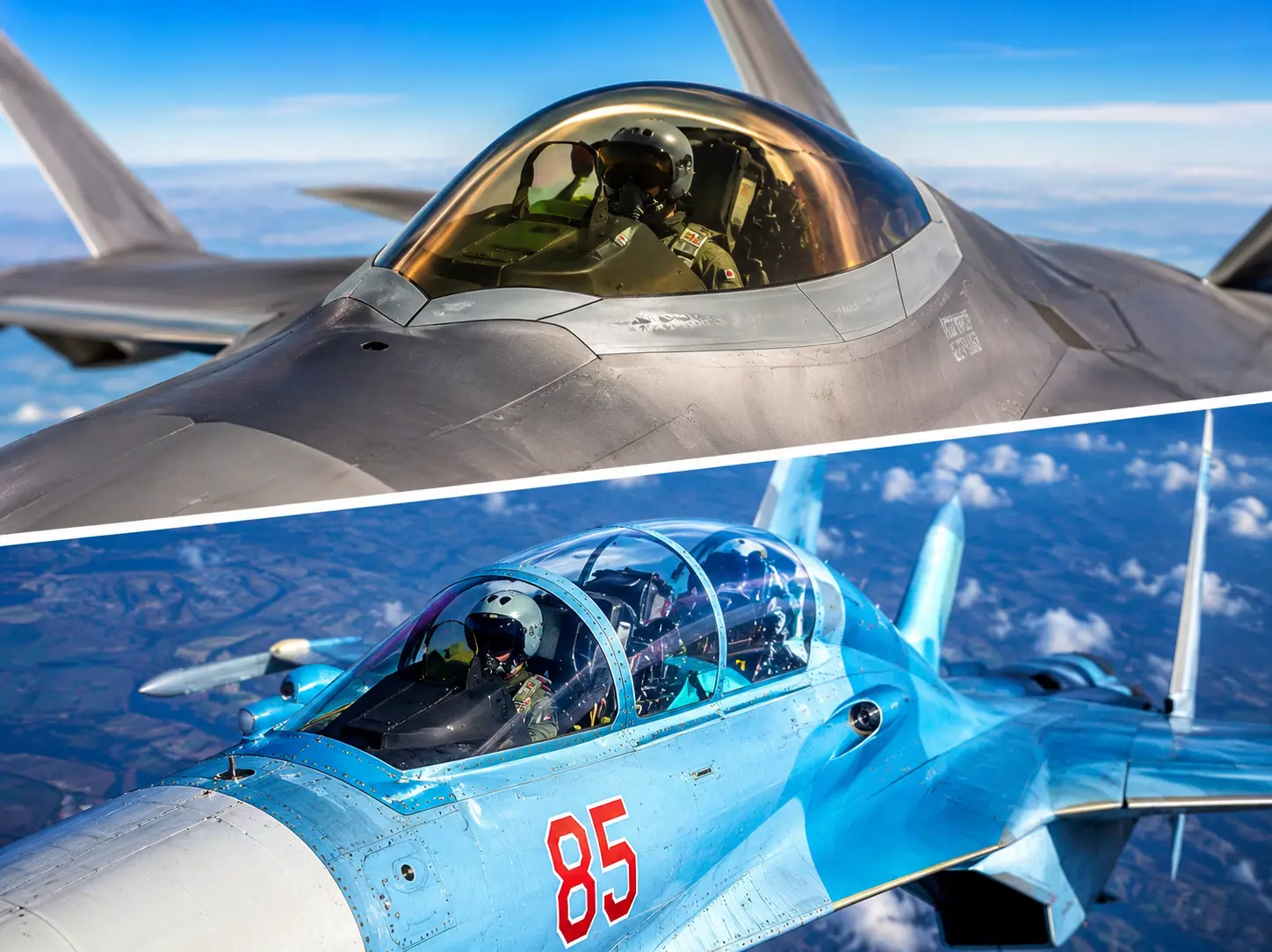
Why US fighter jets use seamless bubble canopies compared to Russian jets
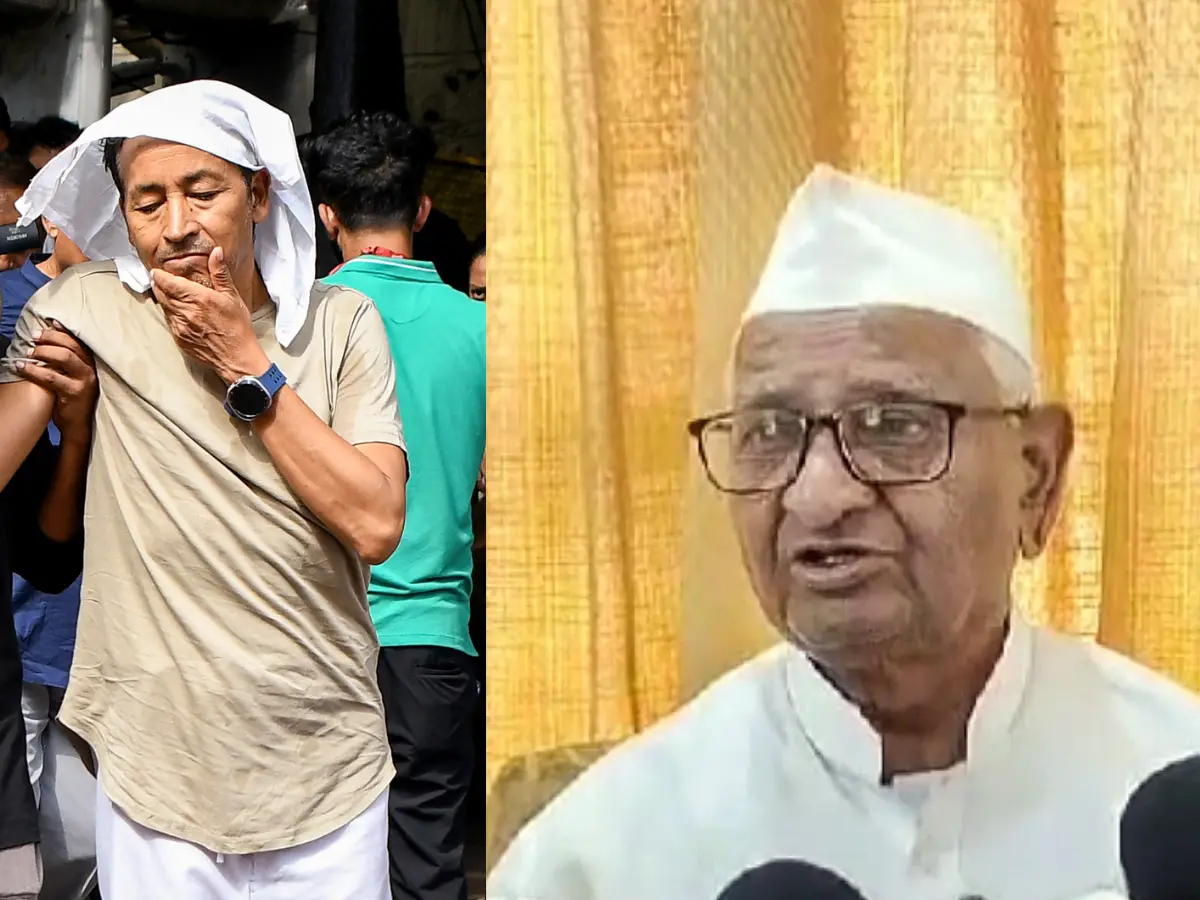)
'What is wrong...': Anna Hazare breaks silence on Sonam Wangchuk's protest, makes an appeal to Centre
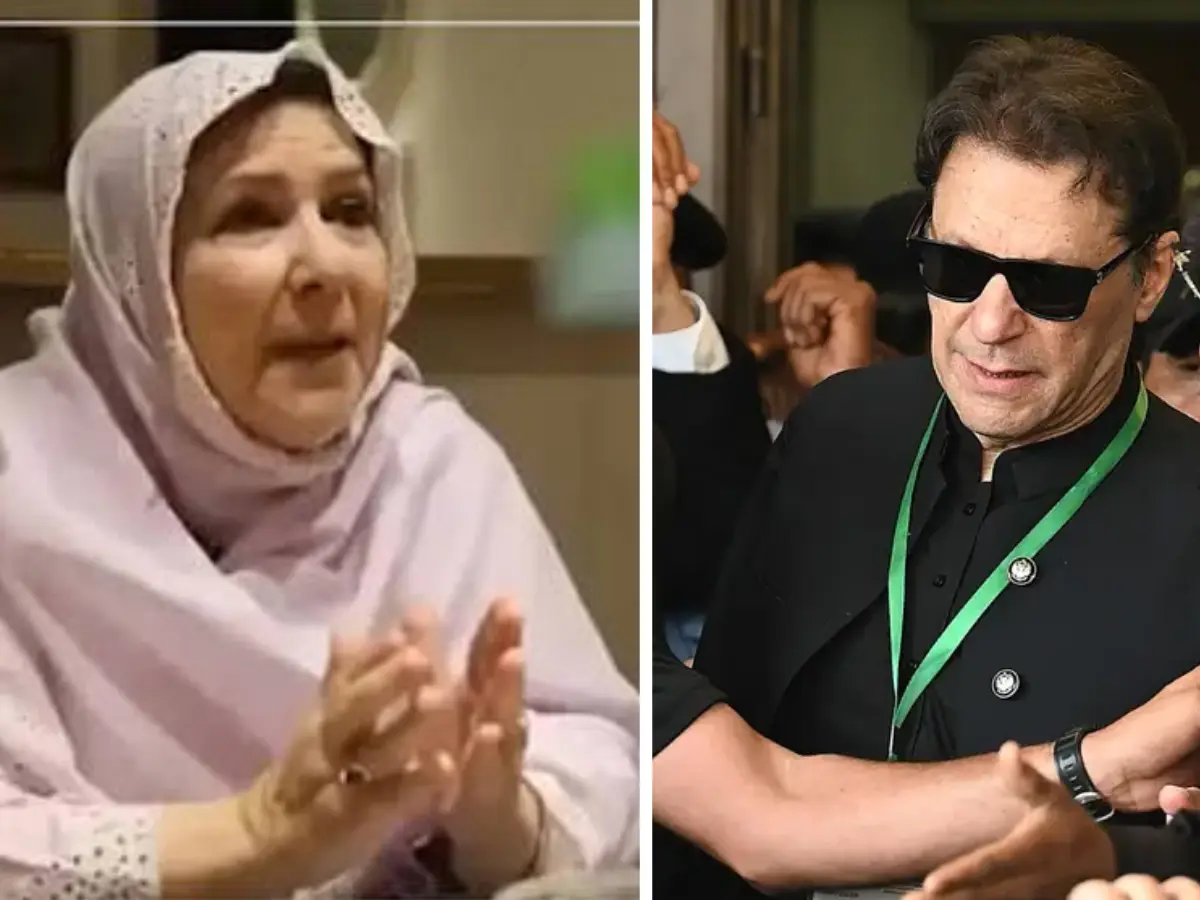)
Imran Khan's sister links India-Pakistan 2025 conflict to Israel recognition plans
&im=FitAndFill=(700,400))
Global air power ranking 2026: India surpasses China
)
Karoline Leavitt to be US Vice President when Usha Vance gives birth? JD Vance says...
)
'Could be bombed at any moment': What Iran's Araghchi told Trump envoy Witkoff during negotiations
&im=FitAndFill=(700,400))
2026 FIFA World Cup awards: Full list of Golden Boot, Golden Ball, Golden Glove and every major winner
&im=FitAndFill=(700,400))
FIFA World Cup 2026: 5 football stars who went viral on social media during the tournament
)
'There is no need for...': PM Modi takes a veiled dig at Rahul Gandhi, sends big message amid Parliament March
)
Tulsi Gabbard's brother Batarti accused of luring children to hotel room in Hawaii
)
Older than Himalayas: 85mn-year-old Kewra plant reached India 24mn years ago, fossil discovery in Assam shows
)
Sonam Wangchuk's connection with George Soros and Ford Foundation explained!
&im=FitAndFill=(700,400))
Why the F-22’s cockpit glass is thicker than a standard fighter jet
)
JD and Usha Vance welcome fourth child: Who serves as acting US vice president during Vance's paternity leave?
)
Maha CM Wife Amruta Fadnavis' Yoga Day appearance sparks social media debate over attire | Watch
Notably, the US President underlined that the instruction to the Department of Defence is contingent upon the continued success of these detailed and constructive meetings, which are scheduled to continue throughout the week.
However, Iran officially dismissed Donald Trump’s assertion that the two countries are engaged in “very good and productive” conversations to resolve the war.
The pause comes after 24 days of intense fighting, which began on February 28 following a joint US-Israeli bombing campaign that targeted top Iranian leadership, including the killing of Supreme Leader Ayatollah Ali Khamenei and senior security chief Ali Larijani, along with several high-ranking military commanders.
Despite the US and Israel targeting its leadership and critical infrastructure, Iran remains defiant. The country has adopted a tit-for-tat strategy, attacking oil and energy facilities across Gulf nations and surprising the US by targeting the Diego Garcia military base, around 4,000 km from Iran. This demonstrated Tehran’s missile capabilities, which the US had previously claimed were significantly reduced in its strikes.