Oil prices inch up as markets await Trump’s next move on Russia

&imwidth=600&imheight=450&format=webp&quality=medium "Oil prices inch up as markets await Trump’s next move on Russia")
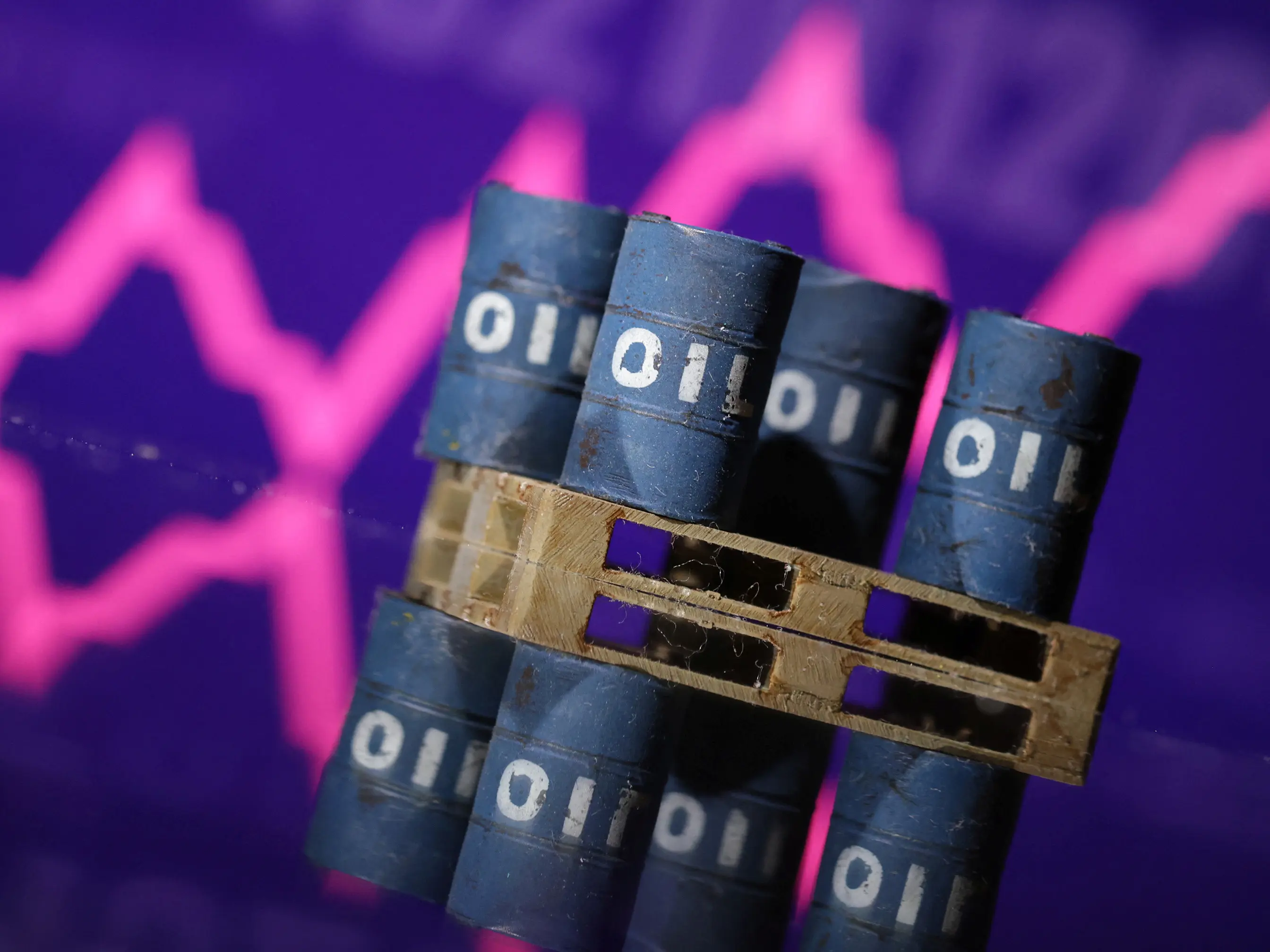
Miniatures of oil barrels and a rising stock graph are seen in this illustration. Photograph: (Reuters)
Oil prices rose slightly as traders brace for a potential US sanctions announcement on Russia, but gains are capped by rising Saudi output and uncertain demand.
Oil prices edged higher on Monday, extending last week’s gains, as traders kept watch for potential new sanctions on Russia from the United States that could disrupt global supply routes. But a mixed backdrop, including higher Saudi output and persistent tariff uncertainty kept investors cautious about the scale of any rally.
According to Reuters, Brent crude futures rose to around $70.51 a barrel in early Asian trading, while US West Texas Intermediate crude was near $68.59. Both benchmarks had surged more than two per cent on Friday, buoyed by expectations of tighter summer demand.
Spotlight on Trump’s Russia statement
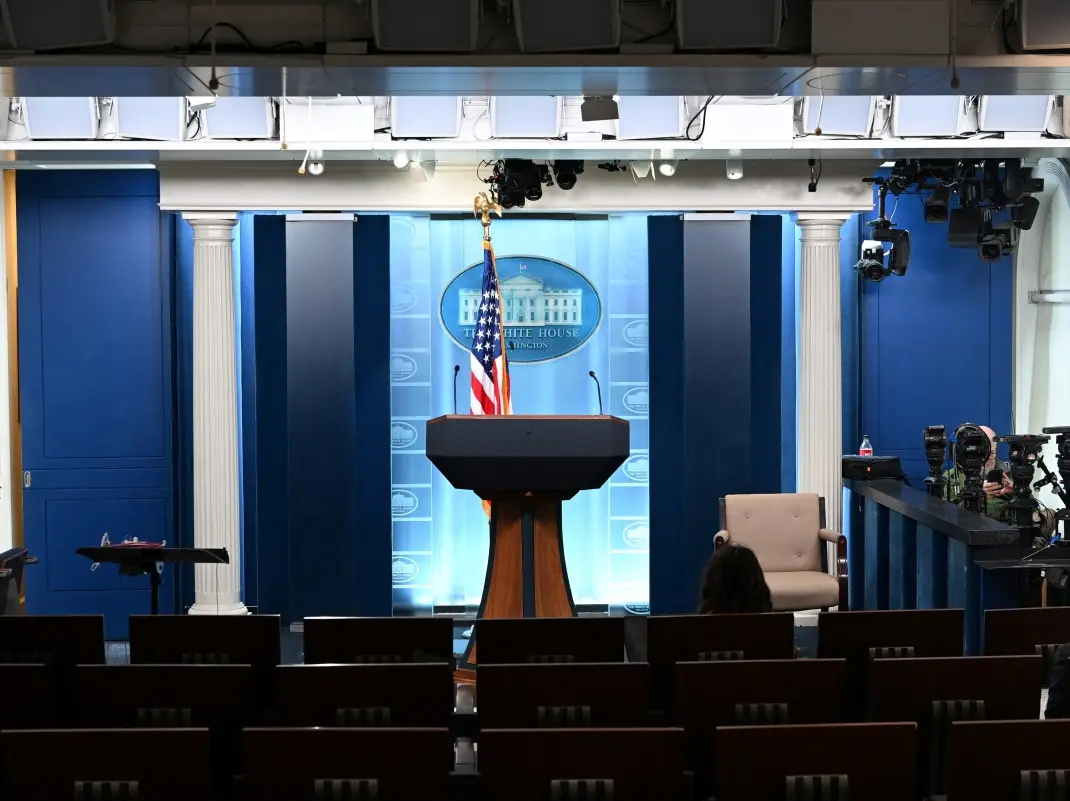
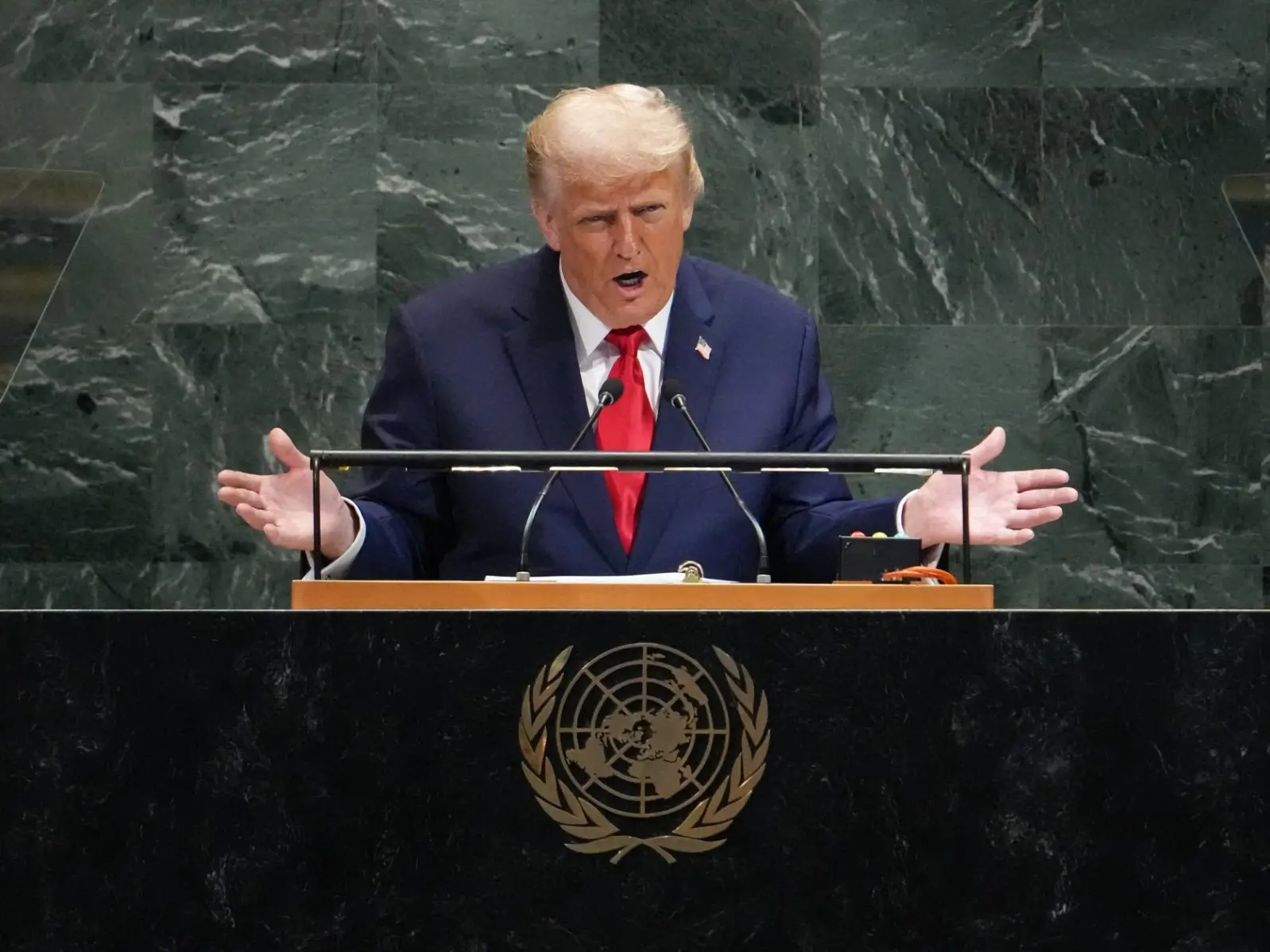
The market’s attention this week is firmly on Washington. As reported by Reuters, US President Donald Trump is expected to deliver what he called a “major statement” on Russia on Monday, following his announcement that the US will send Patriot air defence systems to Ukraine.
Trump has grown increasingly frustrated with Russian President Vladimir Putin, accusing Moscow of showing no genuine willingness to end its invasion of Ukraine and continuing bombardment of Ukrainian cities. According to Reuters, a bipartisan bill in the US Congress that would impose tougher sanctions on Russia gained momentum last week but still requires Trump’s backing to become law.
Meanwhile, four European Union sources told Reuters that EU envoys are on the verge of approving an 18th sanctions package against Russia. This package would include lowering the price cap on Russian oil exports, tightening Moscow’s ability to finance its war in Ukraine.
Trending Stories
)
)
)
)
)
)
)
)
)
)
)
)
)
)
)
&im=FitAndFill=(700,400))
)
)
)
)
)
)
)
)
)
&im=FitAndFill=(700,400))
)
)
)
)
)
)
)
)
)
)
)
Market faces push and pull
Even with geopolitical risks supporting prices, there are headwinds keeping the rally in check. As per Reuters, the International Energy Agency warned last week that the oil market might be tighter than it appears on the surface, with demand getting a lift from peak summer refinery runs and power generation needs. That dynamic helped Brent notch a three per cent weekly gain, with WTI up around 2.2 per cent.
But there is significant supply-side noise. Analysts at ANZ, quoted by Reuters, highlighted data showing Saudi Arabia lifted its output above its agreed OPEC+ quota in June. The IEA estimated that Riyadh’s production reached 9.8 million barrels per day, surpassing its target by more than 400,000 bpd.
Saudi Arabia’s energy ministry disputed that figure, telling Reuters on Friday it remained fully compliant with its voluntary target under the OPEC+ pact. It said Saudi-marketed crude supply in June was 9.352 million bpd, in line with the agreed quota.
China’s imports surge but raise questions
According to Reuters, China’s oil imports climbed 7.4 per cent in June from a year earlier to 49.89 million tonnes, around 12.14 million barrels per day, marking the highest daily rate since August 2023.
While this jump in demand has offered some bullish signals for traders, not all see it as sustainable. Reuters cited J.P. Morgan analysts warning that with China’s storage facilities at 95 per cent of their peak 2020 levels, much of this inventory may soon appear in “visible” Western markets that set global benchmarks, putting downward pressure on prices.
High stakes in the coming days
For oil markets, the next few days could prove pivotal. As Reuters notes, Trump’s looming statement on Russia has the potential to reshape the sanctions landscape, possibly disrupting Moscow’s energy exports and tightening supply at a moment of fragile demand recovery. At the same time, questions over Saudi production discipline, tariff uncertainty in global trade, and the risk of Chinese stockpiles flooding export markets all threaten to cap gains.
Investors are waiting for clarity from Washington, knowing that the interplay of geopolitics and market fundamentals in the coming weeks will likely set the tone for oil prices through the rest of 2025.