Japan to trim total govt bond issuance next fiscal year: Sources

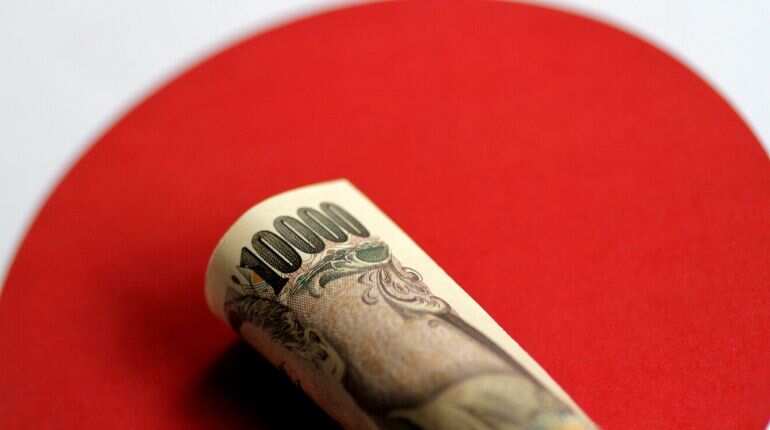
Japanese Yen Note
Japanplans totrimits overall governmentbondissuanceto the market by 0.5 per cent nextfiscalyearfrom currentyear's levels, government officials said on Wednesday, as Prime Minister Shinzo Abe balances supporting growth and reining in huge public debt.
The drop would mark the seventh straightyearof declines intotaldebtissuance, despite risingfiscalspending as worries grow that cooling global growth and the US-China trade war could hit corporate tax income in export-ledJapan.
The government is set to sell 128.8 trillion yen ($1.19 trillion) ofJapanese governmentbonds (JGBs) in thenextfiscalyearbeginning in April 2020, down from thisyear's 129.4 trillion yen, the two officials said on condition of anonymity because the plan has not yet been announced.

Of thetotal, the government is considering increasingissuanceof JGBs with maturity of 40years by 600 billion yen from the currentfiscalyearto 3 trillion yen, the officials said, in a nod to solid demand from investors hunting for yield amidyears of ultra-low interest rates.
Issuanceplans for other maturities will remain unchanged, they added.
Newbondissuancefornextfiscalyear, which excludesbonds issued to roll over those reaching maturity, will fall for the 10th straightyearto 32.56 trillion yen, versus thisfiscalyear's 32.7 trillion yen.
&imwidth=180&imheight=135&format=webp&quality=medium)
Why was CJP founder Abhijeet Dipke detained? What Delhi Police said
&imwidth=180&imheight=135&format=webp&quality=medium)
AUS vs SA 1st Test, Day 2: Renshaw shines with 190 as Australia dominate South Africa
&im=FitAndFill=(700,400)&imwidth=180&imheight=135&format=webp&quality=medium)
Happy Birthday Rekha: Watch these 7 evergreen Bollywood hits on Netflix, Prime Video and more
&imwidth=180&imheight=135&format=webp&quality=medium)
Hamas used double agents, deceived Israel to carry out October 7 massacre
&imwidth=180&imheight=135&format=webp&quality=medium)
‘Never-ending flow of cheap labour’: JD Vance hits back at Indian-origin Congresswoman over US green card curbs for major tech companies
&imwidth=180&imheight=135&format=webp&quality=medium)
Real or fake? PIB fact-checks protest videos; Delhi Police clarifies on Gurdwara Bangla Sahib clip
&imwidth=180&imheight=135&format=webp&quality=medium)
NIA files FIR in Flydubai hijack attempt and attack on Smit Machchhar, probes ‘larger conspiracy’
&imwidth=180&imheight=135&format=webp&quality=medium)
100,000 strikes in 3 years: How October 7 redefined Israel's war
&imwidth=180&imheight=135&format=webp&quality=medium)
Putin conveys Iran’s proposal to Trump, offers to take Tehran’s enriched uranium
&imwidth=180&imheight=135&format=webp&quality=medium)
Who is Ajinkya Shinde, announced to lead CJP protest after Dipke, Das and Ranka's detention?
&imwidth=180&imheight=135&format=webp&quality=medium)
Elon musk & India clash over Starlink's market entry terms
&imwidth=180&imheight=135&format=webp&quality=medium)
Portugal Federation confirms Cristiano Ronaldo’s return to national team despite suspension
&imwidth=180&imheight=135&format=webp&quality=medium)
US mid-term elections: What are PACs - Unique American System that lets corporates shape voting
&imwidth=180&imheight=135&format=webp&quality=medium)
‘Every game against Liverpool is special’: Erling Haaland ahead of Anfield clash
&imwidth=180&imheight=135&format=webp&quality=medium)
Panama president declares ‘major disaster’ after powerful 7.7-magnitude earthquake; over 80 aftershocks recorded
&imwidth=180&imheight=135&format=webp&quality=medium)
'It’s been 12 hours': CJP writes to Delhi Police, demands release of Dipke, Saurav Das and Ranka
&imwidth=180&imheight=135&format=webp&quality=medium)
‘Right to protest must be protected, but...’: Delhi Police reveals why it denied CJP permission for October 10 Jantar Mantar protest
&imwidth=180&imheight=135&format=webp&quality=medium)
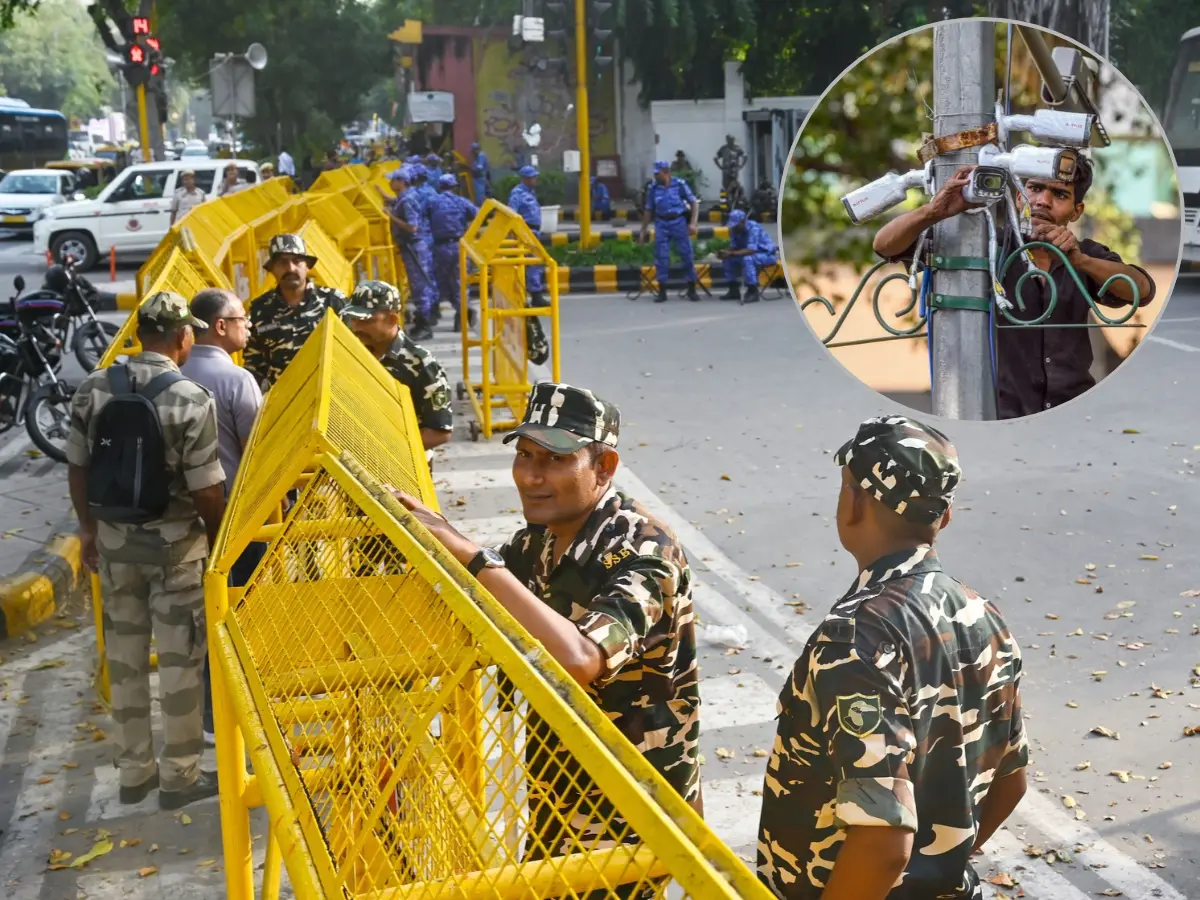
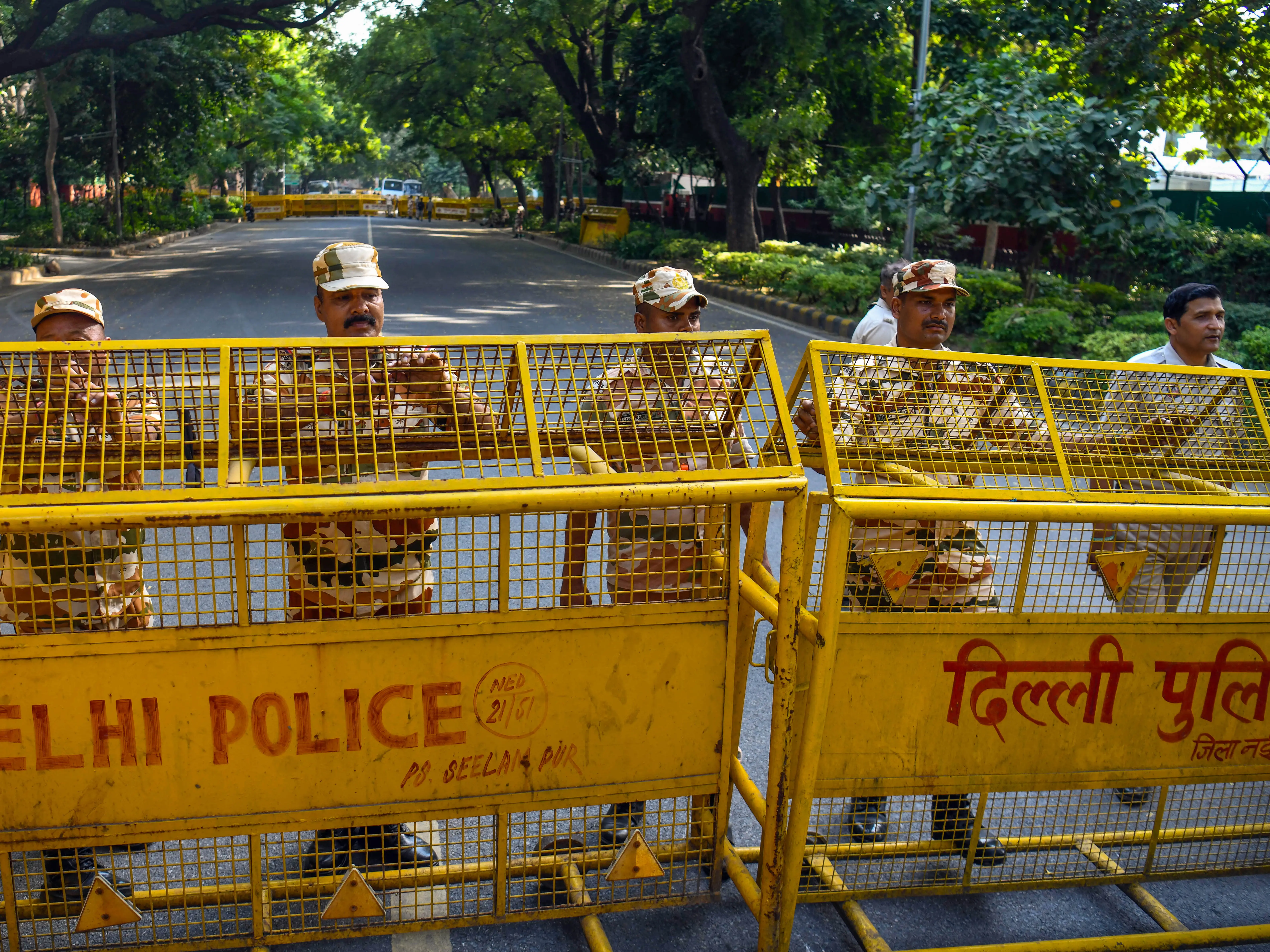
Delhi on high alert for CJP protest: Delhi police to use body cams to 'prove whether we did anything’; Pink Force, RAF, 35,000 personnel deployed
&imwidth=180&imheight=135&format=webp&quality=medium)
'I miss Manisha': When Nana Patekar barely held back tears while speaking about his breakup
&imwidth=180&imheight=135&format=webp&quality=medium)
Rahul Gandhi calls Modi, Shah ‘cowards’ amid CJP protest crackdown in Delhi
&imwidth=180&imheight=135&format=webp&quality=medium)
‘Time for Ukraine to get a new president’: Trump lashes out at Zelensky over Russia strikes
&imwidth=180&imheight=135&format=webp&quality=medium)
'Spent Rs 2,000 cr to elect Trump': Elon Musk bought US President's loyalty by writing the biggest political cheque in human history
&imwidth=180&imheight=135&format=webp&quality=medium)
Thai queen becomes first reigning monarch to fly jet solothailand #queen #wion
&imwidth=180&imheight=135&format=webp&quality=medium)
'Ouch!!! That must hurt': Kangana Ranaut hails Kamal Haasan's sharp reply to Elon Musk over Starlink row
&imwidth=180&imheight=135&format=webp&quality=medium)
All 22 Indian seafarers safe in attack on Panama-flagged tanker off UAE coast
&imwidth=180&imheight=135&format=webp&quality=medium)
INDIA bloc plans mega protest on Monday amid Delhi crackdown, Wangchuk's warns to launch 'padyatra'
&imwidth=180&imheight=135&format=webp&quality=medium)
Riyadh airport hit in missile attack, dozens injured; 5 in intensive care
&imwidth=180&imheight=135&format=webp&quality=medium)
BJP MP Ravi Shankar Prasad slams CJP protests, calls it 'shadow boxing for AAP'
&imwidth=180&imheight=135&format=webp&quality=medium)
‘Your people don’t even let us near it’: IAF chief’s blunt response on US F-35; India yet to decide on Russia’s Su-57
&imwidth=180&imheight=135&format=webp&quality=medium)
US midterm elections: Why Zohran Mamdani's influence could become a headache for Democrats and Republicans
&imwidth=180&imheight=135&format=webp&quality=medium)
Four years, 3 licenses, zero launch: Why is Elon Musk’s Starlink still struggling to crack Indian market? EXPLAINED
&im=FitAndFill=(700,400)&imwidth=180&imheight=135&format=webp&quality=medium)
Food shortages, suicide attempts and more: USS Abraham Lincoln returns to US after 321 day deployment — What happened aboard the US carrier?
&imwidth=180&imheight=135&format=webp&quality=medium)
'Jantar Mantar not the story of India': BJP's Sambit Patra claims 'anarchists' tried to hold Delhi captive
&imwidth=180&imheight=135&format=webp&quality=medium)
Powerful 7.7 magnitude earthquake strikes Panama, tsunami warning issued
The government is expected to approve its draft budget fornextfiscalyearon Friday.
The general-account budget will hit a record 102.66 trillion yen in spending due to increases in welfare to support the fast-ageing population as well as military outlay, according to the draft. Tax revenue is estimated at 63.51 trillion yen.
After peaking at a record 156.6 trillion yen issued infiscal2013, governmentbondissuancehas been declining, supporting Abe's arguments thatJapanis keeping itsfiscalhouse in order while boosting spending to reflate the economy.
The government has managed totrimthe amount of JGBs sold to the market in recentyears, partly by tapping funds raised in the past from "front-loading" JGBissuance, which took advantage of low borrowing costs.
Still,Japan's public debt is the highest among advanced economies andtotalspending undernextfiscalyear's budget is likely to hit a new record. And yet,bondyields have been kept low due to the Bank ofJapan's aggressive buying under a policy that caps 10-yeargovernmentbondyields around 0 per cent.
The BOJ's ultra-loose monetary policy has crushed yields across the curve, forcing investors to hoard super-long governmentbonds in search of higher returns.
Wary of the implications of a flattening yield curve on financial institutions' profits, BOJ Governor Haruhiko Kuroda has repeatedly warned against excessive falls in super-long yields.
The increase in supply of 40-yearbonds could alleviate the pain of investors, though many analysts doubt the effect on steepening the yield curve would be sustainable.