GST council to deliberate on taxation of insurance premium and online gaming

Nirmala Sitharaman
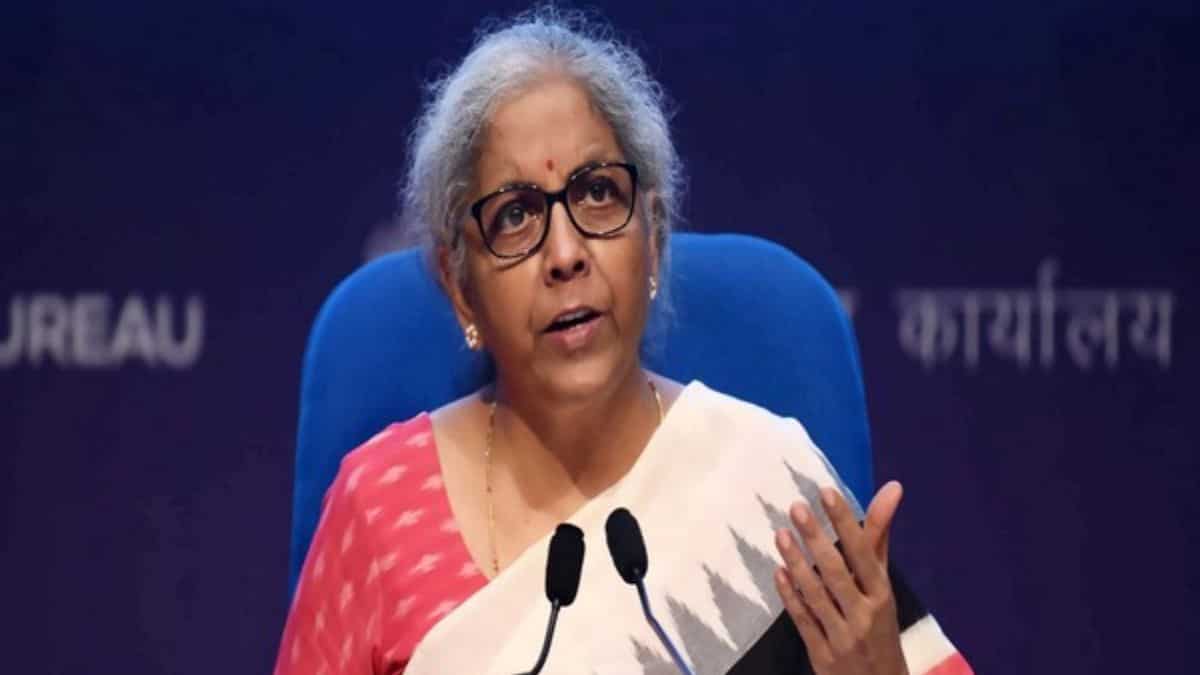
The Goods and Services Tax (GST) Council is gearing up for a crucial meeting where it will deliberate on the taxation of insurance premiums and online gaming, two sectors that have been under scrutiny for their tax implications. This discussion is expected to have far-reaching consequences for both the industries i.e., insurance and gaming, thus affecting consumers, businesses, and the overall economic landscape as detailed in a report by the Press Trust of India.
The Taxation of Insurance Premiums and Online Gaming
Insurance premiums have long been a subject of debate when it comes to GST. Currently, the GST rate on health insurance is 18 per cent, but there is a growing consensus that a uniform lower rate could simplify the tax structure and make it more affordable. The council will consider whether to impose a uniform GST rate on all types of insurance premiums, which could include life insurance, health insurance, and general insurance. More details on this particular issue will emerge as the meeting takes place.

The deliberations will also take place with regards to a GST cut on life insurance premiums. Notably, the Centre and states mopped up Rs 8,262.94 crore from GST on health insurance premiums and Rs 1,484.36 crore from GST on health reinsurance premiums, the PTI report added.
Implications of change in the Goods and Services Tax
For consumers, a change in the GST rate on insurance premiums could mean an increase or decrease in their premiums. For instance, if the GST rate is increased, consumers might see a rise in their insurance costs, which could be a deterrent for those already hesitant to invest in insurance products. On the other hand, a reduction in the GST rate could make insurance more affordable, potentially boosting the number of policyholders.
)
Pentagon revives mandatory testosterone testing for male troops aged 30 and above
)
FACT CHECK: Why did PM Modi ask Xi ‘is it okay’ at BRICS Summit? New video reveals...
)
India seeks to build a full semiconductor supply chain
&im=FitAndFill=(700,400))
From Abhishek Sharma to Sahil Chauhan, 5 batters with fastest T20I hundreds
)
Pyongyang dismisses US, western pressure over nuclear programme
)
US And Denmark reach Greenland deal, Trump announces expanded military presence
)
Google’s Gemini AI hacks real systems by guessing passwords during security test
)
US hiding troop deaths in Iran war? Toll higher than Pentagon count, claims report
)
China may have gained access to US's classified F-35 jets; parts meant for repairs diverted to Hong Kong, sparking Pentagon inquiry
)
NASA research plane reaches 61,000 feet over Panama
)
Godfather of AI Geoffrey Hinton gives US lawmakers a one-year warning on AI
)
Trump signs Russia sanctions law: India faces fresh 100% tariff threat over Russian oil
)
Brigitte Bardot’s private collection set for Paris auction; key items and prices revealed
)
Why Ranveer Singh’s Dhurandhar missed India’s Oscar entry; FFI jury member reveals what happened
)
Zendaya and Tom Holland step out for a low-key date in Los Angeles
)
‘Will go to any extent’: Pakistan vows to defend Saudi Arabia amid Houthi attacks
)
The Verdict | When precision fails: US commits war crime in Minab school strike, UN finds
)
Trump signs Russia sanctions bill into law, targets Moscow’s energy sector
66 years of the Indus Waters Treaty: How India and Pakistan settled a bitter river dispute
&im=FitAndFill=(700,400))
New Friday OTT releases (September 18, 2026): Lust Stories 3, You+Me, Best of the Best- 8 new titles coming on Netflix, Prime Video and more
)
Pak: A series of counter terrorism operations in Khyber Pakhtunkhwa
)
Fast bowler Brydon Carse faces no charges over Derby nightclub incident
)
Flying cars in UAE: Ras Al Khaimah signs deal with Chinese company to test new transport
)
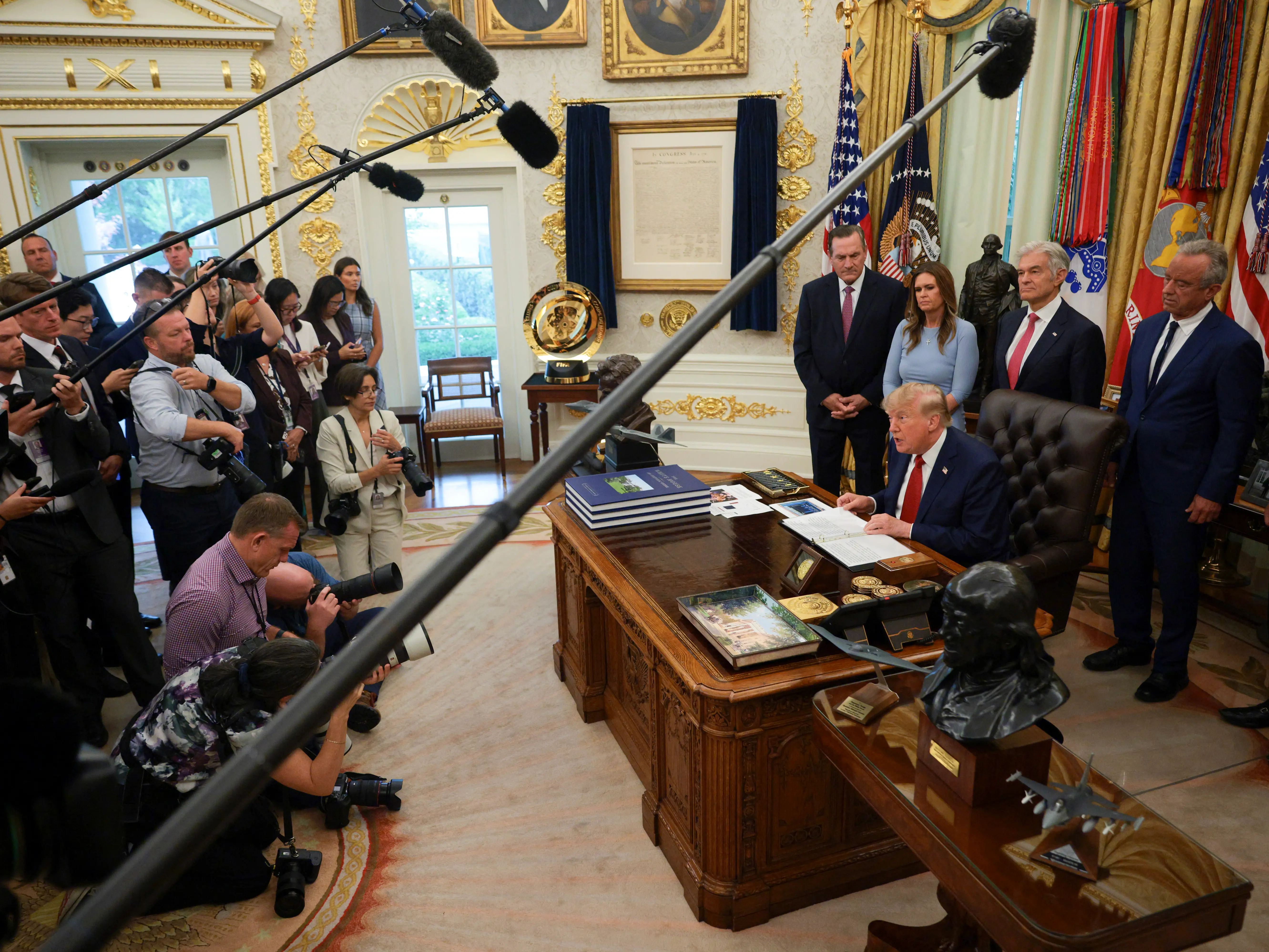
Africa is splitting, and a lot sooner than estimated, giving way to a new ocean
)
Trump bans CNN, MS NOW and Politico from White House over ‘FAKE NEWS’
)
Trump 2.0: Dark days ahead for America’s ‘imperial presidency’
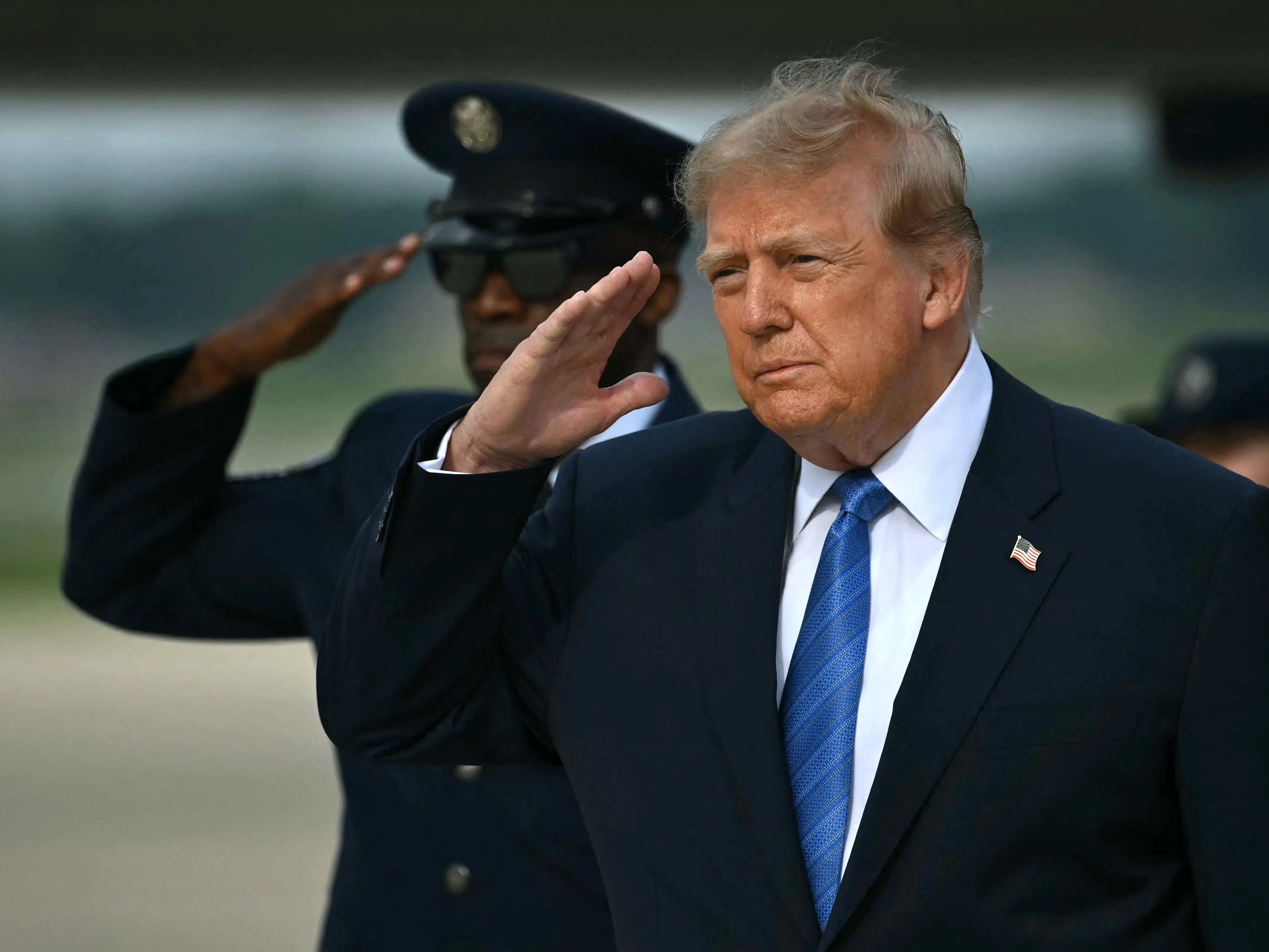)
Trump's Greenland dream comes true? POTUS announces 'Infinite Life' deal with Denmark, claims permanent US control
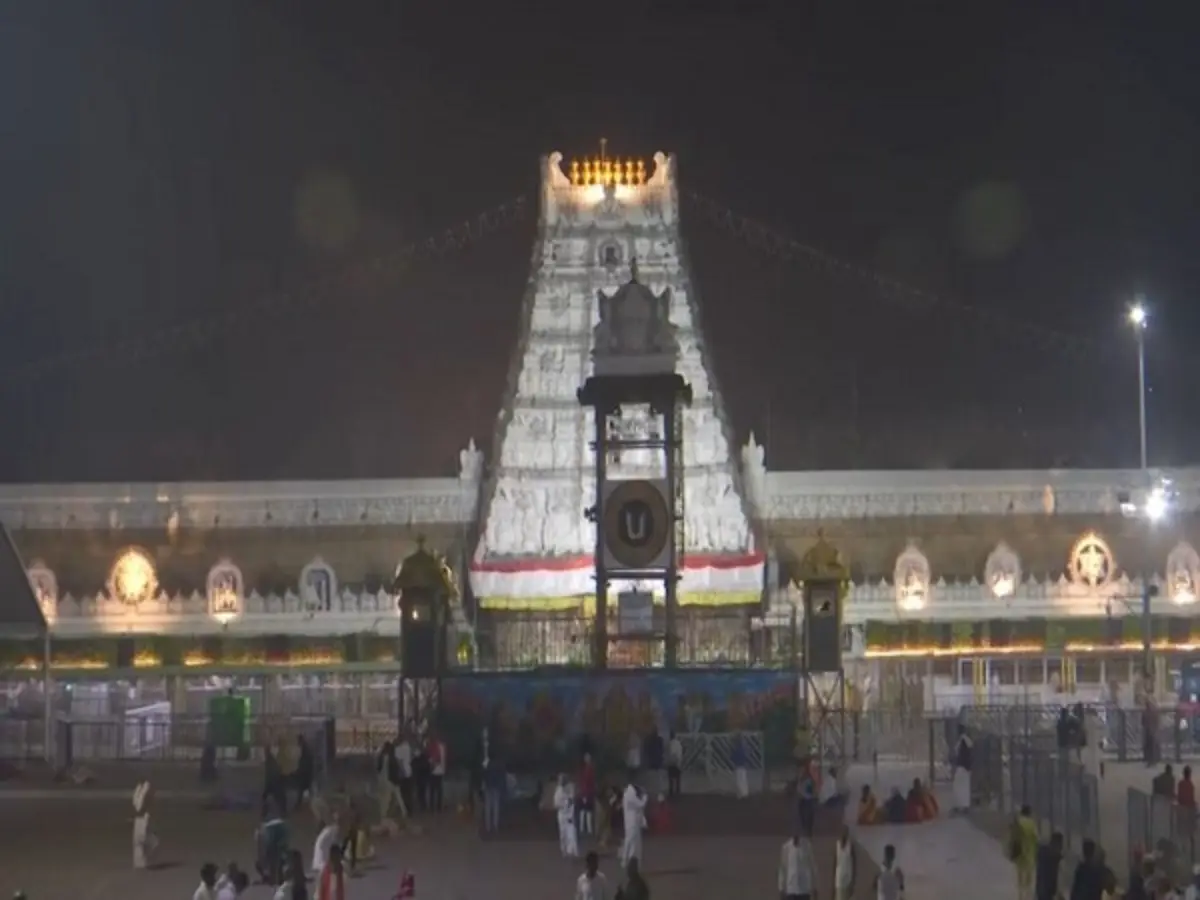)
Tirupati Laddu ghee adulterated with chemicals, says ED, supplier arrested
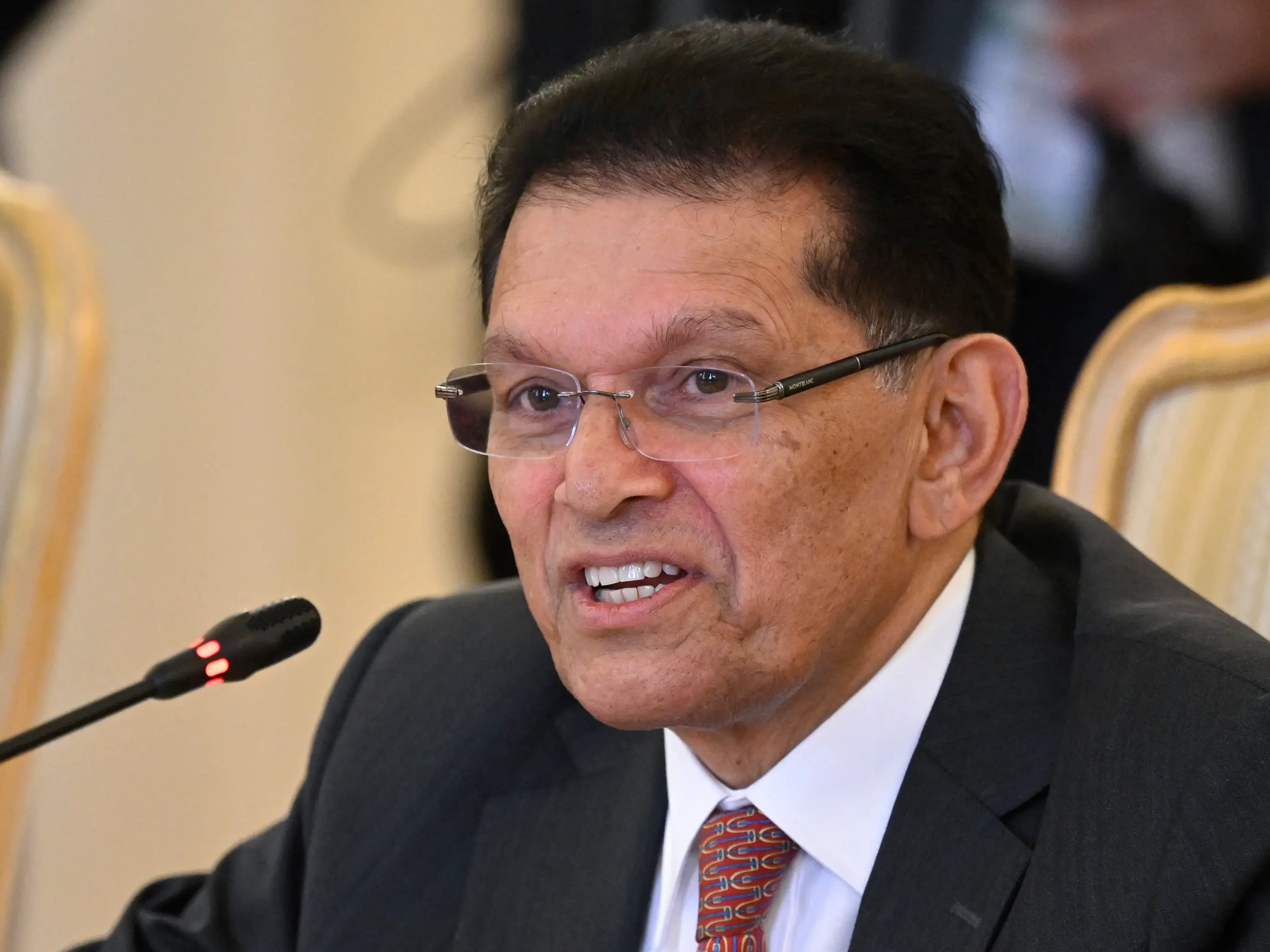)
Who is Khalilur Rahman? All you need to know about 81st UN General Assembly President
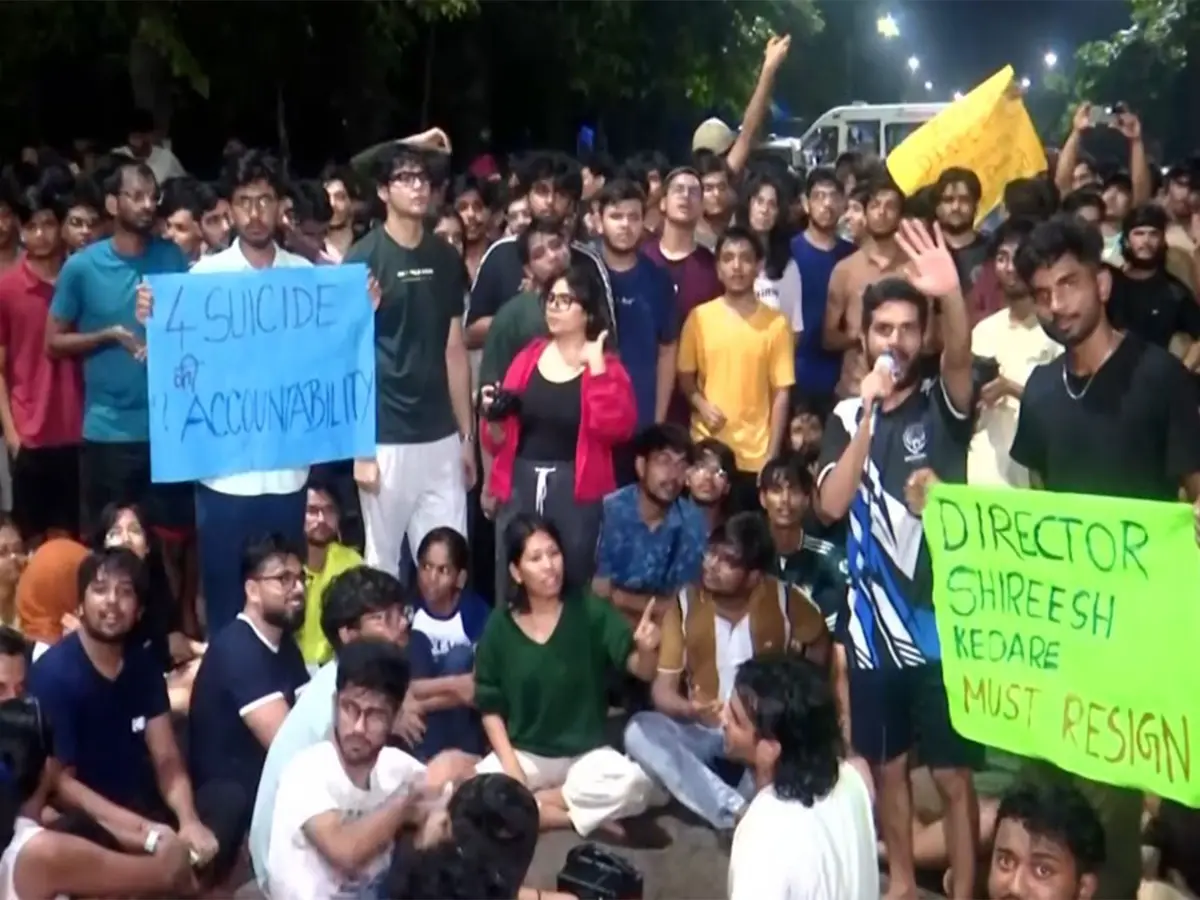)
IIT Bombay student dies by suicide, was caught seeking AI help during exams
&im=FitAndFill=(700,400))
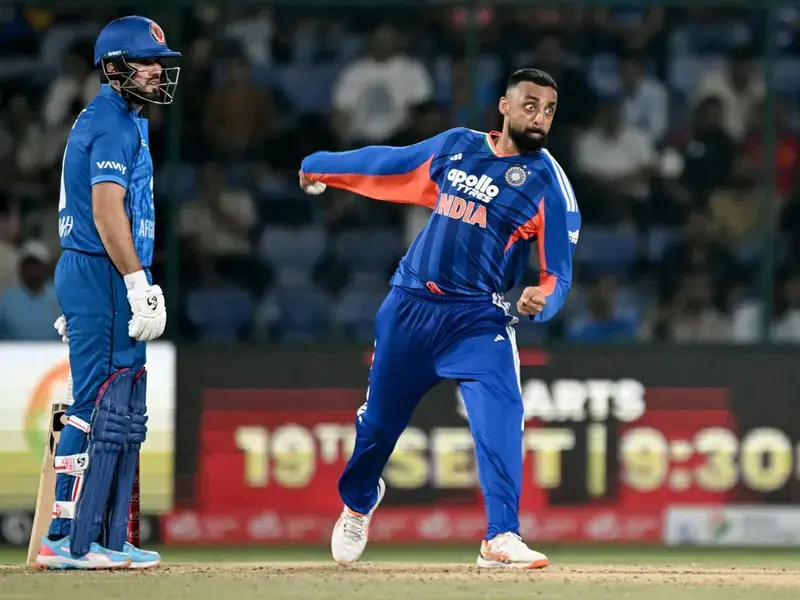
Meet top 5 bowlers in latest ICC T20I rankings
)
Indian Cinema bets big on mythology, brings ancient stories to modern audiences
)
Ukraine plans record $109 bn defence spending, nearly two thirds of budget amid Russia war
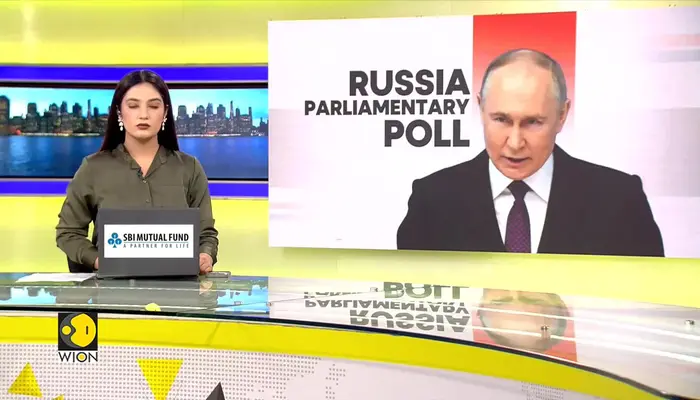)
Russia holds first parliamentary elections since the beginning of the Ukraine war
&im=FitAndFill=(700,400))
Meet top 5 Indian batters with fastest T20I centuries
)
Further, online gaming has emerged as a significant sector in recent years, with millions of users engaging in various forms of digital entertainment. However, the taxation of online gaming has been a contentious issue. Since October last year, the government has imposed 28 per cent GST on entry-level bets placed on online gaming platforms and casinos. In its August 2023 meet, the GST Council recommended the tax levy, which was subsequently amended into the Central GST law to make the provision clear, the report added.
The GST Council will hence discuss whether to impose a GST on the gross gaming revenue or the net gaming revenue. This distinction is crucial because it affects how much tax operators will have to pay.
If the council decides to tax the gross gaming revenue, it could lead to higher tax liabilities for online gaming operators. This might result in higher costs for players, as operators could pass on the increased tax burden. Conversely, taxing the net gaming revenue could be more favorable for operators, potentially leading to more competitive pricing and better user experiences.
Impact on the industry and consumers
The decisions made by the GST Council will have profound implications for both the insurance and online gaming industries. For insurance companies, a uniform GST rate could streamline their operations and reduce compliance costs. However, it could also impact their profitability if the rate is set too high.
For online gaming operators, the tax structure will determine their operational costs and profitability. A favorable tax regime could encourage more investment in the sector, leading to better services and more job opportunities. However, an unfavorable regime could stifle growth and drive operators to seek more tax-friendly jurisdictions.
Further, consumers will be closely watching the outcomes of this meeting, as it will directly affect their wallets. For insurance policyholders, any change in the GST rate will impact their premiums. For online gamers, the tax structure could influence the cost of playing and the variety of games available.
In addition to the financial implications, consumers are also concerned about the fairness and transparency of the tax system. A clear and consistent tax policy can build trust and encourage more people to engage with these services.
Therefore, it is to be noted that the upcoming GST Council meeting is a critical juncture for the insurance and online gaming sectors. The decisions made will shape the future of these industries and have a direct impact on consumers. As the council deliberates, it must balance the need for revenue generation with the need to promote growth and consumer welfare. The outcome will be closely watched by stakeholders across the board, as it sets the stage for the future of taxation in these dynamic sectors.
