Green growth: Navigating sustainability costs for a thriving future

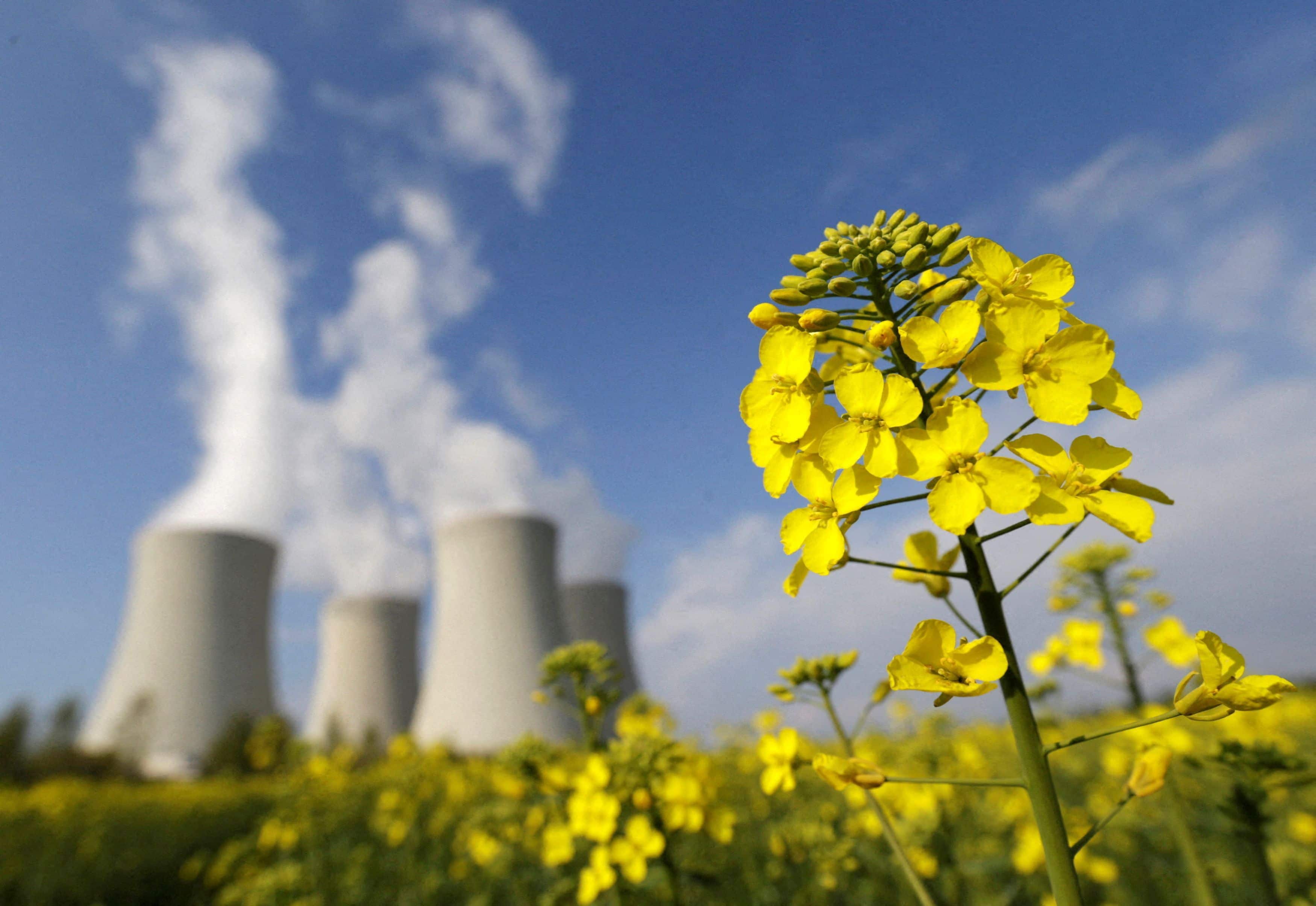
A mustard field is seen in front of the cooling towers
For years, "green" items have been in high demand in the market, and companies have been searching for innovative methods to meet consumer demand.
Sustainability is one of the methods.
Sustainability refers to our ability to use the resources available to us today in a manner that does not prevent future generations from meeting their needs.

Now, imagine "Mycelium Marketplace", a vibrant online store that's not just selling products, it's growing them! This business utilises the power of mycelium, the root network of mushrooms, to create sustainable alternatives.
Products from nature's recyclers
Mycelium Marketplace offers packing peanuts, insulation panels, and even stylish shoes – all crafted from mycelium fed on agricultural waste! It diverts waste from landfills while creating eco-friendly products that decompose naturally.
)
Nigeria: Protesters take to the streets, police fire shots
)
US-Iran war: Tehran draws red lines — seven demands before any peace talks
)
Russia-Europe tensions: Polish PM warns Russian attacks could test NATO's unity
&im=FitAndFill=(700,400))
‘Not the US or China’: These are the countries leading the world in arable land
)
EXCLUSIVE | Singer Hanita Bhambri on her Toxic debut, working with Vishal Mishra and more
)
Mark Carney mimics Trump in hilarious moment over C$70 billion clean-energy investment; room erupts in laughter
)
Delhi voter roll shake-up: 3.31 million electors flagged in SIR review
)
Aravana prasadam shortage at Sabarimala temple in Kerala triggers protests, TDB questioned
)
‘End of my career...’: NSA Doval recalls tense Sikkim mission when China captured Indian intelligence team
)
Report: Iran rebuilding Taleghan 2, nuclear site tied to past weapons research, hit twice by Israel
)
Trump defends AI amid growing alarm, announces new 'AI force' and promises an 'AI czar'
)
Iran sets 7 conditions to end war with US: What are Tehran’s demands?
)
Trump announces ‘AI Force’ as debate grows over AI risks and regulation
)
China may have gained access to US's classified F-35 jets; parts meant for repairs diverted to Hong Kong, sparking Pentagon inquiry
)
Gaza under attack: Health chief's son killed in IDF strikes
)
Man breaks open wall hiding hundreds of books since 15 years
)
Arvind Kejriwal, family members, Delhi CM Rekha Gupta get SIR notices
)
AI actress Tilly Norwood glitches mid-interview, switches from English to Chinese | Watch
)
Saudi vs Houthis: Houthis claim missiles & drones used in attack on key Saudi sites
)
Ed Sheeran addresses Macklemore's removal, Gaza conflict during Philadelphia concert: 'I cannot hide how I feel'
)
Nepal forms 7-member panel to probe August 26 Bhotekoshi flood from source to downstream
)
‘Will go to any extent’: Pakistan vows to defend Saudi Arabia amid Houthi attacks
66 years of the Indus Waters Treaty: How India and Pakistan settled a bitter river dispute
)
The Verdict | When precision fails: US commits war crime in Minab school strike, UN finds
)
9 women found dead near Johannesburg: South Africans rally, demand 'enough' to femicide
)
Kampala-Ankara rift deepens: Uganda suspends military ties, seeks Fred Lumbuye's extradition
)
Several petrol pumps, other businesses to refuse UPI payments above Rs 2,000 from Oct 16: Is it legal?
)
US-Iran war: Tehran sets seven conditions to re-engage in talks with US
)
Reacher star Alan Ritchson opens up about alleged blackmail, suicide attempt during difficult period
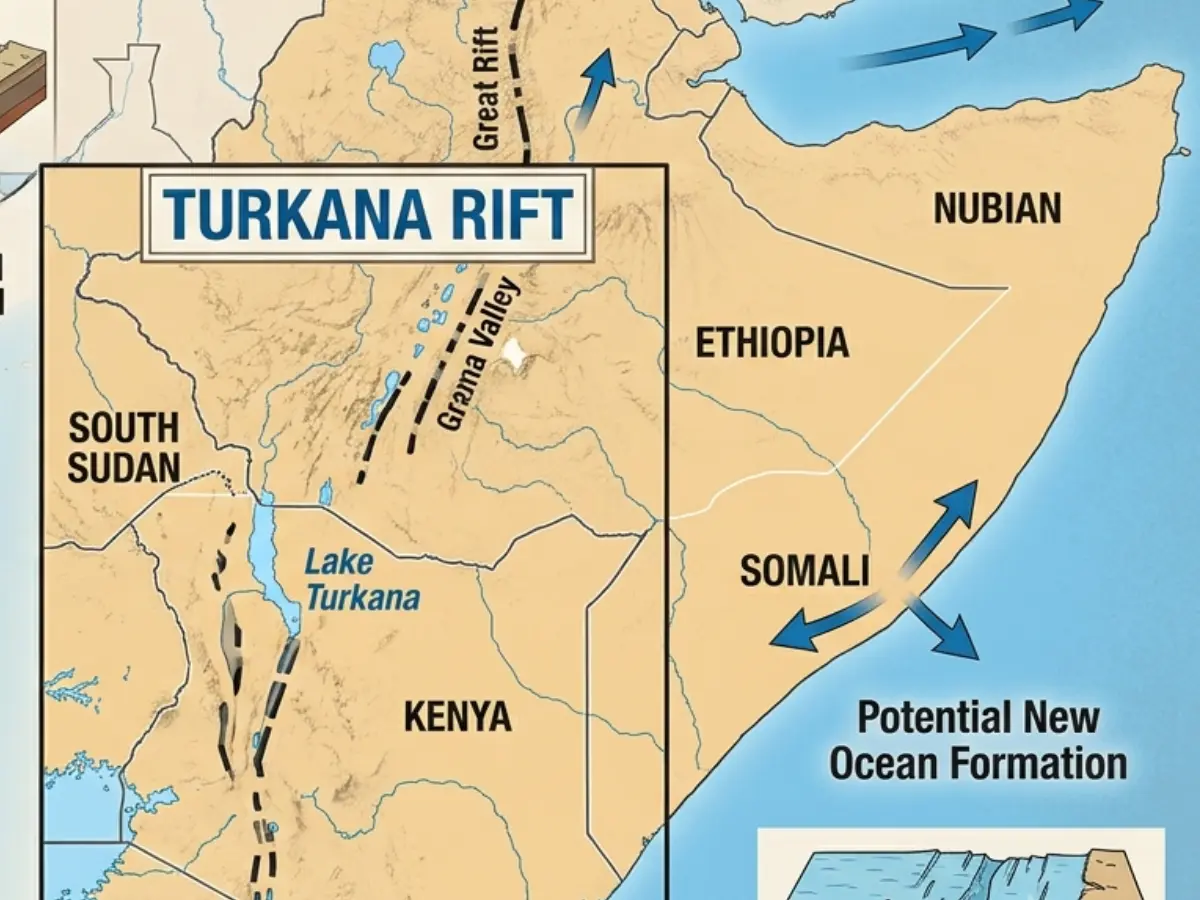)
Africa is splitting, and a lot sooner than estimated, giving way to a new ocean
)
Flying cars in UAE: Ras Al Khaimah signs deal with Chinese company to test new transport
)
West Indies Squad for India Series: Hetmyer included for T20Is, Holder rested
)
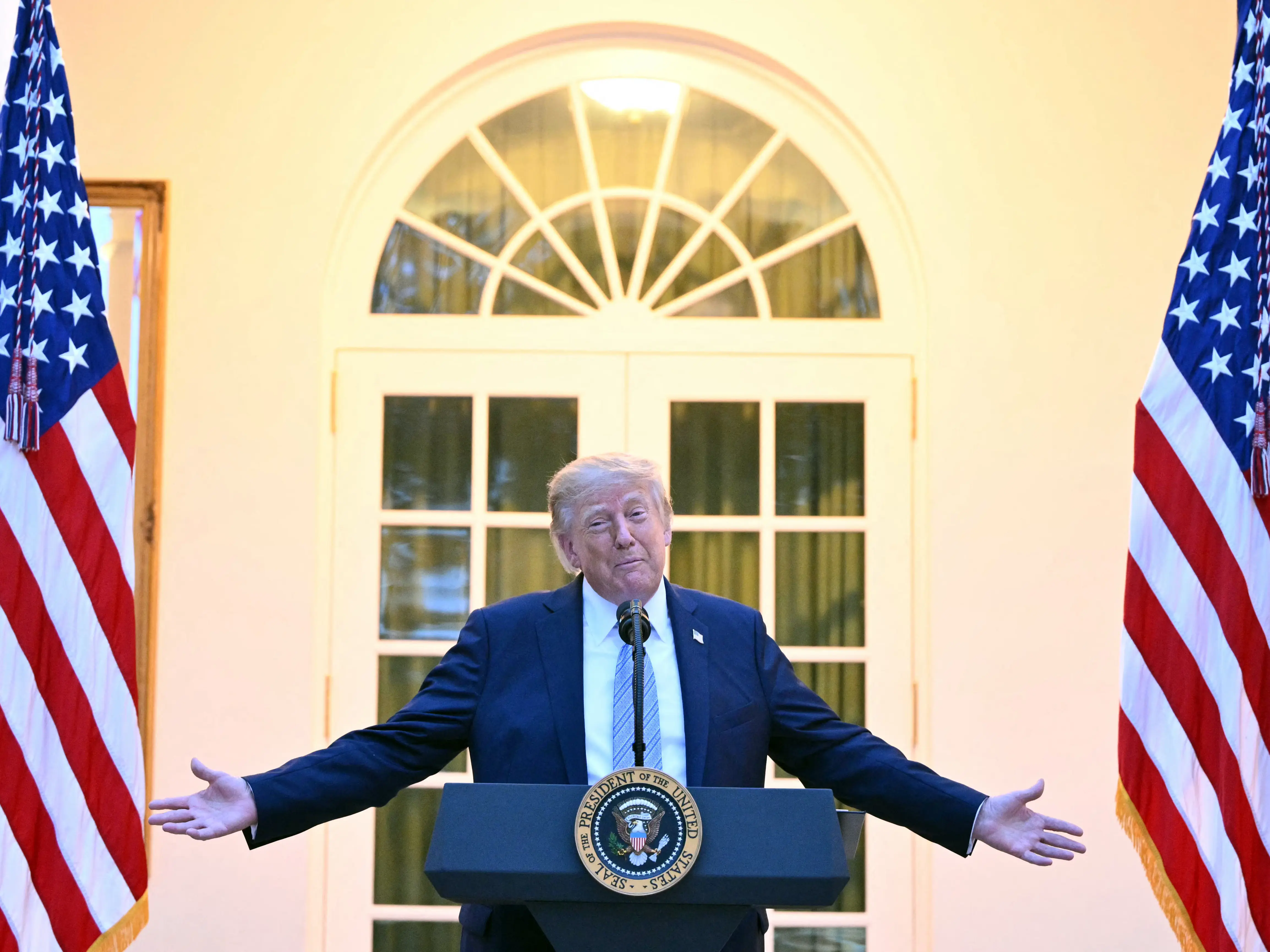
Trump bans CNN, MS NOW and Politico from White House over ‘FAKE NEWS’
)
Trump 2.0: Dark days ahead for America’s ‘imperial presidency’
&im=FitAndFill=(700,400))
How many F-35s does Britain, Japan and Israel have?
)
Harry Brook targets long reign at top of T20I rankings after Sri Lanka sweep
)
Russia's deadly Ukraine strikes kill 2 in Sumy, hit Dnipro mall
)
Russia holds first parliamentary elections since the beginning of the Ukraine war
&im=FitAndFill=(700,400))
Meet top 5 Indian batters with fastest T20I centuries
)
Grow-your-own kits
Craving fresh herbs? Mycelium Marketplace delivers! Their unique kits provide pre-inoculated, recycled paper pots filled with organic matter. Simply add water, watch the mycelium colonise, and harvest your delicious herbs at home – zero plastic waste involved!
Community focus
Partnering with local farms, the marketplace helps reduce transportation emissions and supports sustainable agriculture. They also offer workshops on growing your mycelium products, fostering a community passionate about a greener future.
Mycelium Marketplace isn't just selling products, it's cultivating a new way of thinking, one where business and sustainability grow hand-in-hand.
Sustainable sourcing: A way for small enterprises to contribute to a better future
Sustainability is key for businesses today. Global business-to-business (B2B) e-commerce giant Alibaba's internal statistics indicate that the number of Request for Quotations (RFQs) using phrases like "sustainable", "eco-friendly", "biodegradable", and "renewable" has increased by 23% year over year (YoY).
Several industries have seen a rise in these queries, including clothing and accessories (61% YoY increase), children's toys (30% YoY increase), and electrical components (26% YoY increase).
Setting yourself distinct may be challenging for many firms, especially smaller ones, as some product categories are becoming oversaturated with sustainable items. So how can you make your company stand out from the competition? The first step is to extend your product-specific sustainability activities.
To do this, businesses can use online platforms like Alibaba.com to find green-sourcing partners. These sites make it easier to choose suppliers, check if they are green, and talk directly with them.
Marketing is important too in showing off a business's green steps. Using simple words to share info from suppliers, and pointing out how the product is good for both people and the planet, are smart moves.
But does adopting green practices come at a higher cost to companies?
In recent years, sustainability has become a global priority, reshaping operations for businesses, governments, and individuals. Now let's delve into the complexities of sustainability costs and how stakeholders manage them.
Economic Needs
It’s key to match caring for the planet with keeping costs doable. Money put into green tech might be big at first but pays off with better energy use and less waste over time. This makes sure businesses can keep going even when the world changes.
Supply Costs and Making Products
Going green shapes how we get stuff and make it, even if it costs more at first. But, doing this meets the want of people who care about the planet, making a brand look good and stay ahead in the long run.
Rules and Risks
Keeping up with tough green rules costs money and means big changes to lessen risks from the climate and breaks in getting goods.
What People Want and Market Shifts
Because people know more, companies spend on green ways to open new chances and grow, despite the starting costs.
Tech and New Ideas
Even if it costs a lot to start, new green tech can save money later as it gets better, making a company lead in being green.
People and Culture
Being green helps places by being fair in work and caring for nature, though it might mean training workers again.
Learning and Knowing
Putting money into teaching and making people aware helps everyone move to a greener future.
Working Together Worldwide
Working with others across the world and putting money into studies is vital to solving big green issues, even if it's hard because of money and world politics.
Ultimately, with sustainability becoming a prominent topic in worldwide discussions, companies face the task of harmonising environmental consciousness with financial stability.
Although implementing eco-friendly measures may appear costly at first, the benefits in the long term are evident in increased productivity, less wastage, and a stronger brand image.
Through adopting sustainable sourcing practices, creative marketing approaches, and incorporating green technologies, businesses can remain competitive in a market where consumers are increasingly opting for environmentally friendly goods.
Regardless of the hurdles and expenses initially involved, the transition towards sustainability is crucial for constructing a durable and accountable future for succeeding generations.
