China’s first RRR cut for financial institutions in 2025 takes effect amid trump tariff fiasco

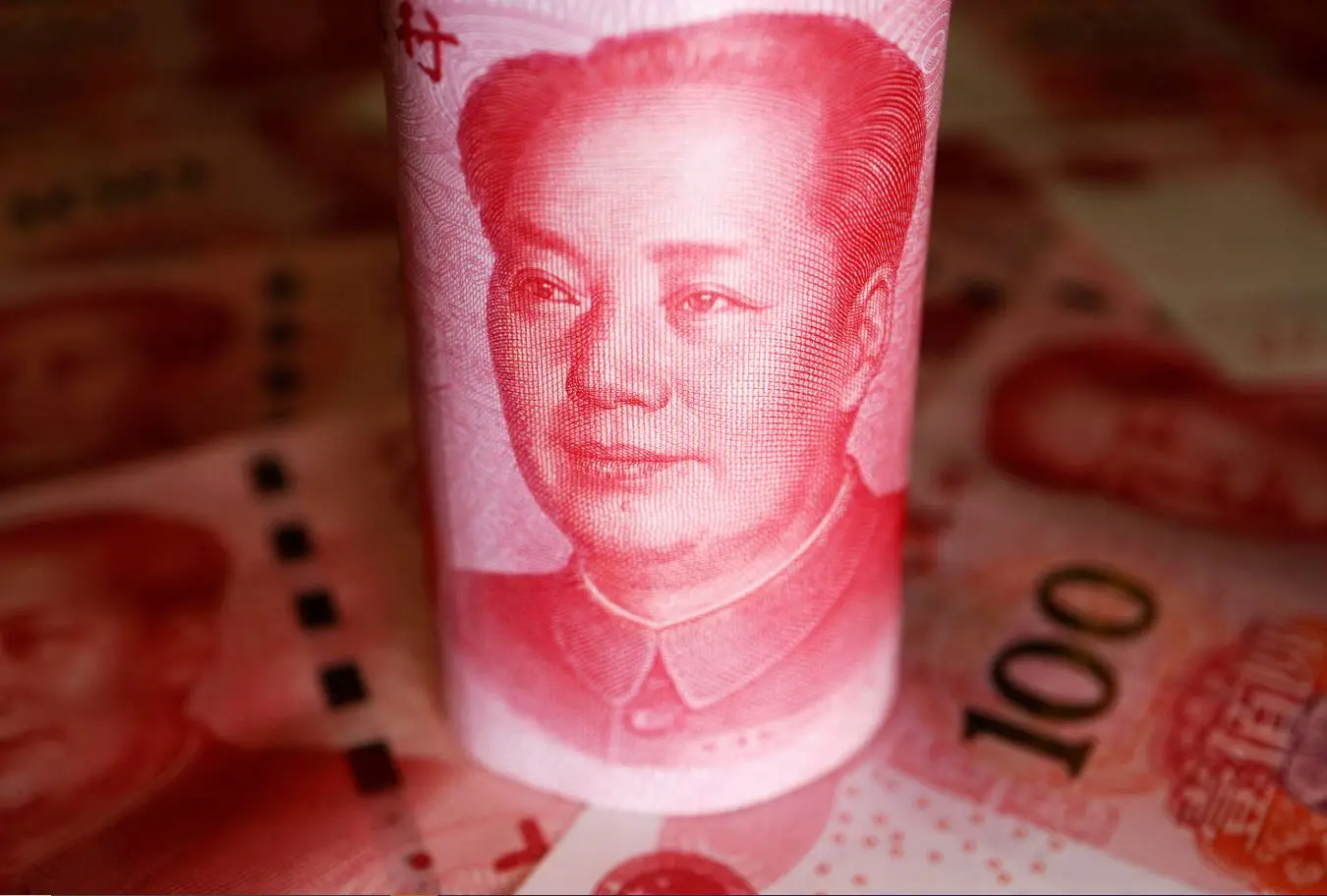
Business & Economy: This strategic move is expected to infuse approximately trillion yuan, equivalent to about billion US dollars, into the banking system, fostering long-term stability.
In a decisive move to stabilise its economy and shore up domestic demand, China's first reserve requirement ratio (RRR) cut of 2025 came into effect as re0ported by Reuters. The People’s Bank of China (PBOC) slashed the RRR by 0.5 percentage points for eligible financial institutions, a step that will inject roughly 1 trillion yuan (about 139 billion US dollars) of long-term liquidity into the banking system.
The RRR cut, which took effect on May 15, is expected to reduce borrowing costs, ease liquidity pressures in the financial sector, and boost lending to businesses and consumers. The central bank also reduced the RRR to zero for auto financing and financial leasing companies, a move aimed at stimulating spending on vehicles and equipment upgrades.
This is part of a broader package of monetary easing measures announced earlier this month, including a 10-basis point reduction in the 7-day reverse repo rate to 1.40 per cent and increased support through targeted relending facilities.

The stimulus measures also include expanded equity investment capacity for insurance companies by 60 billion yuan, mortgage rate reductions for certain homebuyers, and new relending tools to support tech bond purchases and elderly care investments.
Why Now?
The RRR cut appears strategically timed, comes just days after high-stakes trade talks between Chinese officials and a US delegation led by Treasury Secretary Scott Bessent and chief trade negotiator Jamieson Greer took place in Switzerland.
)
Why asking questions could be more important than memorising answers
)
Did Iran President Pezeshkian touch feet of Hindu spiritual leader at Delhi event as shown in viral video?
&im=FitAndFill=(700,400))
Meet top 5 batters fastest to 3000 runs in T20Is
)
BRICS Summit 2026: PM Modi addresses Day 2 of 18th BRICS summit
)
9-year-old Chennai prodigy clears Cambridge IGCSE grade 10 exams
)
PM Modi and China's Xi offered to help resolve Russia-Ukraine war: Kremlin
)
BRICS Summit 2026: Consensus on joint declaration, diplomatic win for India
)
Why does your skin need protection from UV rays?
&im=FitAndFill=(700,400))
Why do air defence missiles explode near their target instead of hitting it?
)
Celine Dion makes emotional stage comeback after six years: 'I'm so delighted to see you'
)
War is making Russia stronger? How Ukraine is shaping Moscow’s next generation of weapons
)
Could staying indoors all day affect your health?
)
BRICS Summit day 1: New Delhi declaration adopted with full consensus, big diplomatic win for India
)
Why do wild animals need quiet places to survive?
)
BRICS Summit 2026: Chinese president Xi Jinping departs from New Delhi after attending BRICS summit
)
Russian drone hits Warsaw-bound train near Polish border, Zelensky accuses Moscow of ‘deliberate’ targeting
)
'Iran won't surrender': Pezeshkian sends blunt message to US while attending BRICS Summit in India
)
BRICS Summit 2026: PM Modi to hold bilateral with leaders of seven countries
)
‘Partners, not rivals’: Xi outlines four point plan for stronger India-China ties
&im=FitAndFill=(700,400))
Why Chinese PL-15 air-to-air missiles use dual-pulse motors compared to European interceptors
)
Why does your body need time to adjust after a long journey?
)
Why going digital does not always mean becoming more efficient
)
'He is popular...': Malaysian PM Anwar Ibrahim's praise for PM Modi during bilateral meeting | WATCH
)
Who is the smiling man beside Modi, Putin and Xi at BRICS Summit 2026?
)
Migration protests return to Portsmouth as rival demonstrations face off
)
Osama Bin Laden ‘planned’ to target India, CIA reveals dozens of declassified documents
)
BRICS Summit 2026: PM Modi, Xi reach key consensus on ties, China to assume BRICS chairmanship in 2027
)
BRICS Summit 2026: Global leaders of BRICS nations attend main open session
)
From severe mobility problems to recovery: Madhuri the elephant’s journey of wildlife care
)
Bigg Boss 20: Qazi Touqeer gets a special ‘rockstar’ moment from Salman Khan
)
Ramanathaswamy temple takes centre stage as PM Modi welcomes world leaders at BRICS
)
IND vs AFG, 1st T20I: When and where to watch live streaming in India?
)
Top 5 places to visit in Goa beyond its famous beaches
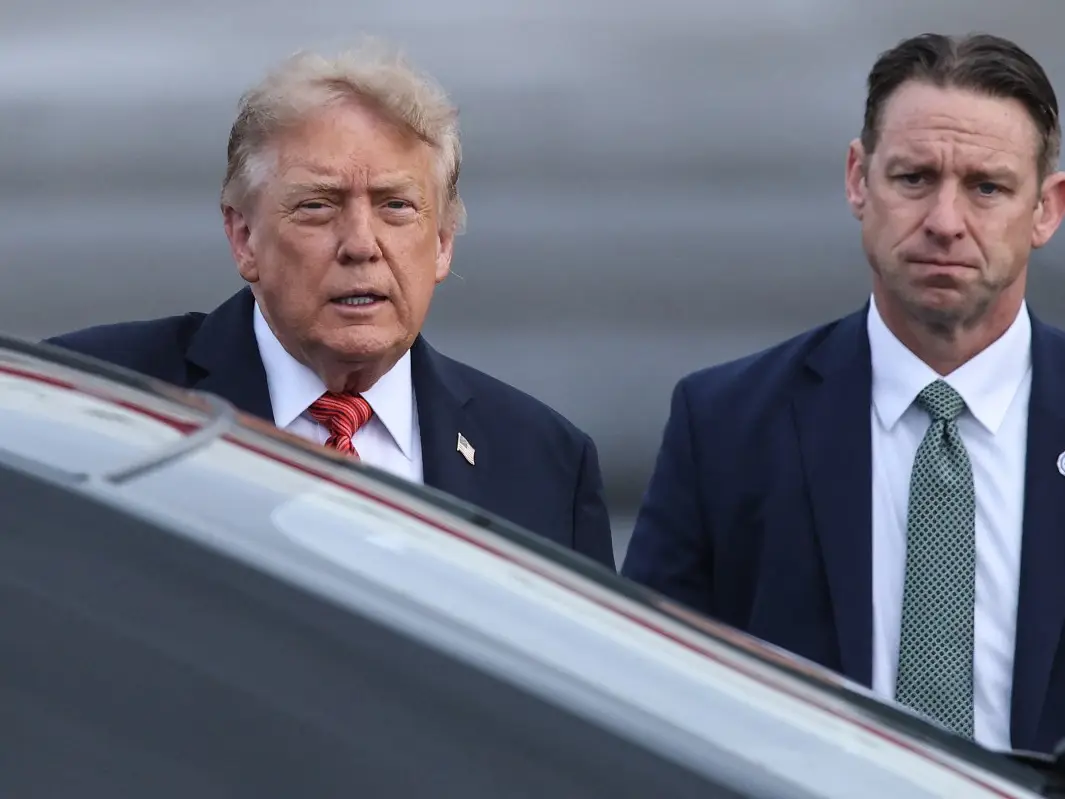)
Trump says Canada eager to reach a deal, it could come ‘fairly soon’ if Ottawa treats US farmers better
)
Humans may lose control of AI: Anthropic CEO calls for slowdown, Altman, Musk back him
)
800 million years old - Scientists discover 'fingerprints' of supercontinent Gondwana in ancient rocks
)
How does the loss of forests affect the way wildlife lives and moves?
)
Why dehydration is the hidden cause of travel fatigue on long flights
)
Houthis launch cross-border strike on Saudi Arabia as Yemen war escalates
Analysts say the liquidity injection is more than just monetary policy, it’s a tactical move designed to buffer the domestic economy from the adverse effects of prolonged tariff tensions with the US. China has been under growing pressure as its export-driven industries face rising costs and declining overseas demand.
Trump’s Tariff War: A Trade Deal Still Hanging
The fresh policy moves come against the backdrop of former US President Donald Trump’s aggressive tariff regime, which has sent shockwaves through the global economy. According to the Peterson Institute for International Economics, the US under Trump imposed tariffs on over 360 billion US dollars’ worth of Chinese goods between 2018 and 2020 — with some levies reaching up to 25 per cent.
The latest salvo came on April 2, 2025, when Trump unveiled a new wave of sweeping import duties during his “Liberation Day” announcement — including a staggering 145 per cent tariff on Chinese goods.
In retaliation, Beijing responded with reciprocal tariffs of 125 per cent on American goods. The tit-for-tat escalations disrupted global supply chains, drove up costs for consumers, and rattled financial markets.
Although a temporary 90-day tariff pause was agreed , a 10 per cent base tariff on Chinese goods remained in place. The Geneva trade talks held earlier this week were also viewed as a potential turning point. According to a joint statement, both sides have agreed to reduce tariffs: the US has brought down its duties from 145 per cent to 30 per cent, while China has cut its retaliatory tariffs from 125 per cent to 10 per cent.
As the US-China trade saga enters a new chapter, China’s monetary policy pivot underscores a shifting global narrative. No longer content to merely defend its position, Beijing is now proactively reshaping its internal economic resilience.
While trade diplomacy plays out on the world stage, the PBOC’s RRR cut and accompanying stimulus measures signal that China is preparing for a long-haul game — one that blends tactical monetary easing with strategic economic recalibration.