China threatens retaliation as Trump signals new tariff escalation

&imwidth=600&imheight=450&format=webp&quality=medium "China threatens retaliation as Trump signals new tariff escalation")
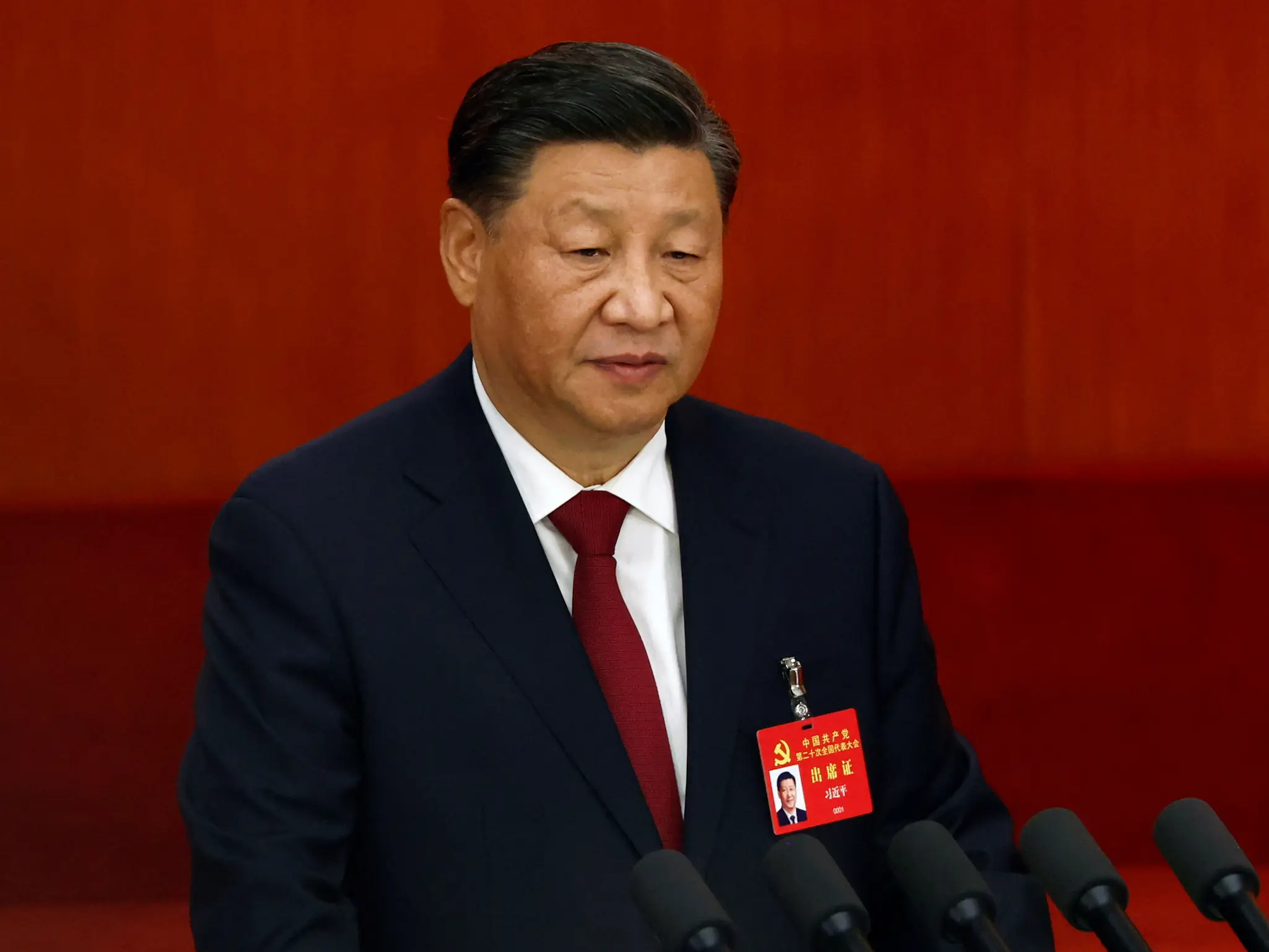
Chinese President Xi Jinping at the Great Hall of the People in Beijing, China.
With US tariffs set to resume on August 1, China issues a stark warning to regional partners like Vietnam, criticising deals that exclude Chinese supply chains and signalling potential diplomatic or trade retaliation.
China has warned the United States against reigniting trade tensions by reimposing steep tariffs next month, signalling potential retaliation if other countries strike supply chain deals that deliberately cut China out. The warning reflects mounting uncertainty over a fragile trade truce agreed in June, with fresh tariffs now looming as deadlines approach.
According to Reuters, the sharp response came through an official commentary in the People’s Daily, the Chinese Communist Party’s flagship newspaper, underscoring the seriousness of Beijing’s position ahead of planned tariff increases.
Fresh tensions over trade truce
Washington and Beijing had reached a tentative framework in June, which eased immediate fears of further escalation. However, with many details unresolved, investors and exporters remain wary that the deal could unravel. President Donald Trump on Monday began notifying trading partners that sharply higher tariffs would resume from 1 August. This reverses an earlier decision in April to delay the full implementation of duties, which was meant to give countries time to negotiate concessions.
China now faces a deadline of 12 August to reach a new agreement with the White House that would prevent the return of tariffs that were imposed during earlier rounds of tit-for-tat exchanges. As Reuters reports, average US tariffs on Chinese exports currently stand at 51.1 per cent, while China’s average duties on US goods are around 32.6 per cent, according to the Peterson Institute for International Economics.
Beijing’s warning to trading partners
Trending Stories
)
)
&im=FitAndFill=(700,400))
)
)
)
)
)
&im=FitAndFill=(700,400))
)
)
)
)
)
)
)
)
)
)
&im=FitAndFill=(700,400))
)
)
)
)
)
)
)
)
)
)
)
)
)
)
)
)
)
)
)
China’s state media commentary also sent a pointed message to countries in the region considering closer trade ties with the US that could bypass China’s manufacturing base. As per Reuters, Beijing criticised moves by nations to secure tariff reductions with Washington by effectively excluding Chinese inputs from their supply chains.
Vietnam, for instance, recently negotiated a reduction in US tariffs from 46 per cent to 20 per cent for its own goods. However, items “transshipped” through Vietnam, typically originating in China, would still face a 40 per cent levy. The Chinese government signalled that it would not accept any arrangement that sacrifices Chinese interests in exchange for US concessions, warning of firm countermeasures.
Uncertainty over global supply chains
The increasingly combative rhetoric highlights the strategic battle over supply chains across Asia. The United States has been working to reduce its dependence on Chinese manufacturing while encouraging regional partners to adopt tougher controls on goods with Chinese origins. Analysts say this approach risks fragmenting trade relationships in the region, forcing countries to balance access to the US market against ties with China.
Reuters notes that traders and businesses are closely watching the situation, with concerns that another round of tariff escalation could disrupt global commerce. With the August deadline approaching, the threat of renewed tariffs hangs over an already strained economic relationship, adding to the uncertainty facing exporters, investors, and policymakers alike.