South Korea calls out local automakers on safety issues

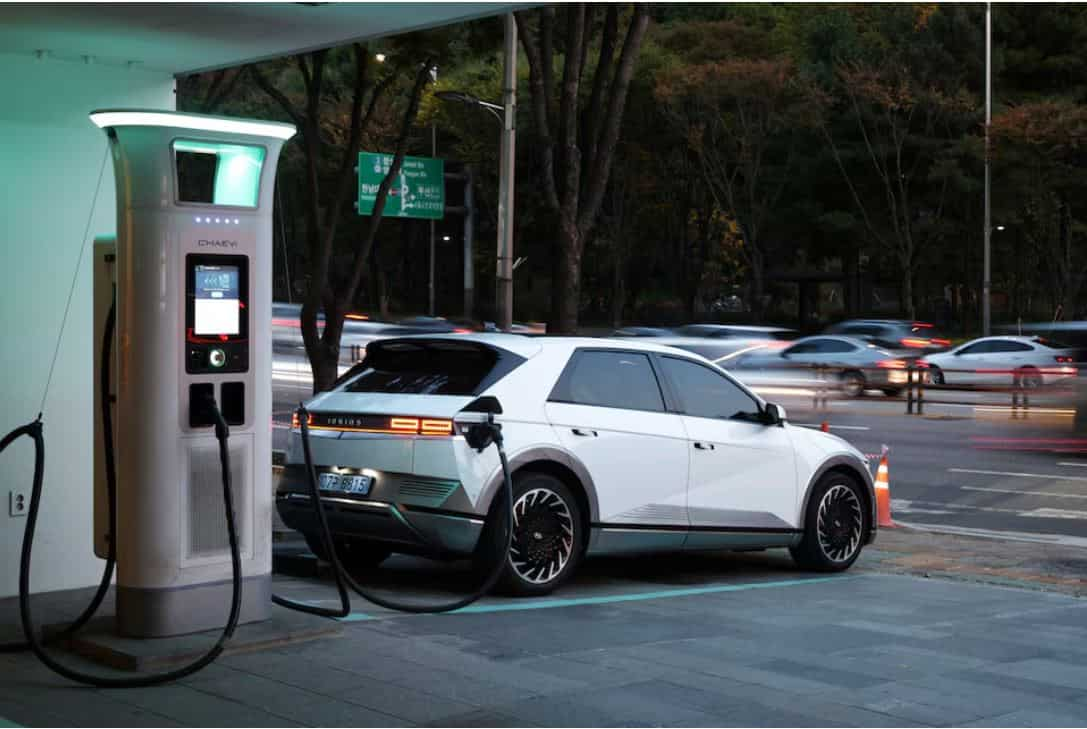
South Korea to mandate disclosure of EV battery brands following recent fires
South Korea is calling on automakers operating within its borders to disclose the manufacturers of batteries used in electric vehicles (EVs). This move comes as authorities attempt to address growing concerns over EV-related fires, following a recent incident in an underground parking lot that took eight hours to extinguish. While experts acknowledge that identifying specific battery makers would offer consumers more choice, they note that there is a lack of conclusive data indicating which brands are most susceptible to fires.
The incident that sparked this initiative occurred on August 1when a fire appeared to start spontaneously in a Mercedes-Benz EV equipped with Farasis Energy batteries. The blaze, which took place in the city of Incheon, raged for more than eight hours, destroying or damaging approximately 140 cars and forcing some residents of the apartments above to evacuate to shelters. The aftermath revealed dozens of vehicles reduced to metal frames, highlighting the intensity of the fire. Officials reported that the situation was exacerbated by malfunctioning equipment, such as sprinklers, in the parking lot.
This alarming event prompted the government to convene a series of meetings aimed at developing measures to prevent similar incidents in the future. However, it's important to note that despite recent headlines, EVs do not appear to catch fire as frequently as one might assume.

In the United States, a study conducted by insurance company AutoInsuranceEZ, using data from the National Transportation Safety Board, found that EVs caught fire at a rate of 25 per 100,000 units sold. This is significantly lower than the rate for gasoline-powered vehicles (1,530 per 100,000) and hybrids (3,475 per 100,000). In South Korea, there were 72 EV-related fires in 2022, a 200 per centincrease from the 24 incidents recorded in 2021, according to the National Fire Agency. However, the number of fires per 10,000 EVs in South Korea was 1.3 last year, compared to 1.9 for internal combustion engine vehicles, as reported by the Science & Technology Policy Institute.
The global EV market has been expanding rapidly, with nearly one in five cars sold globally in 2023 being electric. This translates to approximately 14 million EVs sold, primarily in China, Europe, and the United States, bringing the total number of EVs on the road to 40 million.
Experts explain that EV battery fires differ from those in internal combustion engines, often lasting longer and being more challenging to extinguish due to their tendency to reignite. EVs are powered by lithium-ion batteries, which can store enormous amounts of energy. If a battery is damaged, has a design flaw, or experiences an internal short circuit, it can result in a chain reaction known as a thermal runaway. The flammable chemicals in these batteries can release their oxygen as they burn, allowing EV fires to reignite hours or even days after they appear to have been extinguished.
&imwidth=180&imheight=135&format=webp&quality=medium)
US troop deaths in Iran war on rise? Pentagon reveals latest toll
&imwidth=180&imheight=135&format=webp&quality=medium)
Lula campaign accuses Meta of election interference after social media content blocked
&imwidth=180&imheight=135&format=webp&quality=medium)
PM Modi inaugurates Rs 4,900 crore Chennai Metro Phase II stretch, takes ride with CM Vijay: VIDEO
&imwidth=180&imheight=135&format=webp&quality=medium)
100,000 strikes in 3 years: How October 7 redefined Israel's war
&im=FitAndFill=(700,400)&imwidth=180&imheight=135&format=webp&quality=medium)
Navratri 2026: 9 days, 9 forms of Goddess Durga and 9 colours- Check the complete list
&imwidth=180&imheight=135&format=webp&quality=medium)
‘Your people don’t even let us near it’: IAF chief’s blunt response on US F-35; India yet to decide on Russia’s Su-57
&imwidth=180&imheight=135&format=webp&quality=medium)
Saudi Arabia's King Khalid International Airport attack kills 12, injures 309; India calls it 'unacceptable'
&imwidth=180&imheight=135&format=webp&quality=medium)
‘Never-ending flow of cheap labour’: JD Vance hits back at Indian-origin Congresswoman over US green card curbs for major tech companies
&imwidth=180&imheight=135&format=webp&quality=medium)
HYBE’s Weverse Con India sets ticket sale date for March 2027 festival
&imwidth=180&imheight=135&format=webp&quality=medium)
Messi scores twice in Inter Miami return following final match for Argentina
&imwidth=180&imheight=135&format=webp&quality=medium)
CJP's Abhijeet Dipke, Ashutosh Ranka, Saurav Das released 22 hours after flight detention
&imwidth=180&imheight=135&format=webp&quality=medium)
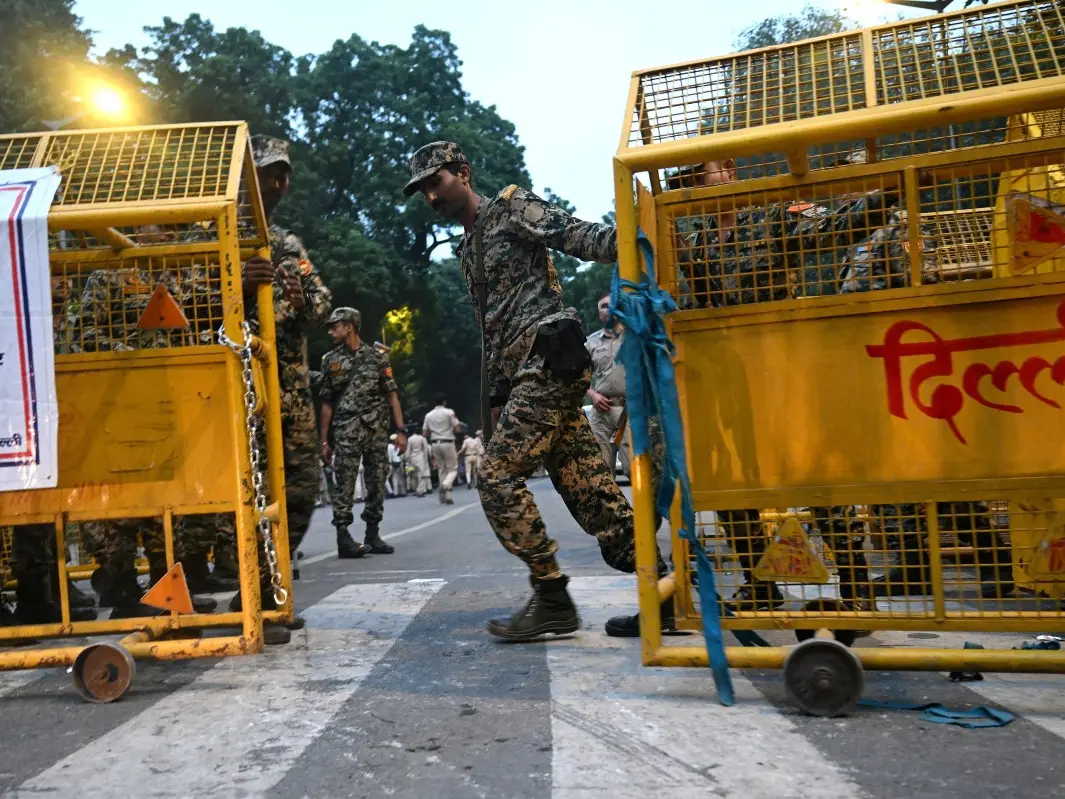
'Unwarranted interference': India slams UN human rights office over remarks on Delhi protests
&imwidth=180&imheight=135&format=webp&quality=medium)
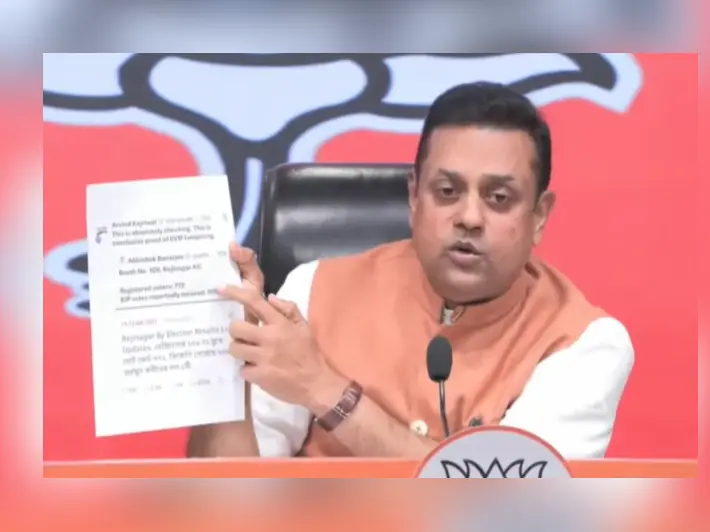
'Jantar Mantar not the story of India': BJP's Sambit Patra claims 'anarchists' tried to hold Delhi captive
&imwidth=180&imheight=135&format=webp&quality=medium)
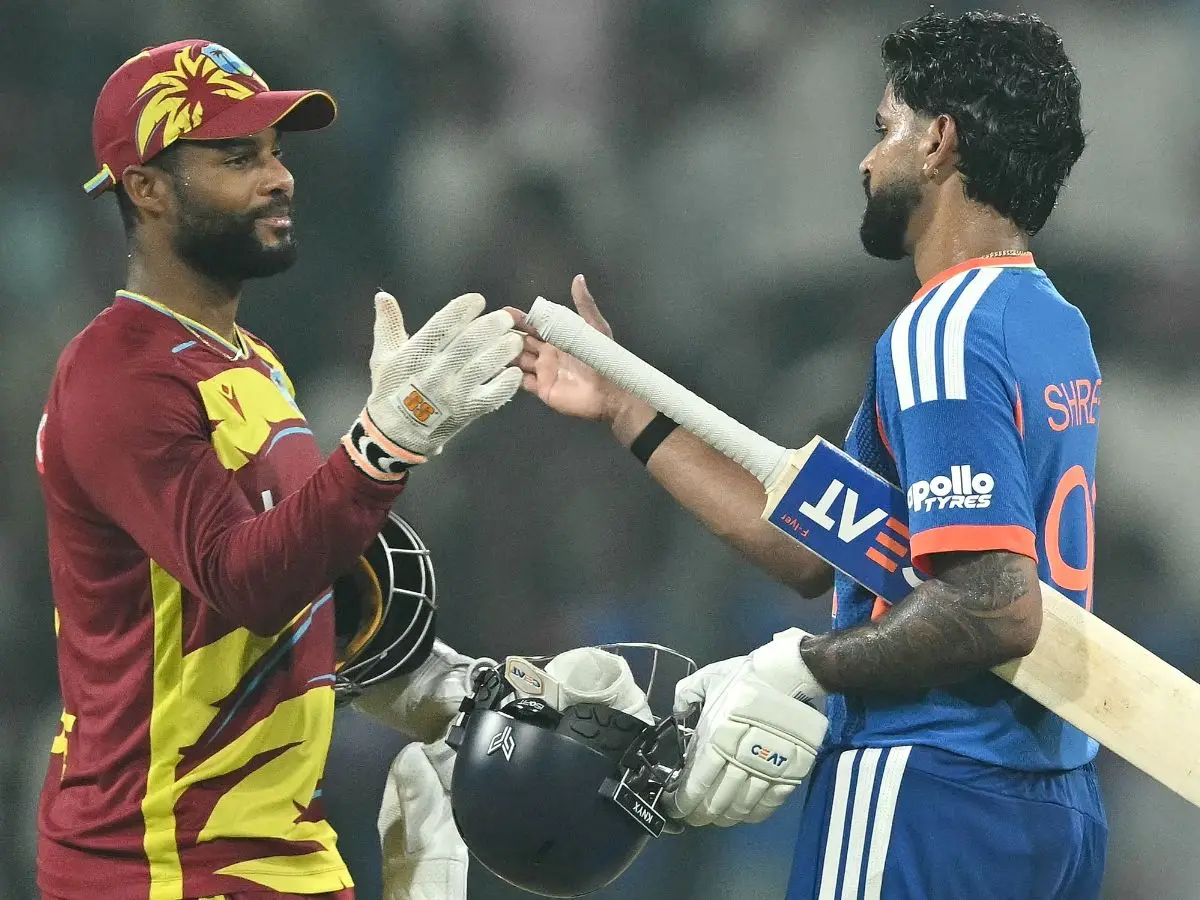
3rd T20I Preview: Another run-fest on cards as India face West Indies in Indore
&imwidth=180&imheight=135&format=webp&quality=medium)
Nicolas Cage refuses AI waiver for Spider-Noir, hints at Amazon exit and True Detective role
&imwidth=180&imheight=135&format=webp&quality=medium)
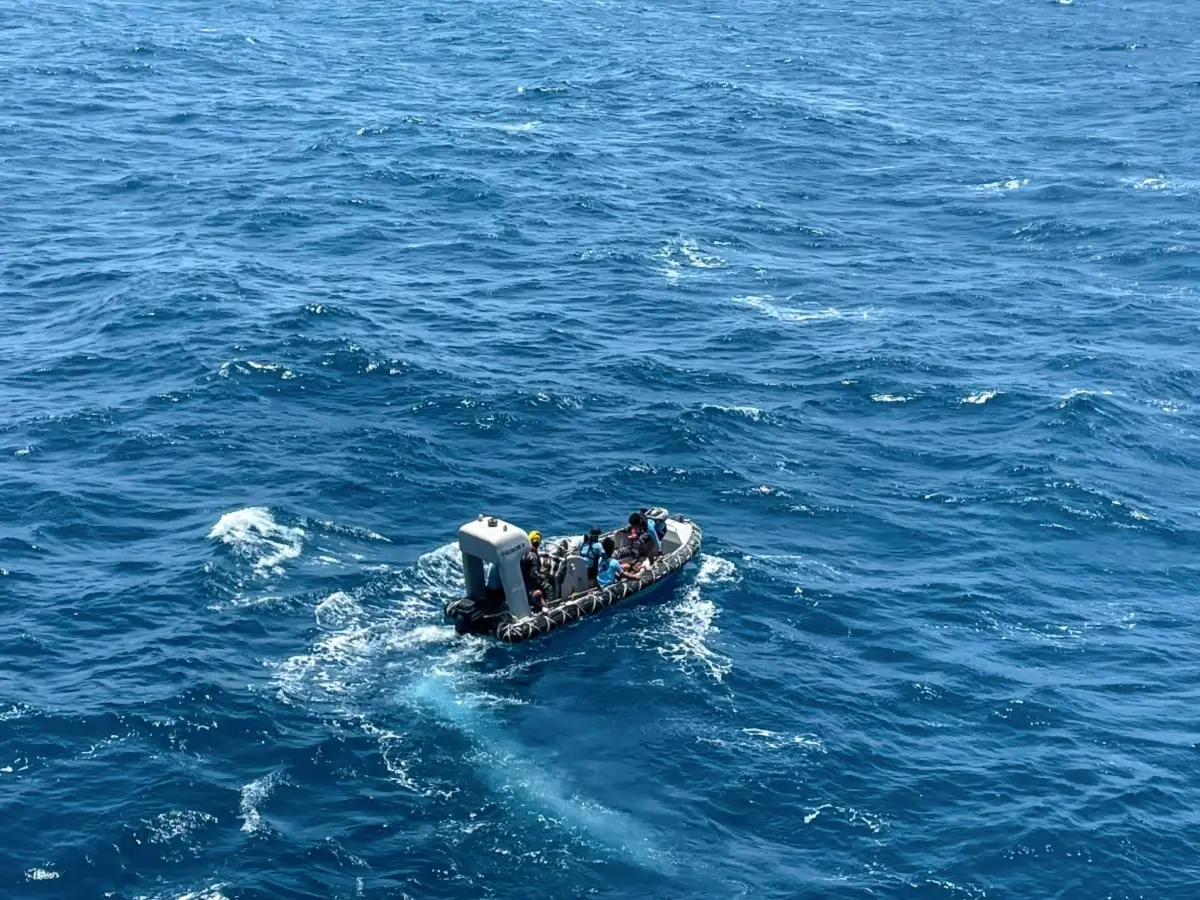
At least 109 migrants, including 15 children dead as boat sinks off Djibouti, 116 go missing
&imwidth=180&imheight=135&format=webp&quality=medium)
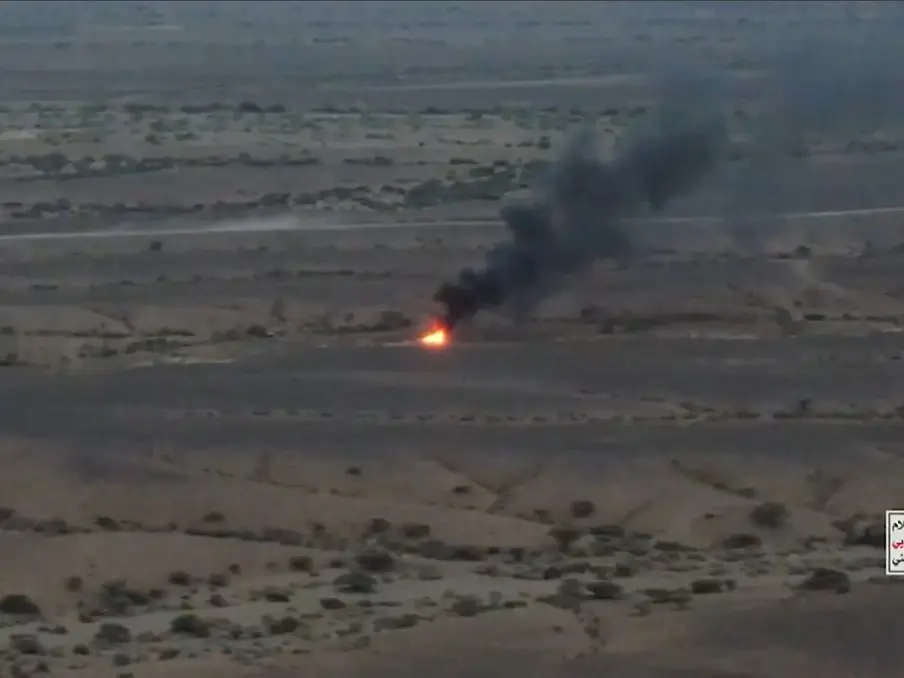
Riyadh airport hit in missile attack, dozens injured; 5 in intensive care
&imwidth=180&imheight=135&format=webp&quality=medium)
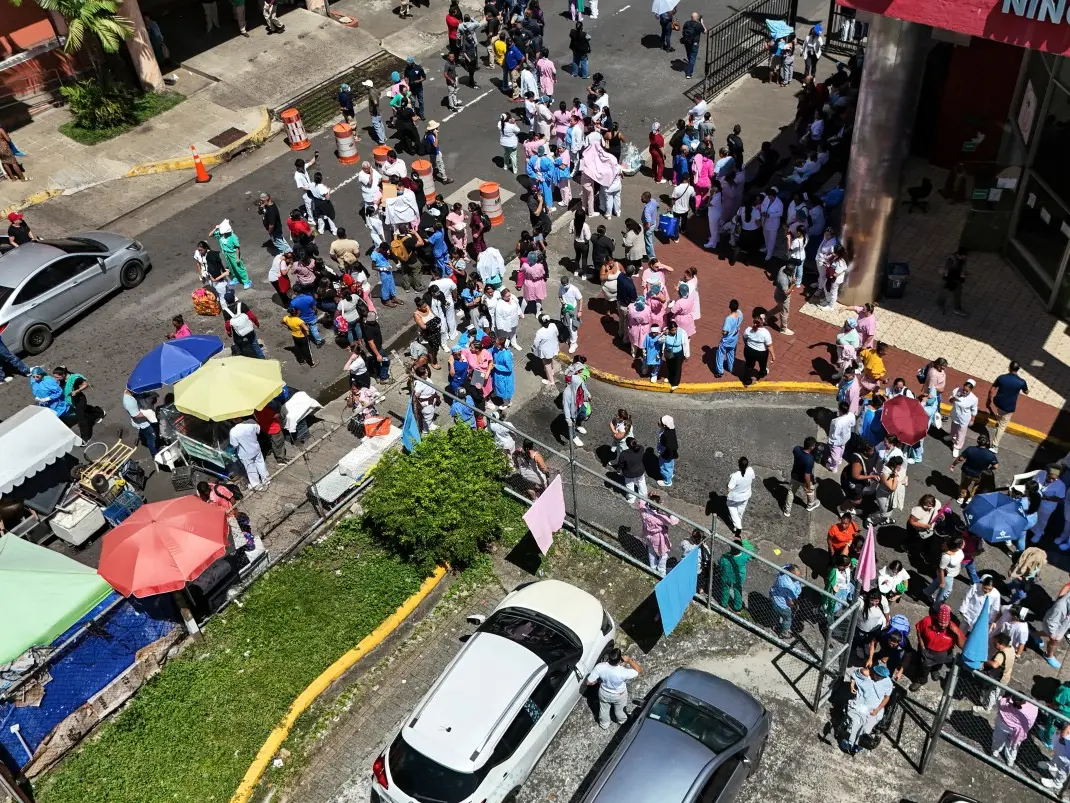
Powerful 7.7 magnitude earthquake strikes Panama, tsunami warning issued
&imwidth=180&imheight=135&format=webp&quality=medium)
US mid-term elections: What are PACs - Unique American System that lets corporates shape voting
&imwidth=180&imheight=135&format=webp&quality=medium)
Imran Khan released hours after Mumbai Police detain him during CJP protest
&imwidth=180&imheight=135&format=webp&quality=medium)
Nathan Lyon completes 1,000 Test runs at No. 10 to script rare cricket feat
&imwidth=180&imheight=135&format=webp&quality=medium)
Nepal flash floods swallow homes and bridges a month after devastating disaster
&imwidth=180&imheight=135&format=webp&quality=medium)
Sehwag sees reflection of himself in Sooryavanshi: ‘His thinking is similar to mine’
&imwidth=180&imheight=135&format=webp&quality=medium)
'Ouch!!! That must hurt': Kangana Ranaut hails Kamal Haasan's sharp reply to Elon Musk over Starlink row
&imwidth=180&imheight=135&format=webp&quality=medium)
Sidhu Moose Wala’s younger brother wins hearts by recreating late singer’s signature move at Toronto Hologram Show
&imwidth=180&imheight=135&format=webp&quality=medium)
Barry Manilow cuts short Las Vegas comeback show, cancels next concert over Bronchitis
&imwidth=180&imheight=135&format=webp&quality=medium)
Hamas used double agents, deceived Israel to carry out October 7 massacre
&imwidth=180&imheight=135&format=webp&quality=medium)
Bigg Boss 20: Who is Manish Goel? Meet the new wild card contestant on Salman Khan’s show
&imwidth=180&imheight=135&format=webp&quality=medium)
Portugal Federation confirms Cristiano Ronaldo’s return to national team despite suspension
&imwidth=180&imheight=135&format=webp&quality=medium)
Kim Kardashian brings glamour to Singapore Grand Prix while supporting boyfriend Lewis Hamilton
&imwidth=180&imheight=135&format=webp&quality=medium)
Ganesh Dust To Stardust trailer: Ganesh Acharya directs a tale of dreams and sacrifice | Watch
&imwidth=180&imheight=135&format=webp&quality=medium)
‘Time for Ukraine to get a new president’: Trump lashes out at Zelensky over Russia strikes
&imwidth=180&imheight=135&format=webp&quality=medium)
BTS’ RM raises privacy concerns over drones, lasers outside hotel amid Lima concert, urges fan respect
&imwidth=180&imheight=135&format=webp&quality=medium)
Thai queen becomes first reigning monarch to fly jet solothailand #queen #wion
&im=FitAndFill=(700,400)&imwidth=180&imheight=135&format=webp&quality=medium)
Food shortages, suicide attempts and more: USS Abraham Lincoln returns to US after 321 day deployment — What happened aboard the US carrier?
&imwidth=180&imheight=135&format=webp&quality=medium)
Rahul Gandhi calls Modi, Shah ‘cowards’ amid CJP protest crackdown in Delhi
&imwidth=180&imheight=135&format=webp&quality=medium)
Delhi Police arrest 4 men seen in viral video allegedly assaulting women protesters during CJP protest
&imwidth=180&imheight=135&format=webp&quality=medium)
Where are Abhijeet Dipke, Ashutosh Ranka, Saurav Das? CJP gives big update after flight detention
&imwidth=180&imheight=135&format=webp&quality=medium)
Putin conveys Iran’s proposal to Trump, offers to take Tehran’s enriched uranium
&im=FitAndFill=(700,400)&imwidth=180&imheight=135&format=webp&quality=medium)
Amitabh Bachchan turns 84: A look at Big B’s iconic dialogues that continue to win hearts
South Korea's vulnerability to EV fires is partly due to its unique demographic and urban landscape. As one of the world's most densely populated nations, more than 60 per centof its 50 million inhabitants live in apartments or other multi-household dwellings, often utilizing underground parking facilities equipped with EV charging stations. This concentration of vehicles in enclosed spaces can make fire containment more challenging.
In response to these concerns, several automakers, including Hyundai Motor, Mercedes-Benz Korea, Kia Corp, and Volkswagen Korea, have begun identifying their battery suppliers. However, analysts argue that this measure alone is insufficient to reduce fire risks. They emphasize the need for improved battery management systems, more sophisticated early warning mechanisms, and enhanced fire safety measures for parking facilities.
Some experts propose additional measures to mitigate risks. Moon Hak-hoon, an automotive engineering professor at Osan University, suggests creating a certification scheme to help guarantee the safety of EV batteries. Kim Jonghoon, a professor at Chungnam National University specializing in EVs, proposes limiting the maximum charge of EV batteries, noting that there are more cases of fires when batteries are over 90 per centcharged. However, he acknowledges that carmakers aiming for longer driving ranges might resist such a measure.
While Kim anticipates a potential short-term negative impact on South Korean EV sales due to fire concerns, he remains optimistic about the long-term transition to electric vehicles. Interestingly, data from the used-car trading platform K Car shows that the number of applications by people wanting to sell EVs in South Korea rose by 184 per centbetween August 1 and August 7, compared to the previous week, indicating a possible shift in consumer sentiment.
As South Korea grapples with these challenges, the government and industry stakeholders continue to work towards finding effective solutions to ensure the safety and reliability of electric vehicles, balancing the need for innovation with public safety concerns.