
&imwidth=800&imheight=600&format=webp&quality=medium "Will the SCO Summit alter course of Ukraine War, help end the stalemate?")
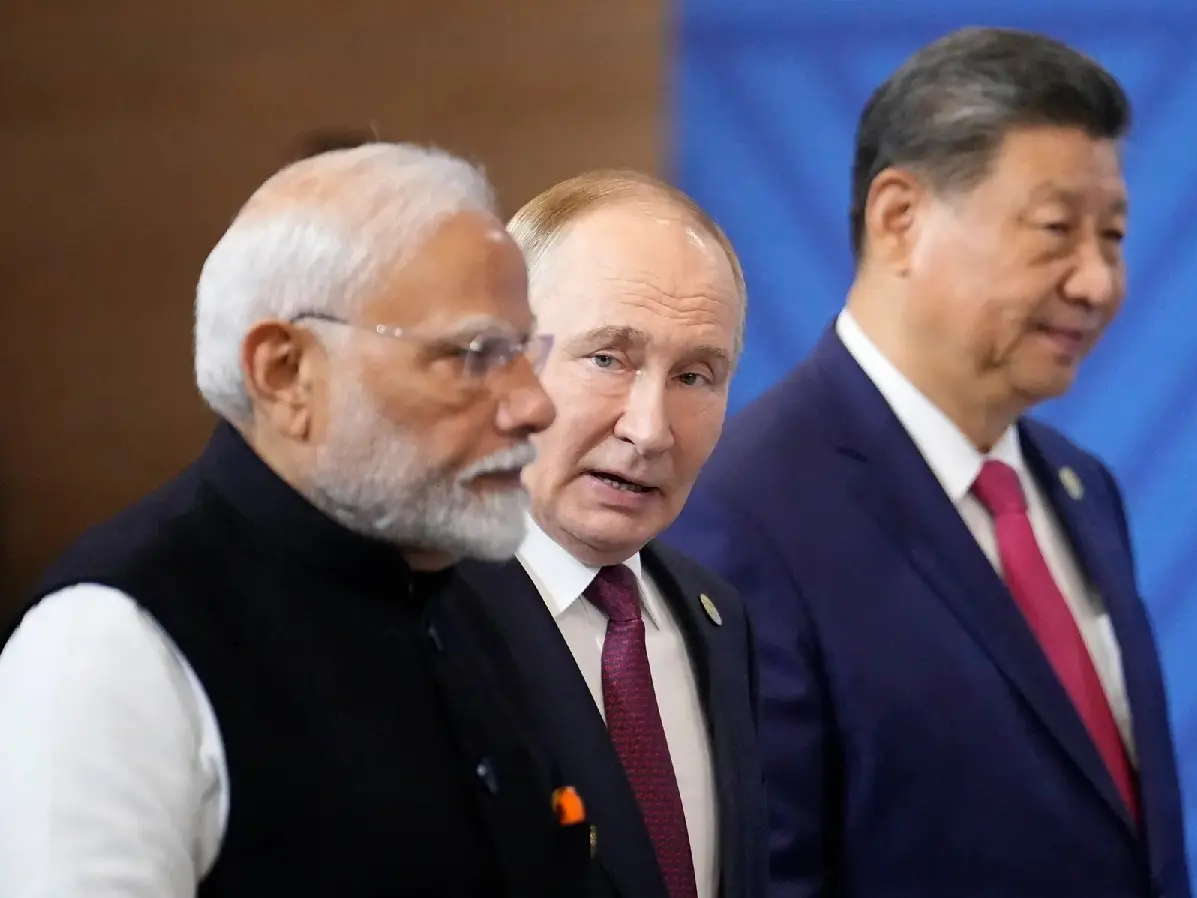
The SCO Summit 2025 is underway in Tianjin, China, and brings together over 20 world leaders, including China’s Xi Jinping, Russia’s Vladimir Putin, and India’s Narendra Modi, making it the largest gathering of leadership under the forum ever. The leadership would be aiming to devise a strategy for geopolitical realignment and bolstering ties among non-Western nations for a multipolar vision amid the economic turmoil unleashed by Trump tariffs. However, with the US imposing high tariffs on India, citing the Ukraine War, and threatening further crippling sanctions on Russia for failure to strike a peace deal, the Moscow-Kyiv conflict would definitely crop up in the talks.
Is the Ukraine War on summit agenda?
Ukraine’s President Volodymyr Zelensky wishes SCO leaders would pressure Putin for a ceasefire, as he has been reiterating that “without pressure from the world, there will be no end to the war.”

Zelensky called Indian PM Narendra Modi on the eve of the summit, and the latter reaffirmed support for a peaceful resolution. PM Modi has endorsed dialogue and negotiation multiple times, and his remark, “This is not an era of war” was hailed all over and is still oft repeated by others.
What is Beijing’s stand on the ‘Ukraine crisis’?
China publicly endorses dialogue and negotiation as the only viable solution to the conflict but continues to be a major supplier of dual-use and sensitive goods that bolster Russia’s war efforts.
Trending Stories
)
Why asking questions could be more important than memorising answers
)
Osama Bin Laden ‘planned’ to target India, CIA reveals dozens of declassified documents
)
'Iran won't surrender': Pezeshkian sends blunt message to US while attending BRICS Summit in India
)
BRICS Summit 2026: Global leaders of BRICS nations attend main open session
)
Celine Dion makes emotional stage comeback after six years: 'I'm so delighted to see you'
)
PM Modi and China's Xi offered to help resolve Russia-Ukraine war: Kremlin
)
Why dehydration is the hidden cause of travel fatigue on long flights
&im=FitAndFill=(700,400))
Meet top 5 batters fastest to 3000 runs in T20Is
)
Top 5 places to visit in Goa beyond its famous beaches
)
'He is popular...': Malaysian PM Anwar Ibrahim's praise for PM Modi during bilateral meeting | WATCH
)
BRICS Summit 2026: PM Modi, Xi reach key consensus on ties, China to assume BRICS chairmanship in 2027
)
BRICS Summit 2026: Consensus on joint declaration, diplomatic win for India
)
Trump says Canada eager to reach a deal, it could come ‘fairly soon’ if Ottawa treats US farmers better
)
‘Partners, not rivals’: Xi outlines four point plan for stronger India-China ties
&im=FitAndFill=(700,400))
Why Chinese PL-15 air-to-air missiles use dual-pulse motors compared to European interceptors
)
Could staying indoors all day affect your health?
)
BRICS Summit 2026: PM Modi addresses Day 2 of 18th BRICS summit
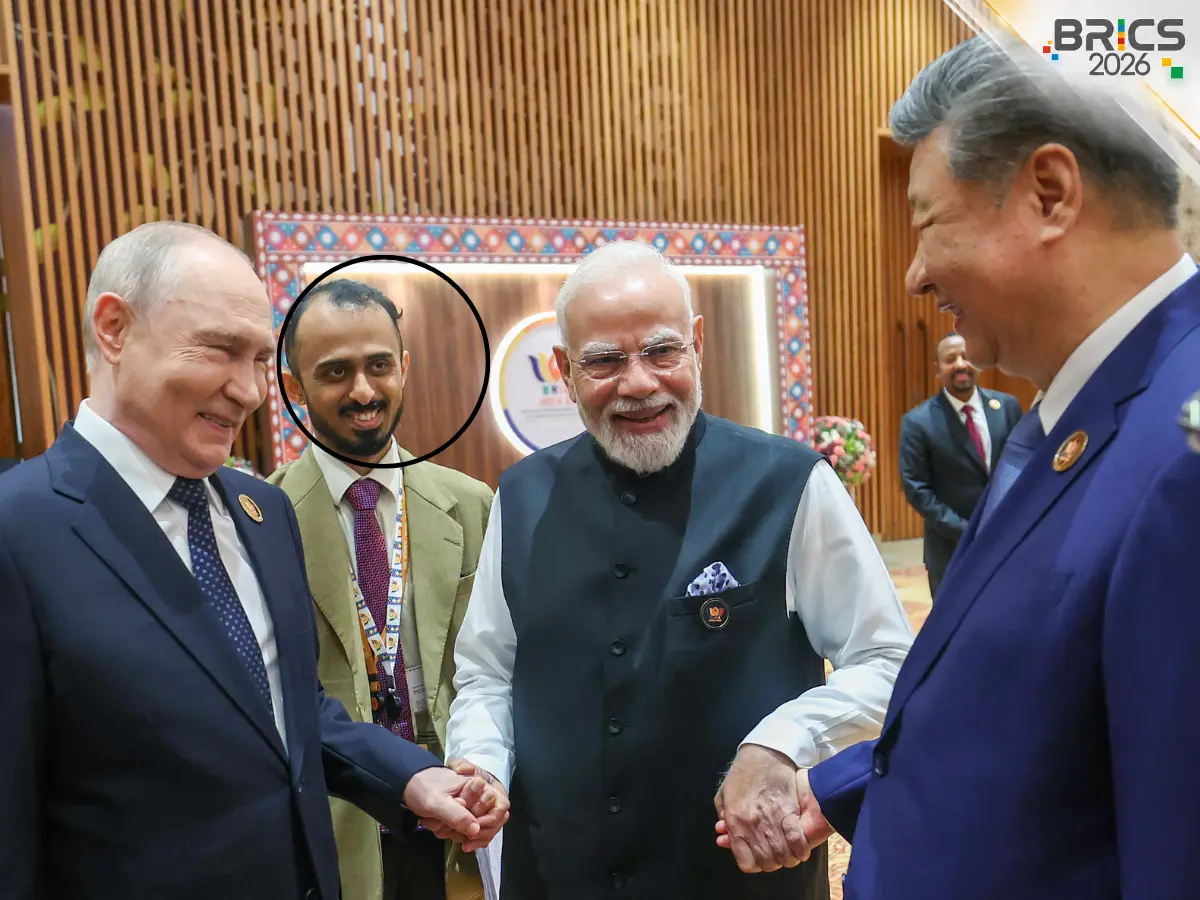)
Who is the smiling man beside Modi, Putin and Xi at BRICS Summit 2026?
)
800 million years old - Scientists discover 'fingerprints' of supercontinent Gondwana in ancient rocks
)
Why going digital does not always mean becoming more efficient
&im=FitAndFill=(700,400))
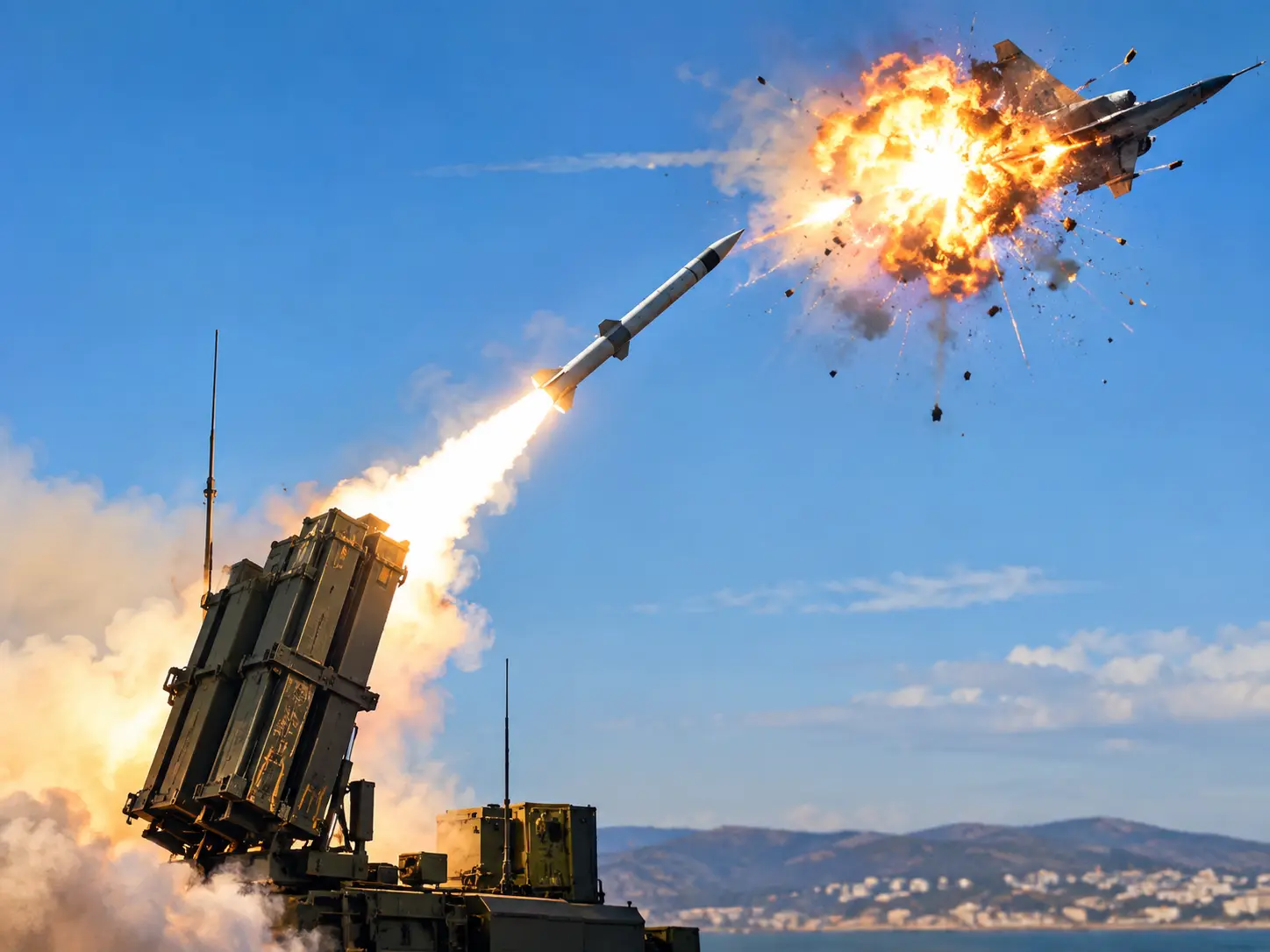
Why do air defence missiles explode near their target instead of hitting it?
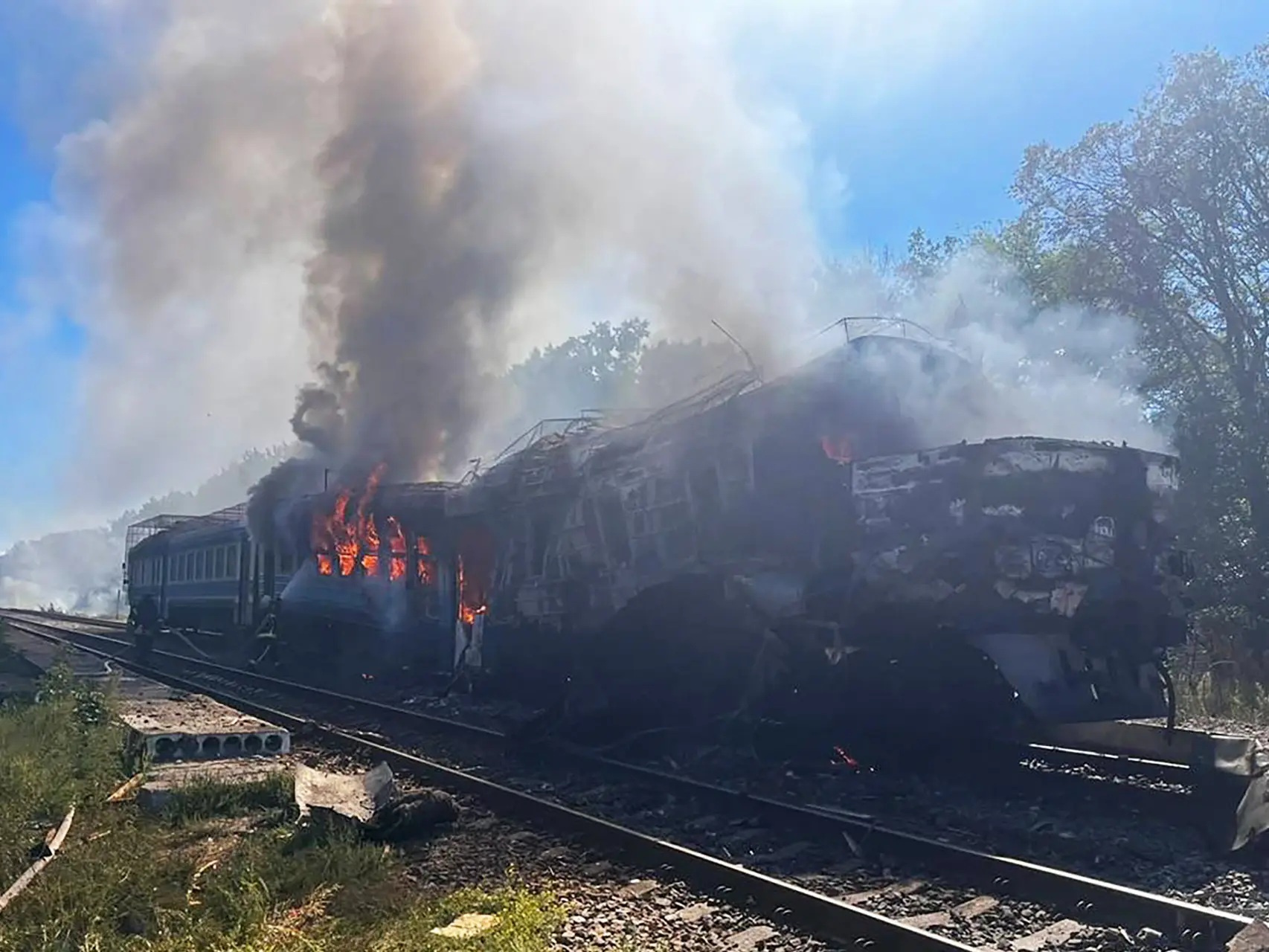)
Russian drone hits Warsaw-bound train near Polish border, Zelensky accuses Moscow of ‘deliberate’ targeting
)
War is making Russia stronger? How Ukraine is shaping Moscow’s next generation of weapons
)
Migration protests return to Portsmouth as rival demonstrations face off
)
From severe mobility problems to recovery: Madhuri the elephant’s journey of wildlife care
)
BRICS Summit day 1: New Delhi declaration adopted with full consensus, big diplomatic win for India
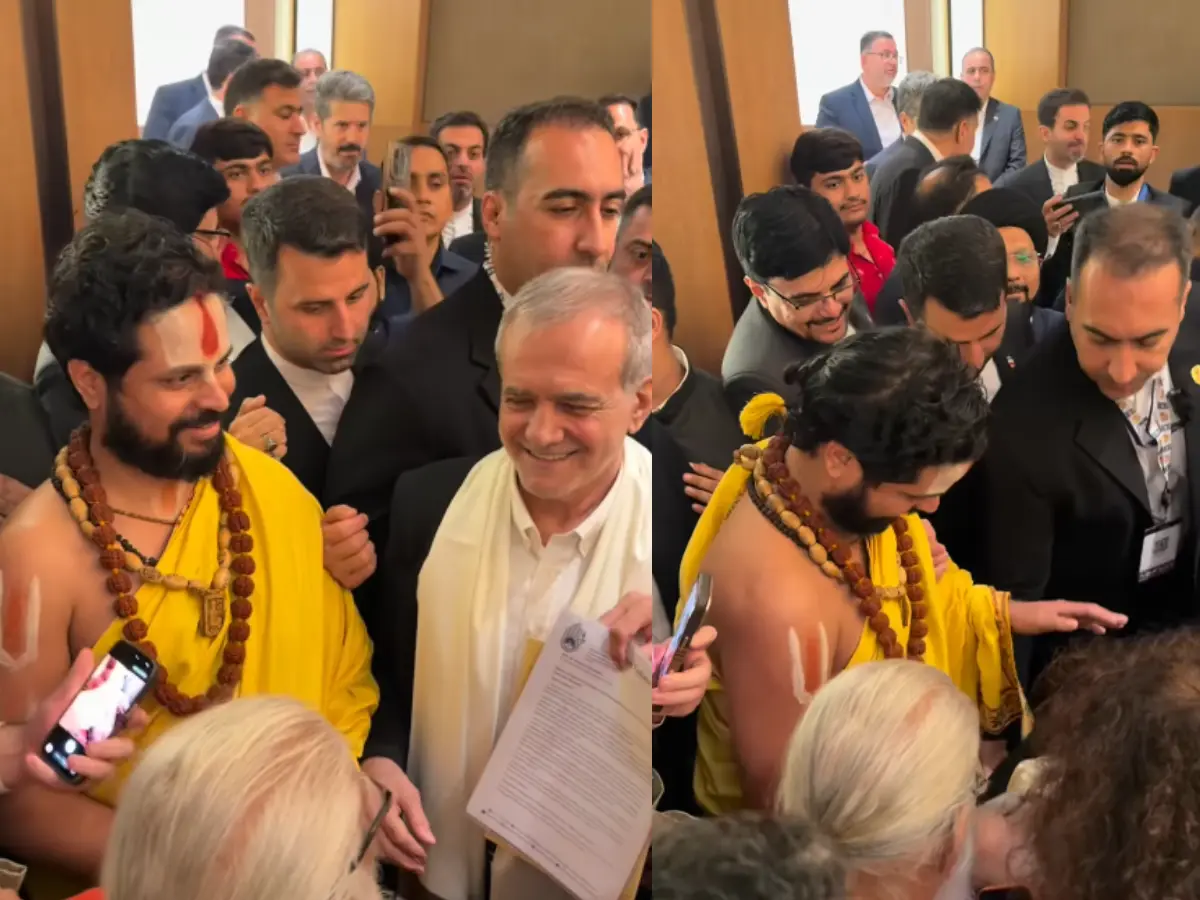)
Did Iran President Pezeshkian touch feet of Hindu spiritual leader at Delhi event as shown in viral video?
)
9-year-old Chennai prodigy clears Cambridge IGCSE grade 10 exams
)
Why does your body need time to adjust after a long journey?
)
BRICS Summit 2026: PM Modi to hold bilateral with leaders of seven countries
)
Ramanathaswamy temple takes centre stage as PM Modi welcomes world leaders at BRICS
)
Houthis launch cross-border strike on Saudi Arabia as Yemen war escalates
)
BRICS Summit 2026: Chinese president Xi Jinping departs from New Delhi after attending BRICS summit
)
Why does your skin need protection from UV rays?
)
How does the loss of forests affect the way wildlife lives and moves?
)
IND vs AFG, 1st T20I: When and where to watch live streaming in India?
)
Why do wild animals need quiet places to survive?
)
Bigg Boss 20: Qazi Touqeer gets a special ‘rockstar’ moment from Salman Khan
)
Humans may lose control of AI: Anthropic CEO calls for slowdown, Altman, Musk back him
China's support for Russia in the Ukraine war is strategic, multifaceted, and deliberately ambiguous. Beijing claims neutrality and calls for peace, but it has helped Moscow in several indirect but impactful ways.
China has been a critical supplier of dual-use items—goods that can serve both civilian and military purposes—to Russia. These include semiconductors and electronics used in drones, missile systems, and communications, and commercial drones that can be repurposed.
China has also helped Russia diplomatically on the global stage and abstained or voted against resolutions condemning Russia at the UN.
Besides, China’s foreign ministry and state media consistently refer to the war as the “Ukraine crisis,” and avoid the word “invasion.”
Is India really helping Russia in its war?
India is not directly helping Russia wage war against Ukraine, but it maintains a “strategic neutrality” and refuses to condemn Russia. India is also a big buyer of Russia’s crude oil, and nearly 40% of its crude imports are from Russia. India also adopted diplomatic neutrality that benefited Russia and has abstained from most UN votes condemning Russia or sanctioning it.
India repeatedly states that it supports dialogue and diplomacy but refuses to criticise Moscow publicly.
But then India’s tilt towards Moscow is not newfound. India has longstanding defence ties with Russia, and over 60–70% of Indian military gear is of Russian origin.
Moreover, it is strategically beneficial for India to keep cordial ties with both Russia and the West, especially amid its border tensions with China.
What may happen ultimately?
SCO usually tends to avoid divisive topics on which its member states have divergent views. While the Ukraine War may figure in bilateral conversations, it’s not expected to be a formal item in the summit agenda.
Moreover, the summit is more about presenting a united Global South than looking for a diplomatic breakthrough on the Ukraine War, and hence, without a formal consensus, the summit’s impact on the conflict is likely to remain limited.

