Will rare earths cause the next war (or what is common in China vs US, Afghanistan, Ukraine and Africa)?

&imwidth=600&imheight=450&format=webp&quality=medium "Will rare earths cause the next war (or what is common in China vs US, Afghanistan, Ukraine and Africa)?")
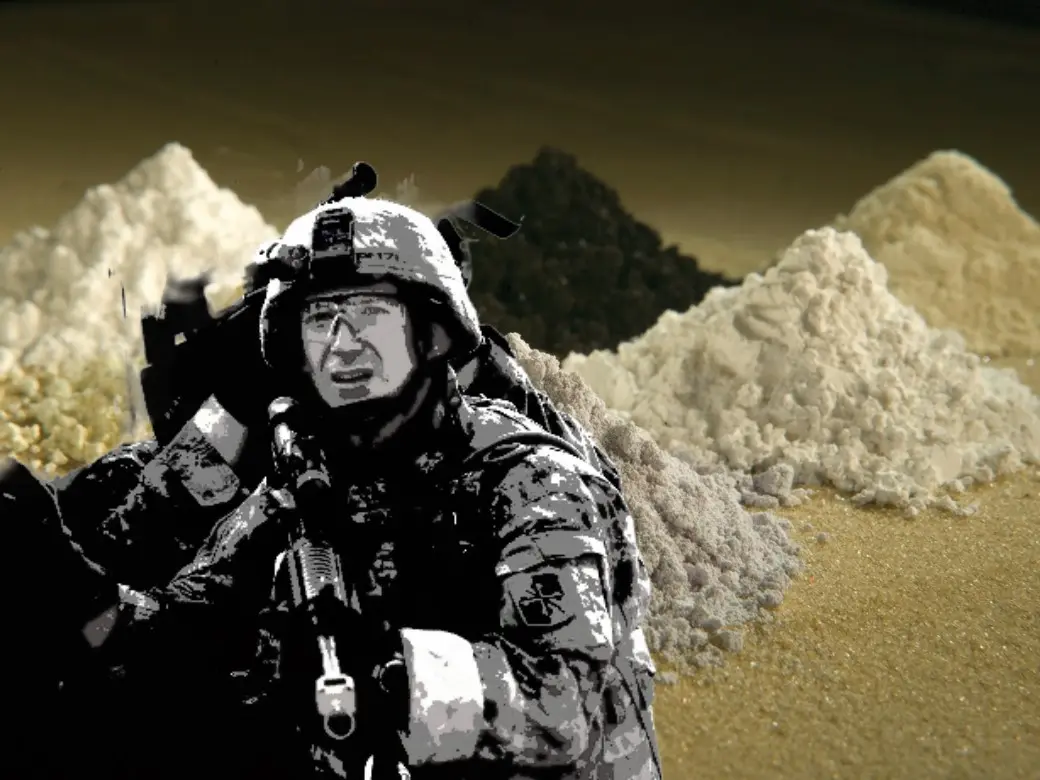
Will soldiers be soon fighting to capture rare earth deposits? Image strictly for representative purposes only Photograph: (Others)
The global race for rare earth minerals is igniting geopolitical tensions that could lead to real wars. The tussles and tariff wars between China and the US is one aspect. The West is vying for control of critical elements, and could cause a new form of resource warfare.
As military conflicts raged in the past five years, a rather 'benign tumour' has been growing in the world, which could become the potential flashpoint of the next wars: the race for critical minerals. Rare earths are the next oil, a potential cause for small to big wars. In essence, countries will likely wage wars over sand. Here is the dystopian view of the future of the 'rare earths wars', which is probably already on.
What are rare earths and why could they become the cause of wars?
The world today runs on rare earths: 17 obscure 'critical elements' powering everything from military systems and clean energy tech to your digital gadgets. From F-35 fighter jets and missile guidance to electric vehicles, wind turbines, and AI semiconductors, these minerals are inside everything. Demand has exploded, but supply is dangerously concentrated in a few countries. China today controls more than 70 per cent of global mining of these elements, and over 90 per cent of their processing. It’s a geopolitical weapon in the hands of China, and its rivals, led by the US, will find any reason to change that status quo.
Also read: China lifts export ban on fertilisers, rare earths, tunnel machines as Wang Yi visits India:Report
How China’s rare earths export controls triggered global panic and Trump anger
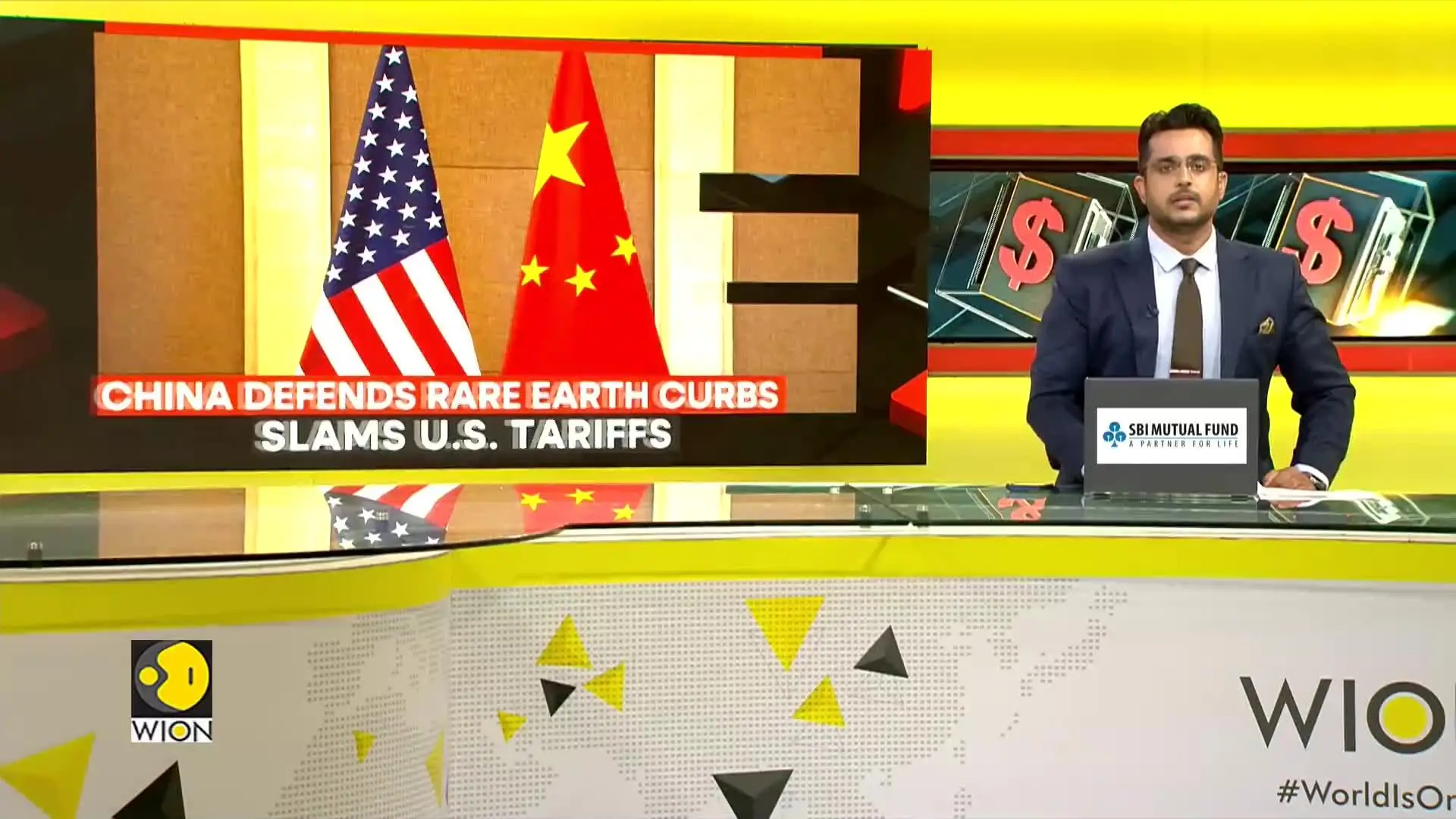
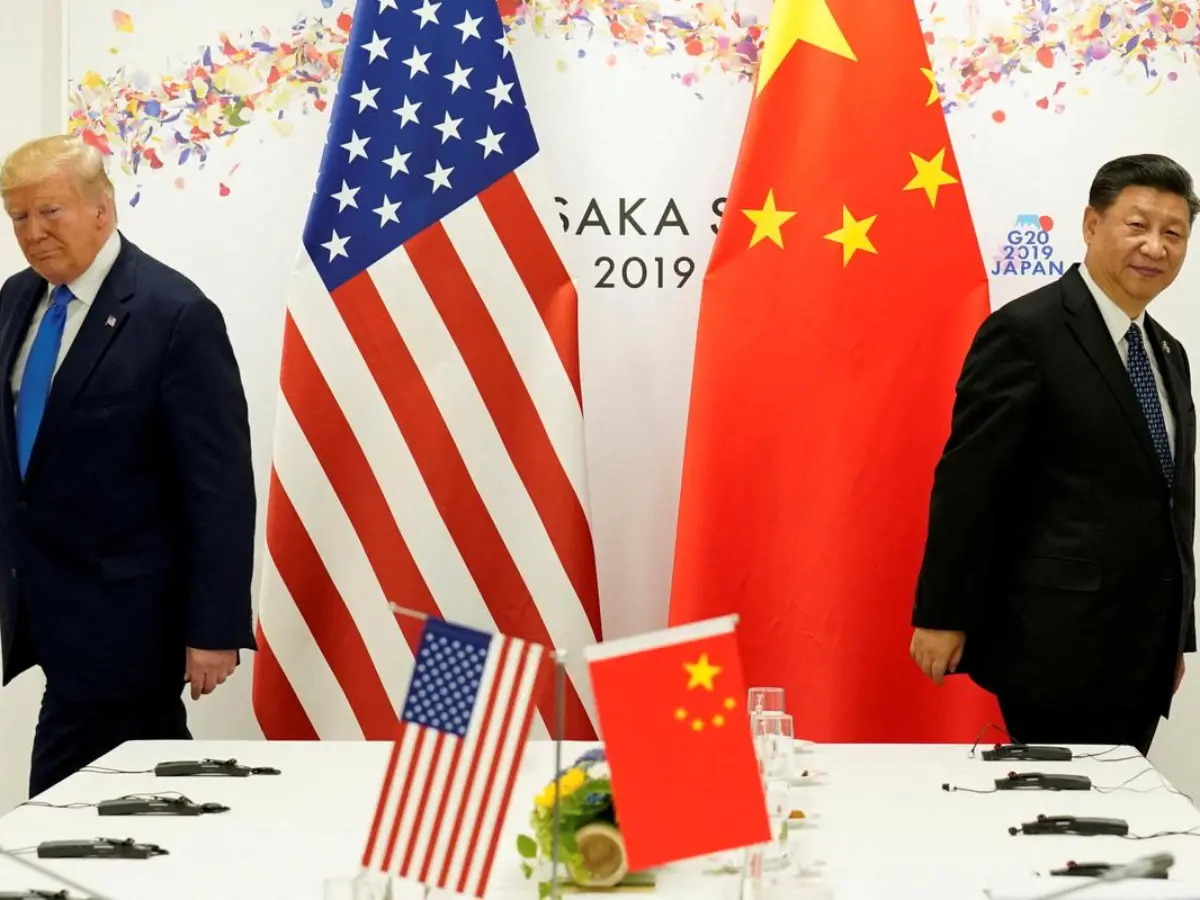
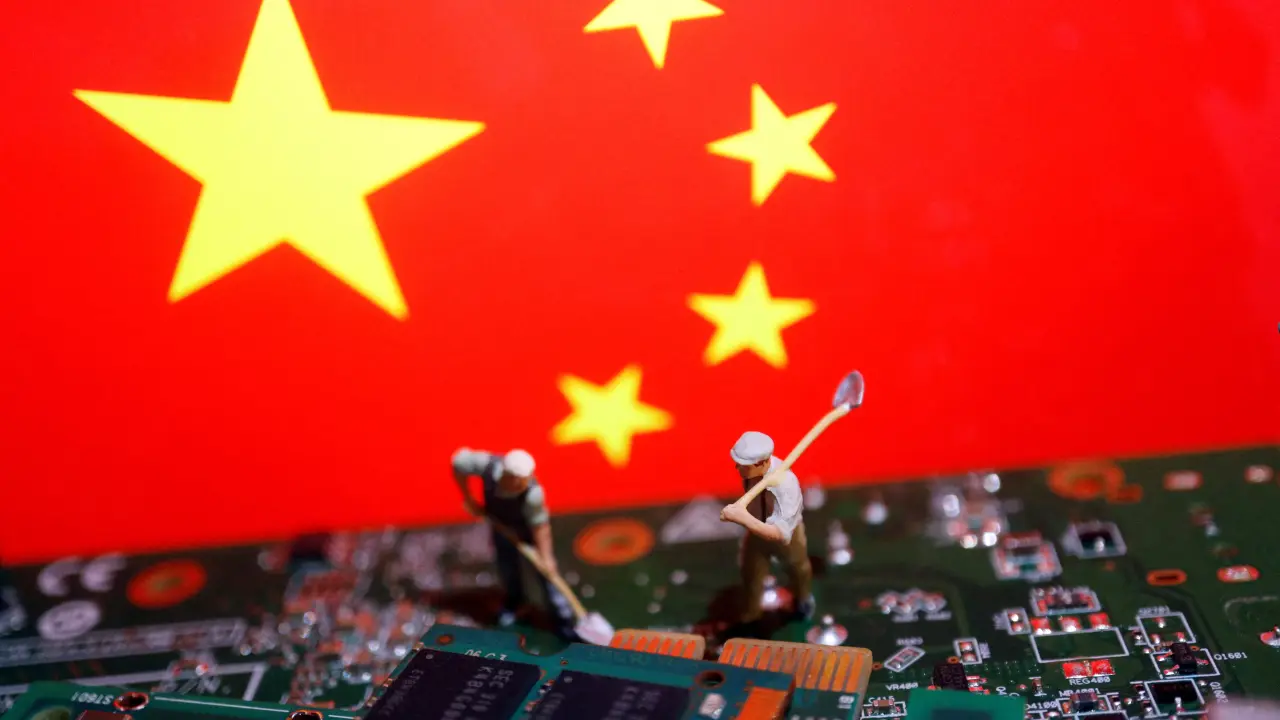
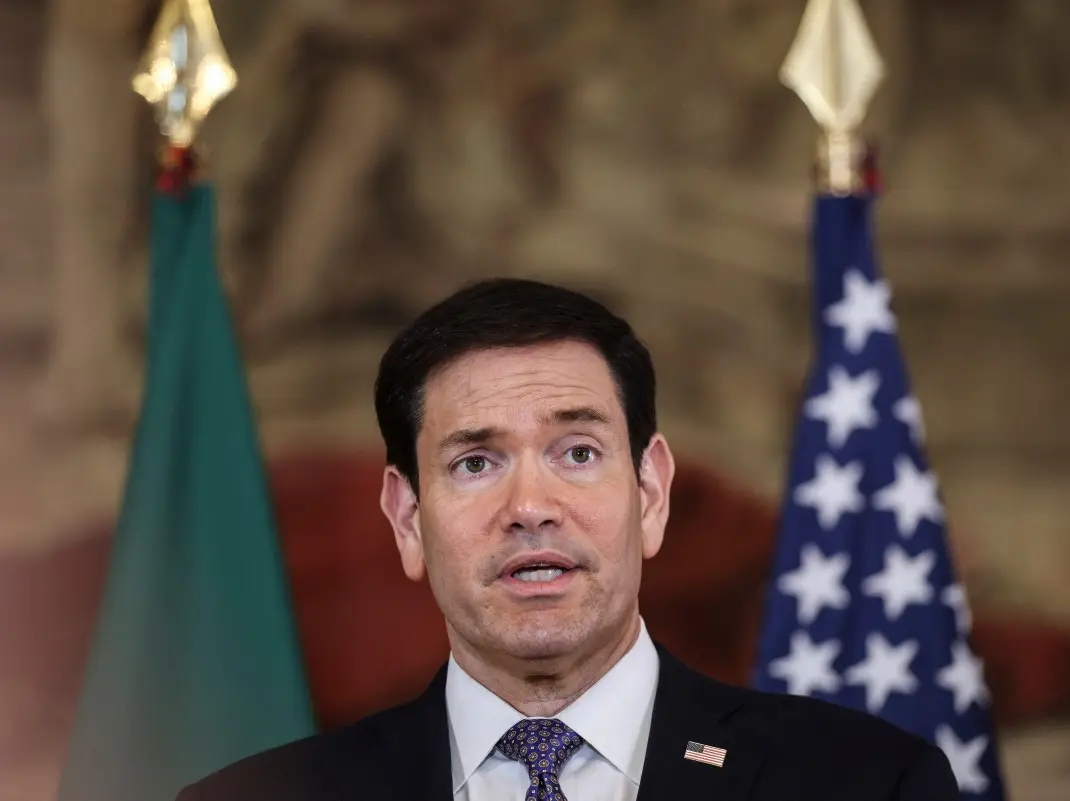
Last week, China launched sweeping export controls on key rare earths and processing technologies, just ahead of President Xi Jinping’s planned summit with US President Donald Trump, which the latter cancelled in anger. The Chinese curbs applied to holmium, europium, and ytterbium. It also blocked exports of critical magnet materials. Trump then threatened to slap 100 per cent tariffs on Chinese goods and framed the export bans as a national security threat to the US. In the American view, the curbs were tantamount to economic warfare.
Trending Stories
&imwidth=280&imheight=210&format=webp&quality=medium)
&imwidth=280&imheight=210&format=webp&quality=medium)
&imwidth=280&imheight=210&format=webp&quality=medium)
&im=FitAndFill=(700,400)&imwidth=280&imheight=210&format=webp&quality=medium)
&imwidth=280&imheight=210&format=webp&quality=medium)
&imwidth=280&imheight=210&format=webp&quality=medium)
&imwidth=280&imheight=210&format=webp&quality=medium)
&imwidth=280&imheight=210&format=webp&quality=medium)
&imwidth=280&imheight=210&format=webp&quality=medium)
&imwidth=280&imheight=210&format=webp&quality=medium)
&imwidth=280&imheight=210&format=webp&quality=medium)
&imwidth=280&imheight=210&format=webp&quality=medium)
&im=FitAndFill=(700,400)&imwidth=280&imheight=210&format=webp&quality=medium)
&imwidth=280&imheight=210&format=webp&quality=medium)
&imwidth=280&imheight=210&format=webp&quality=medium)
&imwidth=280&imheight=210&format=webp&quality=medium)
&imwidth=280&imheight=210&format=webp&quality=medium)
&imwidth=280&imheight=210&format=webp&quality=medium)
&imwidth=280&imheight=210&format=webp&quality=medium)
&imwidth=280&imheight=210&format=webp&quality=medium)
&imwidth=280&imheight=210&format=webp&quality=medium)
&imwidth=280&imheight=210&format=webp&quality=medium)
&imwidth=280&imheight=210&format=webp&quality=medium)
&imwidth=280&imheight=210&format=webp&quality=medium)
&imwidth=280&imheight=210&format=webp&quality=medium)
&imwidth=280&imheight=210&format=webp&quality=medium)
&imwidth=280&imheight=210&format=webp&quality=medium)
&imwidth=280&imheight=210&format=webp&quality=medium)
&imwidth=280&imheight=210&format=webp&quality=medium)
&imwidth=280&imheight=210&format=webp&quality=medium)
&imwidth=280&imheight=210&format=webp&quality=medium)
&imwidth=280&imheight=210&format=webp&quality=medium)
&imwidth=280&imheight=210&format=webp&quality=medium)
&im=FitAndFill=(700,400)&imwidth=280&imheight=210&format=webp&quality=medium)
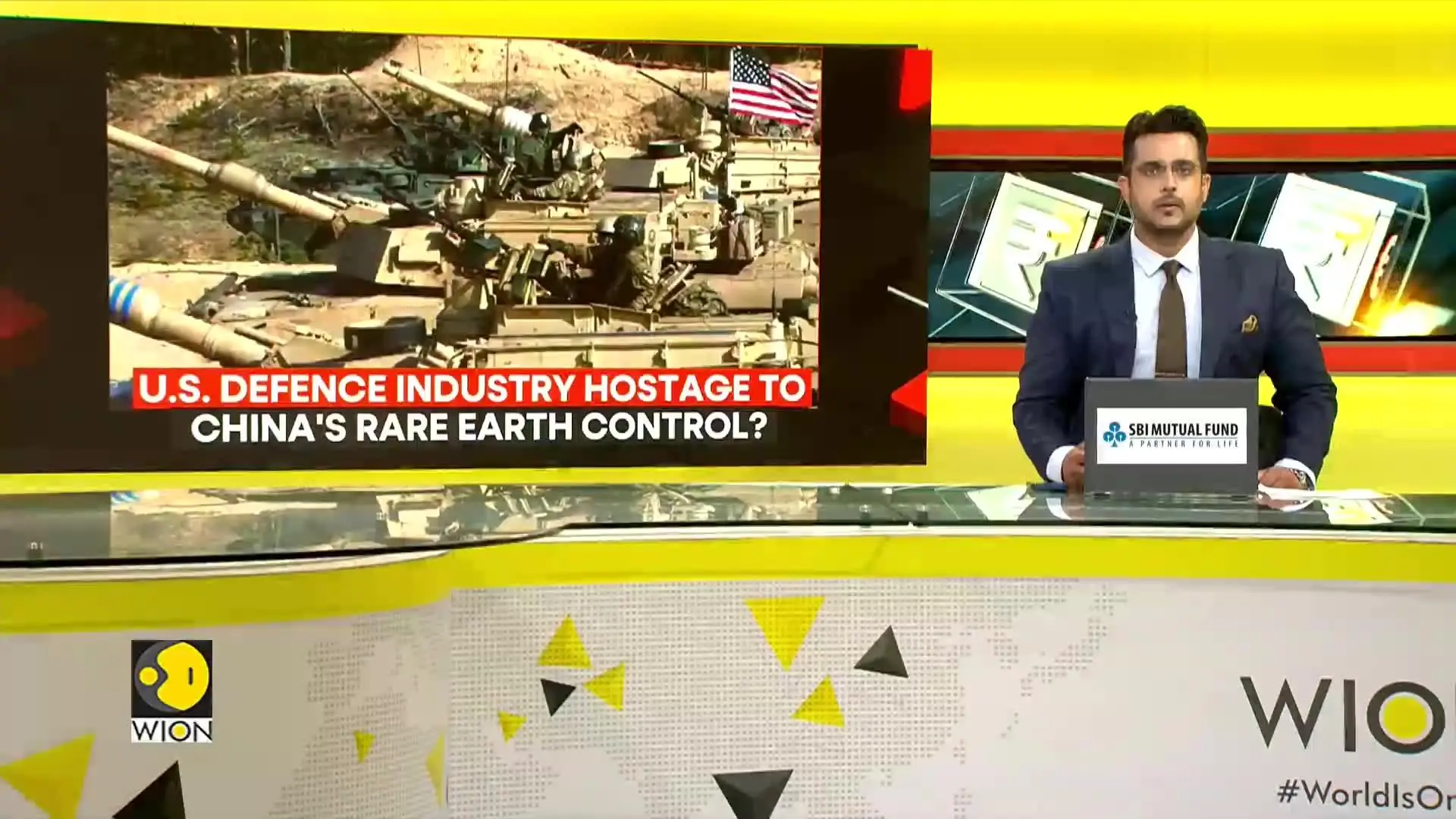
In an analysis, the Centre for Strategic and International Studies (CSIS) warned these curbs could cripple American defence production within months, because without Chinese rare earths, America’s F-35 jets, submarine systems, and precision-guided munitions cannot be built.
Decades of offshoring and underinvestment in rare earths have left the US and the West utterly dependent on China, with no viable alternatives in the short term.
This is how critical minerals have become strategic leverage, just like oil once was—leading to the West’s excuses for military interventions in producer countries, mostly in the Middle East.
Rare earths are already a key factor in conflict zones, from Africa to Asia to Europe
The scramble for rare earths is already playing out as a key aspect in several conflict and post-conflict zones. Trump’s planned re-entry into Afghanistan is being seen by many analysts in the context of the vast untapped reserves that include rare earths, lithium, and copper—at an estimated total value of up to $3 trillion by some accounts.
Even before the US withdrew from Afghanistan in 2021 after 20 years of occupation, China had moved in aggressively, having signed multi-billion-dollar mining deals. Before and during the new Taliban regime, Chinese mining workers have been attacked by Taliban-linked groups and Islamic State Khorasan. The region is slowly becoming a battleground not just of jihadist ideology and terror, but of extraction rights. With Trump aides already discussing “securing American interests” in Afghanistan, the Great Game has shifted underground, quite literally.
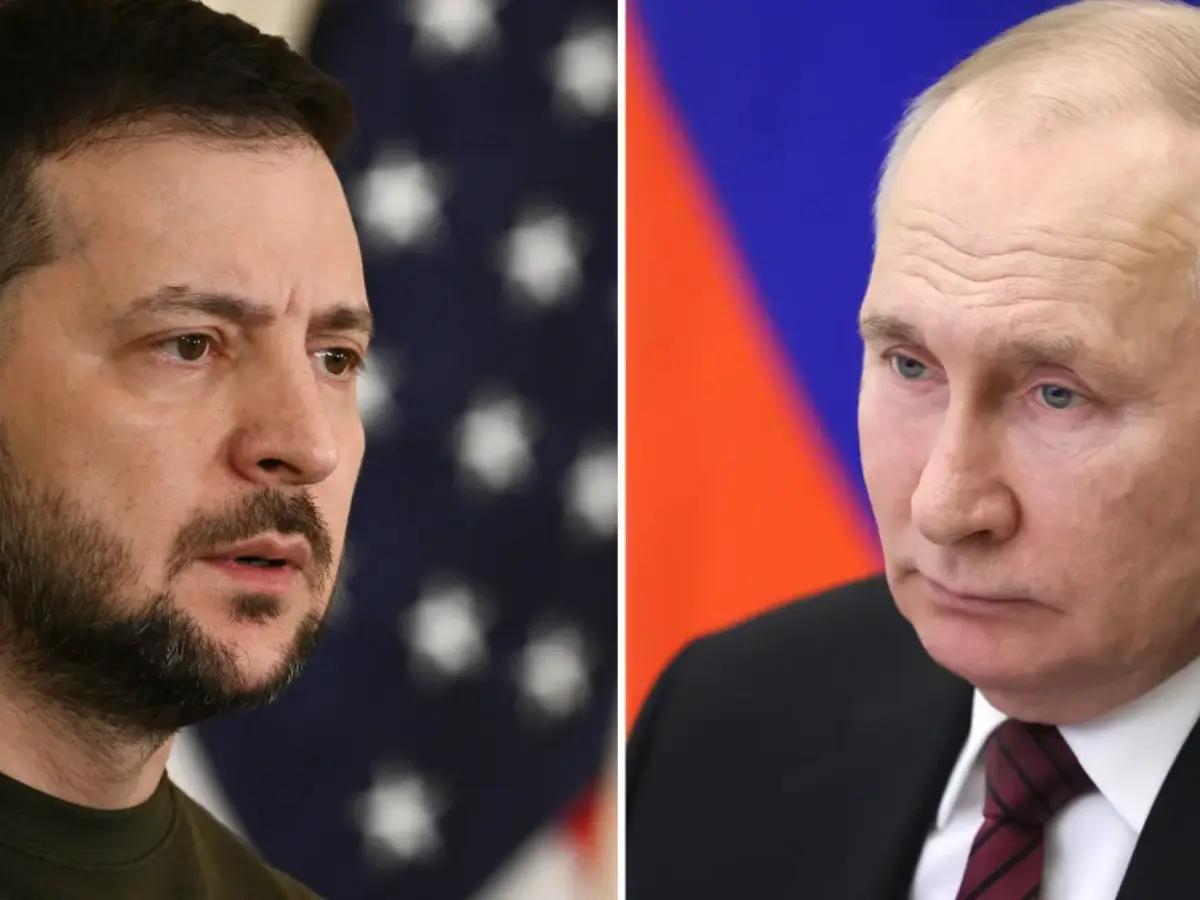
As the Ukraine-Russia war continues, mineral geopolitics is on full display. Invading Ukraine gave Russia control of roughly half of its rich rare earth deposits, and much of its graphite, lithium, and uranium. These resources are central to European energy independence and Western re-industrialisation plans.
Under Trump, the US struck a deal with Ukraine for preferential access to its critical minerals, tying aid to resource rights—a kind of quid pro quo.
Thus, the war has now become, at least partially, about controlling Europe’s last great mineral trove. Russia has weaponised these assets, using export controls and territorial dominance to manipulate markets and supply chains.
Africa, one of the most mineral-rich regions in the world, is quietly becoming the next arena—even amid civil conflicts. Burundi, Tanzania, and the DRC hold enormous reserves of neodymium, cobalt, and dysprosium, but are also ravaged by decades of internecine wars involving armed groups, armies and governments. In spite of these conflicts, China has managed to dominate mining operations in the African continent for years.
Amid the unrest and corruption, Western nations are planning to re-enter Africa strategically in several mineral-rich states, reminiscent of the scramble for Africa during colonialism.
Rare earth extraction has been linked to insurgencies, land seizures, and violence in Africa.
A resource opportunity to resource war: How demand-supply gaps could evolve into real conflicts
Rising demand, monopolised supply, and unstable extraction zones—that’s the perfect powder keg that could ignite future wars in places with rare earth resources.
Unlike oil, these minerals cannot be easily substituted, stored, or rerouted. Scarcity, strategic value, and long development cycles make them uniquely explosive and vulnerable to conflicts.
Rare earths are the new fault lines of power. And the quiet race beneath the surface is already erupting into open confrontations.
Whether in Ukraine, the mountains of Afghanistan, the jungles of the DRC, or the Gobi Desert, the next great conflict may be decided not by ideology or territory, but by who owns the minerals beneath our feet.
And those who control the flow will control the future. We are not headed toward a rare earths war; we are already in it.