5 countries with the most critical minerals for the future of energy and technology

Lithium, cobalt, and rare earth elements power batteries, electric vehicles, and green tech. A handful of countries dominate global supply and refining shaping who leads the energy transition and future technologies.
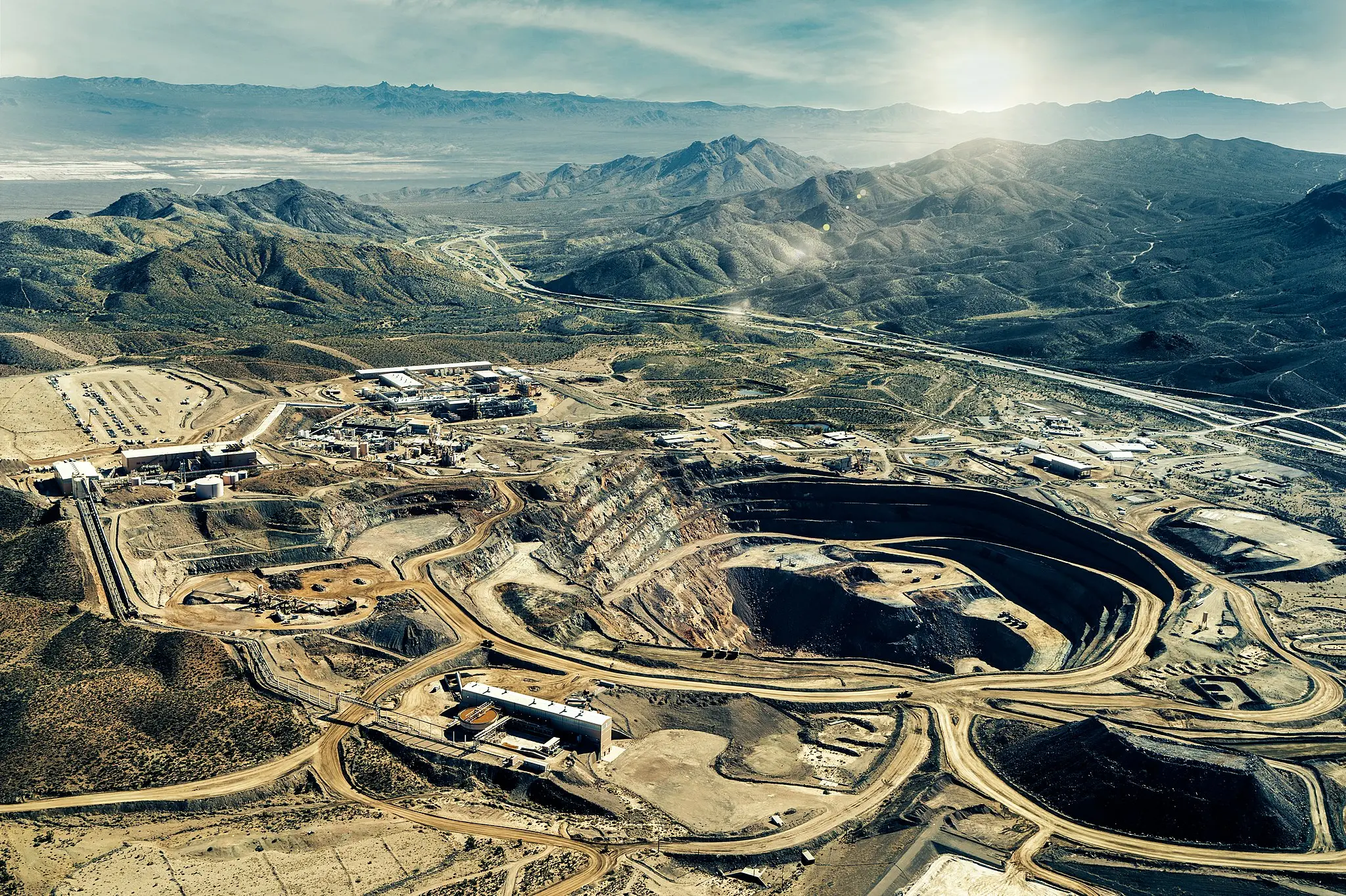
Critical minerals like lithium, cobalt, and rare earth elements
Critical minerals like lithium, cobalt, and rare earth elements are vital for making batteries, electric cars, and green energy tech. Just a few countries control most of these minerals shaping who leads the next industrial era.
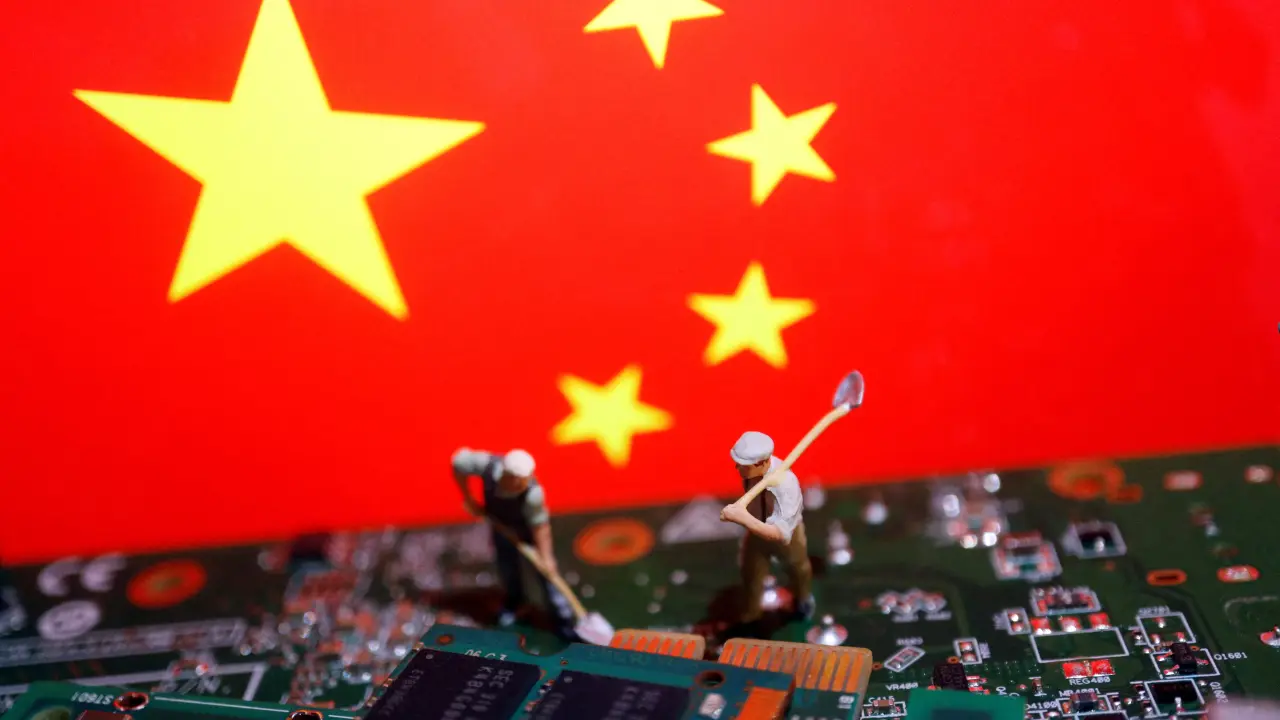
China
China is the leader for rare earth elements, controlling over 60 per cent of global supply and 90 per cent of refining. China also produces large amounts of graphite, tungsten, vanadium, and rare metals used in electronics and defence. Its strategic hold on mine-to-market supply chains is unmatched.
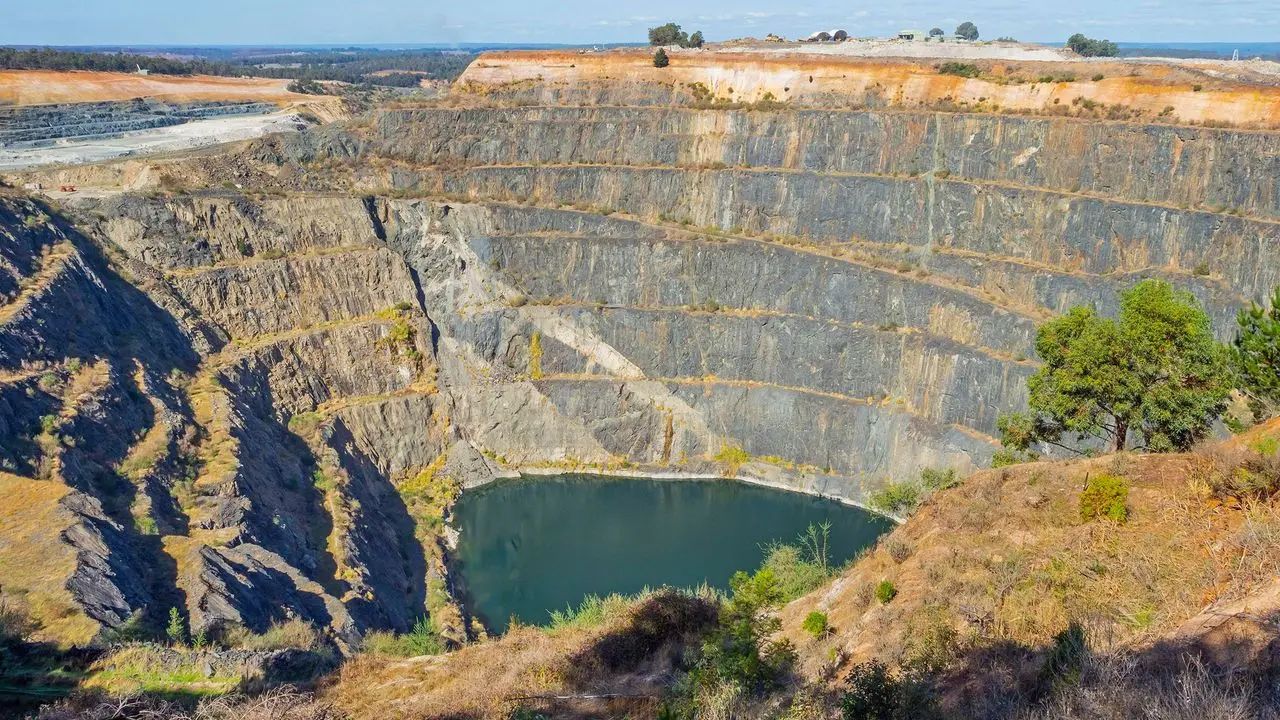
Australia is the world’s top lithium producer and a major source of nickel and rare earths.
Australia is the world’s top lithium producer and a major source of nickel and rare earths. It supplies much of the lithium for global batteries and partners with the US and other allies to build a trusted supply. The country’s stable policy and large reserves make it a pillar for global clean tech.
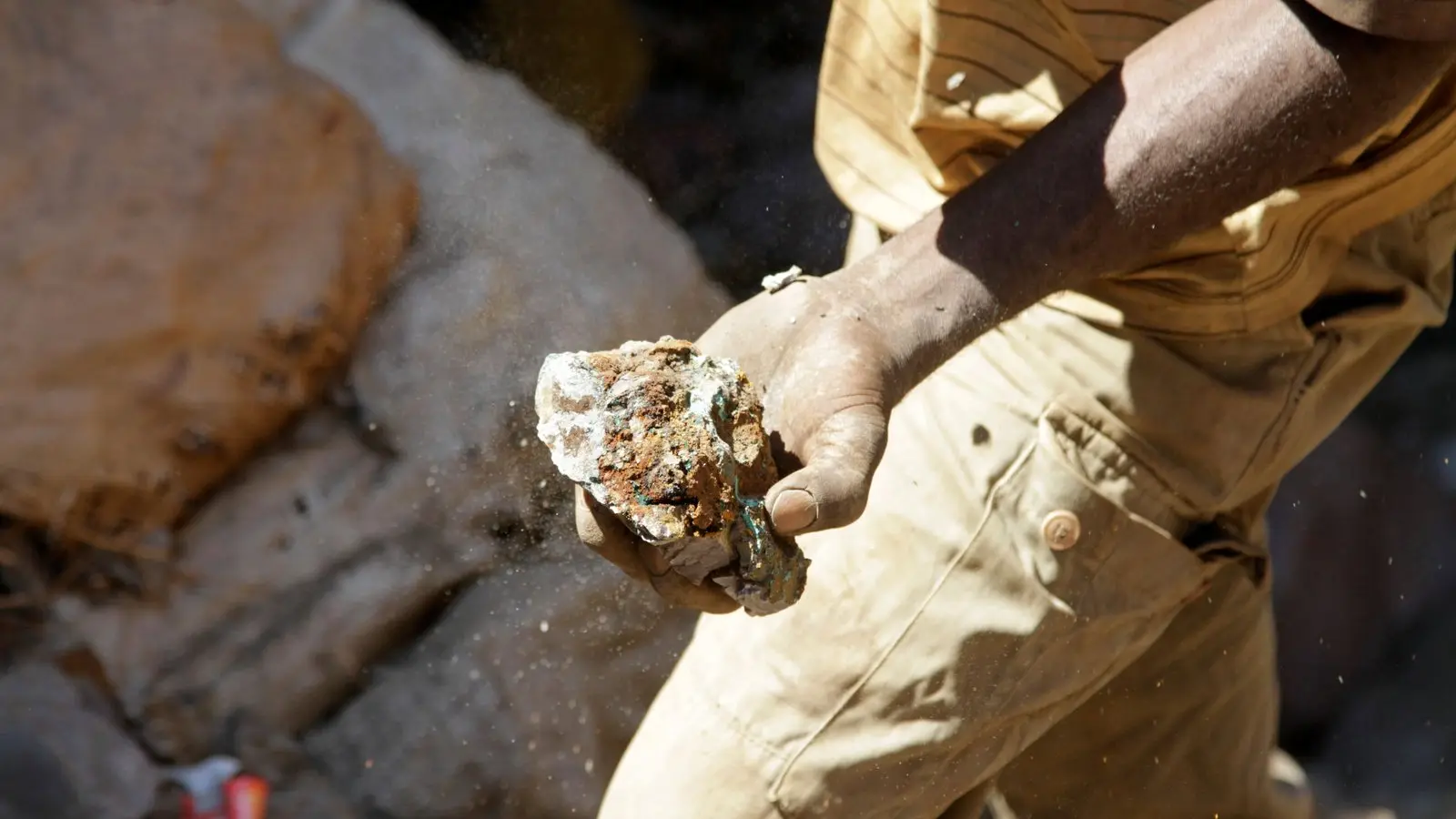
Democratic Republic of the Congo (cobalt)
Democratic Republic of the Congo (DR Congo) supplies over 70 per cent of the world’s cobalt, which is key for batteries and electric vehicles. Its massive cobalt reserves shape prices and supply chains worldwide, though ethical sourcing is a challenge.
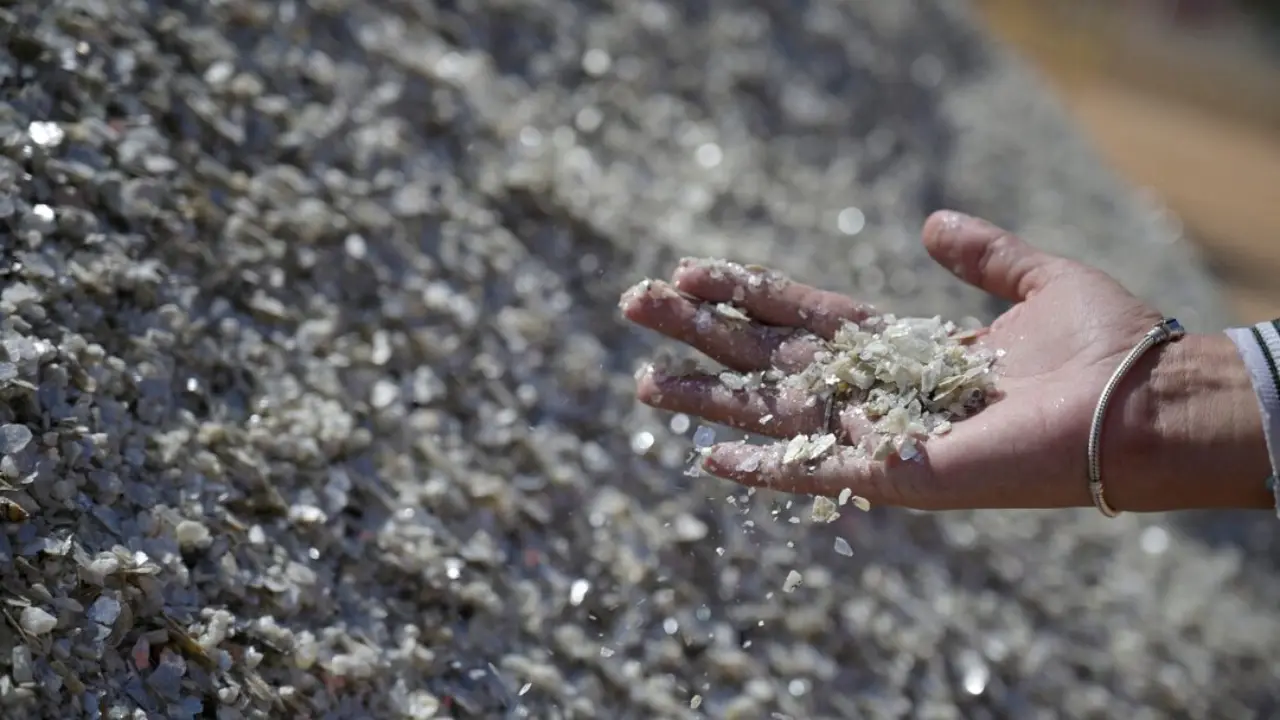
Brazil (lithium)
Brazil holds massive reserves of both rare earths and lithium, and is ranked second worldwide for rare earths. Brazil’s mineral wealth is untapped compared to top rivals, suggesting it may become even more central as new projects launch.
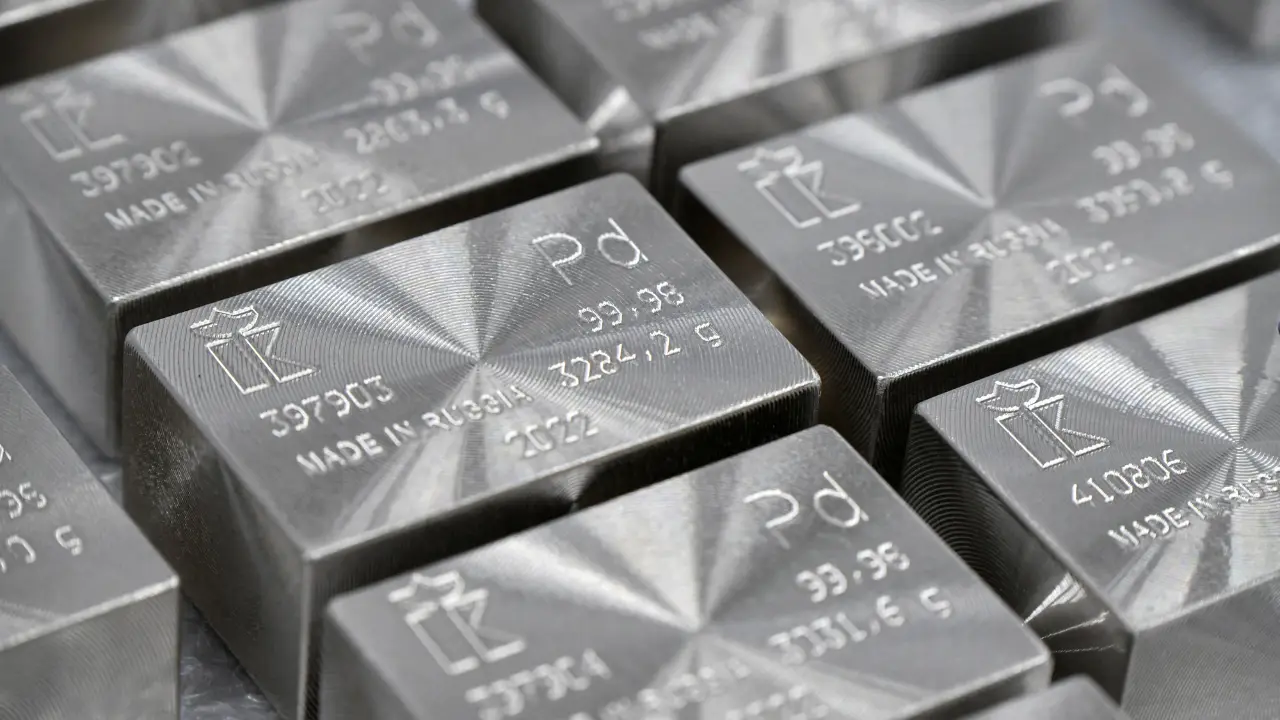
Russia (nickel)
Russia ranks among the top for nickel, palladium, and rare earths, with state-backed mining giants and key exports to Asian markets. Its huge reserves ensure it remains a global contender in battery and technology minerals, despite the impact of international sanctions.
)
)

)
)