&imwidth=800&imheight=600&format=webp&quality=medium "Will China attack Taiwan in 2027? What's the Davidson Window?")
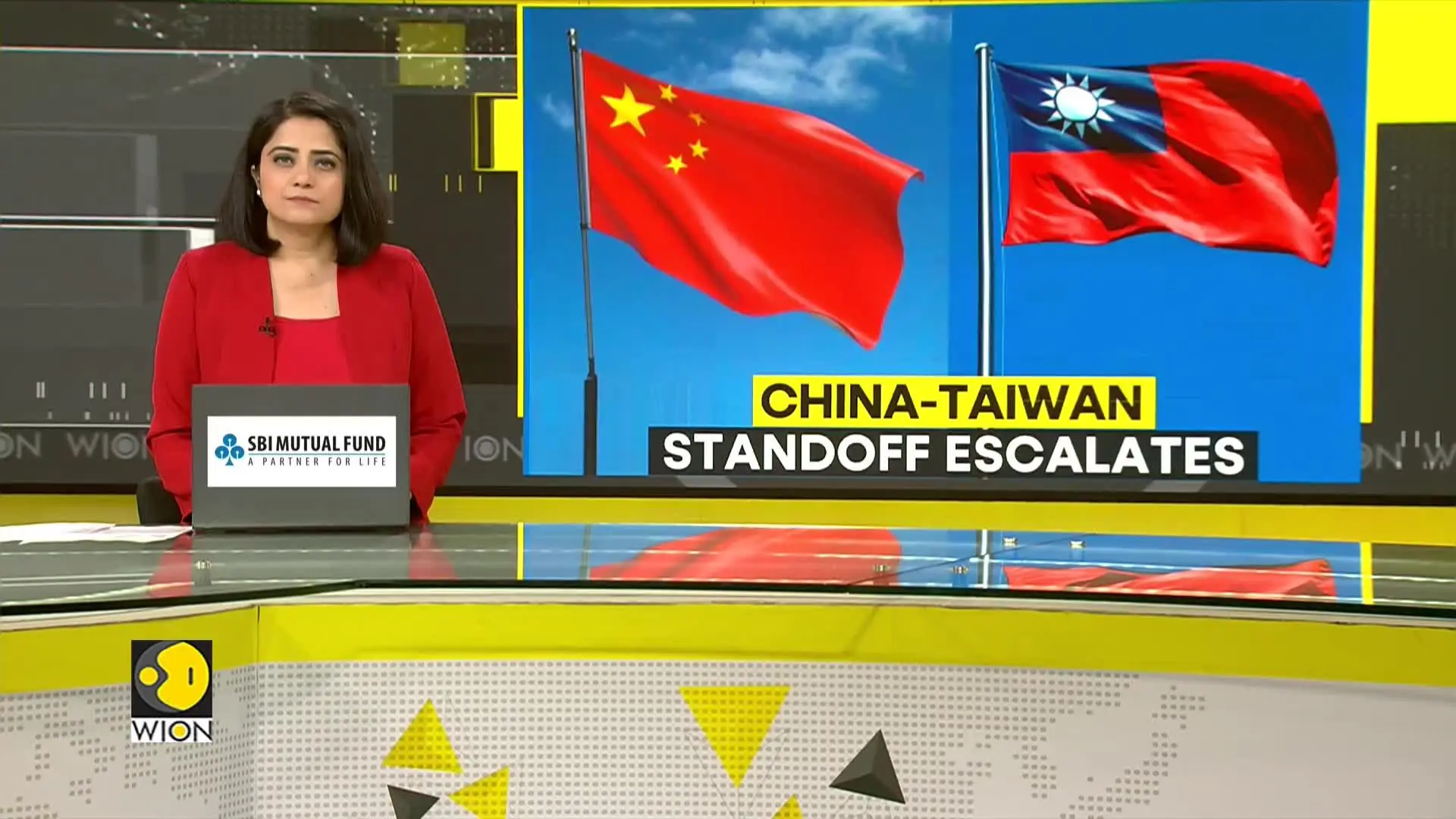
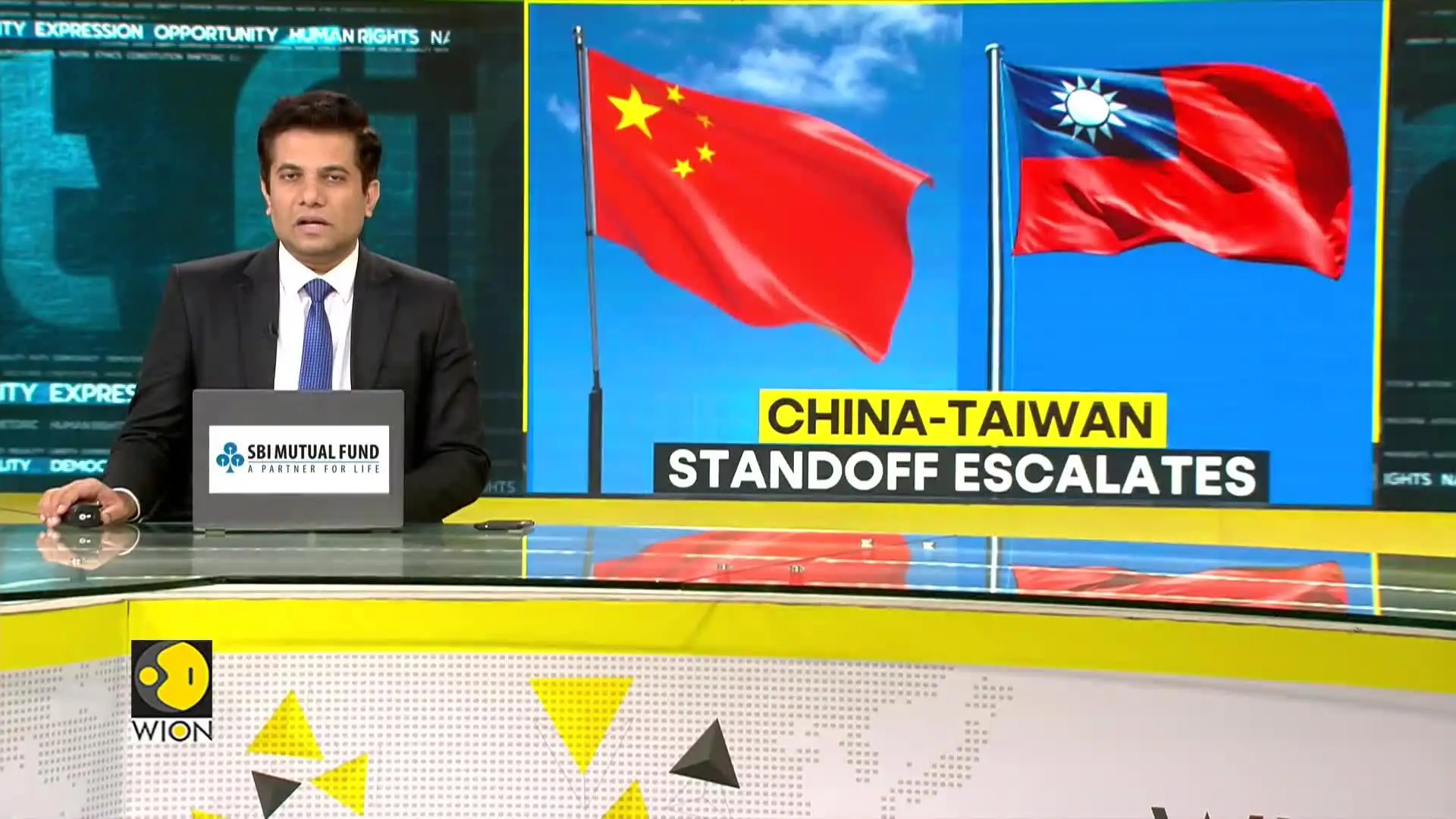
The military preparations by Taiwan to face a potential invasion by China, and the increasing aerial and naval incursions by the People's Liberation Army (PLA) along the Taiwan Trait, are bringing back the so-called 'Davidson Window' debate. This is a kind of notional timeline linked to a warning by a US military official about when China could be capable of attempting to reunify Taiwan with the mainland, by force if required. China has in recent years pushed back against interpretations of the Davidson Window as an invasion deadline, with its leaders often saying there is no fixed timetable for reunification. Nevertheless, events on the ground point to a continuing military build-up. Here is a backgrounder:
Taiwan tensions: Significance of the 2027 deadline and the Davidson Window
In simple terms, the ‘Davidson Window’ is a military readiness milestone rather than a prediction of a definite invasion date. The year 2027 was highlighted by Admiral Philip Davidson. In 2021, the then commander of the US Indo-Pacific Command warned that China could have the capability to attempt to take control of Taiwan by 2027. That is why 2027 came to be known as the 'Davidson Window' in strategic and military circles. The strategic concept boosted US efforts to assist Taiwan bolster its defences. The Congress authorised billions of dollars worth of military aid for the 2021-2027 timeline mentioned in the Davidson Window.

Why is 2027 significant for China?
The year 2027 overlaps with several internal Chinese milestones. It is the 100th anniversary of the PLA's founding. The year will also precede the 21st National Congress of the Chinese Communist Party, where President Xi Jinping is widely expected to seek another term in power. If he secures another five-year term, Xi will become China's longest-serving paramount leader since Mao Zedong.
Trending Stories
)
Infections transmitted from pregnant woman linked to autism risk
)
Justice eludes Air India 1985 bombing victims as Canada probe goes 'inactive' | Gravitas
)
'What kind of confession is this?': Pakistan PM Shehbaz Sharif’s 'terrorists would be roaming New York' remark goes viral, raises alarm online. Watch
)
Over 4,200 books withdrawn from circulation in J&K colleges, 94% from Kashmir
)
Bomb scare in New York amid UNGA: Suspicious suitcase found near UN headquarters
)
WION Iconic Tourism Summit and Iconic Awards 2026: India's travel economy leaders gather in Delhi
)
Oil slips to $98 as Saudi Arabia restarts East-West oil pipeline
)
Trump signs Greenland security deal with Denmark, paving way for two new US military bases
&im=FitAndFill=(700,400))
National Film Awards 2026: Kartik Aaryan, Mammootty, Yami Gautam, Randeep Hooda and other key winners
)
Trump calls on nations to quit ‘rogue’ and ‘out-of-control’ International Criminal Court, rips UN
)
IND vs JPN, one-off T20I: Japan captain Kendel on pushing India to the brink - ‘It was special’
)
Yemen clashes kill 154 people in two days as cornered Saudi battles Houthi offensive | Gravitas
)
'Taiwan and human rights are red lines': China warns US ahead of Xi-Trump visit
)
IND vs JPN T20I: How an overturned wide became point of difference between India's win and a tie
)
IIT Bombay professor Suryanarayana Doolla sent on leave amid Sahil Wakode death probe
)
Trump revives India-Middle East-Europe economic corridor as India emerges central to West Asia’s future: What is it?
)
Nor'easter could batter 13 US states this week. What you should know
)
ICC plans T20I expansion and fewer ODIs in 2027–2031 FTP cycle: Report
&im=FitAndFill=(700,400))
New OTT releases this week (September 21-27, 2026): Shaque: Trust No One, Hunkkaar, Don’t Be Shy- 5 new titles coming to Netflix, Prime Video and more
)
Cyclone Arnab: Landfall expected before midnight tomorrow as IMD issues orange alerts across six states
)
81st UN General Assembly: Burnham announces UK-US AI defence tie-up
)
Anne Hathaway to run in supporting race for Nolan's epic
)
Trump-Xi summit: From trade to Taiwan, what will the US and Chinese presidents discuss in Washington?
)
Elephants hide behind trees, stage surprise attack on poachers targeting rhinos in South Africa
)
Mikel Arteta verbally agrees to three-year extension with Arsenal after title-winning Premier League season
)
Gravitas | Boosting NHS productivity could save 20,600 lives in UK annually: Report
)
From Gaddafi tearing up UN Charter to Trump’s ‘escalatorgate’: Most unforgettable UNGA moments
)
Asia prepares for record El Nino, food shock
)
US and China vie for AI dominance as calls grow for regulation | Gravitas
)
Four female students raped during 'Red Zone' at California university. What we know
)
Erdogan again raises Kashmir issue at UNGA, calls for dialogue under UN Charter
)
Raaka creates history! Allu Arjun’s film secures Guinness World Record ahead of release
)
'Mumma’s boy from Gwalior who dared to dream': Kartik Aaryan pens long note after first National Award win
)
WION Iconic Tourism Summit and Awards 2026: Key voices to discuss India’s tourism future
)
‘Strike a deal or drive Iran into hell’: Trump issues fresh warning to Tehran at UNGA
)
US-China tech war: Businesses in the front line
)
Explainer: Why rare-earth export licences and Board of Trade are US priorities ahead of Trump-Xi summit
The year 2027 also marks the culmination of a PLA modernisation goal set by Xi Jinping, who instructed the military to accelerate capabilities needed to fight and win modern wars.
US officials have repeatedly stressed that 2027 should be viewed as a readiness target, not an invasion deadline. Former CIA Director William Burns said Xi had instructed the PLA to be ready to conduct an invasion of Taiwan by 2027, but added that this did not mean a decision to launch one had been made.
Is China really preparing to invade Taiwan in 2027?
Xi has been dismissive of suggestions that Beijing has set 2027 as an invasion date, reportedly telling US officials in 2023 that there were no such plans. A US intelligence assessment released in March 2026 said China does not currently plan to invade Taiwan in 2027 and has no fixed timetable for reunification. The report said Beijing still prefers to achieve unification without the use of force if possible, while continuing to develop military options and contingency plans. The US Annual Threat Assessment concluded that Beijing prefers non-kinetic means if possible.
Taiwan and China: Shift from invasion risk to coercive pressure
Nevertheless, the year 2027 remains a capability checkpoint that worries military planners. It would also carry political symbolism for Xi if China were able to make significant progress towards its Taiwan-related objectives by then.
Recent military developments across the Taiwan Strait should be seen in this context.
In late 2024 and 2025, China conducted a series of large-scale military exercises around Taiwan, including blockade and encirclement simulations. In December 2025, the PLA held "Justice Mission" drills that featured scenarios linked to isolating and pressuring the island.
Taiwan's military preparations
Taiwan plans to deploy High Mobility Artillery Rocket Systems (HIMARS) and other long-range strike assets to strengthen deterrence, including on strategically important outlying islands such as Penghu and Dongyin. Taiwan is also seeking to advance major US arms purchases, with reports indicating that discussions have included packages worth up to US$14 billion.
It is considering additional long-range precision-strike capabilities and continues to invest in asymmetric warfare systems, such as anti-ship missiles, drones and mobile launchers.
Domestic debates continue in Taiwan over special defence budgets, amid opposition resistance and legislative wrangling. In 2026, proposals for substantial additional defence spending remained under debate.
Taiwan is also expanding its anti-ship missile arsenal, with plans to field significantly larger numbers of Harpoon and indigenous Hsiung Feng missiles by the end of the decade as part of its strategy to deter a Chinese blockade or invasion.
Trump's ambivalence amid PLA's aerial and naval activity around Taiwan
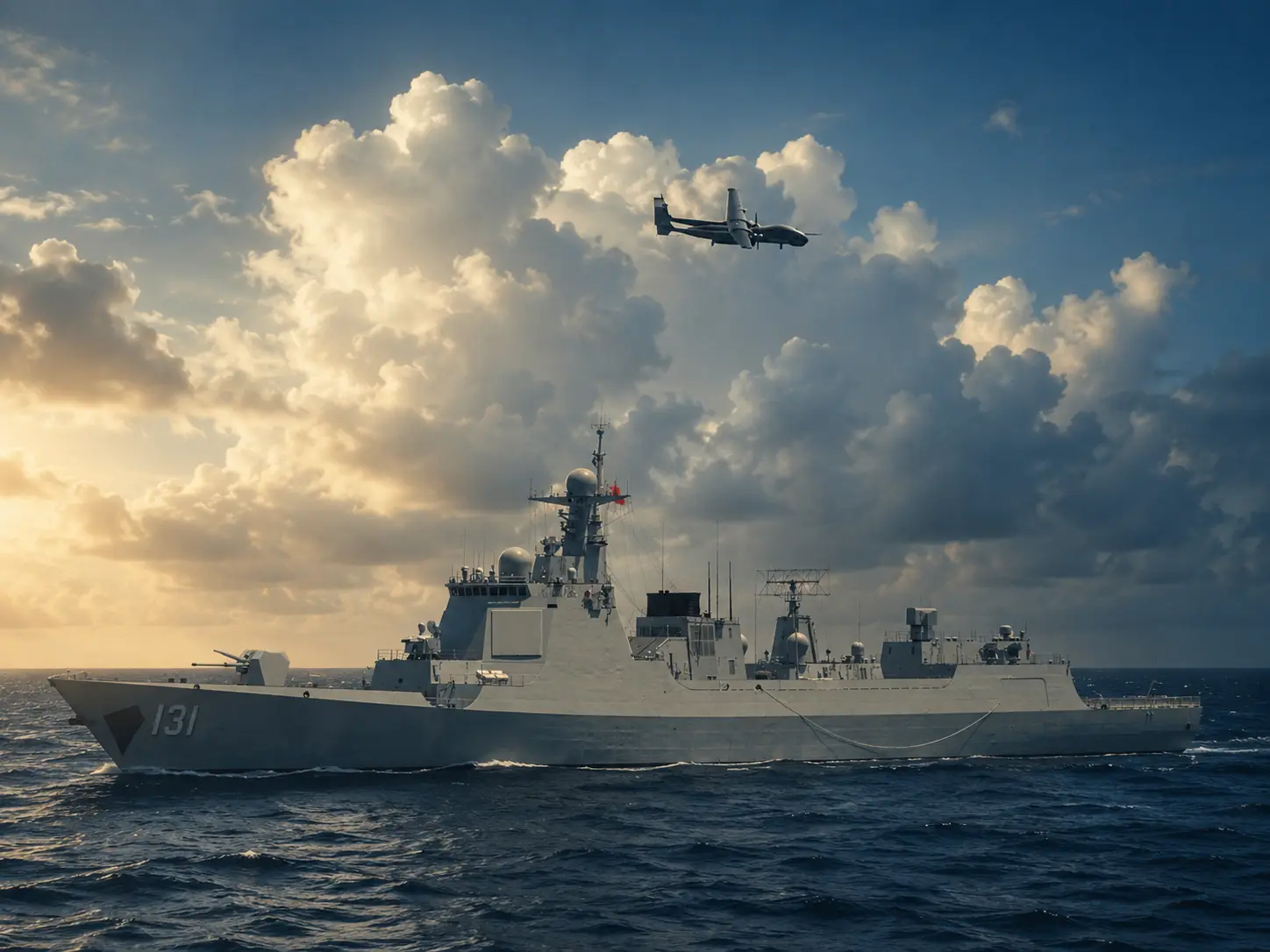
Dozens of Chinese aircraft sorties and multiple naval vessels are regularly detected around the Taiwan. Chinese military pressure has increasingly taken the form of so-called "grey-zone" operations that stop short of open conflict.
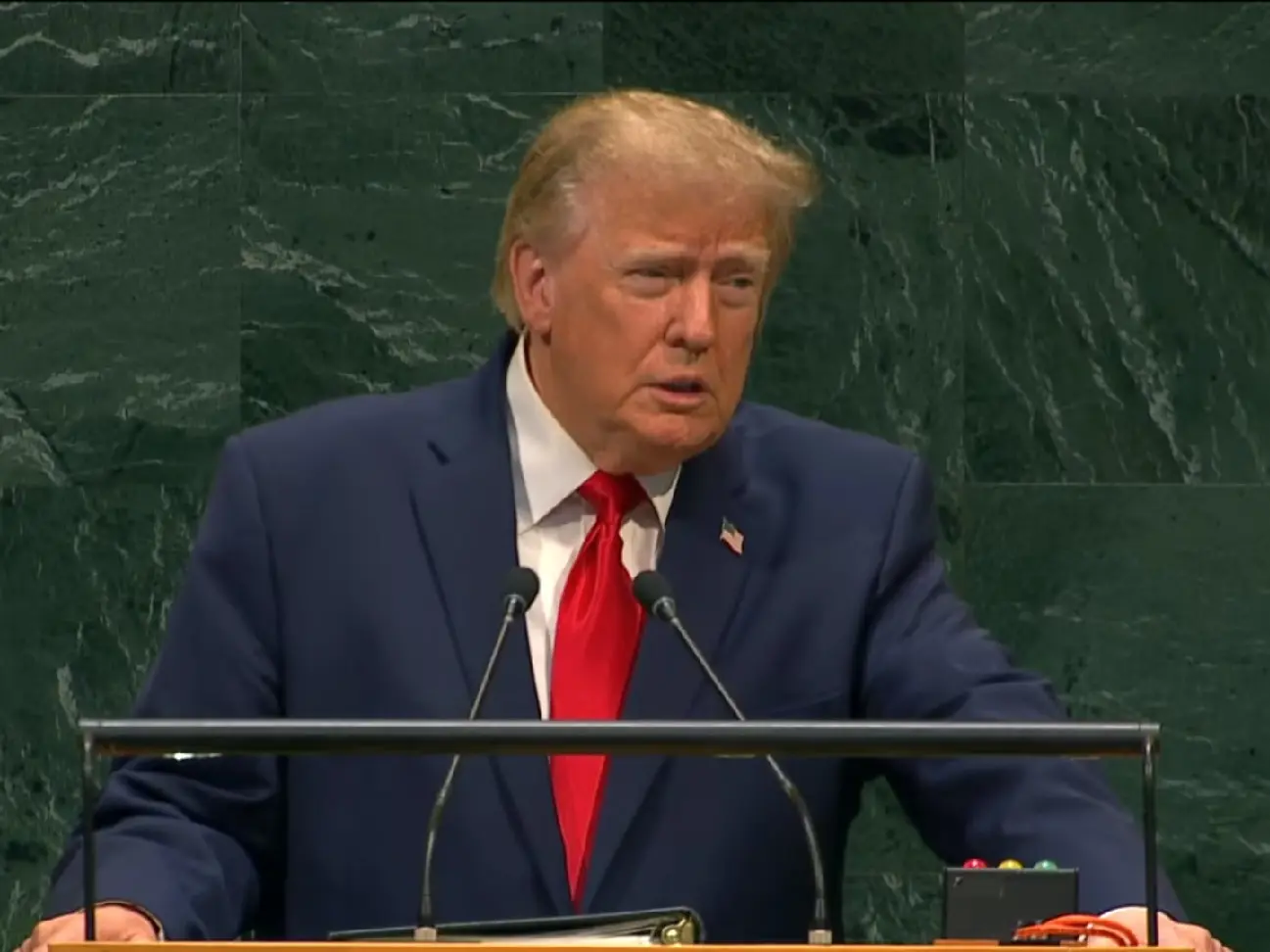
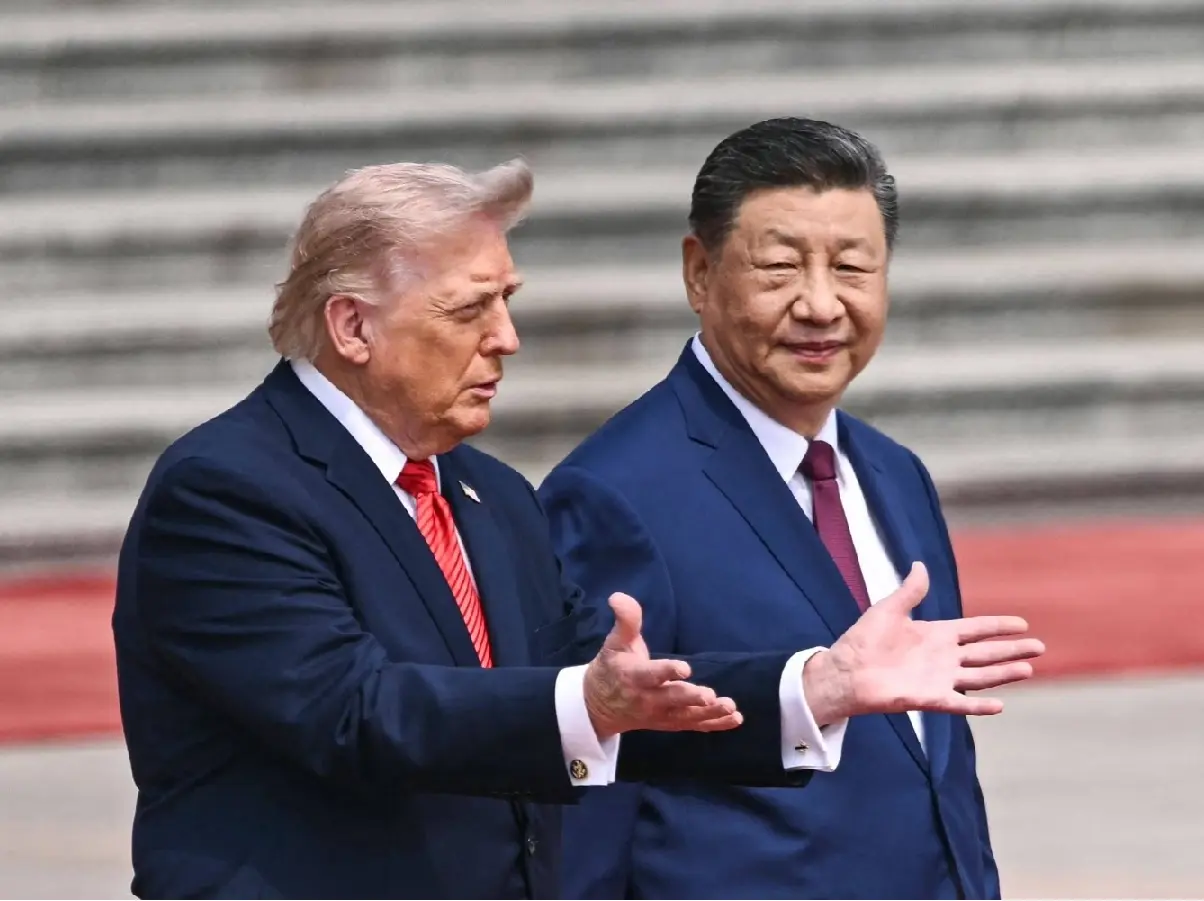
The administration of President Donald Trump, meanwhile, has at times sent mixed signals on how the United States would respond to a Taiwan contingency. Trump has claimed that Xi assured him China would not attack Taiwan during his presidency, although Beijing has not publicly confirmed such an understanding. At the same time, US officials have continued public reaffirmations of support for Taiwan's defence needs and arms purchases.
The key question, therefore, is not whether China will necessarily attack Taiwan in 2027, but whether the PLA will have achieved by then the military capabilities that Chinese leaders may wish to keep available as an option. Increasingly, US intelligence assessments suggest that 2027 - the year of 'Davidson Window' - should be seen as a readiness benchmark rather than a deadline for war.