
&imwidth=800&imheight=600&format=webp&quality=medium "Why is Venezuela frequently hit by devastating earthquakes? WION Decodes reason behind major seismic events")
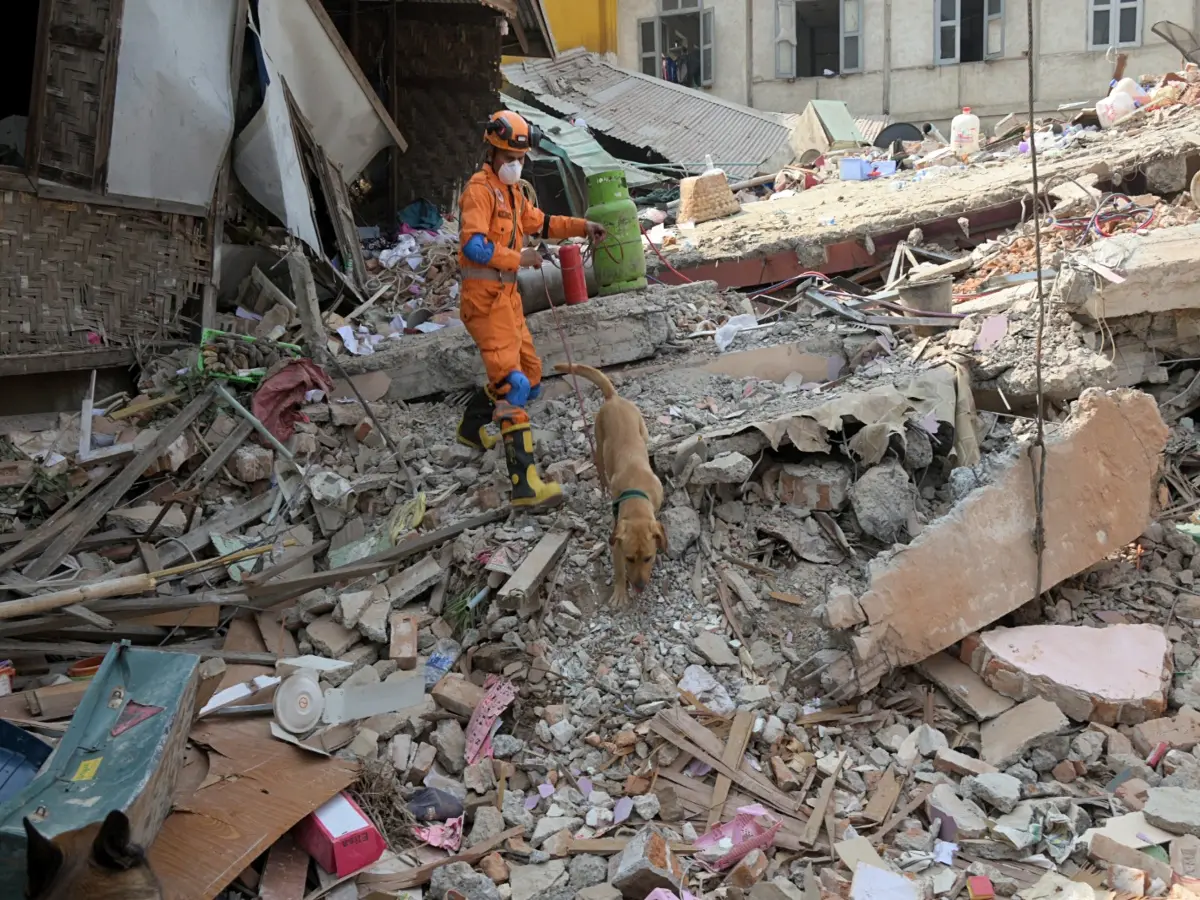
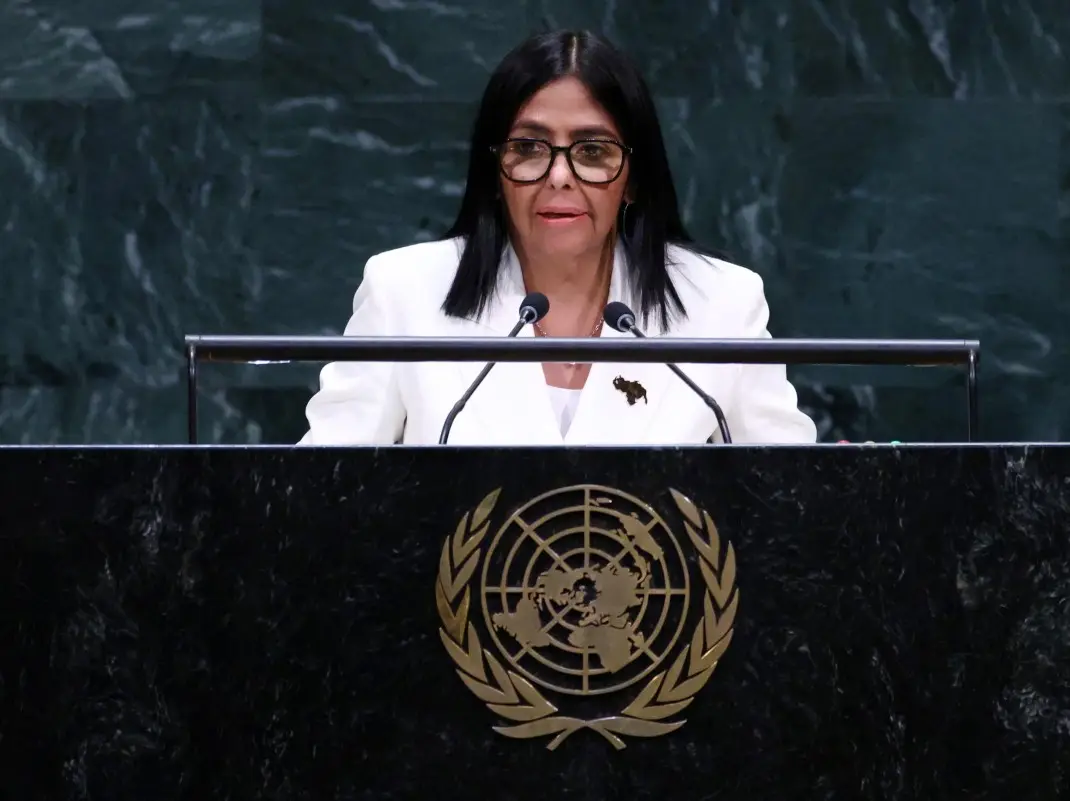
Two powerful earthquakes measuring 7.2 and 7.5 on the Richter scale hit Venezuela on Wednesday evening leaving at least 164 people dead and 971 injured, said acting Venezuelan President Delcy Rodríguez in an update early Thursday. The death toll is likely to rise and is feared to be much higher, given the number of collapsed and damaged buildings, as rescue operations continue.
The earthquakes, that have caused large scale destruction, both in terms of live and property struck less than a minute apart. Their epicentres were located about 45 kilometres from each other and occurred at different depths, according to USGS data.

According to US Geological Survey there is a 44% chance ( figures are based on a predictive model) of the death toll from Venezuela earthquakes exceeding 10,000 people. There is also a 45% chance of the economic costs exceeding $10 billion.
Why does Venezuela observe frequent earthquakes?
Venezuela has been hit by devastation earthquakes in the past too and there are many reasons for this
Trending Stories
)
'We would all be dead': Netanyahu defends decision to strike Iran's nuclear facilities in his UN speech
)
Xi Jinping's 'special plane' vs Trump's Air Force One: What's the difference?
)
'AI got into my speech': Prince Harry jokes after teleprompter failure at event in New York
)
‘Both will lose in confrontation’: Xi says US and China should ‘coexist in peace’
)
Australian PM Anthony Albanese calls OpenAI AI incident 'unacceptable' after restricted data access
)
WION Iconic Tourism Summit 2026: Union Minister Shekhawat on 'experiential travel', peace diplomacy
)
Scientists detect first radio signals directly from faraway planet
)
China to test supersonic jet that moves at Mach 2, double the speed of sound
)
Welcome actor Mushtaq Khan dies at 56 after battling cancer
)
WION Iconic Tourism Summit: How local tourism MSMEs must upskill for AI integration
)
What’s on the menu? Inside Trump’s lavish White House state dinner for Xi
)
Hamilton wants to race in Middle East despite not knowing 'what risk levels are'
)
Russia likely to target Spain, France and Italy in drone attacks, warns CIA: Report
)
US judge questions Trump’s decision to ban CNN, MS NOW and Politico from White House
)
Who is Peng Liyuan? Xi Jinping's singer wife and China's most visible First Lady
)
IIT Bombay CCTV footage emerges: Sahil Wakode seen looking at phone in examination hall
)
Forget the smartphone: This tiny gadget could be Meta’s answer to the post-smartphone era
)
'There will be elections': Venezuela's interim leader Delcy Rodriguez makes big announcement at UN
)
Trump’s Board of Peace unveils $2.45bn Gaza plan,66 projects: But where’s the money?
&im=FitAndFill=(700,400))
Netanyahu at UN: Mass walkout, attack on Mamdani and Iran threats | In Pics
)
For the first time, the UN Security Council sat US and Chinese AI makers at the same table
)
Israeli envoy to US Yechiel Leiter’s son critically injured in West Bank ramming attack
)
250-pound WWII bomb found in Falmouth harbour in England
)
Hours before Xi-Trump meeting, US announces visa curbs targeting birth tourism: What is it?
)
Mumbai Indians appoint Luke Williams as head coach for Women’s Premier League
)
Winter coat, gloves in September? Trump’s Xi welcome sparks social media buzz
)
What’s in a name? Trump’s 'Lake America' move gets a tit-for-tat response from Canada
)
WION Iconic Tourism Summit: Is India's travel boom outrunning its airports, airlines and hotels?
)
2,000-foot tube, laser tests and more: China builds towns to expand nuclear arsenal, satellite images show
)
EC appointment law: Why is the 2023 act controversial, and what happens next? WION explains
)
WATCH | China President Xi Jinping lands in US as Trump greets him ahead of high-stakes summit
)
'What kind of confession is this?': Pakistan PM Shehbaz Sharif’s 'terrorists would be roaming New York' remark goes viral, raises alarm online. Watch
)
Meet Adrian Abraham: 9-year-old Indian-origin guitar prodigy aiming for a Guinness World Record
)
Shah Rukh Khan is India's richest actor, Amitabh Bachchan is second: Hurun List 2026
)
Trump-Xi state dinner 2026: Who is invited? Full guest list of tech CEOs, business leaders and officials
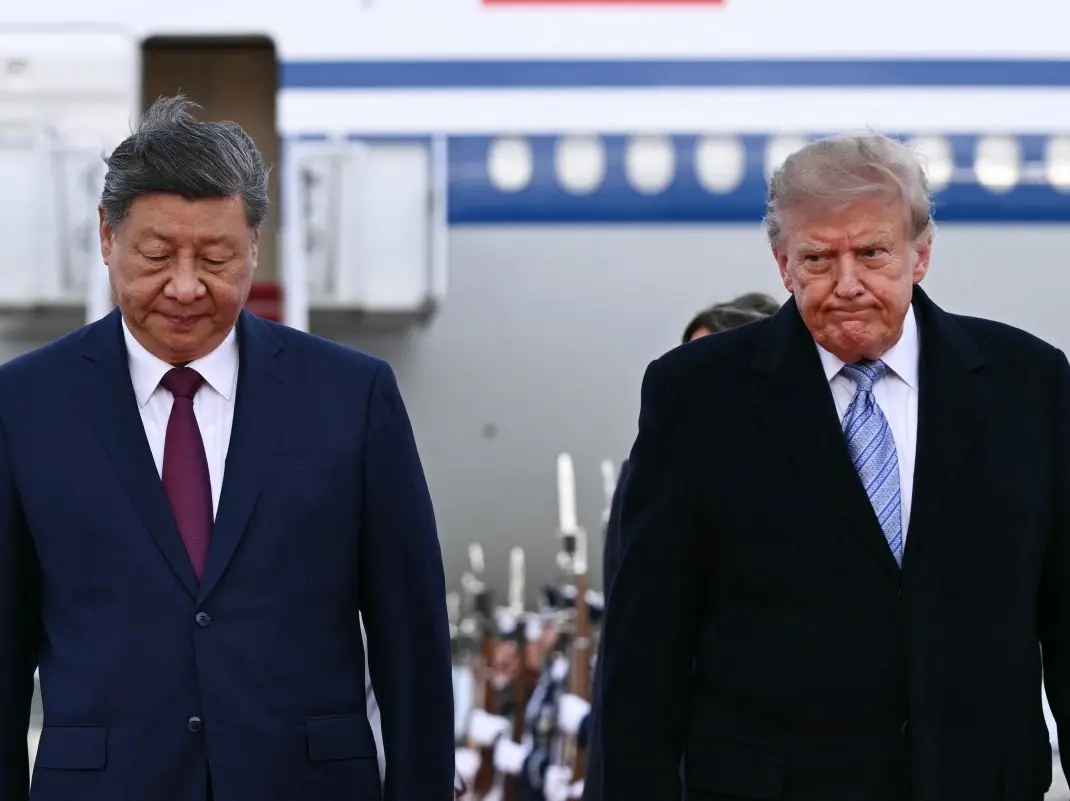)
'Partners rather than rivals': Xi Jinping's first message after landing in US for Trump summit
)
Italy hit by floods in the north, drought in the south
)
Property registration becomes faster, convenient as model sub-registrar offices open in Maharashtra
- Firstly it sits directly on the active boundary where the Caribbean Plate and the South American Plate grind past each other creating a major strike-slip fault systems, such as the Boconó, San Sebastián, and El Pilar faults that result in frequent, shallow and damaging earthquakes.
- The constant underground friction created by the annual shifting of the Caribbean Plate eastward by about 20 mm relative to the South American Plate is another reason for frequent earthquakes in Venezuela.
- Northern Venezuela does not have one simple boundary, rather, it is crisscrossed by major active faults (like the Boconó Fault) that rupture and release accumulated strain.
- The heavy casualties reported every time a quake hits Venezuela is because the country's 80% of population lives along these high-risk seismic zones in northern coastal and mountainous regions.
- Notably, the capital city Caracas that has faced severe damage in terms of live and property sits in deep sedimentary basins, which can trap and significantly amplify seismic waves, increasing structural damage.
The 7.5-magnitude quake was the most powerful since October 29, 1900 when a 7.7-magnitude quake struck offshore. At least 30 aftershocks occurred after the main two earthquakes struck the country.
In an interview with Venezuela’s state broadcaster, President Delcy Rodríguez said she is coordinating with the United Nations to send rescuers and with the International Monetary Fund to create an initial fund of $200 million for rebuilding the country.
