

&imwidth=800&imheight=600&format=webp&quality=medium "Why 90% of humans are right-handed may be linked to walking upright, new study finds")
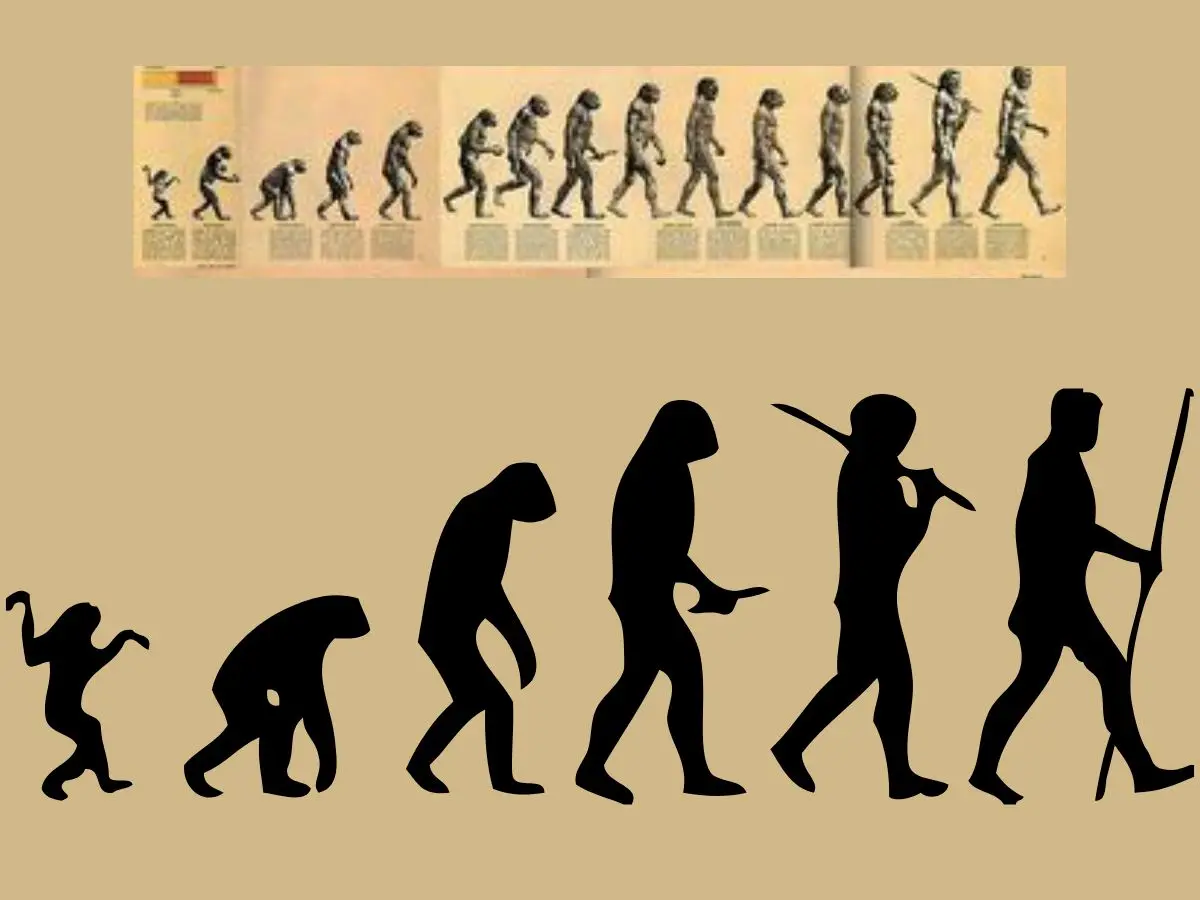
About 90 per cent of humans across cultures favour their right hand, making handedness one of the most striking and enduring traits in human evolution. No other primate species displays such a strong population-wide preference, leaving scientists puzzled for decades over why humans became overwhelmingly right-handed. Now, a new study led by researchers at the University of Oxford suggests the explanation may lie in two defining features of human evolution: walking upright and the growth of larger brains.
Study compares more than 2,000 primates
Published in PLOS Biology, the research analysed data from 2,025 individuals across 41 species of monkeys and apes. According to phys.org the study was led by Dr Thomas A. Püschel and Rachel M Hurwitz from Oxford’s School of Anthropology and Museum Ethnography, alongside Professor Chris Venditti from the University of Reading. Using Bayesian evolutionary modelling, the researchers tested several theories linked to handedness, including tool use, diet, habitat, body mass, social organisation, brain size and movement patterns.
Humans initially appeared to be a major evolutionary outlier. But once the researchers included two variables, brain size and the ratio between arm and leg length, which reflects upright walking, humans no longer stood apart from other primates.
Trending Stories
&imwidth=180&imheight=135&format=webp&quality=medium)
Pakistan to head IMF, World Bank boards after 74 years amid persistent economic crisis
&imwidth=180&imheight=135&format=webp&quality=medium)
"The scariest thing was"... flydubai Captain Smit Machchhar recalls cockpit fight and how he thought of his son and daughter
&imwidth=180&imheight=135&format=webp&quality=medium)
'We are not sitting in ivory towers, we are aware': SC issues notice to Rahul Gandhi, Akhilesh Yadav
&imwidth=180&imheight=135&format=webp&quality=medium)
6-year-old among 2 killed as vehicle crashes into youth soccer game in US
&imwidth=180&imheight=135&format=webp&quality=medium)
‘I have very severe problems’: Trump fuels health speculation during address to firefighters
&imwidth=180&imheight=135&format=webp&quality=medium)
Lizard people? Ex-US Army sniper claims soldier killed by 'reptilian beings' in battle near Area 51
&imwidth=180&imheight=135&format=webp&quality=medium)
Ankita Bhandari murder case: Parents meet CBI, seek impartial investigation
&imwidth=180&imheight=135&format=webp&quality=medium)
Bangladesh resort fire kills 10 tourists, including a 5-year-old child
&imwidth=180&imheight=135&format=webp&quality=medium)
At least 19 killed in stampede-like situation after part of Kolkata Durga Puja pandal collapses
&imwidth=180&imheight=135&format=webp&quality=medium)
Rajinikanth remembers late composer Deva, recalls his kindness and musical legacy
&imwidth=180&imheight=135&format=webp&quality=medium)
Rain washes out 5th T20I as India-West Indies share honours 2-2
&imwidth=180&imheight=135&format=webp&quality=medium)
'Reason UN has lost credibility': Amid SIR protests India hits out at report alleging 'youth repression'
&imwidth=180&imheight=135&format=webp&quality=medium)
Pope Leo XIV discharged from hospital in Rome after cancer surgery
&imwidth=180&imheight=135&format=webp&quality=medium)
‘My president, I mean my husband’: Trump's new press secretary Katie Zacharia's first briefing goes off the rails in 14 minutes
&imwidth=180&imheight=135&format=webp&quality=medium)
China responds to Trump's Press Secretary Katie Zacharia after toilet remark: 'Visit China more often'
&imwidth=180&imheight=135&format=webp&quality=medium)
UAE agrees with Saudi Arabia to rejoin Yemen fight as Houthi strikes rattle Riyadh
&imwidth=180&imheight=135&format=webp&quality=medium)
COVID-19 pandemic led to increase in divorce cases, observes Madras High Court
&imwidth=180&imheight=135&format=webp&quality=medium)
At least 400 arrested as protests turn violent in France; PM blames far left
&imwidth=180&imheight=135&format=webp&quality=medium)
Explosion and fire at military base in Canada's Alberta, casualties feared
&imwidth=180&imheight=135&format=webp&quality=medium)
Israel examines Russia's Shahed-type drones sent by Ukraine to combat Iran | Gravitas
&imwidth=180&imheight=135&format=webp&quality=medium)
WATCH | iPhones, luxury perfumes floating in Hormuz? Iranian fishermen make bizarre discovery
&imwidth=180&imheight=135&format=webp&quality=medium)
Two students die, 14 injured at Dandiya event in Hyderabad: Know what happened? VIDEO
&imwidth=180&imheight=135&format=webp&quality=medium)
China’s ‘dark tourism’ boom: Why are young travelers paying to experience simulated disasters?
&imwidth=180&imheight=135&format=webp&quality=medium)
WATCH | Zelensky gives cheeky response when asked if Trump is making him a scapegoat ahead of US midterms
&imwidth=180&imheight=135&format=webp&quality=medium)
No Ravindra Jadeja, Yashasvi Jaiswal in India’s 2027 ODI World Cup plans: Report
&imwidth=180&imheight=135&format=webp&quality=medium)
Kolkata Durga Puja stampede: PM Modi announces Rs 2 lakh ex-gratia for kin of dead, Amit Shah to visit injured
&im=FitAndFill=(700,400)&imwidth=180&imheight=135&format=webp&quality=medium)
Inside Tesla's Roadster: 10 features of Elon Musk's 'flying car' that push the limits of electric vehicles | In Pics
&imwidth=180&imheight=135&format=webp&quality=medium)
Anirudh Ravichander-Kavya Maran wedding: Telangana CM reveals Chennai reception date
&imwidth=180&imheight=135&format=webp&quality=medium)
Ranbir Kapoor visits North Bombay Durga Puja pandal, offers prayers
&imwidth=180&imheight=135&format=webp&quality=medium)
One species, two lineages: Why Sri Lanka’s spectacled cobra differs genetically from Indian variant
&imwidth=180&imheight=135&format=webp&quality=medium)
Oil tanker carrying over 2M barrels of crude hits mine in Strait of Hormuz, catches fire, says Iran
&imwidth=180&imheight=135&format=webp&quality=medium)
2 injured in plane crash on busy California highway

US ends automatic work permit extensions; Indian workers lose 540-day safety net: What it means
&imwidth=180&imheight=135&format=webp&quality=medium)
'It's a joy to see the makers bring it on such a grand scale': SS Rajamouli on Ramayana
&imwidth=180&imheight=135&format=webp&quality=medium)
13 dead after truck mows down devotees, crashes into temple gate in Madhya Pradesh's Gwalior
&imwidth=180&imheight=135&format=webp&quality=medium)
IND-W vs ZIM-W, 2nd T20I: When and where to watch live streaming in India?
&imwidth=180&imheight=135&format=webp&quality=medium)
US lawmaker Pramila Jaypal writes to Rubio, urges to raise handling of CJP protest with India
&imwidth=180&imheight=135&format=webp&quality=medium)
Kolkata puja pandal stampede: 7 arrested, section 163 restrictions imposed in north Kolkata
Walking upright may have changed human hands
The findings suggest bipedalism may have been the first major turning point. As early humans began walking on two legs, their hands were freed from locomotion, allowing more specialised and coordinated manual activity. The researchers believe larger brains later strengthened this preference, gradually turning a mild tendency into the near-universal right-handedness seen today.
“This is the first study to test several of the major hypotheses for human handedness in a single framework,” Dr Püschel said. “Our results suggest it is probably tied to some of the key features that make us human, especially walking upright and the evolution of larger brains.”
ALSO READ: Iraq oil exports through Strait of Hormuz plunge from 93 million to 10 million barrels in April
Clues from extinct human ancestors
The team also estimated handedness patterns in extinct human relatives. Early hominins such as Ardipithecus and Australopithecus likely showed only weak right-handed preferences, similar to modern great apes. The bias appears to strengthen significantly with the emergence of the Homo genus, including Homo erectus, Homo ergaster and Neanderthals, before reaching modern levels in Homo sapiens.
One exception was Homo floresiensis, the small-bodied ‘hobbit’ species discovered in Indonesia. Researchers predicted weaker handedness in the species, linking it to its smaller brain and mixed climbing and walking adaptations.
The study does not fully explain why left-handedness has persisted in humans or whether culture later reinforced right-handed behaviour. Researchers also say similar limb preferences observed in animals such as parrots and kangaroos could point to broader evolutionary patterns across species.

